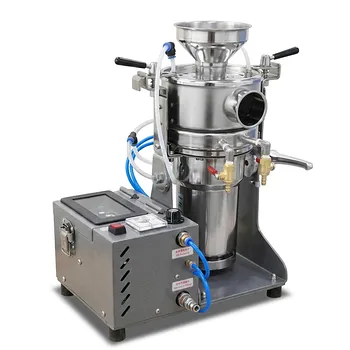
What are the advantages of using liquid nitrogen Cryomilling? Achieve ultra-fine grains and high chemical purity.
Updated 4 months ago
Liquid nitrogen cryomilling provides three critical advantages for nanocrystalline powder preparation: increased material brittleness, total suppression of thermal grain growth, and high chemical purity. By maintaining temperatures between -160°C and -193°C, this process enables the production of finer, more stable grains than conventional milling while preventing oxidation and contamination.
Cryomilling leverages cryogenic temperatures to bypass the thermal limitations of traditional ball milling, allowing for ultra-fine grain refinement and high-purity outputs that are otherwise impossible to achieve with soft or reactive metals.
Accelerated Grain Refinement through Embrittlement
Improving Fracture Efficiency
Liquid nitrogen introduces continuous cooling that maintains materials at ultra-low temperatures, significantly increasing their brittleness. This shift in material behavior allows for more efficient fracturing during mechanical impact, especially in soft metals that would otherwise deform plastically.
Reducing Processing Time
By increasing the ductile-to-brittle transition, cryomilling allows for faster particle size reduction. Research indicates that this cooling effect can reduce the upper particle size limit of alloy ribbons by half compared to room-temperature methods.
Enhanced Dislocation Density
The extreme cold allows the material to accumulate a much higher density of lattice defects and dislocations. These defects serve as the building blocks for nanocrystalline structures, making it easier to achieve a finer steady-state grain size.
Suppressing Thermal Recovery and Grain Growth
Inhibiting Dynamic Recovery
High-energy ball milling naturally generates significant frictional heat, which usually triggers dynamic recovery and recrystallization. Cryomilling suppresses this thermal activation energy, preventing the grains from "healing" or coarsening during the process.
Maintaining Nanoscale Stability
For metals with low thermal stability, such as copper or silver, liquid nitrogen prevents the spontaneous growth or coalescence of grains. This results in ultra-fine nanoparticles—often as small as 32 nm—that remain stable throughout the grinding cycle.
Reducing Internal Microstress
The cryogenic environment effectively manages the thermal effects of the milling media, which can reduce microstructural defects and internal stress. This leads to powders with optimized frequency characteristics and better performance in final applications like power cores.
Achieving High Chemical Purity
Eliminating the Need for PCAs
In traditional milling, Process Control Agents (PCAs) like stearic acid or methanol are required to prevent cold welding. Cryomilling’s extreme cold naturally prevents welding, eliminating the need for these agents and preventing carbon and oxygen contamination.
Preventing Thermal Oxidation
Active metal powders are highly susceptible to oxidation when heated during grinding. The liquid nitrogen environment acts as a protective medium that prevents oxidation, ensuring the precursor powders maintain high chemical purity.
Narrower Size Distribution
The controlled, low-temperature environment leads to a more uniform application of force and consistent material response. This results in a narrower particle size distribution without the need for additional capping agents or stabilizers.
Understanding the Trade-offs
Equipment and Operational Complexity
Implementing cryomilling requires a continuous supply of liquid nitrogen and specialized, sealed grinding jars. This increases the mechanical complexity and the operational footprint compared to standard dry or wet milling setups.
Increased Consumable Costs
The primary downside of cryomilling is the cost of consumables. Liquid nitrogen must be constantly replenished to maintain the required ultra-low temperatures, which can significantly increase the price per kilogram of produced powder.
Material Sensitivity
While effective for most metals, the extreme cold can cause unexpected phase changes or excessive brittleness in certain specialized alloys. It is essential to calibrate the milling energy and duration to avoid damaging the crystalline structure of the material.
How to Apply This to Your Project
When deciding whether to implement liquid nitrogen cryomilling, consider your primary performance requirements and material characteristics.
- If your primary focus is Maximum Grain Refinement: Cryomilling is the superior choice as it suppresses the thermal recovery that limits grain size in room-temperature processes.
- If your primary focus is High Chemical Purity: Utilize cryomilling to eliminate the need for PCAs and to prevent the oxidation of reactive metals like aluminum or silver.
- If your primary focus is Processing Efficiency for Soft Metals: Choose cryomilling to induce brittleness in ductile materials, significantly speeding up the fracture process and reducing milling time.
By effectively managing the thermal energy of the grinding process, liquid nitrogen cryomilling transforms the limitations of traditional metallurgy into a high-precision tool for nanostructure engineering.
Summary Table:
| Key Advantage | Primary Benefit | Technical Mechanism |
|---|---|---|
| Grain Refinement | Produces ultra-fine nanostructures | Increases brittleness & dislocation density |
| Thermal Stability | Prevents grain coarsening | Suppresses dynamic recovery & recrystallization |
| Chemical Purity | Contamination-free powders | Eliminates the need for PCAs (process agents) |
| Oxidation Control | Maintains precursor integrity | Inert liquid nitrogen cooling environment |
| Efficiency | Faster processing of soft metals | High ductile-to-brittle transition efficiency |
Elevate Your Material Research with Precision Powder Solutions
Achieving the perfect nanocrystalline structure requires more than just cooling—it requires the right equipment. Our company provides complete laboratory sample preparation solutions tailored for material science professionals.
Whether you are working with reactive metals or high-performance alloys, our specialized equipment ensures maximum purity and grain refinement:
- Advanced Grinding: High-performance liquid nitrogen cryogenic grinders, planetary ball mills, jet mills, and rotor mills.
- Sizing & Mixing: Precision sieve shakers (vibratory/air-jet) and high-efficiency powder or defoaming mixers.
- Compaction & Sintering: A full spectrum of hydraulic presses, including Cold/Warm Isostatic Presses (CIP/WIP), vacuum hot presses, and XRF pellet presses.
Don't let thermal recovery or contamination compromise your results. Contact our technical experts today to find the ideal processing solution for your laboratory and experience the advantage of professional-grade sample preparation.
References
- Heinz Werner Höppel. Ultrafine-Grained Metals. DOI: 10.3390/met5042393
Mentioned Products
- Liquid Nitrogen Cryogenic Grinder for Plastic and Heat-Sensitive Materials
- Small Liquid Nitrogen Cryogenic Grinder for Ultrafine Grinding of Heat-Sensitive Materials in Laboratories
- Cryogenic Liquid Nitrogen Grinder for DNA Analysis and Polymer Pulverization with Automatic Cooling and Electromagnetic Impact Technology
- Cryogenic Liquid Nitrogen Grinder for Ultrafine Heat-Sensitive Powder Processing
- Small Liquid Nitrogen Cryogenic Grinder with Vibratory Feeder for Laboratory Sample Preparation
People Also Ask
- Why is a liquid nitrogen cryogenic grinder required before DSC? Ensure Accurate Thermal Analysis & Sample Integrity.
- Why is a liquid nitrogen cryogenic grinder necessary for plastic pre-processing? Achieve Precise Co-Pyrolysis Results
- What role does liquid nitrogen cryogenic grinding play in the modification of CNTs? Optimize Nanomaterial Processing
- Why is a laboratory-grade liquid nitrogen cryogenic grinder essential for processing drug-loaded polymer nanofiber mats?
- What is the role of a liquid nitrogen cryogenic grinder in drug-polymer mixing? Achieve Superior Sample Homogeneity

Tech Team · PowderPreparation
Last updated on Jun 03, 2026
Related Products
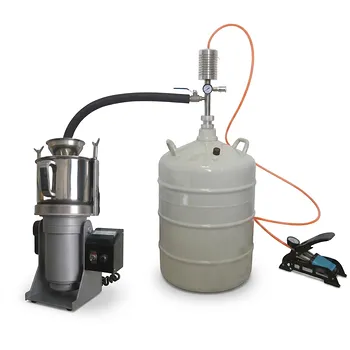
Liquid Nitrogen Cryogenic Grinder for Plastic and Heat-Sensitive Materials
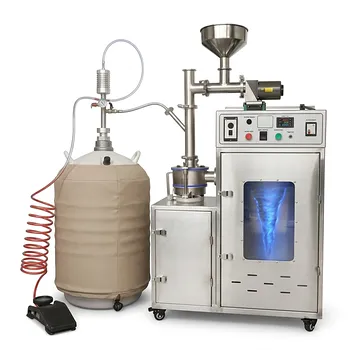
Small Liquid Nitrogen Cryogenic Grinder for Ultrafine Grinding of Heat-Sensitive Materials in Laboratories
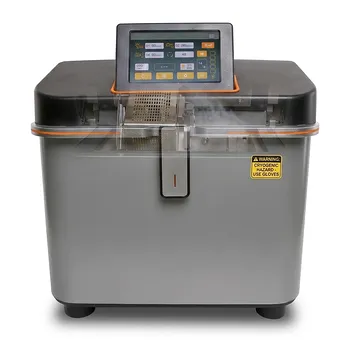
Cryogenic Liquid Nitrogen Grinder for DNA Analysis and Polymer Pulverization with Automatic Cooling and Electromagnetic Impact Technology
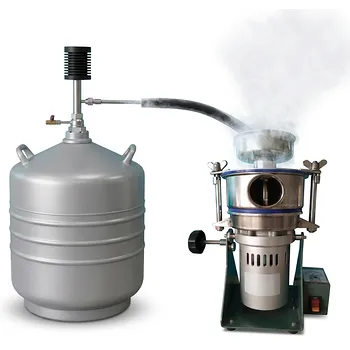
Cryogenic Liquid Nitrogen Grinder for Ultrafine Heat-Sensitive Powder Processing
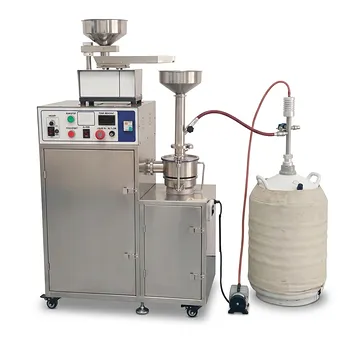
Small Liquid Nitrogen Cryogenic Grinder with Vibratory Feeder for Laboratory Sample Preparation
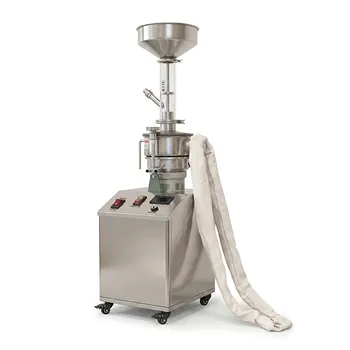
Small Liquid Nitrogen Cryogenic Grinder for Plastic and Heat-Sensitive Material Sample Preparation
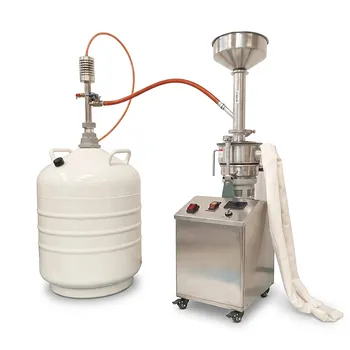
Laboratory Liquid Nitrogen Cryogenic Grinder for Polymer and Elastomer Materials
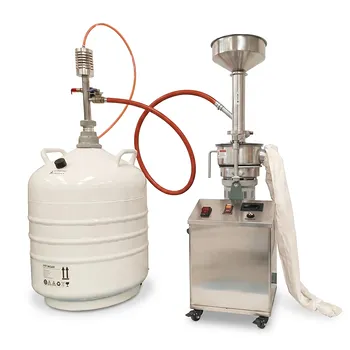
Laboratory Liquid Nitrogen Cryogenic Grinder Polymer Sample Preparation Pulverizer
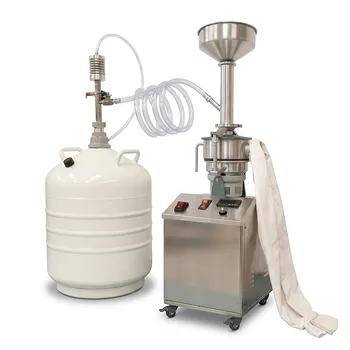
Laboratory Cryogenic Grinder Liquid Nitrogen Low Temperature Ultrafine Grinding
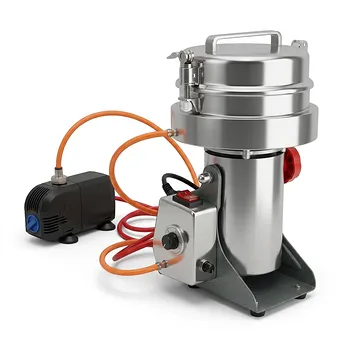
Water Cooled High Speed Grinder with Cryogenic Option for Laboratory Sample Preparation
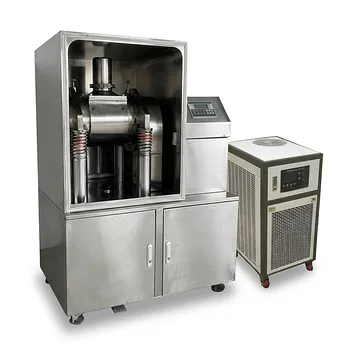
Water Cooled Cryogenic Ultra Fine Cell Wall Breaking Mill
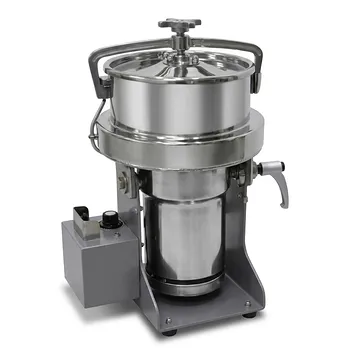
500g Capacity Water Cooled Low Temperature Grinder with Variable Speed and Safety Cover
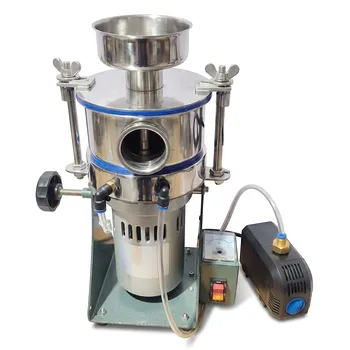
Water Cooled Airflow Ultra Fine Grinder for Low Temperature Material Processing
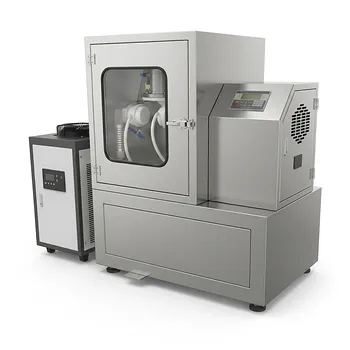
Vibratory Ultra-Low Temperature Ultrafine Grinder for Cryogenic Powder Processing
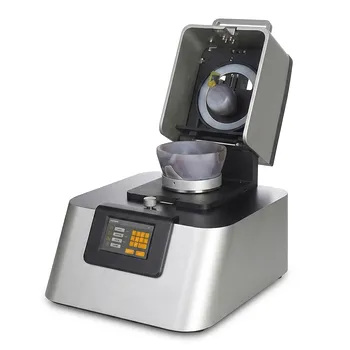
Laboratory Mortar Grinder for Sample Preparation and Cryogenic Powder Homogenization
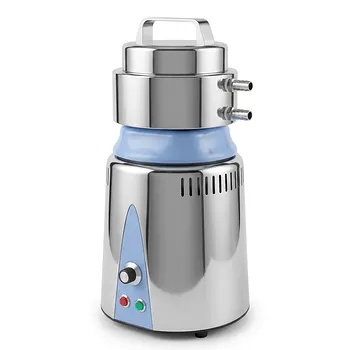
Low Temperature Laboratory Knife Mill Cryogenic Sample Grinder Material Science Powder Processing
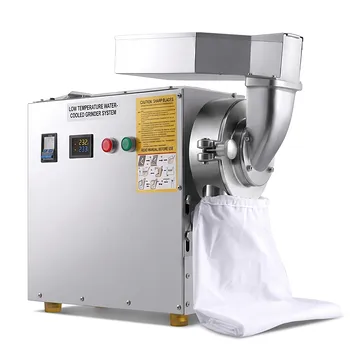
Low Temperature Water Cooled Continuous Feed Grinder Two Stage Coarse and Fine Grinding System
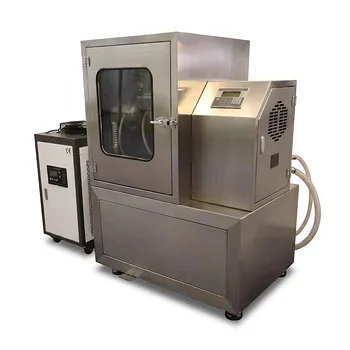
Ultra-Low Temperature Vibratory Mill for Ultrafine Grinding
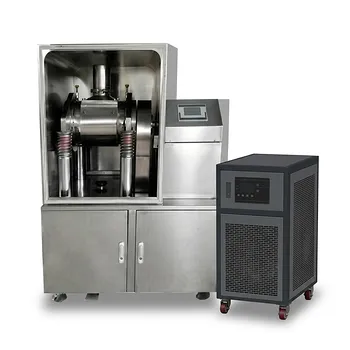
Ultra-low Temperature Vibratory Mill Ultrafine Grinder