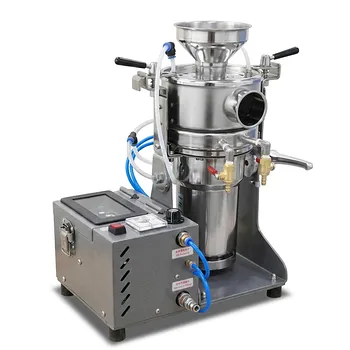
Why use liquid nitrogen cryogenic grinding for polymer degradation? Preserve sample integrity & prevent thermal damage
Updated 5 months ago
Liquid nitrogen cryogenic grinding is the essential standard for polymer degradation studies because it preserves the material’s chemical integrity by neutralizing the intense frictional heat generated during pulverization. By maintaining temperatures as low as 77 K, this equipment prevents the polymer from melting, keeps reactive radicals stable, and ensures the sample remains chemically identical to its original state. This precision allows researchers to isolate the specific effects of degradation rather than observing artifacts caused by the grinding process itself.
The core value of cryogenic grinding lies in its ability to embrittle tough polymers and inhibit secondary chemical reactions. This process ensures that the initial radical species and molecular structures are preserved for accurate identification during subsequent analysis.
Preservation of Chemical and Molecular Integrity
Inhibiting Secondary Reactions and Radical Quenching
At the molecular level, mechanical grinding creates forces that can cause polymer backbone cleavage. These cleavage events generate mechanical radicals, which are highly reactive and typically short-lived at room temperature.
Using liquid nitrogen cools the sample to approximately 77 K, which effectively "freezes" these initial radical species. This inhibition of secondary reactions is critical for Electron Paramagnetic Resonance (ESR) spectroscopy, allowing for the accurate characterization of the very first stages of polymer degradation.
Preventing Thermal Degradation
Standard mechanical grinding generates significant frictional heat. Because many polymers have low thermal conductivity, this heat cannot dissipate quickly, leading to accidental thermal degradation.
Cryogenic grinding bypasses this risk entirely. By submerging the environment in liquid nitrogen, the equipment ensures the polymer’s chemical properties and thermal history remain unchanged throughout the size-reduction process.
Achieving Mechanical Superiority through Embrittlement
Overcoming Viscoelasticity
Most polymers possess viscoelastic properties, meaning they are tough, flexible, and resistant to fracturing at room temperature. Attempting to grind these materials usually results in elastic deformation rather than clean breakage.
Liquid nitrogen cools the plastic below its glass transition temperature, shifting the material from a tough, "rubbery" state to a brittle, "glassy" state. This cold brittleness allows the equipment to fracture the polymer easily using high-frequency impact energy.
Preventing Melting and Agglomeration
Frictional heat often causes thermoplastic materials to reach their melting point during processing. This leads to melt-bonding, where the sample sticks to the grinding media or clogs the equipment.
Cryogenic cooling ensures the material remains solid and fractured. This prevents powder agglomeration, ensuring that the resulting microplastic powders remain free-flowing and easy to handle for further testing.
Enhancing Analytical Accuracy and Consistency
Producing Uniform Particle Sizes
Consistency is vital for experiments involving microbial assimilation or drug dissolution kinetics. Cryogenic grinding produces microplastic powders with highly uniform particle sizes and stable physicochemical properties.
The high-frequency impact in a brittle environment creates fine, micron-scale particles. This uniformity reduces diffusion distances in the material matrix, which significantly shortens the time required for thermal analysis and increases the reproducibility of results.
Maintaining Crystalline and Physical Structure
Room-temperature grinding can inadvertently cause crystalline changes or physical deformation due to the mechanical stress and heat. These changes can skew the results of Differential Scanning Calorimetry (DSC) or Gas Chromatography-Mass Spectrometry (GC-MS).
Cryogenic processing preserves the original chemical structure and physical morphology. This provides an ideal "blank slate" sample for researchers to analyze how external degradation factors, such as UV light or heat, truly affect the polymer.
Understanding the Trade-offs
Resource Intensity and Safety
While technically superior, cryogenic grinding requires a continuous supply of liquid nitrogen, which increases the operational cost per sample. The process also necessitates specialized safety protocols and personal protective equipment (PPE) to manage the risks of cryogenic burns and oxygen displacement.
Potential for Moisture Contamination
The extreme cold of the equipment can cause atmospheric moisture to condense on the sample once it is removed from the grinder. If not managed through proper sealing or desiccated environments, this moisture can interfere with sensitive analytical techniques like infrared spectroscopy or certain thermal assays.
How to Apply This to Your Research
Making the Right Choice for Your Goal
To ensure your sample preparation aligns with your analytical objectives, consider the following recommendations:
- If your primary focus is Radical Identification (ESR): Use liquid nitrogen specifically to maintain a 77 K environment to prevent the quenching of initial radical species.
- If your primary focus is Microplastic Standardization: Utilize cryogenic grinding to achieve precise particle size classification while preventing the melt-bonding of tough polyolefins.
- If your primary focus is Thermal Analysis (DSC/GC-MS): Employ cryogenic methods to ensure the grinding process does not alter the crystallinity or induce premature thermal degradation of the polymer.
By leveraging the cold brittleness of polymers, cryogenic grinding provides the most objective and accurate starting point for any rigorous degradation study.
Summary Table:
| Feature | Mechanism | Benefit for Research |
|---|---|---|
| 77 K Cooling | Quenches mechanical radicals | Accurate ESR spectroscopy & molecular integrity |
| Embrittlement | Drops material below glass transition | Easy fracturing of tough, viscoelastic polymers |
| Thermal Control | Neutralizes frictional heat | Prevents accidental thermal degradation & melting |
| Size Uniformity | High-frequency brittle impact | Consistent micron-scale powders for DSC/GC-MS |
| Structural Stability | No mechanical stress artifacts | Preserves original crystallinity & physical morphology |
Elevate Your Material Research with Precision Sample Prep
Achieving accurate data in polymer degradation studies requires equipment that respects your sample's integrity. At our core, we provide complete laboratory sample preparation solutions tailored for material science. Whether you need to stabilize reactive radicals or produce uniform microplastic powders, our specialized liquid nitrogen cryogenic grinders and mills (planetary ball, jet, sand/bead) offer the thermal control and mechanical superiority your research demands.
Our extensive product line supports every stage of the powder processing workflow:
- Size Reduction: Jaw/roll crushers, disc/rotor mills, and precision grinders.
- Classification: Vibratory and air-jet sieve shakers with high-accuracy test sieves.
- Mixing: Advanced powder and defoaming mixers.
- Compaction: A full spectrum of hydraulic presses, including Cold/Warm Isostatic Presses (CIP/WIP), hot presses, and vacuum hot presses for XRF pelletizing and material synthesis.
Ready to eliminate process-induced artifacts and enhance your analytical reproducibility? Contact our technical experts today to find the perfect equipment configuration for your specific laboratory needs.
References
- Simay Aydonat, Robert Göstl. Leveraging mechanochemistry for sustainable polymer degradation. DOI: 10.1038/s41428-023-00863-9
Mentioned Products
- Liquid Nitrogen Cryogenic Grinder for Plastic and Heat-Sensitive Materials
- Small Liquid Nitrogen Cryogenic Grinder for Ultrafine Grinding of Heat-Sensitive Materials in Laboratories
- Cryogenic Liquid Nitrogen Grinder for DNA Analysis and Polymer Pulverization with Automatic Cooling and Electromagnetic Impact Technology
- Cryogenic Liquid Nitrogen Grinder for Ultrafine Heat-Sensitive Powder Processing
- Small Liquid Nitrogen Cryogenic Grinder with Vibratory Feeder for Laboratory Sample Preparation
People Also Ask
- Why is a liquid nitrogen cryogenic grinder required before DSC? Ensure Accurate Thermal Analysis & Sample Integrity.
- Why is a liquid nitrogen cryogenic grinder necessary for plastic pre-processing? Achieve Precise Co-Pyrolysis Results
- What role does liquid nitrogen cryogenic grinding play in the modification of CNTs? Optimize Nanomaterial Processing
- Why is a laboratory-grade liquid nitrogen cryogenic grinder essential for processing drug-loaded polymer nanofiber mats?
- What is the role of a liquid nitrogen cryogenic grinder in drug-polymer mixing? Achieve Superior Sample Homogeneity

Tech Team · PowderPreparation
Last updated on May 14, 2026
Related Products
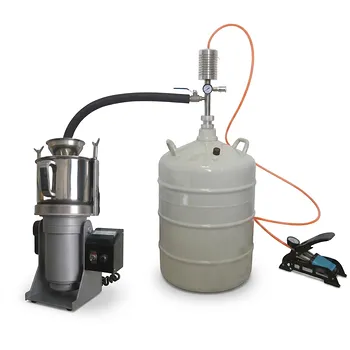
Liquid Nitrogen Cryogenic Grinder for Plastic and Heat-Sensitive Materials
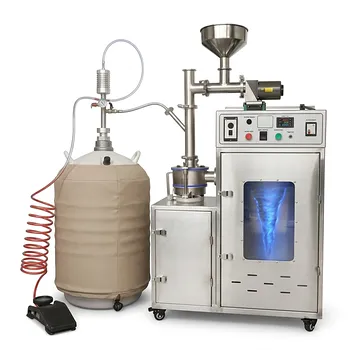
Small Liquid Nitrogen Cryogenic Grinder for Ultrafine Grinding of Heat-Sensitive Materials in Laboratories
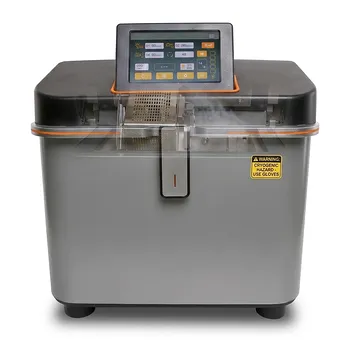
Cryogenic Liquid Nitrogen Grinder for DNA Analysis and Polymer Pulverization with Automatic Cooling and Electromagnetic Impact Technology
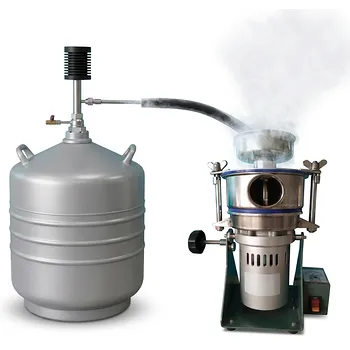
Cryogenic Liquid Nitrogen Grinder for Ultrafine Heat-Sensitive Powder Processing
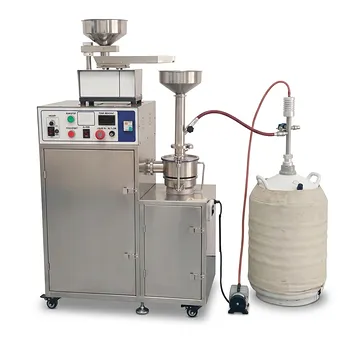
Small Liquid Nitrogen Cryogenic Grinder with Vibratory Feeder for Laboratory Sample Preparation
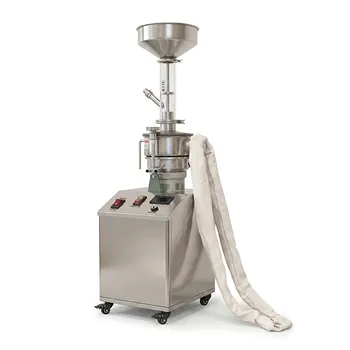
Small Liquid Nitrogen Cryogenic Grinder for Plastic and Heat-Sensitive Material Sample Preparation
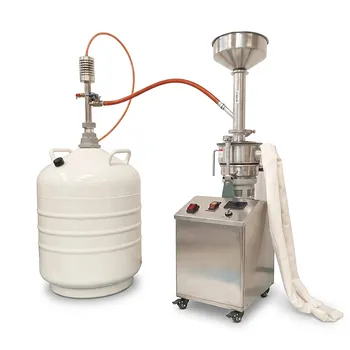
Laboratory Liquid Nitrogen Cryogenic Grinder for Polymer and Elastomer Materials
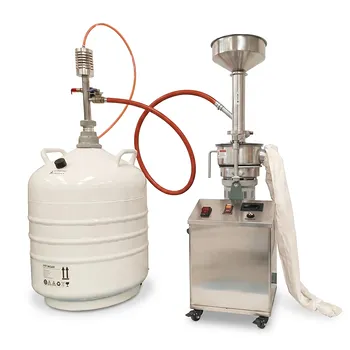
Laboratory Liquid Nitrogen Cryogenic Grinder Polymer Sample Preparation Pulverizer
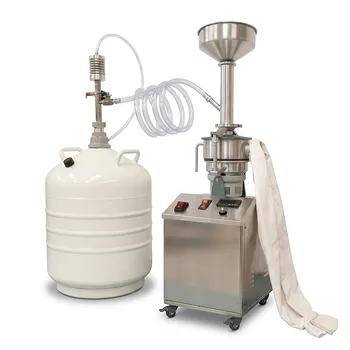
Laboratory Cryogenic Grinder Liquid Nitrogen Low Temperature Ultrafine Grinding
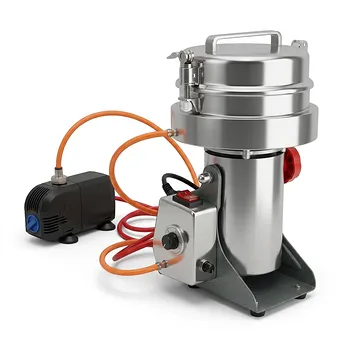
Water Cooled High Speed Grinder with Cryogenic Option for Laboratory Sample Preparation
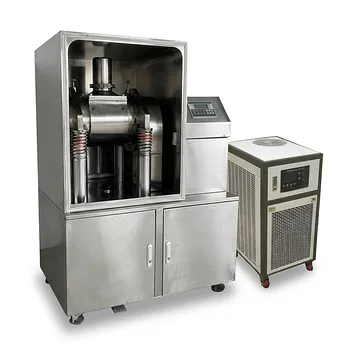
Water Cooled Cryogenic Ultra Fine Cell Wall Breaking Mill
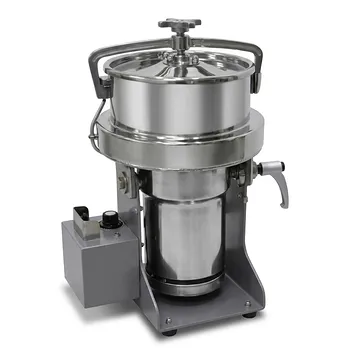
500g Capacity Water Cooled Low Temperature Grinder with Variable Speed and Safety Cover
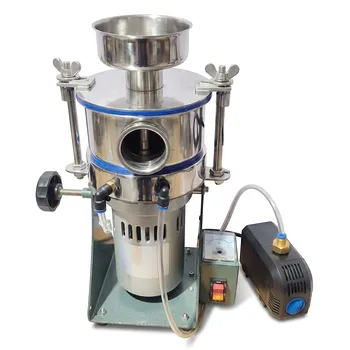
Water Cooled Airflow Ultra Fine Grinder for Low Temperature Material Processing
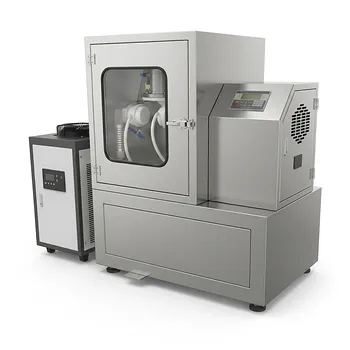
Vibratory Ultra-Low Temperature Ultrafine Grinder for Cryogenic Powder Processing
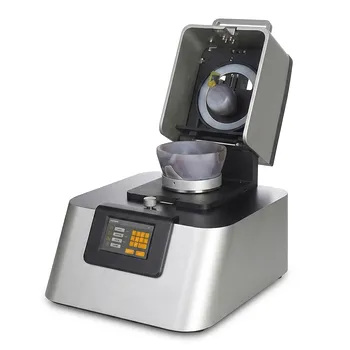
Laboratory Mortar Grinder for Sample Preparation and Cryogenic Powder Homogenization
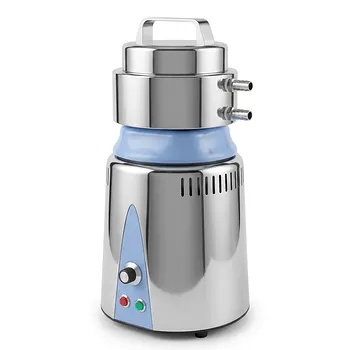
Low Temperature Laboratory Knife Mill Cryogenic Sample Grinder Material Science Powder Processing
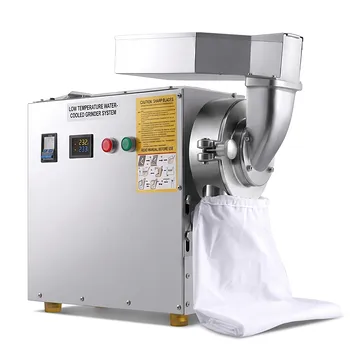
Low Temperature Water Cooled Continuous Feed Grinder Two Stage Coarse and Fine Grinding System
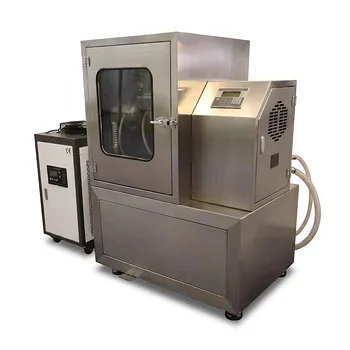
Ultra-Low Temperature Vibratory Mill for Ultrafine Grinding
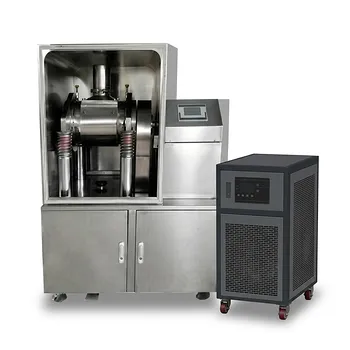
Ultra-low Temperature Vibratory Mill Ultrafine Grinder