Why is it recommended to control the rotation speed of a high-speed centrifugal mixer at approximately 500 rpm?
Updated 5 months ago
Controlling a high-speed centrifugal mixer at approximately 500 rpm is the industry-standard "sweet spot" for balancing mixing uniformity and equipment longevity. This specific speed optimizes the centrifugal force required to lower the coefficient of variation while preventing the exponential mechanical wear that occurs at higher velocities.
Core Takeaway: Maintaining a speed of 500 rpm ensures high-quality, stable mixing by maximizing the useful application of centrifugal force while avoiding the point of diminishing returns where equipment damage and "back-mixing" outweigh performance gains.
The Mechanics of 500 RPM
Optimizing the Coefficient of Variation
The rotation speed of a centrifugal mixer directly dictates the magnitude of centrifugal force applied to the material. At 500 rpm, the system typically achieves a stable coefficient of variation, ensuring that the mixture is uniform and the distribution of particles is consistent.
Managing Mechanical Stress and Blade Wear
Speeds exceeding the 500 rpm threshold significantly increase the mechanical load on the driving equipment. Operating above this limit accelerates blade wear and stresses the internal motor components, leading to higher maintenance costs and shorter equipment service life.
The Point of Diminishing Returns
While increasing speed generally improves mixing, the marginal improvement in quality drops off sharply after 500 rpm. The energy required to push past this limit does not result in a proportionally better mix, making 500 rpm the most economically and technically efficient setting.
Factors Influencing Speed Selection
Centrifugal Force and Eddy Currents
Rotor speed determines the intensity of eddy currents acting on the materials within the container. At the 500 rpm range, these currents are usually strong enough to facilitate thorough mixing without causing the material to become unstable or splash excessively.
Overcoming Viscous Resistance
In high-viscosity applications, sufficient centrifugal stress is required to overcome the internal resistance of the fluid. A controlled speed ensures enough normal pressure is generated to push material against the container walls, inducing the rheological response necessary for fluidization.
Progressive Wetting of Fillers
In many processes, a progressive speed profile is used where the mixer starts slow and moves toward its target speed. This prevents powder splashing and ensures that dry fillers are integrated into the resin matrix before the high-shear forces of the 500 rpm stage take over.
Understanding the Trade-offs
Quality vs. Equipment Life
The primary trade-off at 500 rpm is between the speed of homogenization and the durability of the hardware. While higher speeds might shave seconds off a mixing cycle, the resulting heat and mechanical vibration can degrade both the machine and heat-sensitive materials.
The Risk of Back-Mixing
A common pitfall of excessive speed—especially when the container is underloaded—is back-mixing. When the rotor speed is mismatched with the load, it can disrupt the flow patterns and actually degrade mixing quality by re-introducing non-uniformity into the batch.
Stress vs. Dispersion
While high speeds provide the shear necessary to break down filler agglomerates, too much stress can damage delicate micron-sized particles. 500 rpm provides a controlled environment that balances de-agglomeration with the physical integrity of the raw materials.
How to Apply This to Your Process
When configuring your centrifugal mixer, consider your specific material properties and production goals to determine if the 500 rpm recommendation requires adjustment.
- If your primary focus is Equipment Longevity: Strictly adhere to the 500 rpm limit to minimize blade erosion and motor strain, ensuring a longer mean time between failures (MTBF).
- If your primary focus is High-Viscosity Dispersion: Use 500 rpm as your baseline but ensure your revolution radius is sufficient to generate the necessary centrifugal stress for fluidization.
- If your primary focus is Fine Powder Integration: Implement a multi-stage ramp-up, starting at lower speeds to prevent splashing before settling at 500 rpm for final homogenization.
- If your primary focus is Rapid De-agglomeration: Monitor the mixture for heat buildup, as the shear forces at 500 rpm can generate significant thermal energy in high-solids pastes.
By respecting the 500 rpm limit, you ensure a high-performance mixing process that remains sustainable, predictable, and cost-effective over the long term.
Summary Table:
| Key Factor | Impact at 500 RPM | Benefit to Process |
|---|---|---|
| Mixing Uniformity | Optimized Centrifugal Force | Lowers coefficient of variation for stable results. |
| Equipment Wear | Minimized Mechanical Load | Reduces blade erosion and extends motor service life. |
| Energy Efficiency | Peak Operational Efficiency | Avoids the point of diminishing returns in power usage. |
| Material Integrity | Balanced Shear Stress | Achieves de-agglomeration without damaging particles. |
| Process Stability | Controlled Fluidization | Prevents 'back-mixing' and material splashing. |
Elevate Your Material Processing with Precision Solutions
Achieving the perfect mix is just the first step in superior material science. [Brand Name] provides complete laboratory sample preparation solutions, specializing in high-performance powder processing and compaction equipment. Whether you are working with high-viscosity resins or fine powders, our specialized tools ensure consistency and reliability.
Our extensive product lines include:
- Mixing & Homogenization: Advanced high-speed centrifugal mixers and defoaming mixers for air-free dispersion.
- Milling & Grinding: Planetary ball mills, jet mills, liquid nitrogen cryogenic grinders, and disc/rotor mills.
- Sizing & Crushing: Jaw/roll crushers and vibratory/air-jet sieve shakers for precise particle distribution.
- Compaction Excellence: A full spectrum of hydraulic presses, including Cold/Warm Isostatic Presses (CIP/WIP), XRF pellet presses, and vacuum hot presses.
Ready to optimize your lab's efficiency and output quality? Contact us today to speak with our experts about a tailored solution for your specific material challenges.
References
- Hongjun Li, Ying Zuo. Research and Optimization Design of Mixing Characteristics of High-speed Centrifugal Mixer Based on DEM. DOI: 10.1088/1742-6596/2095/1/012071
Mentioned Products
- High Speed Vacuum Planetary Centrifugal Mixer and Defoamer for Industrial Paste Processing
- High Efficiency Vacuum Planetary Centrifugal Mixer and Defoaming Machine for Industrial Material Research and Precise Laboratory Powder Dispersion
- High Viscosity Planetary Centrifugal Vacuum Mixer for Material Defoaming and Uniform Mixing
- Ultra Centrifugal Mill High Speed Laboratory Grinder for Fibrous and Brittle Sample Preparation
- High Viscosity Planetary Centrifugal Mixing and Vacuum Defoaming Machine for Laboratory Material Preparation
People Also Ask
- Why increase revolution radius for high-viscosity materials? Optimize Mixing Performance with Centrifugal Acceleration
- What is the function of a planetary centrifugal mixer in electrode slurry prep? Achieve high-energy, uniform dispersion.
- Why is a planetary centrifugal mixer utilized for wood powder and HPMC? Achieve uniform dispersion & rapid defoaming.
- How does a planetary centrifugal mixer contribute to the preparation of magnetic polymer composites? Expert Guide
- How does a planetary centrifugal mixer address key challenges in Tyr-CDs@EVA optical films? Ensure Optical Clarity.

Tech Team · PowderPreparation
Last updated on May 14, 2026
Related Products
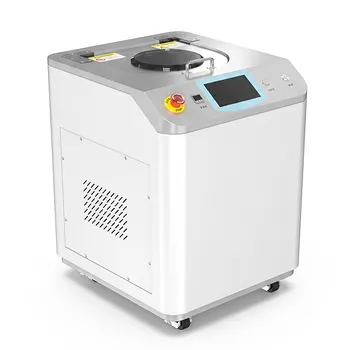
High Speed Vacuum Planetary Centrifugal Mixer and Defoamer for Industrial Paste Processing
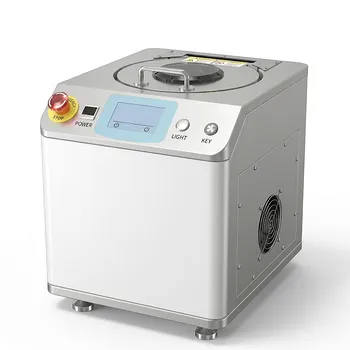
High Efficiency Vacuum Planetary Centrifugal Mixer and Defoaming Machine for Industrial Material Research and Precise Laboratory Powder Dispersion
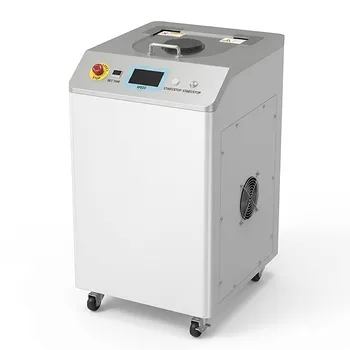
High Viscosity Planetary Centrifugal Vacuum Mixer for Material Defoaming and Uniform Mixing
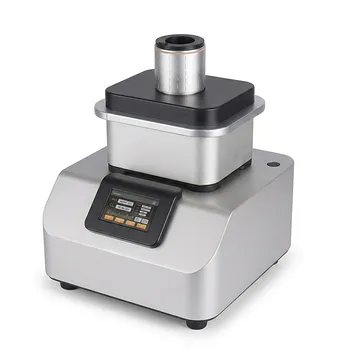
Ultra Centrifugal Mill High Speed Laboratory Grinder for Fibrous and Brittle Sample Preparation
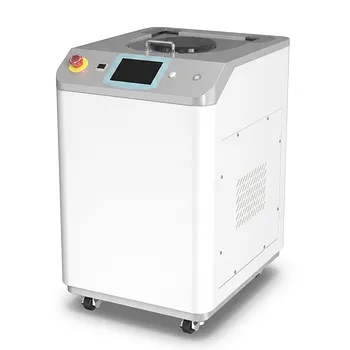
High Viscosity Planetary Centrifugal Mixing and Vacuum Defoaming Machine for Laboratory Material Preparation
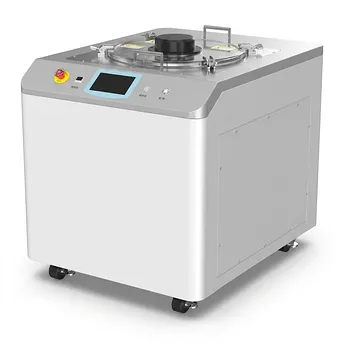
Industrial Planetary Centrifugal Vacuum Defoaming Mixer for High Viscosity Paste and Powder Homogenization
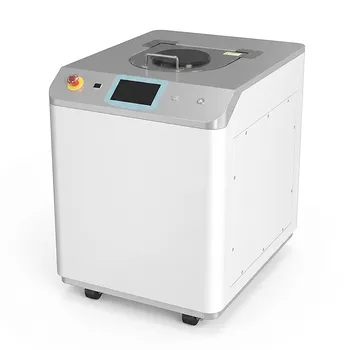
Industrial Planetary Centrifugal Vacuum Defoaming Mixer for High Viscosity Paste and Advanced Material Science
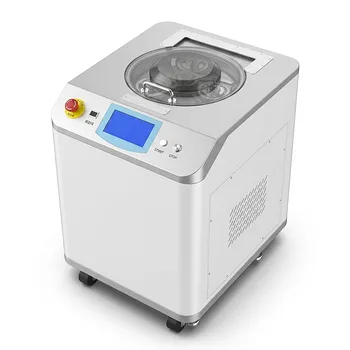
Dual Cup Vacuum Centrifugal Mixer Planetary Paste Defoaming Machine Industrial Material Processor
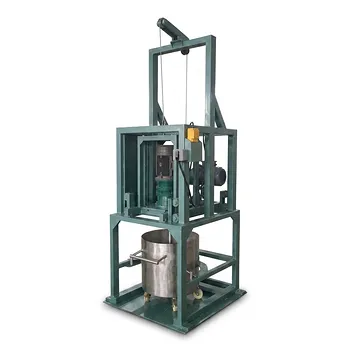
High-Speed Simple Disperser for Efficient Mixing, Dispersion, and Emulsification
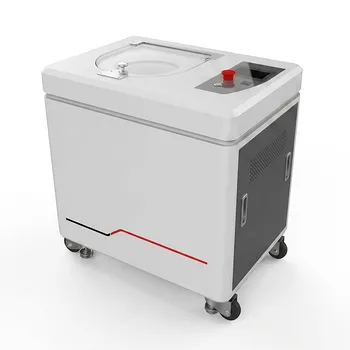
非介入式材料均质机真空脱泡行星搅拌高粘度混合设备
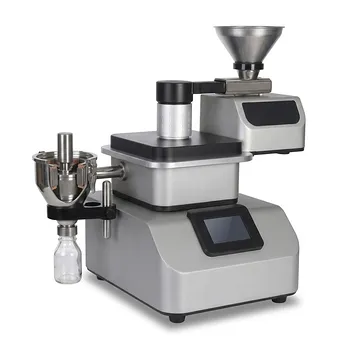
Ultra Centrifugal Mill for Rapid Laboratory Sample Preparation and Fine Powder Grinding
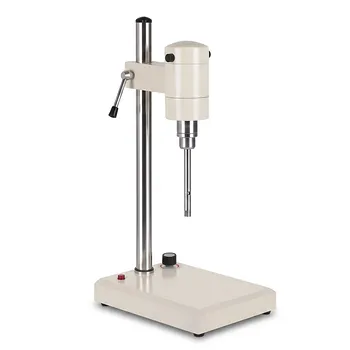
High Speed Dispersing Homogenizer for Laboratory Emulsification Dispersion and Cell Disruption
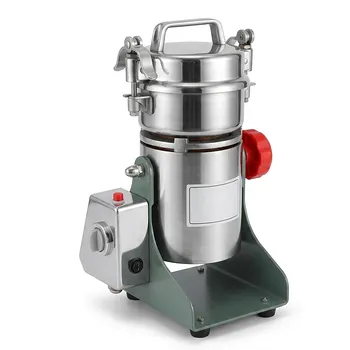
High Speed Swing Type Laboratory Pulverizer for Fine Powder Grinding and Sample Preparation
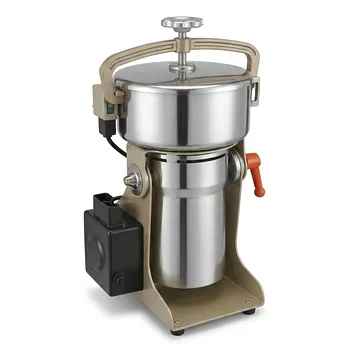
Multifunctional High Efficiency High Speed Laboratory Grinder
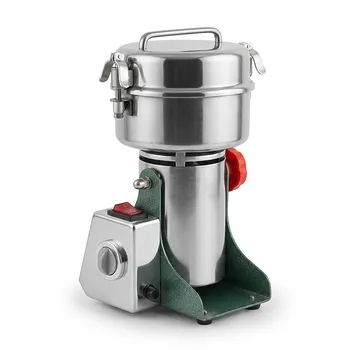
Small High-Speed Swing Grinder for Laboratory Sample Preparation
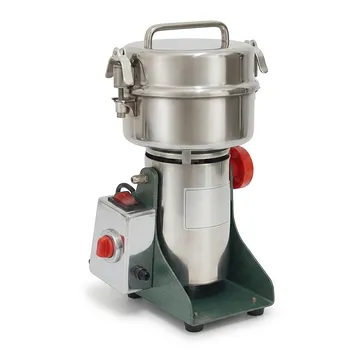
Small High Speed Grinder for Laboratory Sample Preparation
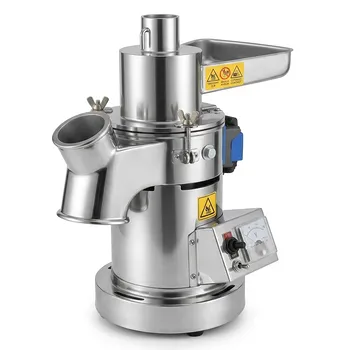
Continuous Feeding Grinder High Efficiency Pulverizer for Lab Sample Preparation
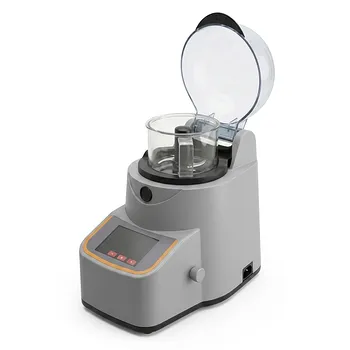
Industrial Knife Mill for Food and Biological Sample Preparation High Speed Laboratory Homogenizer
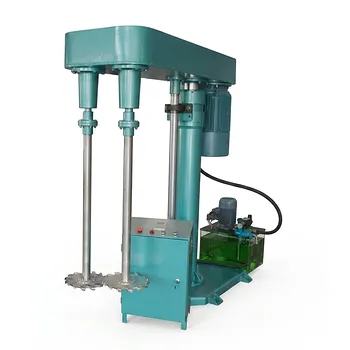
Hydraulic Double Shaft Disperser for High Viscosity Liquid Mixing and Dispersion