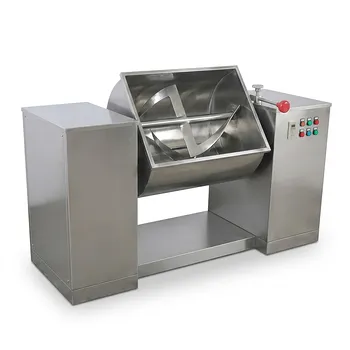
What are the advantages of using a planetary centrifugal mixer over standard stirring? Achieve Superior Homogenization
Updated 5 months ago
The primary advantages of using a planetary centrifugal mixer (PCM) for dispersing dry microgel powders into elastomer precursors are its ability to achieve rapid, uniform dispersion without mechanical blades, the simultaneous elimination of air bubbles (degassing), and a significant reduction in processing time. Unlike standard stirring, this method prevents the agglomeration of sensitive powders like Sodium Polyacrylate (NaPAA) while maintaining the integrity of the high-viscosity matrix.
Core Takeaway: Planetary centrifugal mixers utilize simultaneous revolution and rotation to apply intense, non-contact shear forces that de-agglomerate microgel powders and degas the mixture in a fraction of the time required by traditional mechanical stirrers.
Overcoming the Limitations of Mechanical Stirring
The Elimination of Physical Stirring Blades
Traditional equipment relies on paddles or blades that can physically damage shear-sensitive microgels or sensitive elastomer chains. A PCM is a bladeless system that induces multi-scale vortex fields within the container, moving the material itself to achieve homogenization.
Prevention of Cross-Contamination
Because there are no stirring paddles to clean, the risk of cross-contamination between batches is virtually eliminated. This design also ensures that no material is "lost" or stuck to the blades, which is critical when working with precise filler ratios or small-dose samples ranging from 10 to 100 grams.
Handling High-Viscosity Precursors
Standard stirrers often struggle with the high torque required to move viscous elastomer precursors, frequently leading to "dead zones" where the powder is not mixed. The centrifugal forces generated by a PCM forcibly move the entire mass, ensuring that even extremely viscous systems reach a state of total uniformity.
Enhancing Material Integrity and Quality
Superior De-agglomeration of Dry Powders
Dry microgel powders, such as Sodium Polyacrylate (NaPAA), tend to clump when they first contact a liquid precursor. The intense shear and centrifugal forces of a PCM break these agglomerates apart rapidly, ensuring each microgel particle is individually wetted and distributed throughout the matrix.
Simultaneous Degassing and Bubble Removal
Standard stirring often introduces air into the mixture, which can lead to structural defects and pores in the final elastomer. A PCM performs simultaneous degassing, using centrifugal forces to drive microscopic air bubbles to the surface and out of the slurry, which is essential for creating defect-free coatings or 3D-printed filaments.
Maintaining Microgel Functionality
In applications like catalyst preparation or electrode manufacturing, maintaining the surface area and porosity of the filler is vital. The PCM ensures that active ions or particles are distributed uniformly across complex nanopores without the destructive mechanical impact associated with high-speed impellers.
Efficiency and Process Control
Radical Reduction in Processing Time
Switching from a traditional kneader or mechanical stirrer to a PCM can reduce mixing times from approximately 2 hours down to 3–5 minutes. This high-efficiency kinetic control allows for much faster prototyping and higher throughput in production environments.
Enhanced Operator Safety
Many elastomer precursors and dry powders can be hazardous or sensitive to environmental exposure. PCM equipment often supports remote operation, preventing personnel from coming into direct contact with the materials during the high-energy mixing phase.
Understanding the Trade-offs
Batch Size Constraints
While PCMs are exceptionally efficient, they are often limited in batch size compared to industrial-scale stirred tanks. They are ideal for high-value, high-precision applications but may require multiple units for very high-volume commodity production.
Potential for Heat Generation
The intense shear forces required to disperse powders into viscous fluids can generate internal friction heat. For highly heat-sensitive precursors, operators must carefully monitor cycle times or utilize cooling intervals to prevent premature curing or degradation of the elastomer.
How to Apply This to Your Project
Making the Right Choice for Your Goal
- If your primary focus is maximizing material purity: Use a planetary centrifugal mixer to eliminate the risk of blade-related contamination and ensure a completely closed-system mix.
- If your primary focus is eliminating structural defects: Prioritize the PCM’s simultaneous degassing capability to ensure your final elastomer is free of performance-weakening air pockets.
- If your primary focus is rapid prototyping: Leverage the 3-5 minute mixing cycles of the PCM to drastically shorten your formulation development timeline.
By shifting from mechanical contact to centrifugal homogenization, you ensure a higher degree of structural continuity and functional performance in your microgel-reinforced elastomers.
Summary Table:
| Feature | Standard Stirring Equipment | Planetary Centrifugal Mixer (PCM) |
|---|---|---|
| Mixing Mechanism | Physical blades/paddles | Bladeless revolution & rotation |
| Degassing | Often introduces air bubbles | Simultaneous vacuum-like degassing |
| Processing Time | Typically 2+ hours | Rapid 3–5 minutes |
| Viscosity Handling | Prone to "dead zones" | Uniform movement of high-viscosity mass |
| Contamination Risk | High (from blades/cleaning) | Zero (no-contact, closed container) |
| Material Integrity | Potential shear damage | Preserves microgel structure & porosity |
Elevate Your Material Science with Precision Mixing Solutions
Achieving perfect dispersion in high-viscosity elastomer precursors requires more than just stirring—it requires advanced kinetic control. At [Company Name], we provide complete laboratory sample preparation solutions tailored for material science.
Whether you are working with sensitive microgels or complex powders, our extensive line of powder mixers and defoaming mixers ensures defect-free, homogeneous results in minutes. Beyond mixing, we specialize in a full spectrum of powder processing equipment, including:
- Milling & Grinding: Planetary ball mills, jet mills, and cryogenic grinders.
- Sizing: Vibratory and air-jet sieve shakers.
- Compaction: Manual and automatic hydraulic presses, including Cold/Warm Isostatic Presses (CIP/WIP), vacuum hot presses, and XRF pellet presses.
Ready to optimize your sample prep workflow? Contact our experts today to find the ideal equipment for your laboratory's specific needs!
References
- Simon Moser, Robert W. Style. Hydroelastomers: soft, tough, highly swelling composites. DOI: 10.1039/d2sm00946c
Mentioned Products
- High Viscosity Planetary Centrifugal Vacuum Mixer for Material Defoaming and Uniform Mixing
- High Efficiency Vacuum Planetary Centrifugal Mixer and Defoaming Machine for Industrial Material Research and Precise Laboratory Powder Dispersion
- High Speed Vacuum Planetary Centrifugal Mixer and Defoamer for Industrial Paste Processing
- Industrial Planetary Centrifugal Vacuum Defoaming Mixer for High Viscosity Paste and Powder Homogenization
- High Viscosity Planetary Centrifugal Mixing and Vacuum Defoaming Machine for Laboratory Material Preparation
People Also Ask
- What core functions does a planetary centrifugal mixer perform? Optimize Hard Carbon Anode Slurry & Degassing
- Why is a planetary centrifugal mixer recommended for geopolymer slurries? Achieve high-shear, air-free homogenization.
- Why is a planetary centrifugal mixer utilized for wood powder and HPMC? Achieve uniform dispersion & rapid defoaming.
- How does a planetary centrifugal mixer address key challenges in Tyr-CDs@EVA optical films? Ensure Optical Clarity.
- What is the role of a planetary centrifugal mixer in UHTC slurry preparation? Achieve Void-Free, High-Viscosity Mixing

Tech Team · PowderPreparation
Last updated on May 14, 2026
Related Products
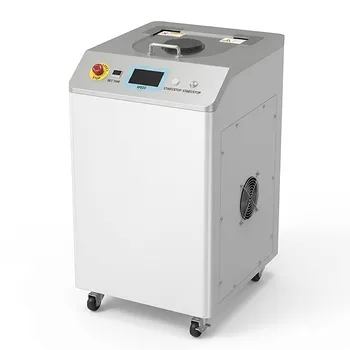
High Viscosity Planetary Centrifugal Vacuum Mixer for Material Defoaming and Uniform Mixing
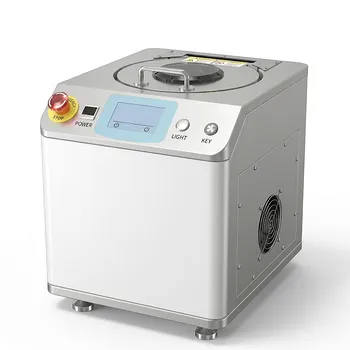
High Efficiency Vacuum Planetary Centrifugal Mixer and Defoaming Machine for Industrial Material Research and Precise Laboratory Powder Dispersion
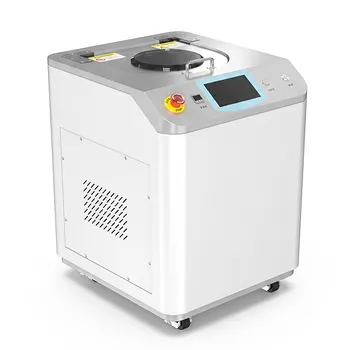
High Speed Vacuum Planetary Centrifugal Mixer and Defoamer for Industrial Paste Processing
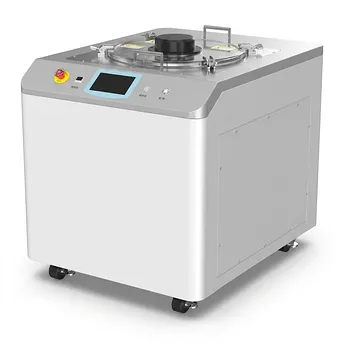
Industrial Planetary Centrifugal Vacuum Defoaming Mixer for High Viscosity Paste and Powder Homogenization
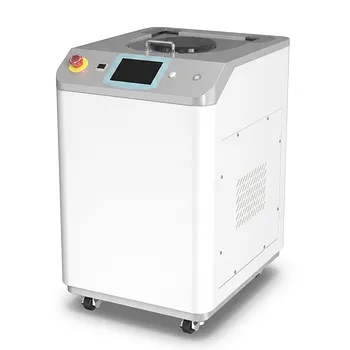
High Viscosity Planetary Centrifugal Mixing and Vacuum Defoaming Machine for Laboratory Material Preparation
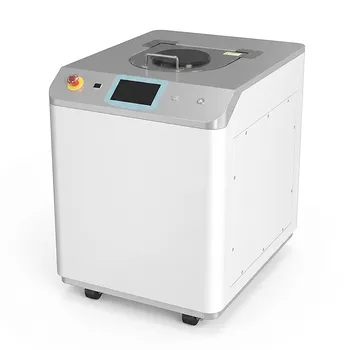
Industrial Planetary Centrifugal Vacuum Defoaming Mixer for High Viscosity Paste and Advanced Material Science
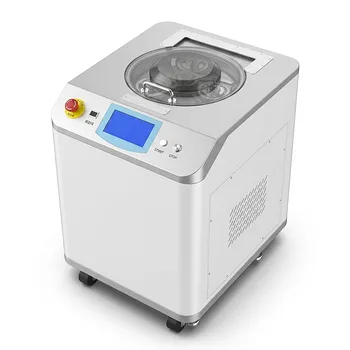
Dual Cup Vacuum Centrifugal Mixer Planetary Paste Defoaming Machine Industrial Material Processor
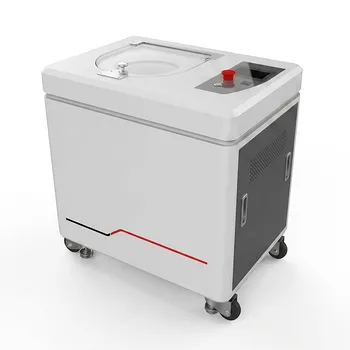
非介入式材料均质机真空脱泡行星搅拌高粘度混合设备

360° Rotating Omnidirectional Laboratory Planetary Ball Mill for Homogeneous Ultra-Fine Grinding and Mixing
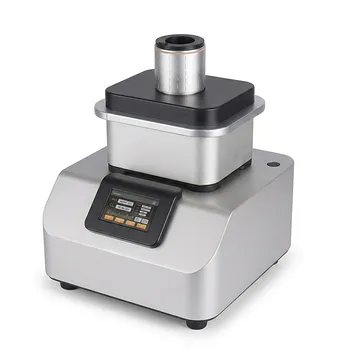
Ultra Centrifugal Mill High Speed Laboratory Grinder for Fibrous and Brittle Sample Preparation
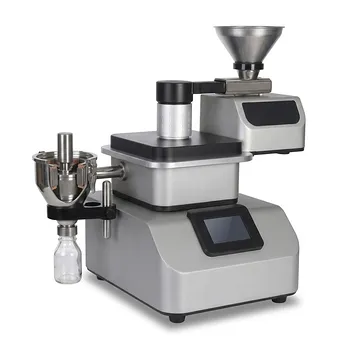
Ultra Centrifugal Mill for Rapid Laboratory Sample Preparation and Fine Powder Grinding
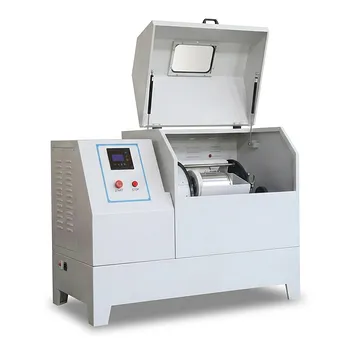
Heavy Duty Horizontal Planetary Ball Mill for Efficient Industrial Grinding and Sample Preparation
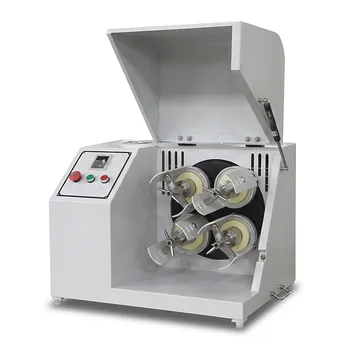
Horizontal Light Duty Planetary Ball Mill for Laboratory Sample Preparation

Vertical Production Planetary Ball Mill for High Throughput Powder Processing
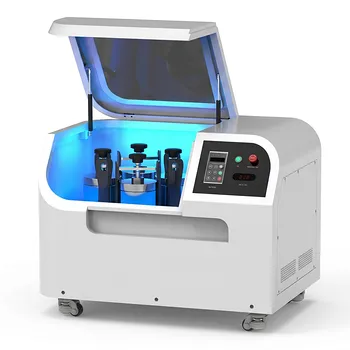
Planetary Ball Mill 12L
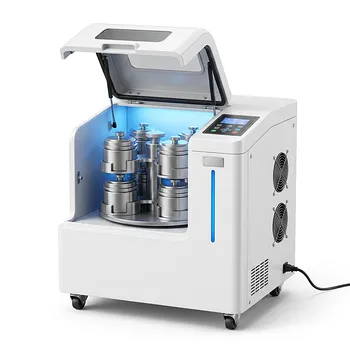
High Energy Omnidirectional Planetary Ball Mill 20L
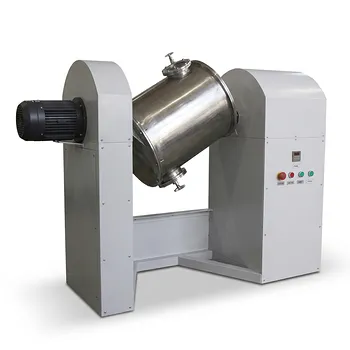
Inclined Mixer for Homogeneous Powder Blending and Grinding

Miniature Planetary Ball Mill with Vacuum Grinding and High Efficiency for Laboratory Sample Preparation

High Energy Omnidirectional Planetary Ball Mill 16L