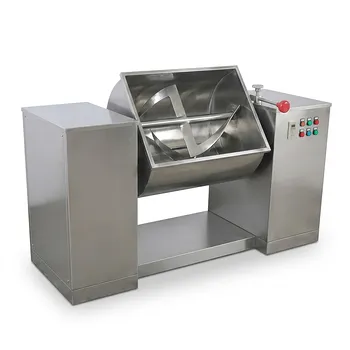
What advantages does a planetary centrifugal mixer offer for nanomaterial cathode slurries? Optimize Battery Performance
Updated 5 months ago
Planetary centrifugal mixers provide a high-energy, non-contact solution for cathode slurry preparation that surpasses traditional methods in speed and precision. By utilizing synchronized revolution and rotation forces, these mixers achieve nanometer-level dispersion of active materials, binders, and conductive agents in minutes. This process effectively deaerates the mixture while preserving the structural integrity of sensitive nanomaterials, such as high-aspect-ratio fibers, which traditional blade-based mixing often damages.
The primary advantage of planetary centrifugal mixing lies in its ability to deliver sub-micron homogenization and complete deaeration without mechanical contact. This ensures a uniform electronic conduction network and superior electrochemical performance while protecting the delicate morphology of cathode nanomaterials.
Superior Dispersion and Structural Integrity
Preservation of High-Aspect-Ratio Nanomaterials
Traditional mixing relies on mechanical impellers or blades that exert direct physical stress on the slurry components. This contact often shears and breaks sensitive materials like Ammonium Vanadium Oxide Nanofibers, reducing their effectiveness in the final electrode.
Planetary centrifugal mixers use centrifugal and shear forces generated by dual-axis motion to mix materials without physical contact. This "bladeless" approach ensures complete homogenization while preserving the integrity of fiber structures, which is critical for maintaining an excellent electronic conduction network.
High-Energy Breakdown of Agglomerates
Nanomaterials and conductive agents like carbon black naturally tend to form dense clusters or agglomerates. Traditional mixers often struggle to provide the localized energy required to break these bonds without long processing times.
The intense shear forces generated by the simultaneous revolution and rotation of a planetary mixer penetrate these clusters rapidly. This results in sub-micron level uniform dispersion of active materials and binders in a fraction of the time required by conventional equipment.
Enhancing Slurry Quality and Process Consistency
Integrated Deaeration and Bubble Removal
Micro-bubbles trapped within a cathode slurry can lead to pinholes, uneven coating thickness, and poor density in the final electrode sheet. Traditional mixing usually requires a separate, time-consuming degassing step.
Planetary centrifugal mixers achieve simultaneous mixing and deaeration. The powerful centrifugal forces—often combined with integrated vacuum functions—force air to the surface, ensuring a flat morphology and consistent density in the resulting electrode coating.
Handling High-Viscosity Formulations
Battery slurries are frequently high-viscosity systems that present significant resistance to traditional stirring blades. This resistance can lead to "dead zones" where materials are not adequately mixed.
Centrifugal mixing creates a liquid-like mixing environment that forces high-viscosity powders and organic carriers to interact intimately. This ensures that even the most viscous slurries reach a state of optimal rheology and uniform component distribution.
Understanding the Trade-offs
Heat Management and Energy Intensity
The high-speed motion required to generate intense shear forces naturally produces significant heat through internal friction. If not carefully monitored, this heat can degrade temperature-sensitive binders or solvents in the slurry.
Scaling and Throughput Considerations
While planetary centrifugal mixers are exceptionally efficient for R&D and small-to-medium batch production, they face different scaling challenges than continuous-flow traditional mixers. The equipment cost per liter of material can be higher, making them a specialized tool for high-performance or sensitive material applications.
How to Apply This to Your Project
Recommendations Based on Your Objectives
- If your primary focus is sensitive nanomaterials: Prioritize planetary centrifugal mixing to avoid the mechanical degradation caused by traditional impellers and blades.
- If your primary focus is high-density electrode coatings: Utilize a model with integrated vacuum functions to ensure the total removal of micro-bubbles that compromise coating structural stability.
- If your primary focus is rapid R&D iteration: Leverage the 2-minute mixing cycles typical of centrifugal technology to accelerate the testing of different active material and binder ratios.
By shifting to planetary centrifugal technology, you ensure that your nanomaterial cathodes maintain their intended electrochemical activity and structural continuity.
Summary Table:
| Feature | Traditional Blade Mixing | Planetary Centrifugal Mixing |
|---|---|---|
| Mixing Mechanism | Mechanical shear (physical contact) | Dual-axis revolution/rotation (non-contact) |
| Material Integrity | High risk of damaging nanofibers | Preserves delicate nanostructures |
| Deaeration | Requires separate vacuum step | Integrated, simultaneous degassing |
| Processing Speed | Slow (often hours) | Rapid (typically < 5 minutes) |
| Dispersion Quality | Macro to micron level | Uniform sub-micron homogenization |
| Viscosity Handling | Limited by blade resistance | Highly effective for high-viscosity pastes |
Elevate Your Material Science Research with Precision Solutions
At our core, we provide complete laboratory sample preparation solutions tailored for material science and battery research. Whether you are developing high-performance nanomaterial cathodes or advanced ceramics, our equipment ensures the highest quality results.
Our specialized lineup includes:
- Powder Processing: Planetary ball mills, jet mills, and rotor mills for sub-micron particle sizing.
- Mixing Technology: High-efficiency planetary centrifugal mixers and defoaming mixers for perfect slurries.
- Compaction & Pressing: A full spectrum of hydraulic presses, including Cold/Warm Isostatic Presses (CIP/WIP), XRF pellet presses, and vacuum hot presses.
- Preparation Tools: Jaw/roll crushers and vibratory sieve shakers for precise material grading.
Ready to transform your laboratory workflow? From rapid R&D iteration to specialized material processing, we offer the technical expertise and reliability you need. Contact us today to discuss your project requirements and find the ideal solution for your application.
References
- Jin‐Young Lee, Sungwook Mhin. Electrochemical Performance of Diamond-like Carbon (DLC)-Coated Zn Anodes for Application to Aqueous Zinc-Ion Batteries. DOI: 10.3390/batteries11060228
Mentioned Products
- High Viscosity Planetary Centrifugal Vacuum Mixer for Material Defoaming and Uniform Mixing
- High Efficiency Vacuum Planetary Centrifugal Mixer and Defoaming Machine for Industrial Material Research and Precise Laboratory Powder Dispersion
- High Speed Vacuum Planetary Centrifugal Mixer and Defoamer for Industrial Paste Processing
- Industrial Planetary Centrifugal Vacuum Defoaming Mixer for High Viscosity Paste and Powder Homogenization
- High Viscosity Planetary Centrifugal Mixing and Vacuum Defoaming Machine for Laboratory Material Preparation
People Also Ask
- What core functions does a planetary centrifugal mixer perform? Optimize Hard Carbon Anode Slurry & Degassing
- Why is a planetary centrifugal mixer recommended for geopolymer slurries? Achieve high-shear, air-free homogenization.
- Why is a planetary centrifugal mixer utilized for wood powder and HPMC? Achieve uniform dispersion & rapid defoaming.
- How does a planetary centrifugal mixer address key challenges in Tyr-CDs@EVA optical films? Ensure Optical Clarity.
- What is the role of a planetary centrifugal mixer in UHTC slurry preparation? Achieve Void-Free, High-Viscosity Mixing

Tech Team · PowderPreparation
Last updated on May 14, 2026
Related Products
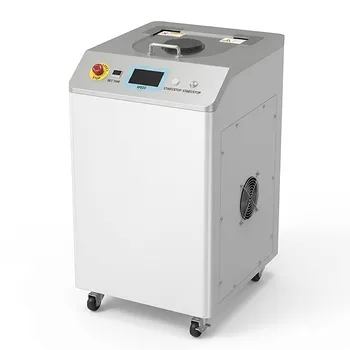
High Viscosity Planetary Centrifugal Vacuum Mixer for Material Defoaming and Uniform Mixing
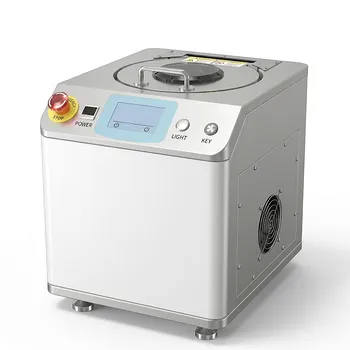
High Efficiency Vacuum Planetary Centrifugal Mixer and Defoaming Machine for Industrial Material Research and Precise Laboratory Powder Dispersion
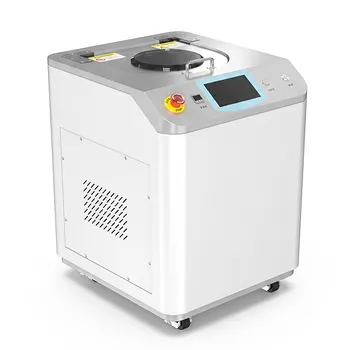
High Speed Vacuum Planetary Centrifugal Mixer and Defoamer for Industrial Paste Processing
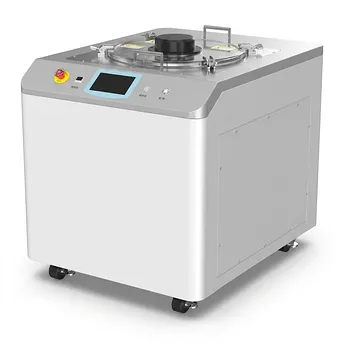
Industrial Planetary Centrifugal Vacuum Defoaming Mixer for High Viscosity Paste and Powder Homogenization
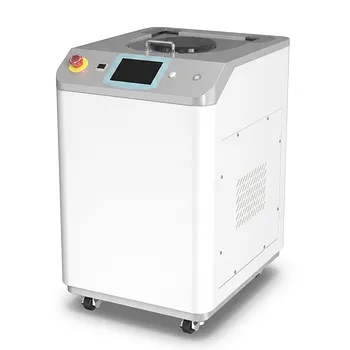
High Viscosity Planetary Centrifugal Mixing and Vacuum Defoaming Machine for Laboratory Material Preparation
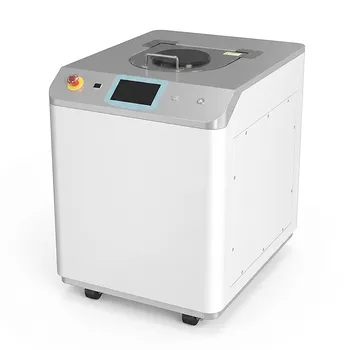
Industrial Planetary Centrifugal Vacuum Defoaming Mixer for High Viscosity Paste and Advanced Material Science
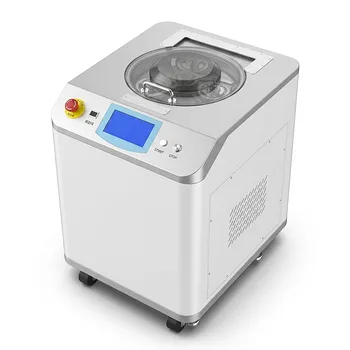
Dual Cup Vacuum Centrifugal Mixer Planetary Paste Defoaming Machine Industrial Material Processor
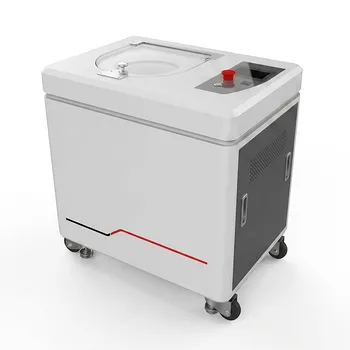
非介入式材料均质机真空脱泡行星搅拌高粘度混合设备
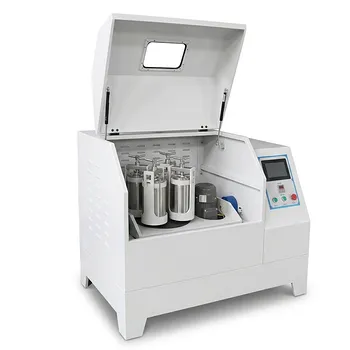
360° Rotating Omnidirectional Laboratory Planetary Ball Mill for Homogeneous Ultra-Fine Grinding and Mixing
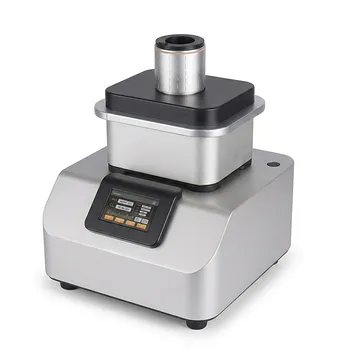
Ultra Centrifugal Mill High Speed Laboratory Grinder for Fibrous and Brittle Sample Preparation
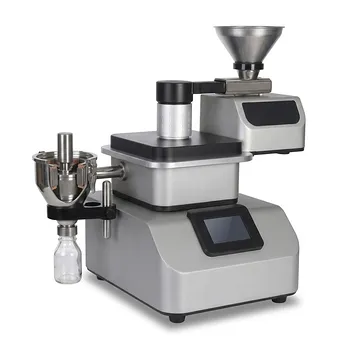
Ultra Centrifugal Mill for Rapid Laboratory Sample Preparation and Fine Powder Grinding
Heavy Duty Horizontal Planetary Ball Mill for Efficient Industrial Grinding and Sample Preparation
Horizontal Light Duty Planetary Ball Mill for Laboratory Sample Preparation
Vertical Production Planetary Ball Mill for High Throughput Powder Processing
Planetary Ball Mill 12L
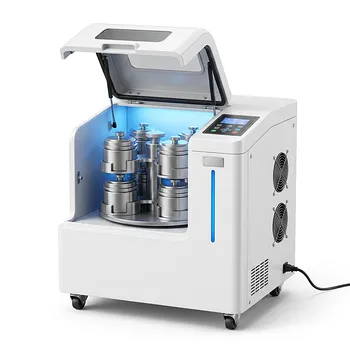
High Energy Omnidirectional Planetary Ball Mill 20L
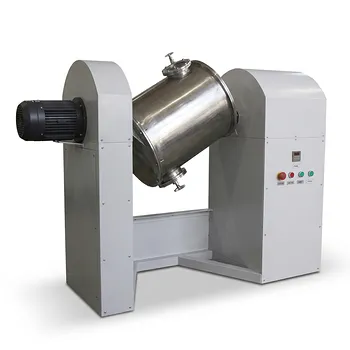
Inclined Mixer for Homogeneous Powder Blending and Grinding
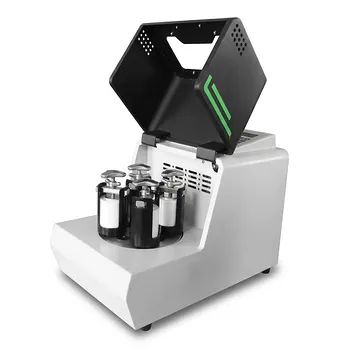
Miniature Planetary Ball Mill with Vacuum Grinding and High Efficiency for Laboratory Sample Preparation
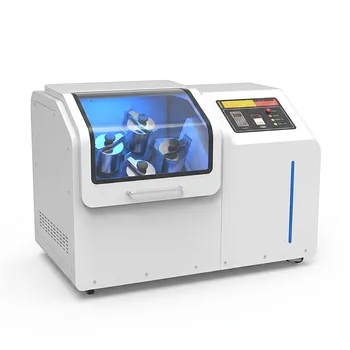
High Energy Omnidirectional Planetary Ball Mill 16L