Why is it necessary to use high-hardness alloy steel grinding jars and balls? Achieve Maximum Purity & Energy Transfer
Updated 5 months ago
Ensuring material purity and maximum energy transfer. High-hardness alloy steel is used for grinding jars and balls because its extreme wear resistance prevents media debris from contaminating high-purity powders during long-duration milling. Furthermore, these materials possess the mechanical strength and density required to efficiently transfer kinetic energy, ensuring that particles are effectively crushed, refined, and alloyed.
The use of high-hardness alloy steel is a critical technical requirement to maintain the chemical integrity of the sample while providing the impact force necessary to overcome the deformation resistance of advanced materials.
The Role of Kinetic Energy Transfer
Overcoming Deformation Resistance
High-hardness steel balls serve as the primary medium for kinetic energy transfer within the milling system. Their high density ensures that sufficient impact force is generated during high-speed oscillations to overcome the complex deformation resistance of powders, such as high-entropy alloys.
Efficient Particle Refinement
The hardness of the media, often reaching a Rockwell hardness (HRC) of approximately 63, allows for the effective crushing of reinforcement particles. This ensures that ceramic or metallic components are uniformly distributed and refined to the desired nanometer scale within the designated processing time.
Promoting Mechanical Alloying
In planetary ball milling, the media provides the necessary shear forces to drive alloying reactions under non-equilibrium conditions. By maintaining their shape and integrity, high-hardness balls ensure that the intensity of the alloying reaction remains consistent throughout the process.
Maintaining Chemical and Structural Purity
Minimizing Media Shedding
Long-duration, high-energy milling creates an environment where softer materials would quickly degrade. High-hardness alloy steel minimizes the wear and shedding of the grinding media, which is essential for producing high-purity composite powders without unwanted metallic impurities.
Chemical Compatibility
Hardened steel is often chemically compatible with iron-containing alloys. This ensures that any microscopic wear that does occur does not deviate the final alloy composition from its targeted stoichiometric proportions.
Thermal Conductivity and Heat Analysis
The specific heat capacity and thermal conductivity of steel allow the media to capture the instantaneous high temperatures produced during impacts. This characteristic is vital for researchers studying collision heating effects and energy conversion efficiency during the milling process.
Understanding the Trade-offs
Brittleness and Impact Risk
While high hardness (HRC 63) is beneficial for wear resistance, it can also increase the brittleness of the grinding media. Under extreme impact conditions, excessively hard balls may be prone to chipping or fracturing if the mill is operated without a sufficient powder buffer.
Material Cross-Contamination
If the powder being processed is not iron-based (e.g., a high-purity aluminum or copper alloy), even minimal wear from steel jars can introduce iron contamination. In these specific cases, the high hardness of the steel does not eliminate the risk of altering the powder's electrical or magnetic properties.
How to Apply This to Your Project
Selecting the Right Grinding Parameters
To achieve the best results with high-hardness alloy steel media, you must align your ball-to-powder ratio and milling speed with your material goals.
- If your primary focus is maximum particle refinement: Use a high ball-to-powder weight ratio (e.g., 10:1) to increase collision frequency and energy input.
- If your primary focus is maintaining extreme chemical purity: Ensure the jars and balls are made of a hardened alloy that is chemically compatible with your primary powder matrix to avoid foreign element contamination.
- If your primary focus is mechanical alloying of ductile metals: Utilize high-hardness media to provide the necessary impact energy to fracture and cold-weld the particles effectively.
By prioritizing high-hardness alloy steel, you ensure the structural and chemical integrity of your materials while maximizing processing efficiency.
Summary Table:
| Feature | Benefit | Technical Impact |
|---|---|---|
| High Hardness (HRC 63) | Extreme Wear Resistance | Minimizes media debris and prevents sample contamination. |
| High Density | Optimal Energy Transfer | Provides the impact force needed for mechanical alloying. |
| Mechanical Strength | Structural Integrity | Ensures consistent particle refinement during long-duration milling. |
| Thermal Conductivity | Efficient Heat Analysis | Allows accurate study of collision heating and energy conversion. |
Optimize Your Material Synthesis with Professional Grinding Solutions
Achieving the perfect nanometer scale requires more than just high-speed rotation—it requires the right media and equipment. At [Brand Name], we provide complete laboratory sample preparation solutions for material science, specializing in high-performance powder processing and compaction equipment.
Whether you are performing mechanical alloying or advanced particle refinement, our extensive product line supports your entire workflow:
- Advanced Milling: Planetary ball mills, jet mills, and liquid nitrogen cryogenic grinders for various hardness levels.
- Powder Preparation: Jaw/roll crushers, sieve shakers, and high-efficiency powder mixers.
- Compaction & Sintering: A full spectrum of hydraulic presses, including Cold/Warm Isostatic Presses (CIP/WIP), vacuum hot presses, and XRF pellet presses.
Ready to enhance your lab's efficiency and sample purity? Contact our experts today to discuss your specific application and find the ideal solution for your research needs.
References
- Dawit Mekonen, Habtamu Tsegaye. Investigation of the effect of SiC, TiC and TiB2 particles on the microstructure and mechanical properties of aluminum under the local laser melting influence. DOI: 10.56975/ijsdr.v10i7.303893
Mentioned Products
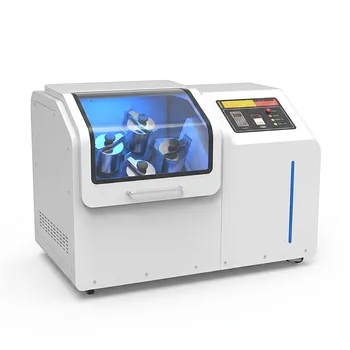
- High Energy Omnidirectional Planetary Ball Mill 16L
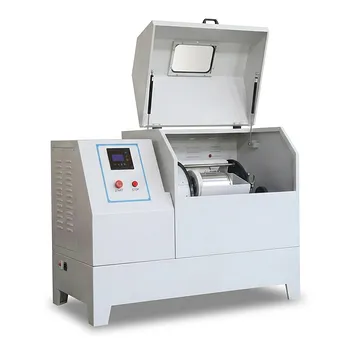
- Heavy Duty Horizontal Planetary Ball Mill for Efficient Industrial Grinding and Sample Preparation
- Vertical Square Planetary Ball Mill for Laboratory Sample Preparation and Nanoscale Grinding
- High Throughput Micro Ball Mill for Cryogenic Grinding and Laboratory Cell Disruption
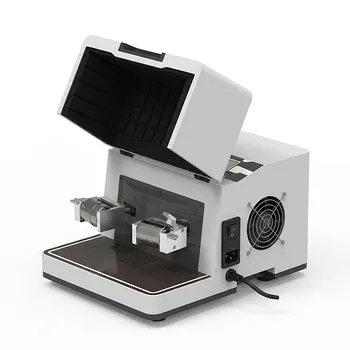
- High Energy Hybrid Vibratory Ball Mill for Grinding Mixing and Cell Disruption
People Also Ask
- What role does an omni-directional planetary ball mill play in brass/cobalt antimonide pretreatment? Achieve Nano-Scale Homogeneity.
- What is the role of a high-energy planetary ball mill in Li2ZrO3 and LBS prep? Achieve Superior Electrolyte Density
- What role does a high-energy planetary ball mill play in processing quenched bioactive glass? Achieve Nano-Scale Precision
- What role does a planetary ball mill play in nano-mineral filler prep? Achieve Sub-100nm Precision & Performance
- What role does a high-energy planetary ball mill play in magnesium-based hydrogen storage alloy preparation?

Tech Team · PowderPreparation
Last updated on May 14, 2026
Related Products
High Energy Omnidirectional Planetary Ball Mill 16L
Heavy Duty Horizontal Planetary Ball Mill for Efficient Industrial Grinding and Sample Preparation

Vertical Square Planetary Ball Mill for Laboratory Sample Preparation and Nanoscale Grinding

High Throughput Micro Ball Mill for Cryogenic Grinding and Laboratory Cell Disruption
High Energy Hybrid Vibratory Ball Mill for Grinding Mixing and Cell Disruption

8L Planetary Ball Mill for Laboratory Grinding and Sample Preparation
Vertical Semi Circular Planetary Ball Mill for Laboratory Precision Grinding

High Energy Laboratory Planetary Ball Mill for Nano Grinding and Material Science Sample Preparation
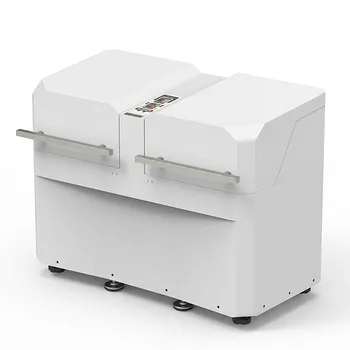
Dual Station Planetary Ball Mill 24L
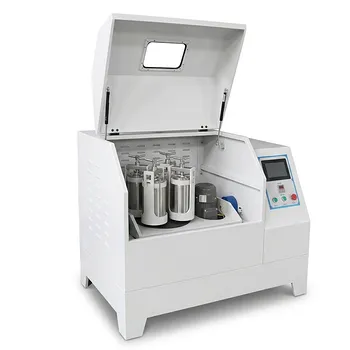
360° Rotating Omnidirectional Laboratory Planetary Ball Mill for Homogeneous Ultra-Fine Grinding and Mixing
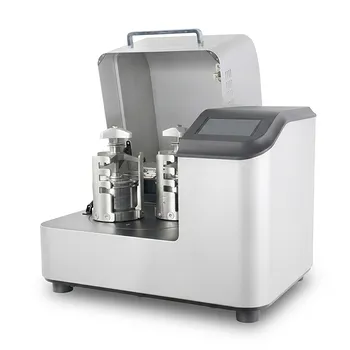
High Energy Planetary Ball Mill for Nano Scale Grinding and Mechanical Alloying
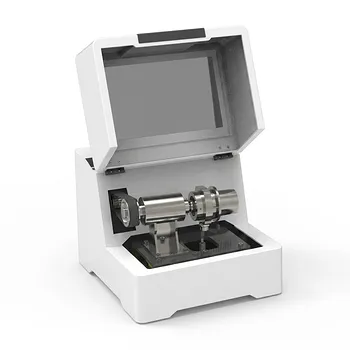
Single Tank High Energy Vibratory Ball Mill for Laboratory Grinding and Mixing
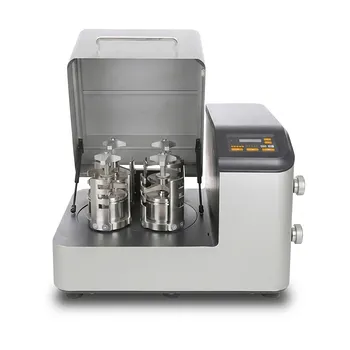
High Energy Planetary Ball Mill for Nano Scale Grinding and Colloidal Mixing in Material Science Research
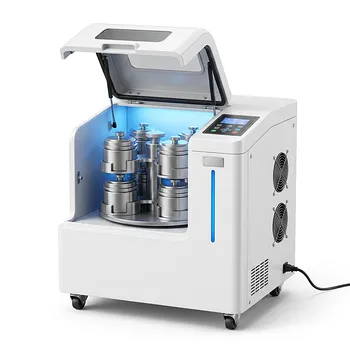
High Energy Omnidirectional Planetary Ball Mill 20L

Miniature Planetary Ball Mill with Vacuum Grinding and High Efficiency for Laboratory Sample Preparation
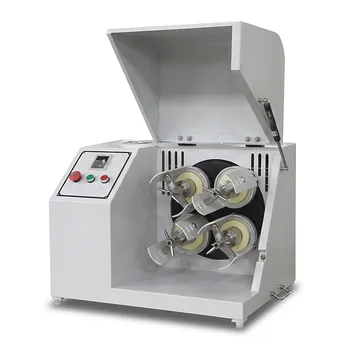
Horizontal Light Duty Planetary Ball Mill for Laboratory Sample Preparation

Vertical Production Planetary Ball Mill for High Throughput Powder Processing
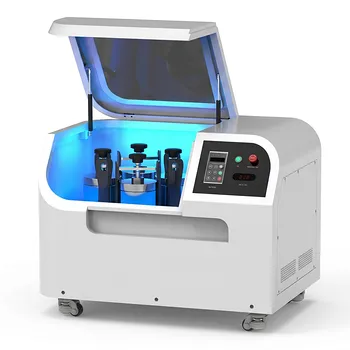
Planetary Ball Mill 12L
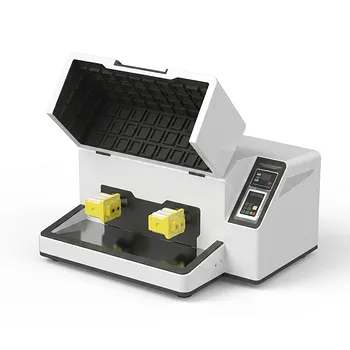
Multi-Platform Nanoscale High-Energy Vibratory Ball Mill