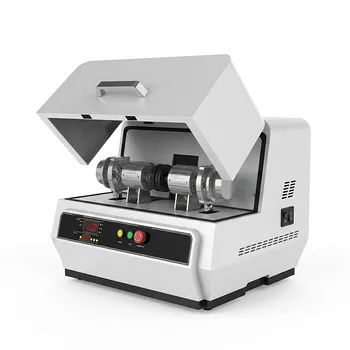
Why is high-purity isopropyl alcohol utilized during ball milling of Al2O3-SiC nanopowders? Achieve Perfect Dispersion
Updated 4 months ago
High-purity isopropyl alcohol (IPA) is utilized as a milling medium because it simultaneously acts as a dispersant, a thermal regulator, and a chemical stabilizer. By reducing the surface energy of nano-scale particles like SiC and MgO, IPA prevents the formation of clumps (agglomeration) and ensures the powder remains uniform. It also dissipates the intense heat generated during grinding, protecting the material from oxidation or unwanted chemical changes.
Isopropyl alcohol transforms the volatile environment of high-energy ball milling into a controlled liquid phase. Its primary role is to overcome the physical forces that cause nanopowders to cluster, ensuring a perfectly dispersed, high-purity suspension necessary for advanced ceramic production.
Preventing Agglomeration and Managing Surface Energy
Overcoming Nano-Scale Attraction
Nano-scale particles, such as silicon carbide (SiC) and magnesium oxide (MgO), possess extremely high surface energy. This energy naturally drives particles to stick together, forming large clusters or agglomerates that ruin the uniformity of the final ceramic.
The Role of IPA as a Dispersant
High-purity IPA wets the surface of these nanopowders, effectively lowering their surface energy. This creates a physical and electrostatic barrier that keeps particles separated, allowing for a truly homogenous mixture at the molecular level.
Maintaining Slurry Fluidity
By preventing "secondary agglomeration," the alcohol ensures the slurry remains fluid. This fluidity is critical because it allows the grinding media to move freely, ensuring that every particle is subjected to the necessary shear and impact forces.
Thermal Regulation and Chemical Integrity
Dissipating High-Energy Heat
The friction and impact between grinding balls (often made of tungsten carbide) and the powder generate significant localized heat. IPA acts as a heat conduction medium, carrying this thermal energy away from the particles to prevent localized overheating.
Preventing Atmospheric Oxidation
Fine metallic and ceramic powders are highly reactive and can easily oxidize when exposed to air during dry milling. Isopropyl alcohol—particularly anhydrous versions—acts as a protective liquid "blanket" that shields the particles from oxygen.
Ensuring Chemical Inertness
High-purity alcohol is chemically inert regarding alumina and silicon carbide. It provides the benefits of a liquid medium without introducing unwanted chemical impurities that could compromise the antiferroelectric properties or mechanical hardness of the final composite.
Enhancing Grinding Efficiency
Lubrication and Impact Delivery
The liquid medium provides a level of lubrication that reduces the wear on the milling jars and balls while focusing the energy on particle size reduction. This ensures that the alumina micron powder and SiC nanopowder mix deeply and uniformly.
Improving Post-Processing Activity
Powders milled in an alcoholic medium maintain higher surface activity once dried. This means that when the powder is eventually pressed and sintered, the particles bond more effectively, leading to superior mechanical integrity and hardness.
Understanding the Trade-offs
The Risk of Flammability
While highly effective, isopropyl alcohol is volatile and flammable. The high-energy environment of a ball mill can create pressure build-up or sparks, requiring specialized equipment and strict safety protocols to manage the risk of combustion.
Cost and Purity Requirements
Using high-purity or anhydrous IPA is significantly more expensive than using water or industrial-grade solvents. However, using lower-quality mediums can introduce water or organic residues that cause pore formation or weak spots in the final ceramic matrix.
Drying and Re-agglomeration
If the drying process following the milling is not carefully controlled, the particles can re-agglomerate as the alcohol evaporates. This necessitates precise thermal cycles to remove the liquid while keeping the nanopowders dispersed.
How to Apply This to Your Project
Recommendations Based on Your Objectives
- If your primary focus is maximum material hardness: Use high-purity IPA in combination with tungsten carbide (WC) media to ensure zero metallic contamination and perfect SiC dispersion.
- If your primary focus is preventing oxidation of fine particles: Ensure you are using anhydrous (water-free) isopropyl alcohol to eliminate the risk of oxygen introduction during the wet milling cycle.
- If your primary focus is process safety and cost: Implement a closed-loop solvent recovery system to safely capture evaporated IPA and reduce the long-term cost of high-purity consumables.
Utilizing isopropyl alcohol is a critical technical choice that ensures the structural and chemical perfection of Al2O3-SiC nanocomposites.
Summary Table:
| Key Function | Mechanism of Action | Benefit for Al2O3-SiC Powders |
|---|---|---|
| Dispersant | Lowers surface energy to overcome attraction | Prevents agglomeration & ensures homogeneity |
| Thermal Regulator | Conducts heat away from friction points | Prevents oxidation and localized overheating |
| Chemical Shield | Acts as an inert liquid barrier | Protects material integrity and purity |
| Lubricant | Reduces wear on milling jars/balls | Enhances grinding efficiency and energy focus |
Elevate Your Material Synthesis with Precision Equipment
Achieving the perfect dispersion of Al2O3-SiC nanopowders requires more than just the right medium—it requires high-performance hardware. We provide complete laboratory sample preparation solutions for material science, specializing in advanced powder processing and compaction.
Our extensive product lines are designed to handle every stage of your workflow:
- Milling & Grinding: Achieve nanometer precision with our planetary ball mills, jet mills, and cryogenic grinders.
- Sieving & Mixing: Ensure uniformity with air-jet sieve shakers and high-efficiency powder mixers.
- Compaction & Sintering: Transform your powders into high-density components using our manual/electric hydraulic presses, Cold/Warm Isostatic Presses (CIP/WIP), and vacuum hot presses.
Ready to optimize your lab's efficiency and material performance? Contact our technical experts today to find the ideal solution for your specific application!
References
- Alireza Moradkhani, Ali Naserifar. Effect of Sintering Temperature on the Grain Size and Mechanical Properties of Al2O3-SiC Nanocomposites. DOI: 10.4191/kcers.2019.56.3.01
Mentioned Products
- Heavy Duty Horizontal Planetary Ball Mill for Efficient Industrial Grinding and Sample Preparation
- Vertical Semi Circular Planetary Ball Mill for Laboratory Precision Grinding
- Vertical Square Planetary Ball Mill for Laboratory Sample Preparation and Nanoscale Grinding
- High Energy Planetary Ball Mill for Nano Scale Grinding and Mechanical Alloying
- Vertical Production Planetary Ball Mill for High Throughput Powder Processing
People Also Ask
- Why grind lime-pozzolan specimens for TG/DTA for 3 mins? Master sample prep for high-precision thermal analysis.
- What is the role of a planetary ball mill in the mechanical activation of ZTA powder? Boost Sintering Performance
- What is the function of a planetary ball mill in wollastonite ceramic prep? Achieve Molecular Homogenization & Reactivity
- How does a planetary ball mill contribute to the homogenization of trace elements? Achieve Sub-Micron Uniformity
- What is the function of a high-performance planetary ball mill in AMZ laminates? Master Ceramic Homogenization.

Tech Team · PowderPreparation
Last updated on Jun 03, 2026
Related Products
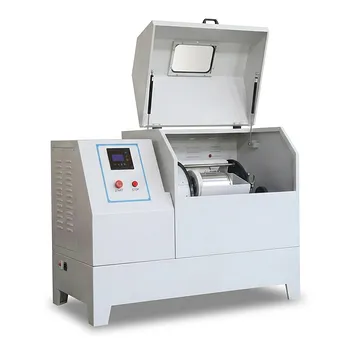
Heavy Duty Horizontal Planetary Ball Mill for Efficient Industrial Grinding and Sample Preparation
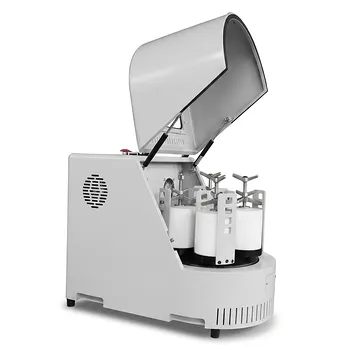
Vertical Semi Circular Planetary Ball Mill for Laboratory Precision Grinding
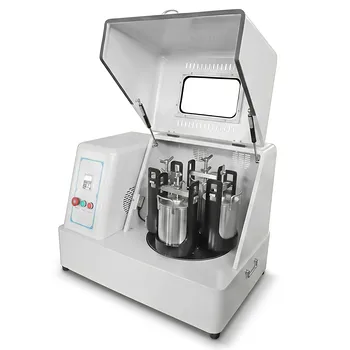
Vertical Square Planetary Ball Mill for Laboratory Sample Preparation and Nanoscale Grinding
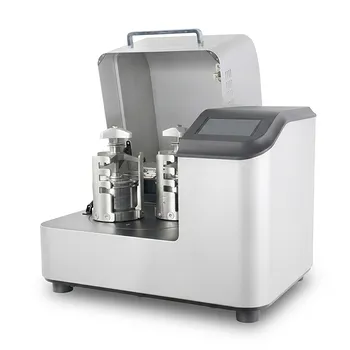
High Energy Planetary Ball Mill for Nano Scale Grinding and Mechanical Alloying

Vertical Production Planetary Ball Mill for High Throughput Powder Processing
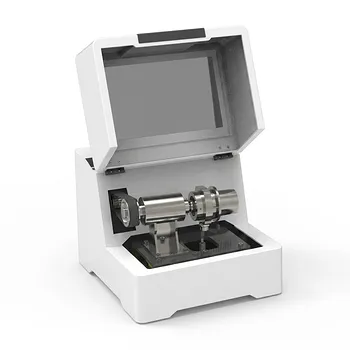
Single Tank High Energy Vibratory Ball Mill for Laboratory Grinding and Mixing
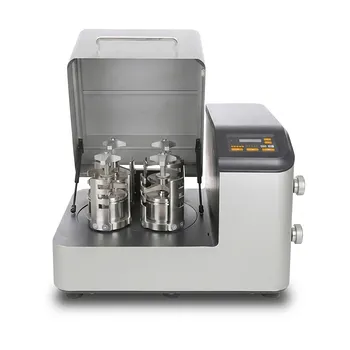
High Energy Planetary Ball Mill for Nano Scale Grinding and Colloidal Mixing in Material Science Research
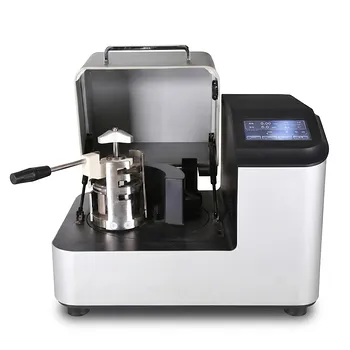
High Energy Laboratory Planetary Ball Mill for Nano Grinding and Material Science Sample Preparation
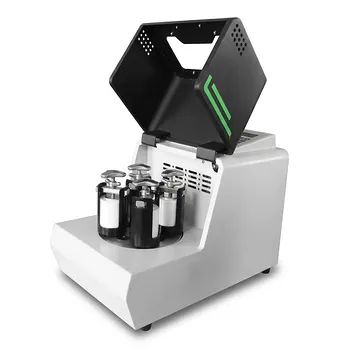
Miniature Planetary Ball Mill with Vacuum Grinding and High Efficiency for Laboratory Sample Preparation
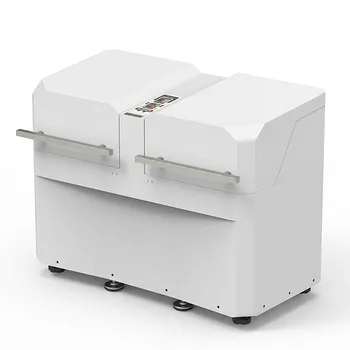
Dual Station Planetary Ball Mill 24L

360° Rotating Omnidirectional Laboratory Planetary Ball Mill for Homogeneous Ultra-Fine Grinding and Mixing
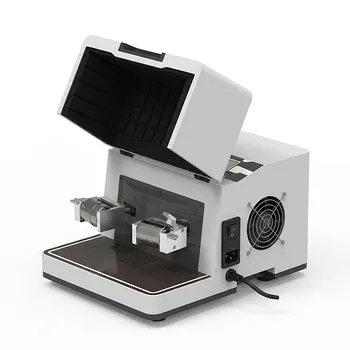
High Energy Hybrid Vibratory Ball Mill for Grinding Mixing and Cell Disruption
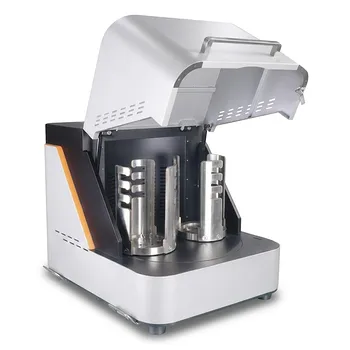
High Energy Laboratory Planetary Ball Mill for Nano Grinding and Colloidal Mixing of Hard and Brittle Materials
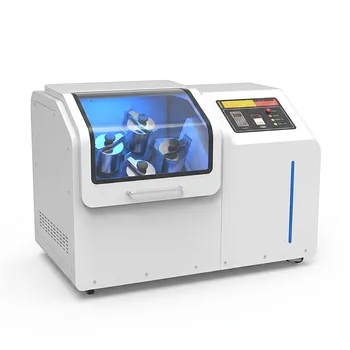
High Energy Omnidirectional Planetary Ball Mill 16L
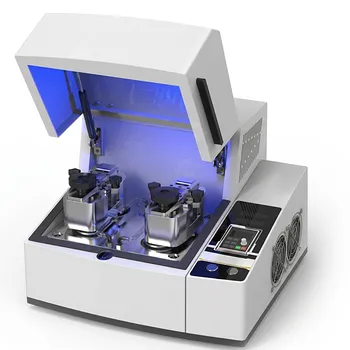
Laboratory Nano High Energy Ball Mill Ultrafine Grinding Mechanical Alloying
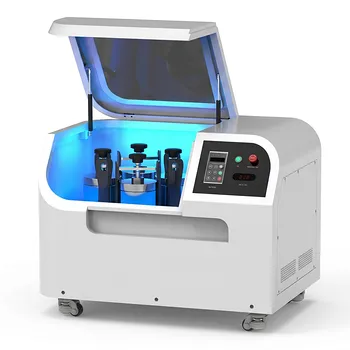
Planetary Ball Mill 12L
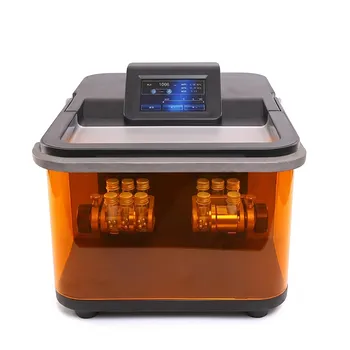
High Throughput Micro Ball Mill for Cryogenic Grinding and Laboratory Cell Disruption
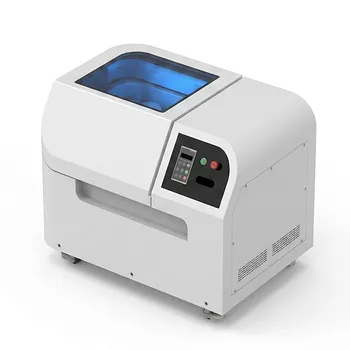
8L Planetary Ball Mill for Laboratory Grinding and Sample Preparation
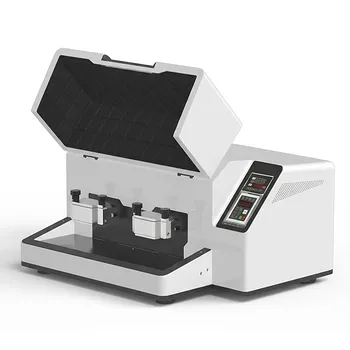
Nanoscale High-Energy Vibratory Ball Mill for Laboratory Sample Preparation, Mechanochemistry, and Mechanical Alloying