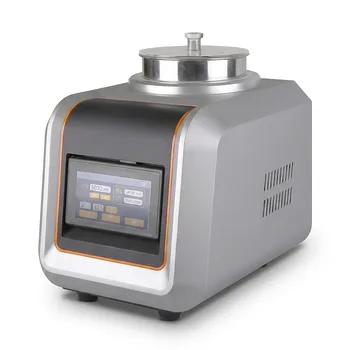
Why is an automatic vibratory sieve shaker essential for particle size distribution (PSD) analysis in mineral processing?
Updated 4 months ago
The automatic vibratory sieve shaker is the cornerstone of standardized particle size distribution (PSD) analysis in mineral processing. It utilizes mechanized, high-frequency vibration to physically classify ground ore through a stack of test sieves, providing the precise data necessary to calculate the 80% passing sizes (F80 and P80). These metrics are fundamental for evaluating grinding efficiency, determining mineral liberation, and calculating the energy consumption requirements of the comminution process.
An automatic vibratory sieve shaker replaces the inconsistency of manual sieving with standardized, repeatable mechanical vibration to ensure accurate particle classification. This precision is essential for calculating the P80 value, which serves as the primary metric for optimizing grinding circuits and ensuring mineral liberation.
Defining Efficiency Through Standardized Classification
High-Frequency Vibration and Stratification
The equipment uses controlled, high-frequency mechanical vibrations to ensure that ore particles flow and stratify effectively across multiple sieve levels. This motion forces particles to encounter sieve apertures repeatedly, ensuring that every grain smaller than the mesh size actually passes through.
Eliminating Human Operational Bias
Unlike manual sieving, an automated shaker provides consistent vibration time and amplitude, which eliminates variations caused by human fatigue or technique. This standardization ensures that the results are repeatable across different shifts and laboratories, which is critical for maintaining quality control.
Ensuring Thorough Penetration
Mechanized vibration ensures that the mineral powder fully penetrates each sieve level within a specifically set timeframe. This thoroughness is necessary to acquire accurate cumulative passing rate curves, which reflect the true uniformity and sorting degree of the material.
The Role of PSD in Comminution Optimization
Calculating Critical Passing Sizes (F80 and P80)
The primary output of the sieving process is the data required to calculate the F80 (feed size) and P80 (product size). These two parameters are the industry-standard benchmarks used to measure the performance of crushers and grinding mills.
Assessing Grinding Efficiency and Mineral Liberation
By analyzing the PSD, metallurgists can determine if the ore has been ground finely enough to "liberate" the valuable minerals from the surrounding waste rock (gangue). Accurate sieving prevents "over-grinding," which wastes energy and can make downstream recovery processes less efficient.
Verification of Industrial Fineness
In many mineral and biomass processes, the final powder must meet a specific fineness to be viable for downstream use, such as industrial combustion or chemical leaching. The vibratory shaker provides the physical verification that the material meets these strict industrial specifications.
Impact on Energy Consumption and Economic Viability
Input for Work Index Formulas
The P80 value derived from automatic sieving is a required input for Bond Work Index formulas, which calculate the power needed for comminution. Without precise sieving data, energy requirement estimates can be significantly flawed, leading to improperly sized equipment and higher operational costs.
Optimizing Flow Conductivity and Density
In specialized applications like proppant or aggregate analysis, precise PSD ensures optimal packing density and material flow. This consistency is vital for maintaining the structural integrity of concrete mixes or the conductivity of hydraulic fractures in oil and gas recovery.
Understanding the Trade-offs
The Risk of Sieve Blinding and Overloading
If too much material is placed on a sieve at once, particles can "blind" or clog the mesh, preventing smaller particles from passing through. This results in an inaccurate PSD that suggests the material is coarser than it actually is.
Maintenance and Calibration Requirements
While automatic shakers reduce human error, they require regular mechanical maintenance and sieve calibration to remain accurate. Worn-out mesh or drifting vibration frequencies can lead to systematic errors that compromise the entire comminution data set.
How to Apply This to Your Mining Operation
Selecting the Right Approach
- If your primary focus is energy optimization: Prioritize the acquisition of precise P80 data to accurately calibrate your Bond Work Index and reduce mill power draw.
- If your primary focus is recovery rates: Use frequent PSD analysis to identify the exact mineral liberation size, ensuring you aren't losing target minerals to the tailings due to coarse grinding.
- If your primary focus is laboratory throughput: Implement automated shakers with programmable timers to allow technicians to perform other tasks, increasing the number of samples processed per shift.
By integrating automatic vibratory sieving into your standard workflow, you ensure the technical data driving your plant's efficiency is both accurate and reproducible.
Summary Table:
| Key Feature | Functional Benefit | Operational Impact |
|---|---|---|
| High-Frequency Vibration | Ensures effective particle stratification | Accurate cumulative passing curves |
| Automated Timing | Eliminates human operational bias | Standardized, repeatable test results |
| Precision Sieve Stacking | Physical classification of ore | Reliable F80 and P80 data acquisition |
| Consistent Amplitude | Prevents sieve blinding/clogging | Optimized Bond Work Index calculations |
Optimize Your Mineral Processing Workflow with Precision Analysis
Achieving accurate particle size distribution (PSD) is the first step toward reducing energy costs and maximizing mineral recovery. At [Your Brand Name], we provide complete laboratory sample preparation solutions tailored for material science and mining excellence.
Our specialized equipment range is designed to handle the toughest powder processing and compaction challenges:
- Sieving & Classification: Vibratory and air-jet sieve shakers with high-precision test sieves and meshes.
- Size Reduction: Jaw and roll crushers, planetary ball mills, jet mills, and liquid nitrogen cryogenic grinders.
- Mixing & Compaction: Powder mixers, defoaming mixers, and a full spectrum of hydraulic presses, including Cold/Warm Isostatic Presses (CIP/WIP), vacuum hot presses, and XRF pellet presses.
Whether you are refining your Bond Work Index or ensuring optimal mineral liberation, our expert-grade tools deliver the reliability your lab needs.
Contact our technical team today to find the perfect equipment for your material analysis requirements!
References
- Nnaemeka Stanislaus Nzeh, A.P.I. Popoola. Grindability characterization and work index determination of alluvial ferro-columbite deposits for efficient mineral processing. DOI: 10.37190/ppmp/170297
Mentioned Products
- Vibratory Sieve Shaker Electromagnetic 3D Motion Powder Particle Size Analyzer for Dry and Wet Sieving
- Small Laboratory Vibratory Sieve Shaker for Powder Gradation and Particle Size Analysis
- Laboratory Dry and Wet Three Dimensional Vibratory Sieve Shaker for Particle Analysis
- Stainless Steel Laboratory Vibratory Test Sieve Shaker
- Heavy Duty Dry Three Dimensional Vibratory Sieve Shaker for Particle Separation
People Also Ask
- How does a vibratory sieve shaker contribute to optimizing the performance of activated carbon? Enhance Adsorption Precision
- Why is a laboratory vibratory sieve shaker necessary for processing magnesium-based borate precursor powders? Boost Activity
- Why use a vibratory sieve shaker to verify coarse aggregate grading in rubberized concrete? Ensure Structural Integrity
- What function do vibratory sieve shakers and standard test sieves serve in the preparation of adsorbents? Key Guide
- What role does a vibratory sieve shaker play in the particle size analysis of ground corn products? Enhance QC Precision

Tech Team · PowderPreparation
Last updated on Jun 03, 2026
Related Products
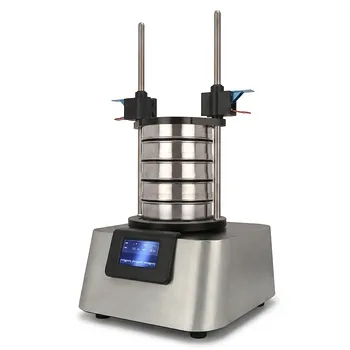
Vibratory Sieve Shaker Electromagnetic 3D Motion Powder Particle Size Analyzer for Dry and Wet Sieving
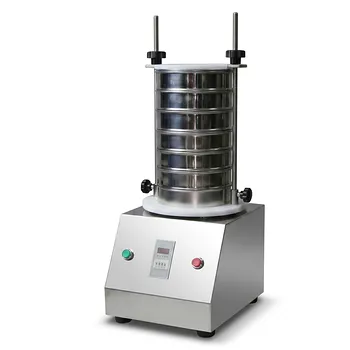
Small Laboratory Vibratory Sieve Shaker for Powder Gradation and Particle Size Analysis
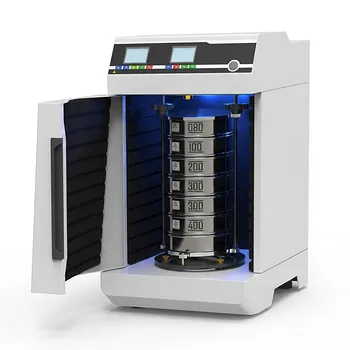
Laboratory Dry and Wet Three Dimensional Vibratory Sieve Shaker for Particle Analysis
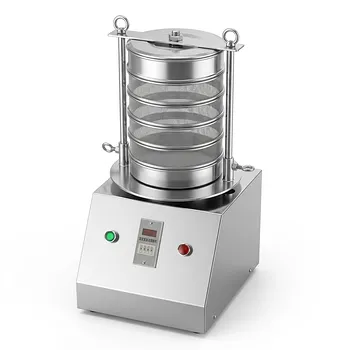
Stainless Steel Laboratory Vibratory Test Sieve Shaker
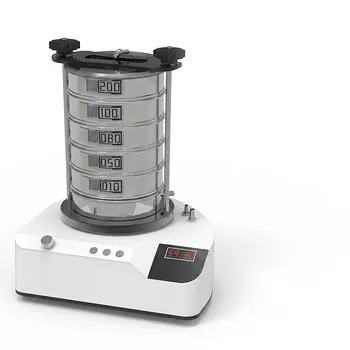
Heavy Duty Dry Three Dimensional Vibratory Sieve Shaker for Particle Separation
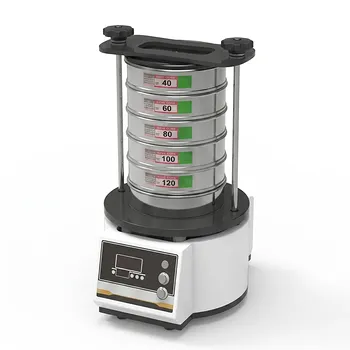
Dry Three Dimensional Vibratory Sieve Shaker
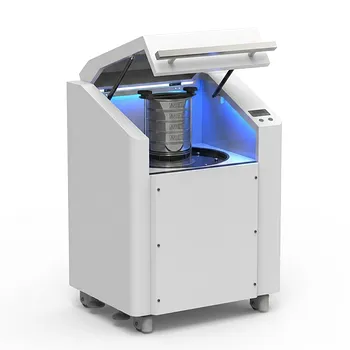
High Frequency Cabinet Type Three-Dimensional Rotary Vibrating Sieve Shaker for Dry Sieving and Particle Classification
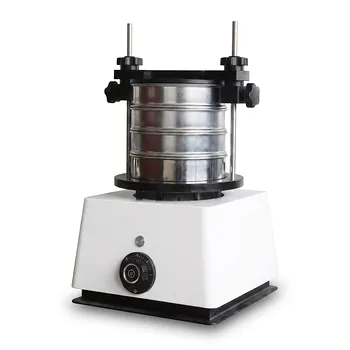
Small Laboratory Vibrating Sieve Shaker for Precise Particle Size Analysis
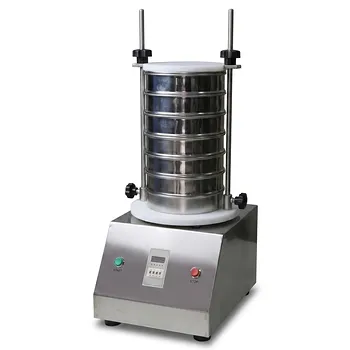
Laboratory Vibratory Test Sieve Shaker for Precision Particle Size Analysis and Powder Grading
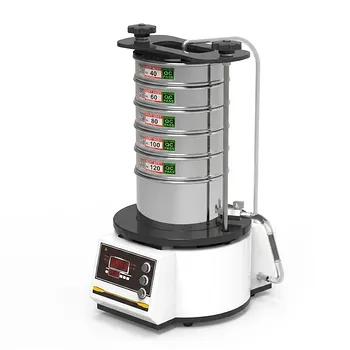
High Frequency Wet Three-Dimensional Vibrating Sieve Shaker for Dry and Wet Particle Size Analysis
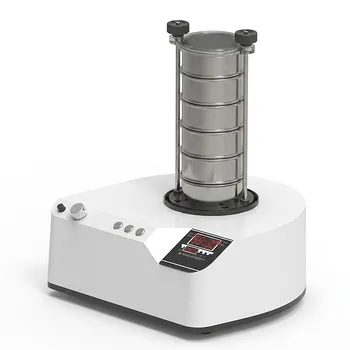
三维电磁微量振动筛分仪
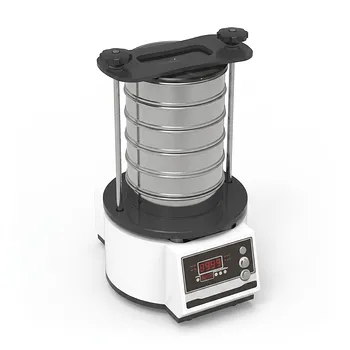
Tapping Oscillating Sieve Shaker for Dry and Wet Particle Size Analysis
Automatic Vibrating Powder Feeder for Laboratory Material Processing Precision Vibratory Hopper Feeder for Granular and Powder Material Handling Industrial Grade Vibrating Tray Feeder for Consistent Material Sample Preparation
Stainless Steel Rotary Vibrating Sieve High Precision Circular Vibratory Separator Industrial Powder Grading Machine Multi Layer Sifting Equipment
Three Dimensional Rotary Vibrating Sieve
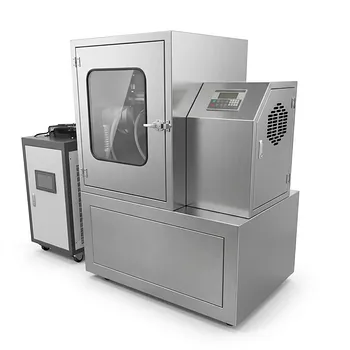
Vibratory Superfine Grinder for Ultra Fine Laboratory Powder Milling
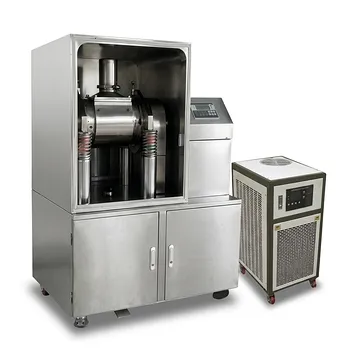
Small Vibrating Ultrafine Grinder for Traditional Chinese Medicine
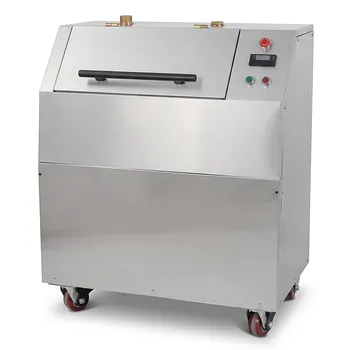
Vibratory Disc Mill for Rapid Fine Grinding and High Throughput Sample Preparation of Hard and Brittle Materials
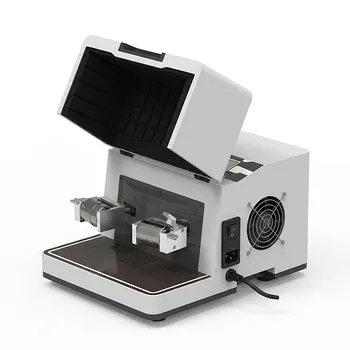
High Energy Hybrid Vibratory Ball Mill for Grinding Mixing and Cell Disruption