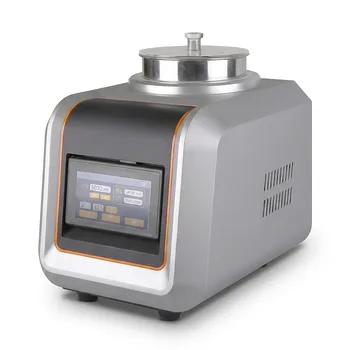
What role does a vibratory sieve shaker play in the particle size analysis of ground corn products? Enhance QC Precision
Updated 4 months ago
In the particle size analysis of ground corn products, a vibratory sieve shaker serves as the primary instrument for mechanical classification and quantitative distribution modeling.
By utilizing standardized high-frequency vibrations across a stack of graduated test sieves, the shaker automatically fractions corn particles—ranging from coarse grits to fine flour—into specific size intervals. This automated process yields the precise data required to calculate the geometric mean diameter (d50), determine fine powder content, and validate the accuracy of Population Balance Models (PBM) used in milling.
The vibratory sieve shaker replaces manual inconsistency with automated, reproducible separation. It provides the foundational data needed to correlate physical particle dimensions with critical functional outcomes, such as cooking stability and shelf-life.
Automated Mechanical Classification
Multi-Dimensional Particle Movement
The shaker generates high-frequency, three-dimensional vibrations that cause corn particles to continuously bounce and rearrange on the sieve surface.
This motion ensures that every particle has sufficient opportunity to encounter the mesh openings, allowing fine particles to pass through while larger fractions are retained.
Eliminating Manual Subjectivity
Unlike manual sieving, which is prone to human error and inconsistent force, the vibratory shaker maintains a constant frequency and duration.
This standardization is essential for achieving reproducible results across different batches of corn cob, leaf, or stalk samples, ensuring the data is scientifically valid.
Quantitative Data and Model Validation
Establishing Particle Size Distribution (PSD)
By precisely weighing the material residue left on each sieve layer after a cycle, technicians can establish a complete particle size distribution model.
This model quantifies the mass percentage of the sample across various aperture gradients, typically ranging from 2.00mm down to 0.075mm (200 mesh).
Benchmarking Process Accuracy
The data gathered is critical for calculating the geometric mean diameter (d50) and identifying the volume of ultra-fine powders.
These quantitative standards are used to validate the prediction accuracy of Population Balance Models (PBM), which help processors optimize grinding conditions and maintain strict quality control.
Linking Physical Size to Functional Quality
Impact on Surface Area and Chemical Stability
Particle size directly dictates the specific surface area of corn grits and flour.
In products like corn grits, precise sieving allows producers to correlate surface area with lipid oxidation rates, which is a key factor in determining the shelf-life and rancidity of the product.
Effects on Rheology and Gelatinization
For corn flour, the particle size distribution influences the Water Absorption Index (WAI) and gelatinization stability.
The shaker ensures the flour meets specific fineness standards required for consistent results when the product is prepared as either thick or thin porridge.
Understanding the Trade-offs
The Risk of Sample Overloading
While vibratory shakers are highly efficient, overloading the sieves can lead to "blinding," where particles bridge the mesh and prevent fines from passing through. This results in an inaccurate shift in the distribution curve toward the coarser end.
Material Moisture Sensitivity
The effectiveness of a vibratory shaker is highly dependent on the moisture content of the corn product. Excessive moisture can cause particles to clump or stick to the stainless steel mesh, requiring specialized anti-blinding aids or dry-air environments to maintain accuracy.
How to Apply This to Your Quality Control Process
Making the Right Choice for Your Goal
- If your primary focus is process optimization: Use the shaker data to calculate d50 and validate your Population Balance Models to reduce energy waste during milling.
- If your primary focus is shelf-life and stability: Monitor the specific surface area of corn grits to manage lipid oxidation and prevent premature spoilage.
- If your primary focus is food texture and consistency: Focus on the fine powder content to ensure the Water Absorption Index (WAI) remains within the target range for gelatinization.
Standardizing your sieving process through vibratory automation is the most reliable way to transform raw corn samples into actionable technical data.
Summary Table:
| Key Feature | Analytical Role | Industry Benefit |
|---|---|---|
| 3D Vibration | Automated classification | Eliminates manual error & subjectivity |
| PSD Modeling | Calculates d50 & distribution | Validates milling & PBM accuracy |
| Surface Area Analysis | Correlates size to oxidation | Predicts and extends product shelf-life |
| Fineness Control | Monitors powder content | Ensures consistent texture & gelatinization |
Optimize Your Material Analysis with Professional Laboratory Solutions
Achieve unparalleled precision in your research and quality control with our complete laboratory sample preparation solutions. Specializing in powder processing and compaction equipment, we provide the tools necessary for rigorous material science analysis.
Our extensive product line includes:
- Sieving & Classification: High-precision vibratory and air-jet sieve shakers with a full range of test sieves.
- Milling & Grinding: Planetary ball mills, jet mills, and cryogenic grinders for ultra-fine particle reduction.
- Compaction & Pressing: A full spectrum of hydraulic presses, including Cold/Warm Isostatic Presses (CIP/WIP), vacuum hot presses, and XRF pellet presses.
Whether you are optimizing corn milling processes or developing advanced materials, our expertise ensures you have the right equipment for reproducible, scientific results.
Ready to enhance your lab's capabilities? Contact our experts today for a tailored consultation!
References
- B. Kengne, Ali Ahmed. Performance Multicriteria Optimization of Locally Fabricated Hammer Mill using Population Balance Model. DOI: 10.38177/ajast.2023.7308
Mentioned Products
- Vibratory Sieve Shaker Electromagnetic 3D Motion Powder Particle Size Analyzer for Dry and Wet Sieving
- Laboratory Dry and Wet Three Dimensional Vibratory Sieve Shaker for Particle Analysis
- Stainless Steel Laboratory Vibratory Test Sieve Shaker
- Heavy Duty Dry Three Dimensional Vibratory Sieve Shaker for Particle Separation
- Dry Three Dimensional Vibratory Sieve Shaker
People Also Ask
- How does a vibratory sieve shaker contribute to optimizing the performance of activated carbon? Enhance Adsorption Precision
- Why is a laboratory vibratory sieve shaker necessary for processing magnesium-based borate precursor powders? Boost Activity
- Why use a vibratory sieve shaker to verify coarse aggregate grading in rubberized concrete? Ensure Structural Integrity
- What function do vibratory sieve shakers and standard test sieves serve in the preparation of adsorbents? Key Guide
- What are the key functions of a vibratory sieve shaker in lightweight mortar production? Ensure Stability & Gradation

Tech Team · PowderPreparation
Last updated on May 14, 2026
Related Products
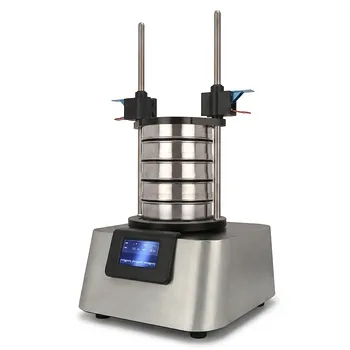
Vibratory Sieve Shaker Electromagnetic 3D Motion Powder Particle Size Analyzer for Dry and Wet Sieving
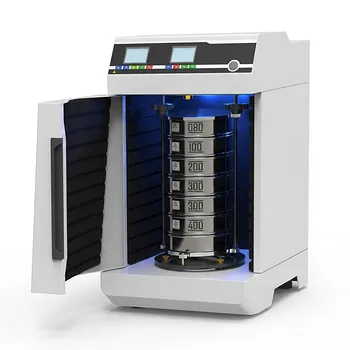
Laboratory Dry and Wet Three Dimensional Vibratory Sieve Shaker for Particle Analysis
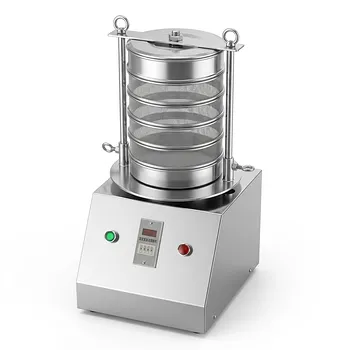
Stainless Steel Laboratory Vibratory Test Sieve Shaker
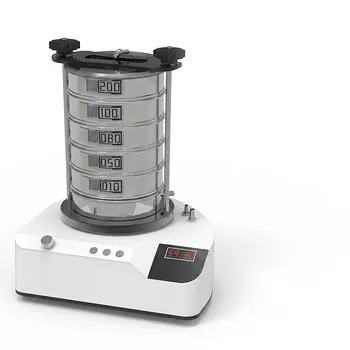
Heavy Duty Dry Three Dimensional Vibratory Sieve Shaker for Particle Separation
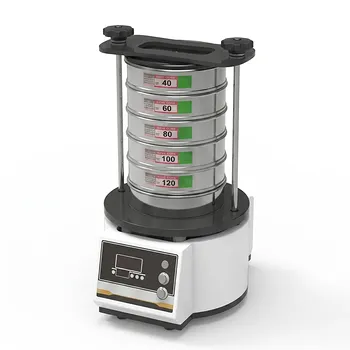
Dry Three Dimensional Vibratory Sieve Shaker
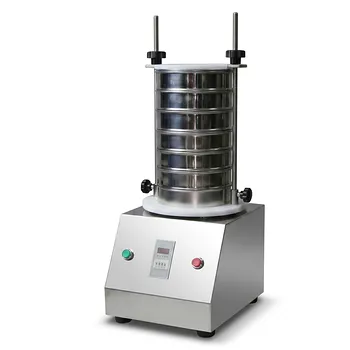
Small Laboratory Vibratory Sieve Shaker for Powder Gradation and Particle Size Analysis
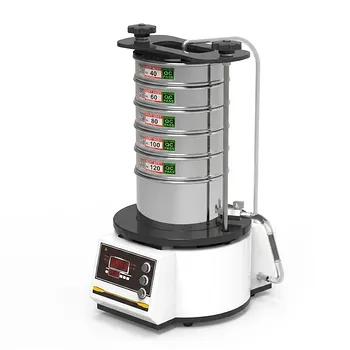
High Frequency Wet Three-Dimensional Vibrating Sieve Shaker for Dry and Wet Particle Size Analysis
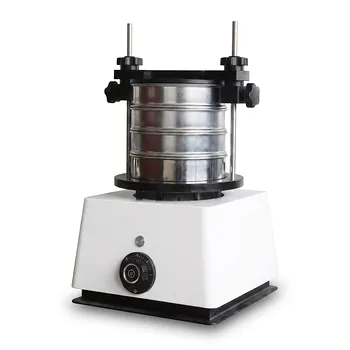
Small Laboratory Vibrating Sieve Shaker for Precise Particle Size Analysis
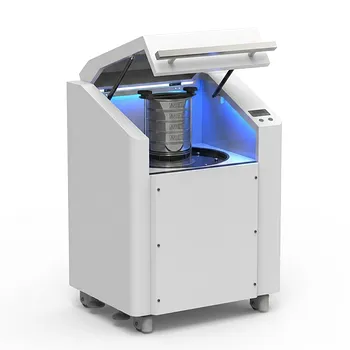
High Frequency Cabinet Type Three-Dimensional Rotary Vibrating Sieve Shaker for Dry Sieving and Particle Classification
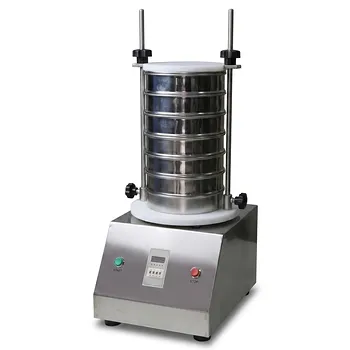
Laboratory Vibratory Test Sieve Shaker for Precision Particle Size Analysis and Powder Grading
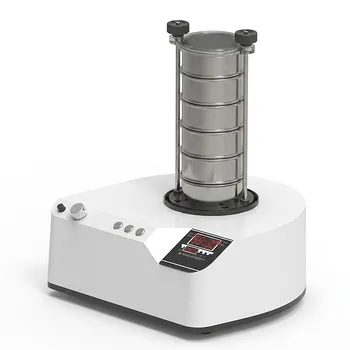
三维电磁微量振动筛分仪
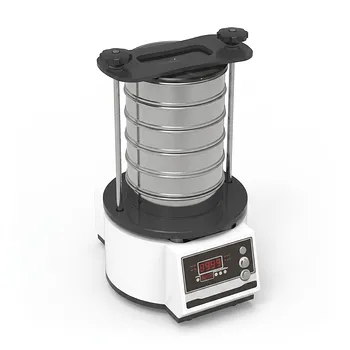
Tapping Oscillating Sieve Shaker for Dry and Wet Particle Size Analysis
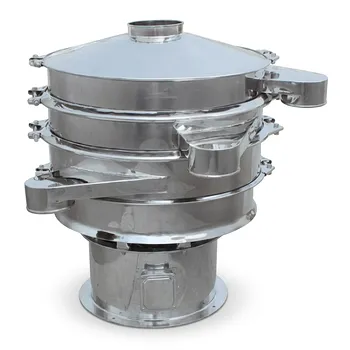
Stainless Steel Rotary Vibrating Sieve High Precision Circular Vibratory Separator Industrial Powder Grading Machine Multi Layer Sifting Equipment
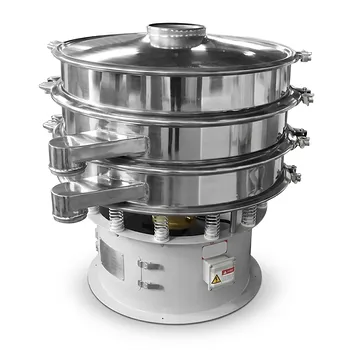
Three Dimensional Rotary Vibrating Sieve
Small Vibrating Ultrafine Grinder for Traditional Chinese Medicine
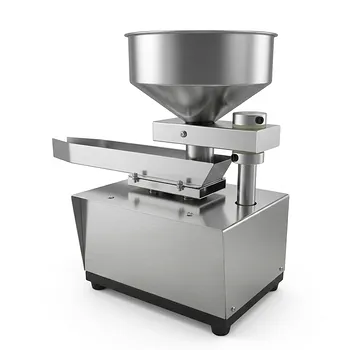
Automatic Vibrating Powder Feeder for Laboratory Material Processing Precision Vibratory Hopper Feeder for Granular and Powder Material Handling Industrial Grade Vibrating Tray Feeder for Consistent Material Sample Preparation
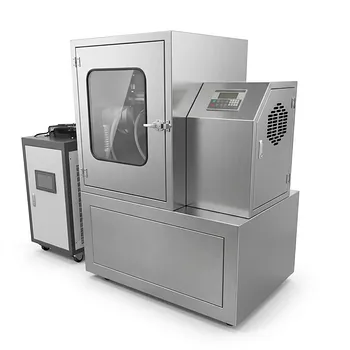
Vibratory Superfine Grinder for Ultra Fine Laboratory Powder Milling
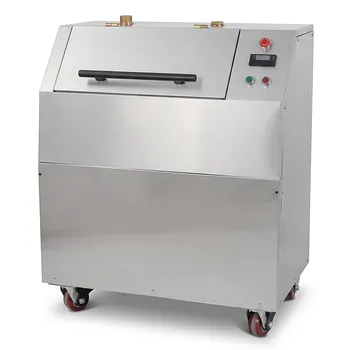
Vibratory Disc Mill for Rapid Fine Grinding and High Throughput Sample Preparation of Hard and Brittle Materials