Why use a vibratory sieve shaker to verify coarse aggregate grading in rubberized concrete? Ensure Structural Integrity
Updated 5 months ago
Achieving consistent grading in coarse aggregates is the prerequisite for structural integrity in rubberized concrete. A vibratory sieve shaker allows for the precise verification of particle size distribution, ensuring that crushed stone aggregates comply with standards such as ASTM C33. This process establishes a stable mineral skeleton, which serves as the essential physical foundation for maintaining concrete strength and packing density before the introduction of rubber chips.
The Central Takeaway: Utilizing a vibratory sieve shaker ensures a standardized aggregate skeleton that minimizes void ratios and optimizes packing density. This foundation is critical to compensate for the inherent reduction in structural strength caused by the addition of elastic rubber particles.
Establishing a Stable Mineral Skeleton
Compliance with Industry Standards
The primary use of a vibratory sieve shaker is to ensure that raw stone aggregates meet specific grading requirements like ASTM C33. By confirming the grading is correct, engineers ensure the matrix material is capable of supporting the intended structural loads.
Providing a Physical Foundation
Rubberized concrete relies on a "mineral skeleton" of stone to maintain its shape and strength. Accurate sieving ensures this skeleton is robust enough to provide basic concrete strength even after a portion of the aggregate is replaced by rubber chips.
Defining the Geometric Proportions
A sieve shaker identifies the passing rates of various particle sizes, distinguishing between fine aggregates (below 4.76 mm) and coarse aggregates. This distinction is vital for calculating the correct proportions of sand and stone to ensure the final material is dense and hardened properly.
Maximizing Packing Density and Performance
Reducing Cement Paste Demand
Proper aggregate grading allows smaller stone particles to fill the gaps between larger ones. This continuous classification increases the packing density, which effectively reduces the amount of expensive cement paste required to coat the particles and fill voids.
Improving Concrete Durability
By using a sieve shaker to calculate the coefficient of uniformity (Cu) and the coefficient of curvature (Cc), engineers can ensure a well-graded mixture. Well-graded aggregates minimize porosity, which is essential for enhancing the long-term durability of the concrete against environmental factors.
Limiting Thermal Shrinkage
High packing density, verified through precise sieving, helps limit the thermal shrinkage of the cement matrix. This is particularly important in high-temperature environments, as it preserves the microstructural integrity of the concrete after heat exposure.
Enhancing Research and Material Consistency
Standardizing Wear Resistance Results
For tests like the Los Angeles Abrasion test, aggregates must be selected according to strict size standards, such as material passing a 3/4 inch sieve but retained on a 1/2 inch sieve. The vibratory sieve shaker provides the efficient screening necessary to make these results comparable across different samples.
Analyzing the Interfacial Transition Zone (ITZ)
Accurate classification of stone grades allows researchers to study how different aggregate sizes affect the Interfacial Transition Zone (ITZ). This zone is the weakest part of the concrete, and controlling aggregate size is the only way to standardize research on its behavior.
Ensuring Mix Flowability
The particle size distribution directly impacts the workability and flowability of the fresh concrete mixture. Vibratory sieving ensures that the aggregate grading curve is consistent, preventing issues like segregation or poor pumpability during construction.
Understanding the Trade-offs and Limitations
The Risk of Sieve Overloading
While vibratory shakers are efficient, overloading the sieves with too much material at once can lead to "blinding," where particles get stuck and prevent others from passing. This results in inaccurate grading data and requires careful monitoring of sample sizes.
Material Shape vs. Sieve Aperture
Sieve analysis primarily measures the smallest cross-section of an aggregate particle. It does not account for the length of elongated or flaky particles, which can sometimes pass through a mesh but still negatively impact the packing density and workability of the concrete.
Mechanical Wear and Calibration
Vibratory shakers and sieves are subject to significant mechanical stress. Frequent use can cause sieve mesh to stretch or tear, necessitating regular calibration and inspection to ensure that the grading data remains reliable over time.
How to Apply Grading Verification to Your Project
To ensure your rubberized concrete meets performance specifications, follow these guidelines based on your project goals:
- If your primary focus is Maximum Structural Strength: Use the sieve shaker to achieve a continuous grading curve that minimizes the void ratio, providing the strongest possible mineral skeleton.
- If your primary focus is Cost Efficiency: Optimize your packing density through precise sieving to reduce the volume of cement paste required in the mix design.
- If your primary focus is Research and Testing: Ensure all aggregate samples are screened using the same vibratory settings to maintain consistency across comparative tests like LA Abrasion or ITZ analysis.
- If your primary focus is Workability: Verify that the ratio of fine to coarse aggregates is strictly controlled to maintain the desired flowability during the pouring process.
A precisely verified aggregate grading is the invisible framework that determines whether rubberized concrete succeeds as a structural material.
Summary Table:
| Key Benefit | Impact on Rubberized Concrete |
|---|---|
| Mineral Skeleton | Establishes a stable physical foundation to support structural loads. |
| Packing Density | Fills voids efficiently, reducing the volume of expensive cement paste. |
| ASTM C33 Compliance | Ensures aggregates meet industry standards for size and distribution. |
| ITZ Optimization | Allows precise study and control of the Interfacial Transition Zone. |
| Workability | Prevents segregation and ensures consistent flow during the pouring process. |
| Durability | Minimizes porosity and thermal shrinkage for long-term performance. |
Optimize Your Material Research with Laboratory Precision
At [Brand Name], we provide complete laboratory sample preparation solutions tailored for material science. We specialize in high-performance powder processing and compaction equipment designed to ensure the structural integrity of your projects, from rubberized concrete to advanced composites.
Our extensive product lines include:
- Sieving & Analysis: Professional vibratory and air-jet sieve shakers with a wide range of test sieves and meshes.
- Size Reduction: Jaw and roll crushers, liquid nitrogen cryogenic grinders, and various mills (planetary ball, jet, sand, disc, and rotor).
- Powder Compaction: A full spectrum of hydraulic presses, including Cold/Warm Isostatic Presses (CIP/WIP), XRF pellet presses, and vacuum hot presses.
- Mixing Solutions: High-efficiency powder mixers and vacuum defoaming mixers.
Whether you are a researcher aiming for repeatable results or a distributor seeking reliable OEM/ODM support and certified equipment, we bring the expertise and tools you need to succeed.
Ready to enhance your lab's capabilities? Contact us today to get a custom solution!
References
- Md. Roknuzzaman. Influence of Tire Chip Size on The Behavior of Rubberized Concrete. DOI: 10.36937/cebel.2021.003.004
Mentioned Products
- Vibratory Sieve Shaker Electromagnetic 3D Motion Powder Particle Size Analyzer for Dry and Wet Sieving
- Laboratory Dry and Wet Three Dimensional Vibratory Sieve Shaker for Particle Analysis
- Stainless Steel Laboratory Vibratory Test Sieve Shaker
- Heavy Duty Dry Three Dimensional Vibratory Sieve Shaker for Particle Separation
- Dry Three Dimensional Vibratory Sieve Shaker
People Also Ask
- How does a vibratory sieve shaker contribute to optimizing the performance of activated carbon? Enhance Adsorption Precision
- Why is a laboratory vibratory sieve shaker necessary for processing magnesium-based borate precursor powders? Boost Activity
- What function do vibratory sieve shakers and standard test sieves serve in the preparation of adsorbents? Key Guide
- What role does a vibratory sieve shaker play in the particle size analysis of ground corn products? Enhance QC Precision
- What are the key functions of a vibratory sieve shaker in lightweight mortar production? Ensure Stability & Gradation

Tech Team · PowderPreparation
Last updated on May 14, 2026
Related Products
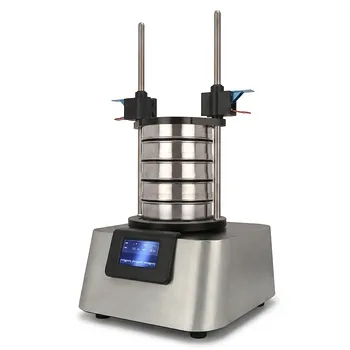
Vibratory Sieve Shaker Electromagnetic 3D Motion Powder Particle Size Analyzer for Dry and Wet Sieving
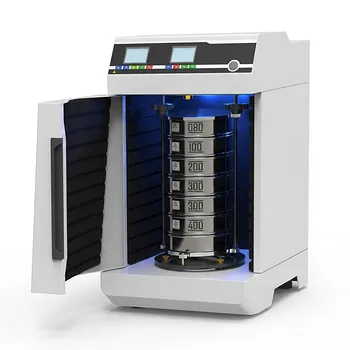
Laboratory Dry and Wet Three Dimensional Vibratory Sieve Shaker for Particle Analysis
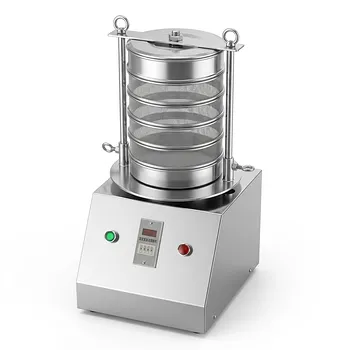
Stainless Steel Laboratory Vibratory Test Sieve Shaker
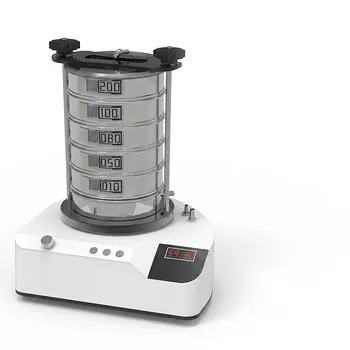
Heavy Duty Dry Three Dimensional Vibratory Sieve Shaker for Particle Separation
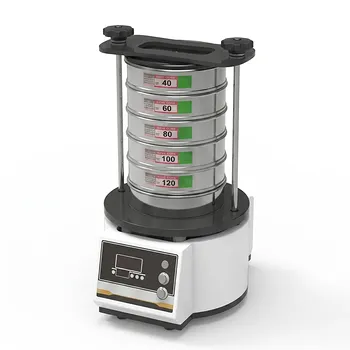
Dry Three Dimensional Vibratory Sieve Shaker
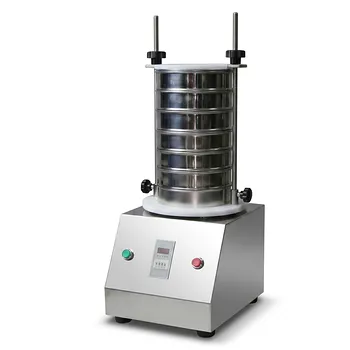
Small Laboratory Vibratory Sieve Shaker for Powder Gradation and Particle Size Analysis
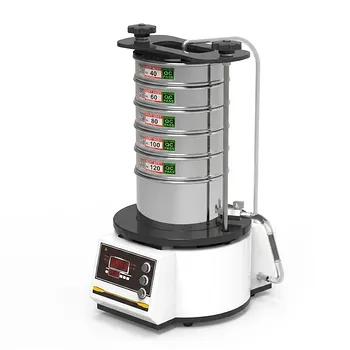
High Frequency Wet Three-Dimensional Vibrating Sieve Shaker for Dry and Wet Particle Size Analysis
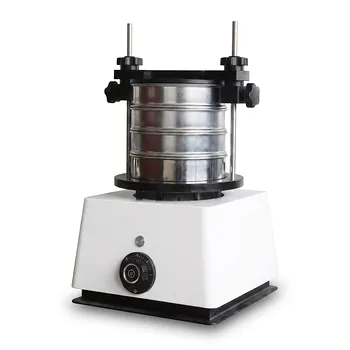
Small Laboratory Vibrating Sieve Shaker for Precise Particle Size Analysis
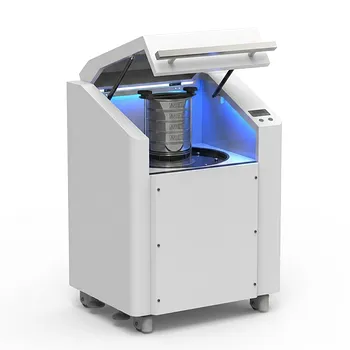
High Frequency Cabinet Type Three-Dimensional Rotary Vibrating Sieve Shaker for Dry Sieving and Particle Classification
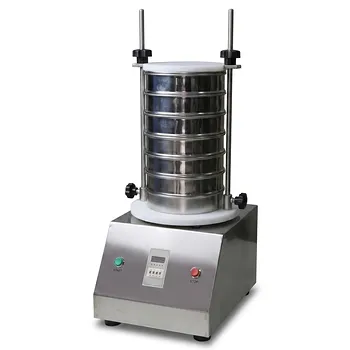
Laboratory Vibratory Test Sieve Shaker for Precision Particle Size Analysis and Powder Grading
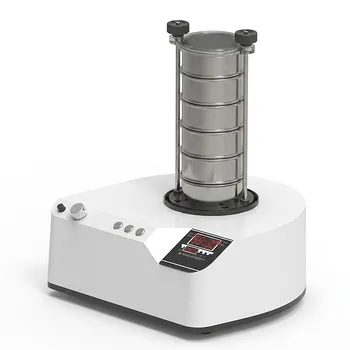
三维电磁微量振动筛分仪
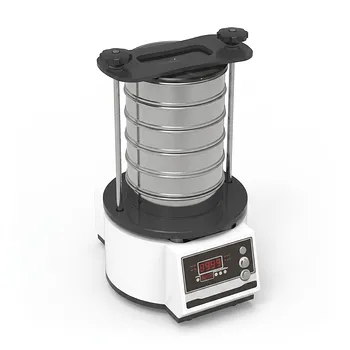
Tapping Oscillating Sieve Shaker for Dry and Wet Particle Size Analysis
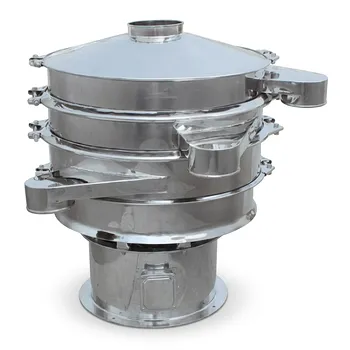
Stainless Steel Rotary Vibrating Sieve High Precision Circular Vibratory Separator Industrial Powder Grading Machine Multi Layer Sifting Equipment
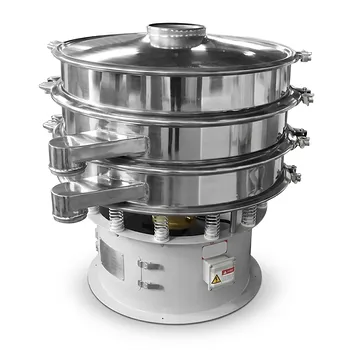
Three Dimensional Rotary Vibrating Sieve
Small Vibrating Ultrafine Grinder for Traditional Chinese Medicine
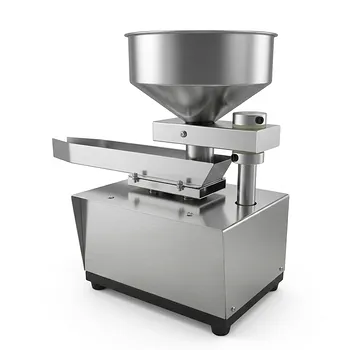
Automatic Vibrating Powder Feeder for Laboratory Material Processing Precision Vibratory Hopper Feeder for Granular and Powder Material Handling Industrial Grade Vibrating Tray Feeder for Consistent Material Sample Preparation
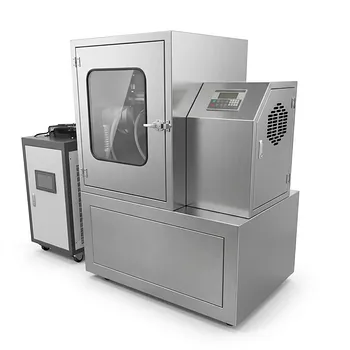
Vibratory Superfine Grinder for Ultra Fine Laboratory Powder Milling
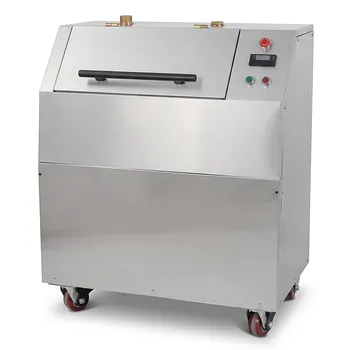
Vibratory Disc Mill for Rapid Fine Grinding and High Throughput Sample Preparation of Hard and Brittle Materials