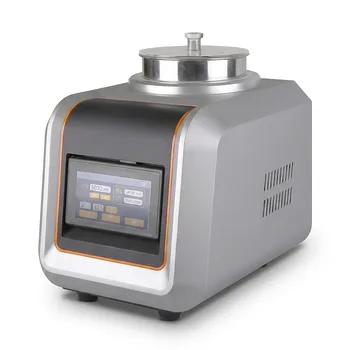
Why is a laboratory vibratory sieve shaker necessary for processing magnesium-based borate precursor powders? Boost Activity
Updated 5 months ago
Precision particle size control is the foundational requirement for synthesized chemical precursors. In the processing of magnesium-based borate powders, a laboratory vibratory sieve shaker is necessary to isolate particles below the 75-micrometer threshold. This mechanical classification maximizes the specific surface area of the reactants, directly increasing their chemical activity and ensuring higher conversion rates during subsequent hydrothermal or sonochemical reactions.
The vibratory sieve shaker acts as a critical quality control gate that ensures magnesium-based borate precursors possess the high surface-to-volume ratio necessary for efficient dissolution. By eliminating oversized particles and agglomerates, the equipment guarantees a uniform reaction environment that produces high-purity crystalline structures.
Enhancing Chemical Activity and Conversion
Maximizing Specific Surface Area
The primary role of the sieve shaker is to reduce the raw ground material to a fine, uniform powder typically below 75 micrometers. By doing so, it significantly increases the specific surface area available for chemical interaction.
This increased exposure allows reactants to interact more aggressively with solvents. Consequently, this leads to enhanced dissolution efficiency and higher chemical activity in hydrothermal environments.
Achieving Efficiency at Lower Temperatures
Refining the particle size through vibratory sieving allows for higher conversion rates without the need for extreme heat. Because the particles are smaller and more active, the energy barrier for the reaction is effectively lowered.
This efficiency permits the synthesis of magnesium borate at lower reaction temperatures. This not only saves energy but also protects the integrity of sensitive chemical phases.
Ensuring Structural Purity and Consistency
Promoting Phase Purity and Crystallinity
A narrow particle size distribution is essential for obtaining specific magnesium borate types, such as priceite or mcallisterite. The uniformity provided by the shaker ensures that the entire batch reacts at a consistent rate.
This consistency results in products with higher phase purity and superior crystallinity. Without this control, variance in particle size can lead to incomplete reactions or the formation of unwanted secondary phases.
Improving Sonochemical Reaction Efficiency
In processes involving acoustic cavitation, such as sonochemical synthesis, the fineness of the boron source powder is a determining factor in success. Consistent particle sizes allow the acoustic energy to distribute evenly throughout the precursor.
This ensures that the cavitation effects are uniform across the material. The result is a more predictable and repeatable manufacturing process for nano-scale reinforcements.
Optimizing Material Physical Properties
Removing Agglomerates and Coarse Fractions
During ball milling or pulverization, powders often form agglomerates or contain "outlier" coarse particles. The vibratory sieve shaker mechanically removes these components to ensure they do not interfere with downstream molding or sintering.
Removing these large-diameter components is critical for maintaining surface smoothness in the final product. It prevents surface extrusion problems and internal defects that can compromise the structural integrity of the material.
Improving Packing Density and Fluidity
Strict particle size classification ensures that the material entering the molding stage has optimal packing density. When particles are sized correctly, they fill voids more effectively, leading to a more consistent "green body."
This improved fluidity and density consistency reduces the risk of defects during the final sintering process. It ensures that the final refractory or ceramic product meets strict industrial specifications.
Understanding the Trade-offs
Sieve Blinding and Maintenance
A common challenge with vibratory sieving is sieve blinding, where fine particles become lodged in the mesh openings. This can reduce the efficiency of the classification process and lead to inaccurate sizing if the sieves are not cleaned regularly.
Processing Time vs. Precision
Achieving a extremely narrow particle size distribution requires longer vibration times and smaller batch sizes. There is a constant balance between the throughput speed of the laboratory and the precision of the classification required for the experiment.
Mechanical Wear and Calibration
The high-frequency vibrations necessary for effective separation can cause wear on the wire mesh over time. To maintain objectivity and reproducibility in research, sieves must be periodically inspected and calibrated against standard reference materials.
How to Apply This to Your Project
Recommendations for Implementation
To achieve the best results with magnesium-based borate precursors, the use of the sieve shaker should be tailored to the specific end-goal of the material.
- If your primary focus is high chemical purity: Use a 75-micrometer (or finer) mesh to maximize surface area and ensure all reactants reach full conversion during hydrothermal treatment.
- If your primary focus is structural density: Focus on removing all agglomerates post-milling to ensure the powder achieves the highest possible packing density during the molding stage.
- If your primary focus is experimental reproducibility: Utilize a standardized vibration amplitude (between 1.5mm and 3.0mm) and a fixed time duration to eliminate particle size variance as a variable.
Mastering particle size classification through vibratory sieving is the most effective way to guarantee the chemical reactivity and structural integrity of magnesium-based borate products.
Summary Table:
| Key Benefit | Impact on Magnesium-Based Borates | Advantage |
|---|---|---|
| Particle Size Control | Isolates particles below 75 micrometers | Maximizes specific surface area and chemical activity |
| Phase Purity | Ensures uniform reaction rates for priceite/mcallisterite | Superior crystallinity and fewer unwanted secondary phases |
| Agglomerate Removal | Eliminates coarse fractions and "outliers" | Prevents internal defects and improves surface smoothness |
| Optimal Packing | Enhances fluidity and density consistency | Reduces defects during molding and final sintering stages |
Elevate Your Material Synthesis with Precision Lab Solutions
Achieving superior crystallinity and chemical reactivity in magnesium-based borate powders requires more than just high-quality precursors—it demands precise mechanical classification and compaction.
As experts in material science laboratory solutions, we provide everything you need to optimize your sample preparation workflow. Our specialized equipment includes:
- Powder Processing: High-performance vibratory and air-jet sieve shakers, planetary ball mills, jet mills, and cryogenic grinders.
- Advanced Compaction: A full spectrum of hydraulic presses, including Cold/Warm Isostatic Presses (CIP/WIP), vacuum hot presses, and XRF pellet presses.
- Homogenization: Powder mixers and defoaming mixers for consistent batch quality.
Whether you are a researcher focused on high-purity synthesis or a distributor seeking reliable OEM/ODM support, our tools ensure maximum efficiency and reproducible results.
Ready to optimize your powder processing? Contact us today to find your perfect solution!
References
- Aycin Kaplan, Sabriye Pişkin. A low-temperature, environment-friendly approach to the synthesis of magnesium borates using magnesium waste scraps. DOI: 10.1515/mgmc-2015-0004
Mentioned Products
- Vibratory Sieve Shaker Electromagnetic 3D Motion Powder Particle Size Analyzer for Dry and Wet Sieving
- Laboratory Dry and Wet Three Dimensional Vibratory Sieve Shaker for Particle Analysis
- Stainless Steel Laboratory Vibratory Test Sieve Shaker
- Heavy Duty Dry Three Dimensional Vibratory Sieve Shaker for Particle Separation
- Dry Three Dimensional Vibratory Sieve Shaker
People Also Ask
- How does a vibratory sieve shaker contribute to optimizing the performance of activated carbon? Enhance Adsorption Precision
- Why use a vibratory sieve shaker to verify coarse aggregate grading in rubberized concrete? Ensure Structural Integrity
- What function do vibratory sieve shakers and standard test sieves serve in the preparation of adsorbents? Key Guide
- What role does a vibratory sieve shaker play in the particle size analysis of ground corn products? Enhance QC Precision
- What are the key functions of a vibratory sieve shaker in lightweight mortar production? Ensure Stability & Gradation

Tech Team · PowderPreparation
Last updated on May 14, 2026
Related Products
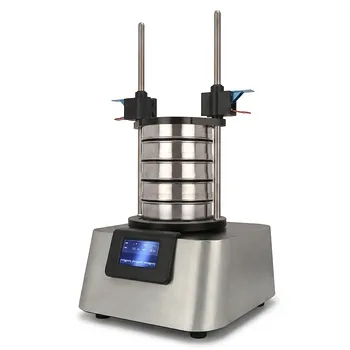
Vibratory Sieve Shaker Electromagnetic 3D Motion Powder Particle Size Analyzer for Dry and Wet Sieving
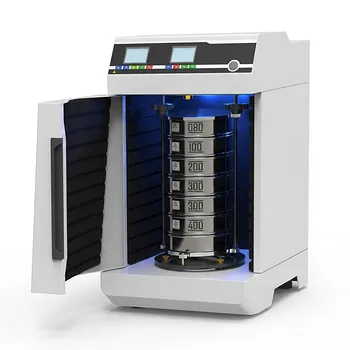
Laboratory Dry and Wet Three Dimensional Vibratory Sieve Shaker for Particle Analysis
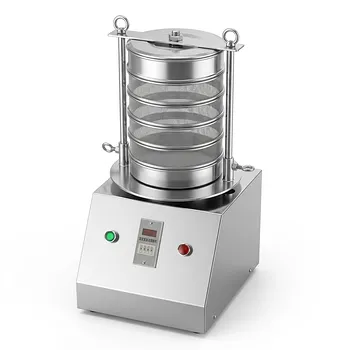
Stainless Steel Laboratory Vibratory Test Sieve Shaker
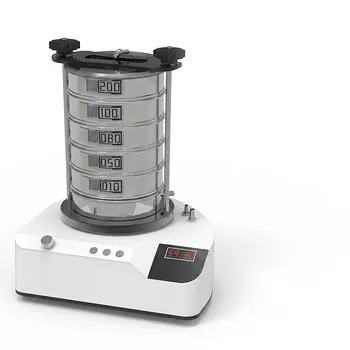
Heavy Duty Dry Three Dimensional Vibratory Sieve Shaker for Particle Separation
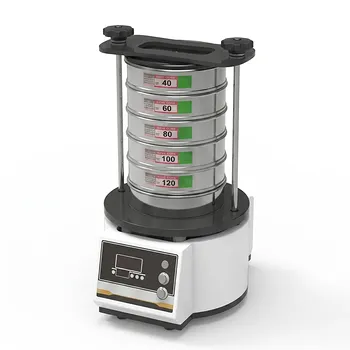
Dry Three Dimensional Vibratory Sieve Shaker
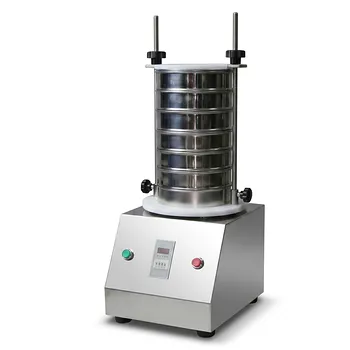
Small Laboratory Vibratory Sieve Shaker for Powder Gradation and Particle Size Analysis
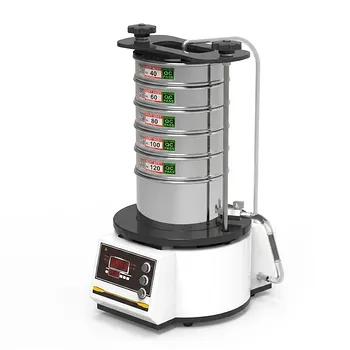
High Frequency Wet Three-Dimensional Vibrating Sieve Shaker for Dry and Wet Particle Size Analysis
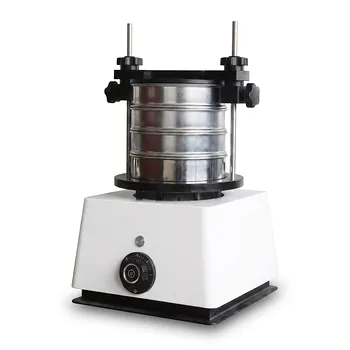
Small Laboratory Vibrating Sieve Shaker for Precise Particle Size Analysis
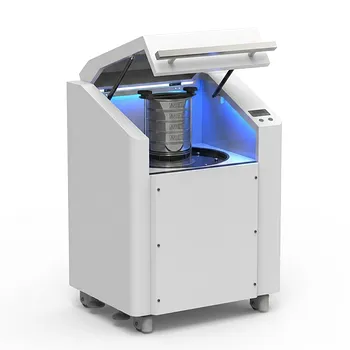
High Frequency Cabinet Type Three-Dimensional Rotary Vibrating Sieve Shaker for Dry Sieving and Particle Classification
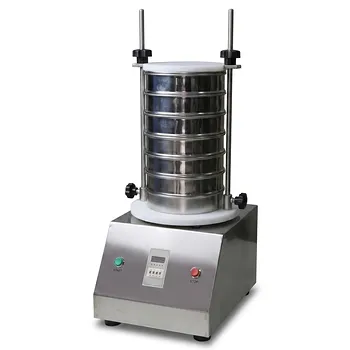
Laboratory Vibratory Test Sieve Shaker for Precision Particle Size Analysis and Powder Grading
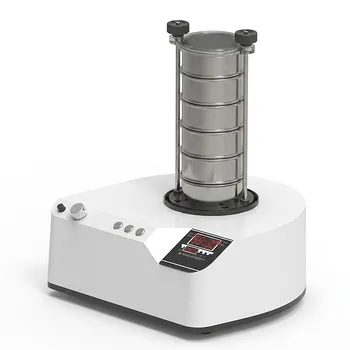
三维电磁微量振动筛分仪
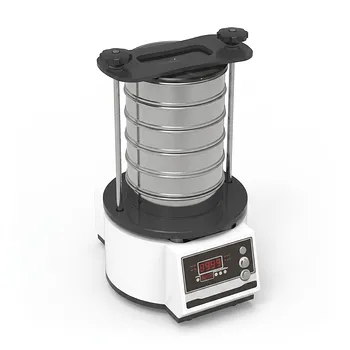
Tapping Oscillating Sieve Shaker for Dry and Wet Particle Size Analysis
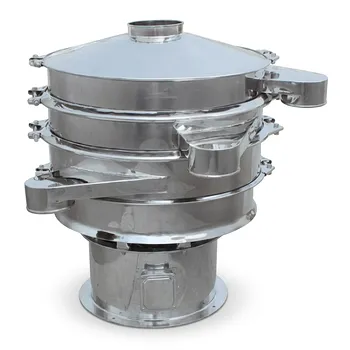
Stainless Steel Rotary Vibrating Sieve High Precision Circular Vibratory Separator Industrial Powder Grading Machine Multi Layer Sifting Equipment
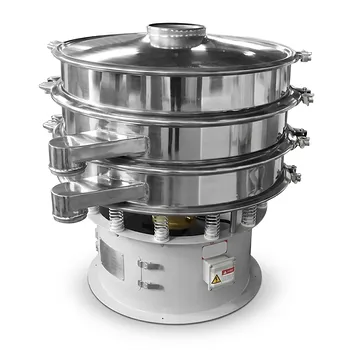
Three Dimensional Rotary Vibrating Sieve
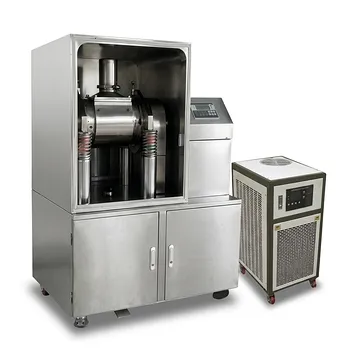
Small Vibrating Ultrafine Grinder for Traditional Chinese Medicine
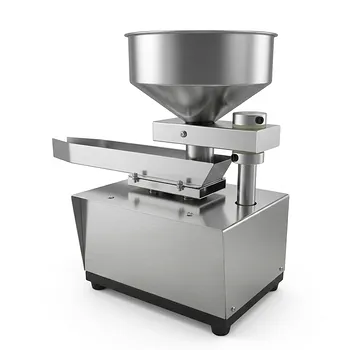
Automatic Vibrating Powder Feeder for Laboratory Material Processing Precision Vibratory Hopper Feeder for Granular and Powder Material Handling Industrial Grade Vibrating Tray Feeder for Consistent Material Sample Preparation
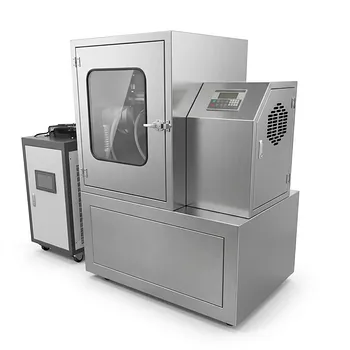
Vibratory Superfine Grinder for Ultra Fine Laboratory Powder Milling
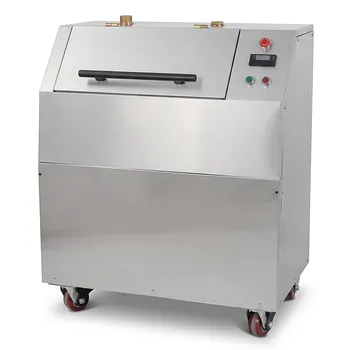
Vibratory Disc Mill for Rapid Fine Grinding and High Throughput Sample Preparation of Hard and Brittle Materials