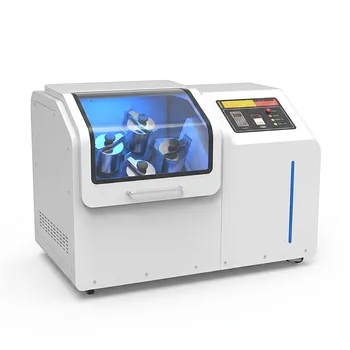
Why is an attritor mill used for extended processing times for graphene ink? Achieve Superior Dispersion & Stability
Updated 4 months ago
Attritor mills are utilized for extended processing times because they provide the sustained high-energy impact and shear forces necessary to achieve total dispersion uniformity. This prolonged mechanical action ensures that graphene and other conductive fillers are completely de-agglomerated and evenly distributed throughout the polymer resin, which is critical for the ink’s electrical stability and flow characteristics.
Core Takeaway: The extended use of an attritor mill transforms a raw mixture into a high-performance functional ink by using continuous mechanical energy to break down particle clusters, ensuring a stable, conductive network within the cured material.
The Mechanics of High-Energy Attrition
Generating Intense Impact and Shear
An attritor mill, or stirred mill, operates via a high-speed rotating shaft that drives grinding media within a stationary tank. This motion creates a chaotic environment where impact and shear forces constantly collide with the conductive fillers.
Deep Refinement of Raw Materials
This process facilitates deep refinement, a stage where the internal structure of the mixture is forced into a state of high homogeneity. By continuously circulating the media, the mill ensures that no portion of the resin remains untreated, a necessity for complex materials like silicon nitride or graphene composites.
Forced Mixing and Component Integration
Beyond simple stirring, the mill achieves forced mixing of fillers, resins, and additives. This level of integration is essential for ensuring that sintering additives or stabilizers are perfectly positioned within the matrix to create a dense and stable microstructure.
Why Extended Processing is Essential
Eliminating Graphene Agglomerates
Graphene and carbon black naturally tend to clump together due to molecular attraction. Extended grinding periods, often reaching 16 hours or more, are required to mechanically overcome these forces and eliminate agglomerates that would otherwise cause defects in the final ink.
Ensuring Rheological Consistency
The "flow" or rheological properties of the ink are dictated by how well the fillers are dispersed. Long-term processing ensures the ink maintains a consistent viscosity, which is vital for application methods like screen printing or inkjet delivery where clogging is a risk.
Establishing Conductive Stability
For the ink to work, it must form a continuous conductive path once cured. Uniform dispersion ensures there are no "dead zones" in the material, guaranteeing that the electrical performance remains stable and predictable across the entire printed surface.
Understanding the Trade-offs
Thermal Management Challenges
Extended processing times generate significant frictional heat due to the constant motion of the grinding media. If not properly managed through cooling jackets, this heat can degrade the polyurethane resin or cause the solvent to evaporate prematurely.
Risk of Media Contamination
The longer the mill runs, the higher the likelihood of media wear, where tiny fragments of the grinding beads enter the ink. This contamination can negatively impact the purity of the graphene and potentially interfere with the conductive properties of the final product.
Energy Consumption and Throughput
Utilizing high-energy equipment for 16 hours represents a significant operational cost. Producers must balance the need for extreme uniformity with the diminishing returns of excessively long grind times to maintain manufacturing efficiency.
How to Apply This to Your Project
Making the Right Choice for Your Goal
To determine if an extended attritor mill cycle is right for your application, consider your primary performance metric:
- If your primary focus is maximum electrical conductivity: Prioritize extended processing times (12–18 hours) to ensure the graphene forms an uninterrupted, high-density conductive network.
- If your primary focus is high-speed manufacturing throughput: Optimize the grinding media size and rotation speed to reduce processing time, accepting a potential slight decrease in dispersion perfection.
- If your primary focus is material purity and transparency: Use high-hardness, wear-resistant media (like zirconia) and monitor for contamination during the long-duration shear cycles.
By mastering the balance of time and mechanical energy, you can produce graphene inks that meet the most demanding industrial standards for performance and reliability.
Summary Table:
| Key Factor | Impact on Graphene Ink | Processing Requirement |
|---|---|---|
| De-agglomeration | Breaks molecular attraction to prevent clumping | Sustained high-energy impact |
| Dispersion Uniformity | Ensures a continuous conductive network | Forced mixing & deep refinement |
| Rheological Control | Maintains consistent viscosity for printing | Extended processing (12-18+ hours) |
| Microstructure | Creates a dense, stable filler-resin matrix | Continuous impact and shear forces |
Elevate Your Material Processing with Expert Solutions
Achieving perfect graphene dispersion requires precision engineering and the right equipment. At [Our Brand Name], we provide complete laboratory sample preparation solutions for material science, specializing in high-performance powder processing and compaction equipment.
Whether you are refining conductive inks or developing advanced ceramics, our extensive product lines are designed to meet the most rigorous standards:
- Advanced Milling: Planetary ball mills, jet mills, sand/bead mills, disc mills, and rotor mills for ultimate particle size reduction.
- Crushing & Sizing: Jaw/roll crushers and vibratory/air-jet sieve shakers with precision test sieves.
- Powder Mixing: Specialized powder and defoaming mixers for homogeneous blending.
- Compaction Excellence: A full spectrum of hydraulic presses, including Cold/Warm Isostatic Presses (CIP/WIP), vacuum hot presses, and XRF pellet presses.
Ready to optimize your production efficiency and material performance? Contact us today to consult with our specialists and find the ideal equipment for your laboratory or industrial application.
References
- Lixin Liu, Zhigang Shen. CuCl2-doped graphene-based screen printing conductive inks. DOI: 10.1007/s40843-021-1980-7
Mentioned Products
- High Speed Vibratory Disc Mill for Spectral Analysis Sample Preparation and Rapid Powder Grinding
- Vibratory Disc Mill for Rapid Fine Grinding and High Throughput Sample Preparation of Hard and Brittle Materials
- Small Ceramic Structure Laboratory Sand Mill Nanoscale Grinding Dispersion Equipment Seal-less Screen-less Design
- Laboratory Disc Mill for Fine Sample Preparation of Hard and Brittle Materials
- Portable Cutting Mill for Laboratory Sample Preparation and RoHS WEEE Compliance Testing
People Also Ask
- Why is a vibratory disc mill utilized for the pretreatment of alum shale waste samples in phase analysis? Ensure XRD Accuracy
- What is the primary function of a vibrating disc mill in the pretreatment of raw clay samples? Achieve Micron-Level Precision
- How does the size of grinding media influence the vibratory milling efficiency? Achieve Optimal Pharmaceutical Fineness
- Why is a high-speed disc mill typically selected for the fine grinding of low-grade copper ore? Achieve Mineral Liberation
- What is the role of a disk mill in the sample preparation of natural clinoptilolite? Enhance Reactivity & Precision

Tech Team · PowderPreparation
Last updated on Jun 03, 2026
Related Products
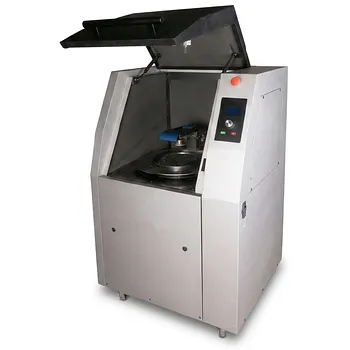
High Speed Vibratory Disc Mill for Spectral Analysis Sample Preparation and Rapid Powder Grinding
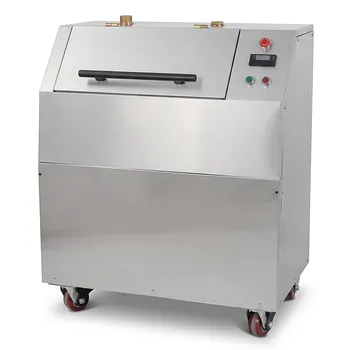
Vibratory Disc Mill for Rapid Fine Grinding and High Throughput Sample Preparation of Hard and Brittle Materials
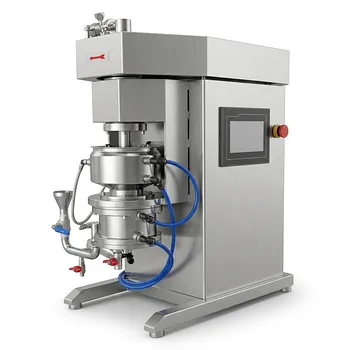
Small Ceramic Structure Laboratory Sand Mill Nanoscale Grinding Dispersion Equipment Seal-less Screen-less Design
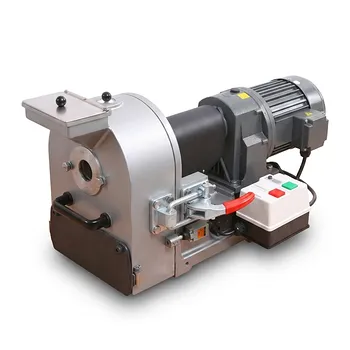
Laboratory Disc Mill for Fine Sample Preparation of Hard and Brittle Materials
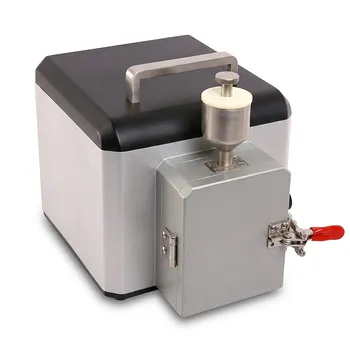
Portable Cutting Mill for Laboratory Sample Preparation and RoHS WEEE Compliance Testing
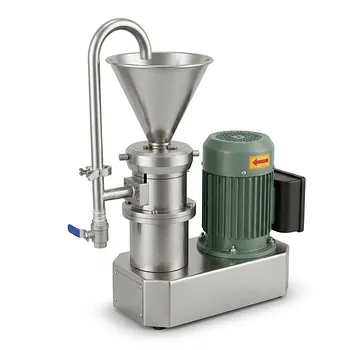
Small Laboratory Colloid Mill for Ultra-Fine Wet Grinding and Emulsification
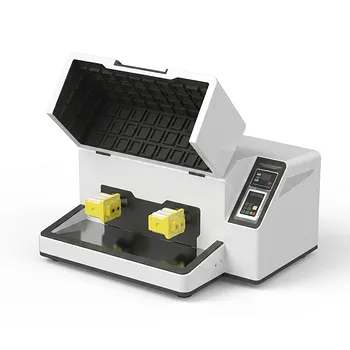
Multi-Platform Nanoscale High-Energy Vibratory Ball Mill
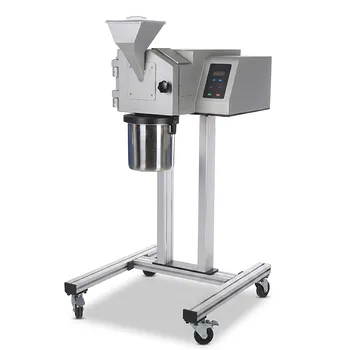
Cross Beater Mill for Brittle Material Grinding and Continuous Fine Crushing Industrial Sample Preparation
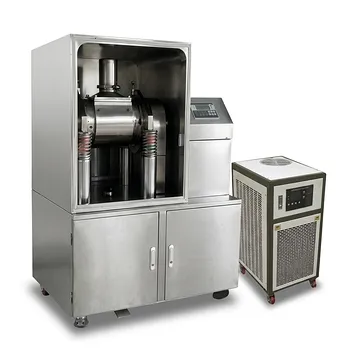
Small Vibrating Ultrafine Grinder for Traditional Chinese Medicine
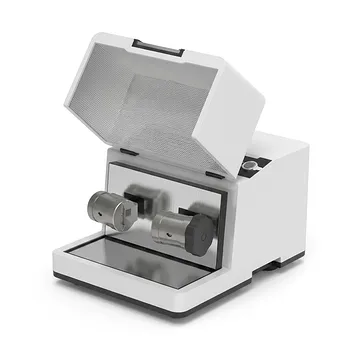
Heating Temperature Controlled High Energy Vibratory Ball Mill
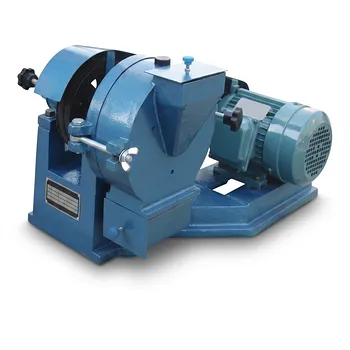
Laboratory Disc Mill for Ore and Mineral Sample Preparation
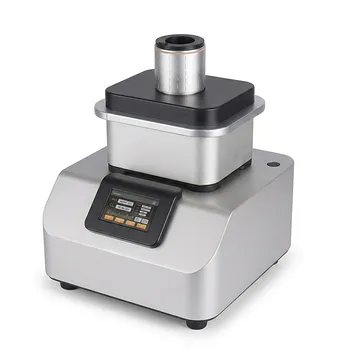
Ultra Centrifugal Mill High Speed Laboratory Grinder for Fibrous and Brittle Sample Preparation
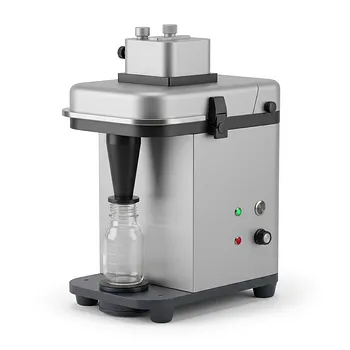
Cyclonic Laboratory Mill for NIR Spectroscopy Sample Preparation Food and Feed Grinding
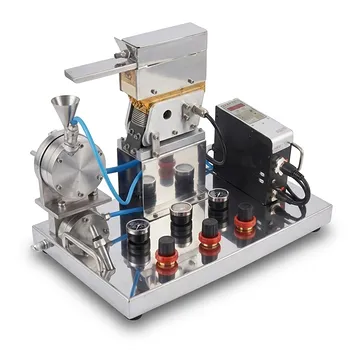
Benchtop Micro Air Jet Mill for Ultrafine Grinding of High Value Powders
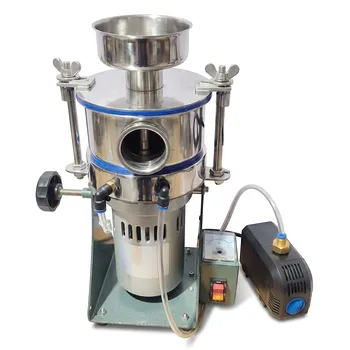
Water Cooled Airflow Ultra Fine Grinder for Low Temperature Material Processing
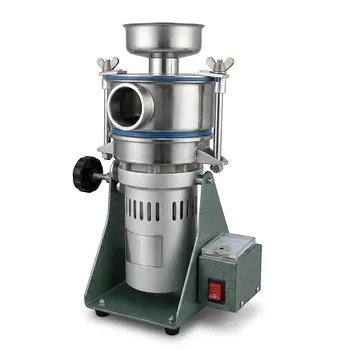
Small Airflow Ultra-Fine Grinder for Laboratory Sample Preparation
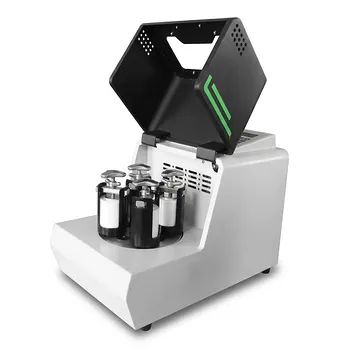
Miniature Planetary Ball Mill with Vacuum Grinding and High Efficiency for Laboratory Sample Preparation
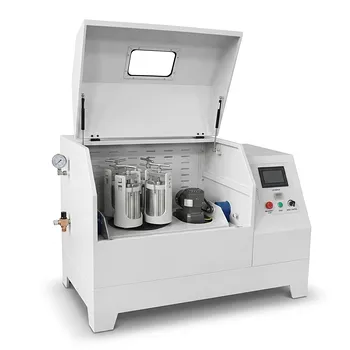
Vertical Production Planetary Ball Mill for High Throughput Powder Processing
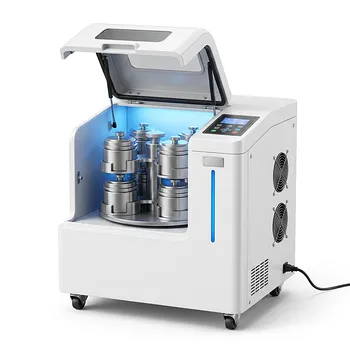
High Energy Omnidirectional Planetary Ball Mill 20L