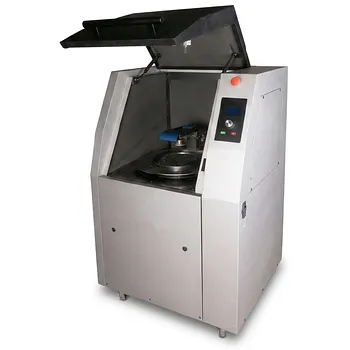
How does high-speed grinding equipment facilitate the preparation of lignin binders? Optimize Powder for Stronger Bonds
Updated 5 months ago
High-speed grinding equipment facilitates lignin binder preparation by utilizing mechanical impact to transform dried lignin clumps into an ultra-fine powder. This process maximizes the material's dispersibility and surface area, ensuring a uniform coating on biomass substrates like sugarcane bagasse. Consequently, the refined powder creates superior solid bridges during thermal processing, leading to high-integrity molded products.
High-speed grinding serves as a critical mechanical pretreatment that optimizes the physical state of lignin, enabling it to transition from a bulk waste product into a high-performance industrial binder. By achieving ultra-fine particle sizes, the equipment ensures the molecular-level contact necessary for durable biomass composites.
The Role of Mechanical Pulverization in Binder Quality
Achieving Ultra-Fine Particle Sizes
High-speed grinders utilize rotating blades to provide intense mechanical impact, breaking down lignin into ultra-fine powders. This refinement is essential because smaller particles distribute more evenly across the surface of the primary biomass material.
Maximizing Specific Surface Area
The grinding process significantly increases the specific surface area of the lignin. This physical degradation allows for more efficient contact between the binder and the biomass particles, which is a prerequisite for effective chemical and thermal bonding.
Enhancing Dispersibility
A key advantage of high-speed grinding is the improvement in dispersibility. Refined lignin powder can coat irregular biomass particles, such as rice husks or seed shells, more effectively than coarser materials, preventing the formation of weak spots in the final product.
Enhancing Thermal and Chemical Processing
Facilitating Solid Bridge Formation
During hot-pressing and molding stages, the ultra-fine lignin powder acts as a high-performance adhesive. The increased contact points allow for the formation of stronger solid bridges between biomass particles, resulting in a more robust and stable structure.
Improving Heat Conduction and Reactivity
Fine particles facilitate more uniform heat conduction during thermal processes like slow pyrolysis or hot-pressing. Additionally, the increased surface area enhances the penetration efficiency of chemical reagents, which is vital for subsequent treatments like acid-base hydrolysis.
Enabling Molecular-Level Contact
In co-processing applications, high-speed grinding ensures that different raw materials achieve molecular-level contact. This thorough physical mixing is crucial for efficient reduction reactions and consistent filler distribution within polymer matrices.
Understanding the Trade-offs
Thermal Sensitivity of Lignin
High-speed grinding generates significant mechanical heat, which can be problematic for lignin due to its relatively low softening point. If temperatures are not monitored, the lignin may begin to "smear" or clump within the grinding chamber, counteracting the goal of producing a fine powder.
Energy Consumption vs. Particle Size
While finer particles generally offer better performance, the energy required to reach ultra-fine dimensions increases exponentially. Operators must balance the desired binder performance with the operational costs of extended grinding cycles.
Dust Management and Safety
The production of ultra-fine powders creates significant dust hazards, both in terms of inhalation risks and potential combustible dust explosions. Robust filtration and containment systems are non-negotiable requirements for high-speed grinding installations.
How to Apply This to Your Project
Making the Right Choice for Your Goal
To maximize the efficacy of lignin binders in biomass processing, consider the following strategic approaches:
- If your primary focus is structural integrity: Prioritize achieving the smallest possible particle size to maximize the formation of solid bridges during the hot-pressing phase.
- If your primary focus is chemical reactivity: Focus on maximizing the specific surface area through high-speed impact to ensure the binder reacts uniformly with chemical catalysts or reagents.
- If your primary focus is manufacturing efficiency: Implement a vibratory sieve shaker after grinding to ensure a uniform particle size distribution, which prevents stress concentrations in the final molded parts.
Optimizing the mechanical preparation of lignin binders is the foundational step in transforming raw biomass into high-value, durable industrial materials.
Summary Table:
| Feature of Grinding | Technical Impact on Lignin | Benefit for Biomass Processing |
|---|---|---|
| Ultra-fine Pulverization | Breaks clumps into micron-scale powder | Maximizes coating uniformity on substrates |
| Surface Area Expansion | Increases specific surface area | Enhances chemical reactivity & thermal bonding |
| Mechanical Impact | Improves material dispersibility | Prevents weak spots in molded products |
| Size Uniformity | Eliminates irregular coarse particles | Ensures consistent heat conduction & density |
Elevate Your Biomass Material Preparation with Professional Equipment
At [Company Name], we provide complete laboratory sample preparation solutions tailored for material science. Our expertise in powder processing and compaction ensures that your lignin binders achieve the ultra-fine precision required for high-performance composites.
Our specialized equipment line includes:
- Advanced Milling: Achieve perfect particle size with our planetary ball mills, jet mills, and rotor mills.
- Precision Sieving: Ensure uniform distribution using our vibratory and air-jet sieve shakers.
- Thermal & Mechanical Pressing: Transform your powders into high-integrity products with our vacuum hot presses, standard lab presses, and Cold/Warm Isostatic Presses (CIP/WIP).
- Safe Processing: Liquid nitrogen cryogenic grinders to handle the thermal sensitivity of lignin and prevent smearing.
Whether you are refining raw waste into industrial binders or developing new polymer matrices, our team is ready to help you optimize your workflow.
Contact our technical experts today to find the perfect solution!
References
- Ian Dominic F. Tabañag, Luis K. Cabatingan. Utilization of Lignin from Waste Degumming Liquor as Fuel Additive and Binder in Sugarcane Bagasse Briquettes. DOI: 10.4028/p-4ksdat
Mentioned Products
- High Efficiency High Speed Grinder Laboratory Mill 1300W 25000rpm
- High Efficiency High Speed Grinder 2200W 25000 RPM Laboratory Sample Preparation
- Small High-Speed Laboratory Grinder for Rapid Sample Preparation
- Small High Speed Grinder for Laboratory Sample Preparation
- Small High-Speed Grinder for Efficient Laboratory Sample Preparation
People Also Ask
- What role does a laboratory grinder play in the pretreatment of sunflower seed shell-based adsorbents? Boost Efficiency.
- How does a laboratory grinder or mill enhance the adsorption performance of agricultural waste materials? Boost Surface Area
- Why is grinding equipment necessary for SnO2-Sb2O3 xerogels? Maximize surface area and photocatalytic activity.
- How does laboratory grinding or pulverizing equipment influence eggshell-derived adsorbents? Maximize Surface Area.
- What is the primary role of grinding equipment in BLA preparation? Enhance Reactivity & Material Uniformity

Tech Team · PowderPreparation
Last updated on May 14, 2026
Related Products
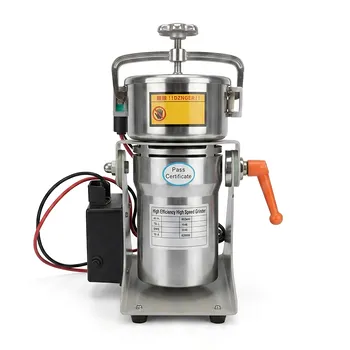
High Efficiency High Speed Grinder Laboratory Mill 1300W 25000rpm
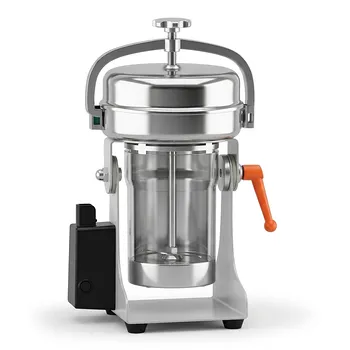
High Efficiency High Speed Grinder 2200W 25000 RPM Laboratory Sample Preparation
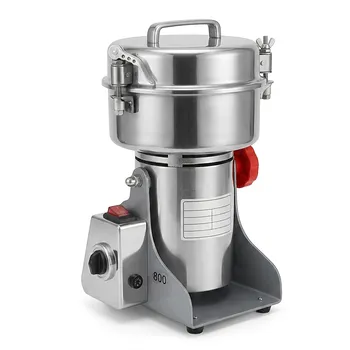
Small High-Speed Laboratory Grinder for Rapid Sample Preparation
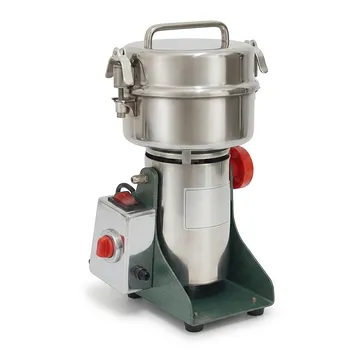
Small High Speed Grinder for Laboratory Sample Preparation
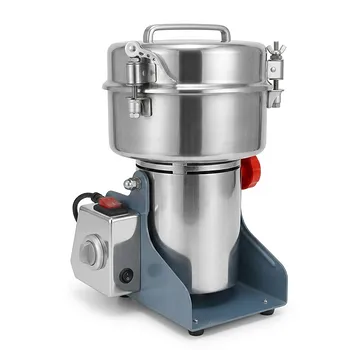
Small High-Speed Grinder for Efficient Laboratory Sample Preparation
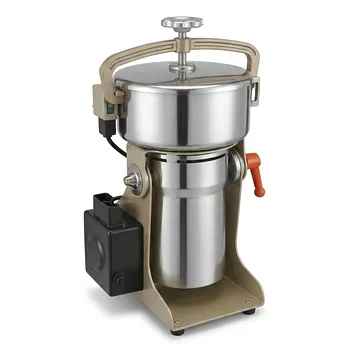
Multifunctional High Efficiency High Speed Laboratory Grinder
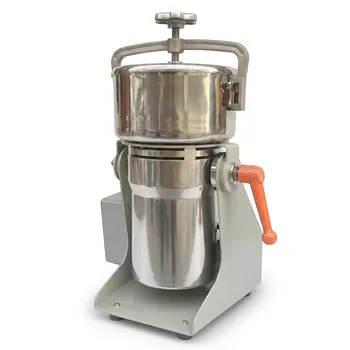
High Speed Laboratory Grinder Efficient Stainless Steel Powder Pulverizer Universal Material Science Mill for Sample Preparation
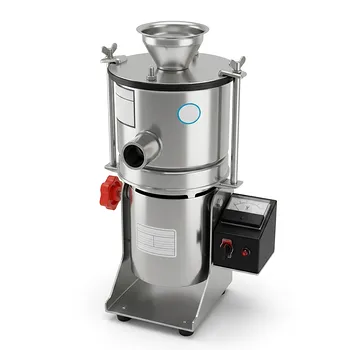
Air Guided Ultrafine Pulverizer High Speed Laboratory Powder Grinder for Chemical and Material Processing
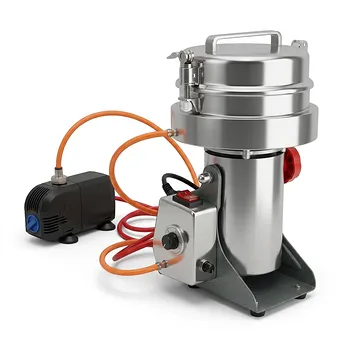
Water Cooled High Speed Grinder with Cryogenic Option for Laboratory Sample Preparation
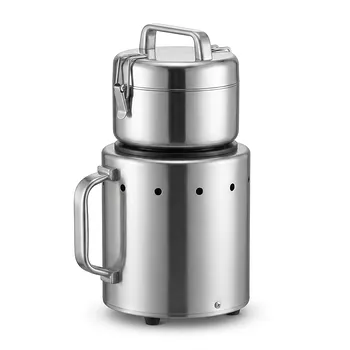
Small High Speed Grinder for Laboratory Sample Preparation
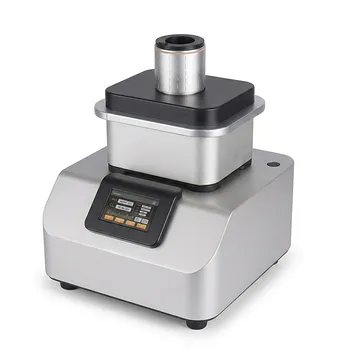
Ultra Centrifugal Mill High Speed Laboratory Grinder for Fibrous and Brittle Sample Preparation
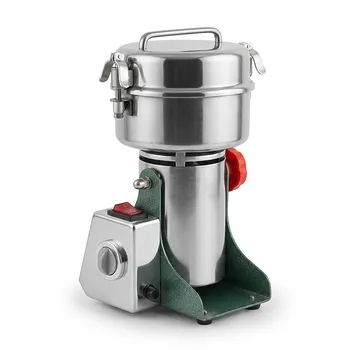
Small High-Speed Swing Grinder for Laboratory Sample Preparation
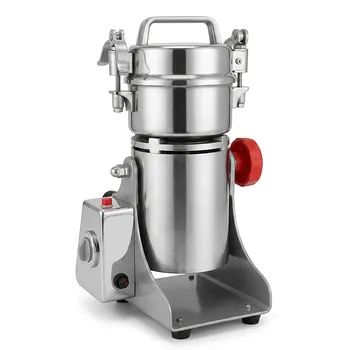
Industrial High Speed Small Sample Pulverizer Swing Type Laboratory Grinder for Powder Processing
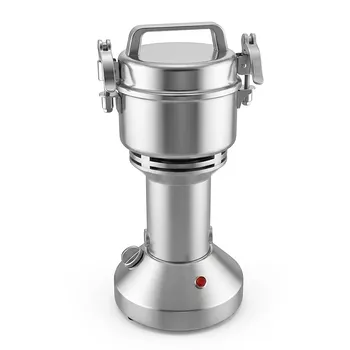
Small High Speed Upright Grinder for Laboratory Sample Preparation
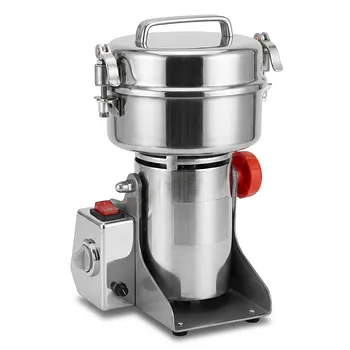
High Speed Laboratory Powder Grinder Small Batch Sample Preparation Mill
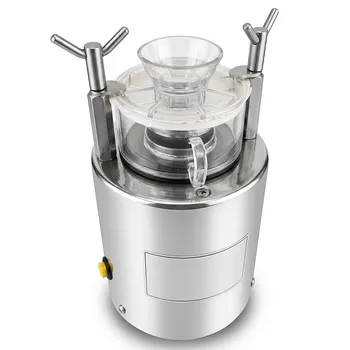
Laboratory Desktop Ultra Fine Powder Grinder High Speed Micronizing Pulverizer
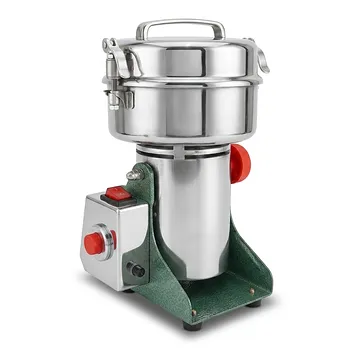
Small High-Speed Laboratory Grinder for Powder Processing
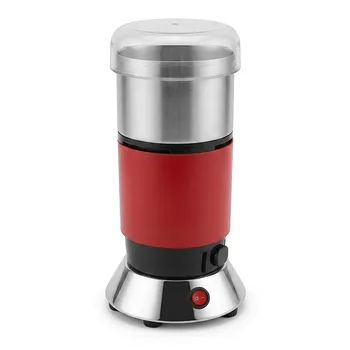
Micro Solid Sample Grinder High Speed Pulverizer for Laboratory Small Batch Grinding
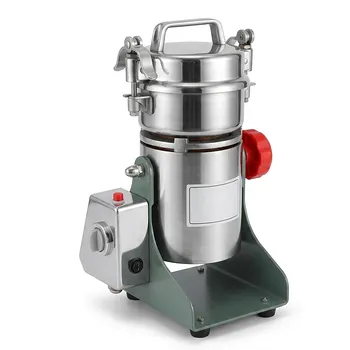
High Speed Swing Type Laboratory Pulverizer for Fine Powder Grinding and Sample Preparation