Why is a precision laboratory vibratory sieve shaker necessary for particle size control? Optimize Biomass Carbonization
Updated 5 months ago
Precision laboratory vibratory sieve shakers are essential for biomass carbonization because they ensure particle size uniformity, which is the primary driver of consistent chemical reactions and heat transfer. By classifying raw or carbonized biomass into specific, narrow size ranges, researchers can guarantee that chemical activators penetrate surfaces evenly and that thermal decomposition occurs predictably across the entire sample.
The central takeaway is that precise particle size control eliminates variables in heat and mass transfer, allowing for a uniform pore structure in activated carbon and predictable mechanical properties in biomass products. Without this precision, localized variations in size lead to uneven processing, compromised adsorption performance, and unreliable experimental data.
Optimizing Chemical Activation and Pore Development
Ensuring Uniform Surface Contact
Consistent particle sizes allow chemical activators to contact the surfaces of the biomass char thoroughly and evenly. When particles are uniform, the activator penetrates the material at a predictable rate, preventing the over-processing of small particles or the under-activation of larger ones.
Developing Hierarchical Pore Structures
Precise grading—such as using a 150-micron mesh—is a prerequisite for achieving controllable chemical activation. This control facilitates the formation of a uniform hierarchical pore structure, which is critical for enhancing the adsorption performance and electrochemical consistency of the final material.
Eliminating Kinetic Variations
A consistent particle size distribution is vital because it eliminates variations in adsorption kinetics. By ensuring all samples are of a specific mesh size, such as 120 mesh, researchers can guarantee the repeatability of the manufacturing process and the accuracy of resulting data.
Controlling Heat and Mass Transfer Dynamics
Enhancing Thermal Efficiency
Particle size directly influences the specific surface area, which dictates how heat moves through the biomass. Smaller, uniform particles generally facilitate higher heat transfer efficiency, significantly improving the production ratios of valuable gases like hydrogen (H2) relative to carbon monoxide (CO).
Regulating Combustion and Gasification
Maintaining a consistent range, typically between 300 to 800 µm, affects the internal porosity and bulk density of the material. This precision ensures that the mass transfer mechanisms during combustion or gasification remain stable, providing a predictable energy output and chemical yield.
Quantitative Analysis of Durability
Precise grading into specific intervals (e.g., 0.1 mm to 2 mm) enables a quantitative analysis of how size contributes to the mechanical strength of the final product. This is especially important when transitioning from raw biomass to densified fuel pellets or carbonized briquettes.
Enhancing Mechanical Integrity and Density
Optimizing Filling Density
High-precision shakers allow for the accurate separation of particles into distinct fractions like 0–0.5 mm and 0.5–1 mm. These fractions can then be recombined in specific ratios to optimize filling density within a mold, ensuring maximum inter-particle bonding.
Improving Structural Properties
Controlled distribution significantly enhances the mechanical durability and tensile strength of the finished material. By eliminating oversized "weak points" or excessive fine "dust," the resulting composite or pellet achieves a higher Young’s modulus and better structural integrity.
Understanding the Trade-offs and Pitfalls
The Risk of Mesh Blinding
While precision is necessary, very fine biomass powders can cause "blinding" or clogging of the sieve meshes, especially if the biomass has a high moisture or oil content. This can lead to inaccurate grading and requires frequent cleaning or the use of de-blinding aids like ultrasonic cleaners.
Throughput vs. Precision
Laboratory vibratory shakers prioritize accuracy over volume. Attempting to process large quantities of biomass too quickly can result in "carryover," where smaller particles stay trapped on top of a layer of larger particles, defeating the purpose of the precision instrument.
Material Degradation
The high-frequency vibration required for effective separation can sometimes cause attrition, where fragile carbonized particles break down into smaller pieces during the sieving process itself. This can slightly skew the results if the sieving duration is not strictly controlled.
How to Apply This to Your Process
Recommendations Based on Your Goal
- If your primary focus is high-performance filtration: Use the shaker to isolate narrow, fine particle ranges (e.g., 150 µm) to ensure a uniform pore structure and maximum adsorption surface area.
- If your primary focus is fuel pellet production: Utilize the shaker to create a specific blend of fine and medium particles (e.g., 10% fine, 90% medium) to maximize bulk density and mechanical durability.
- If your primary focus is chemical research and gasification: Focus on maintaining a consistent surface-area-to-volume ratio to ensure repeatable heat transfer rates and H2/CO gas ratios.
Precise particle size control is the foundational step that transforms unpredictable raw biomass into a high-value, engineered carbon material.
Summary Table:
| Application Goal | Primary Benefit of Size Control | Recommended Action |
|---|---|---|
| High-Performance Filtration | Ensures uniform hierarchical pore structure | Isolate narrow, fine particle ranges (e.g., 150 µm). |
| Fuel Pellet Production | Maximizes bulk density and mechanical durability | Blend specific ratios of fine and medium particles. |
| Chemical Research | Predictable heat/mass transfer & gas ratios | Maintain a consistent surface-area-to-volume ratio. |
| Structural Integrity | Eliminates weak points and increases density | Separate distinct fractions to optimize filling density. |
Elevate Your Material Research with Precision Preparation
Are you struggling with inconsistent results in your biomass carbonization or powder processing? Contact us today to discover how our high-precision equipment can transform your laboratory outcomes.
At our core, we provide complete laboratory sample preparation solutions for material science. Whether you are developing advanced carbon materials, densified fuels, or high-purity chemicals, our specialized equipment ensures the repeatable accuracy your research demands:
- Particle Size Control: Sieve shakers (vibratory/air-jet) with a wide range of test sieves, plus crushers (jaw/roll) and various mills (planetary ball, jet, rotor, and cryogenic grinders).
- Material Compaction: A full spectrum of hydraulic presses, including Cold/Warm Isostatic Presses (CIP/WIP), vacuum hot presses, and XRF pellet presses.
- Mixing & Homogenization: Advanced powder mixers and defoaming mixers for perfectly uniform samples.
Don't let particle size variables compromise your data. Let our experts help you select the ideal equipment for your specific material goals. Reach out now to receive a customized solution and technical support.
References
- Tahiru Saka, Samia Rabet. Evaluation of the Physical Properties of Various Biomass Materials for the Production of Activated Carbon. DOI: 10.56946/jce.v1i02.132
Mentioned Products
- Laboratory Dry and Wet Three Dimensional Vibratory Sieve Shaker for Particle Analysis
- Stainless Steel Laboratory Vibratory Test Sieve Shaker
- Small Laboratory Vibratory Sieve Shaker for Powder Gradation and Particle Size Analysis
- Vibratory Sieve Shaker Electromagnetic 3D Motion Powder Particle Size Analyzer for Dry and Wet Sieving
- Laboratory Vibratory Test Sieve Shaker for Precision Particle Size Analysis and Powder Grading
People Also Ask
- What is the role of laboratory vibratory sieve shakers in waste PUR foam recycling? Optimize Particle Size and Density
- What is the primary function of a laboratory vibratory sieve shaker in the evaluation of sand liquefaction potential?
- What role do laboratory vibratory sieve shakers and test sieves play before the molding of Nb-Cu composite powders?
- What function does a laboratory vibratory sieve shaker serve in the production process of metakaolin? Optimize Reactivity
- What is the function of a laboratory vibratory sieve shaker? Enhance Coal Particle Size Distribution (PSD) Analysis

Tech Team · PowderPreparation
Last updated on May 14, 2026
Related Products
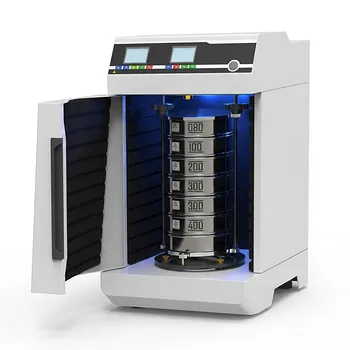
Laboratory Dry and Wet Three Dimensional Vibratory Sieve Shaker for Particle Analysis
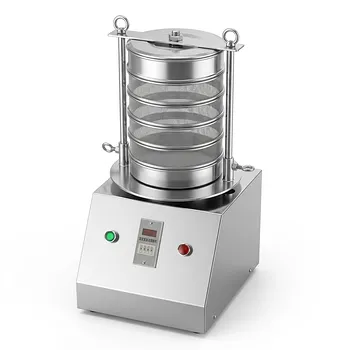
Stainless Steel Laboratory Vibratory Test Sieve Shaker
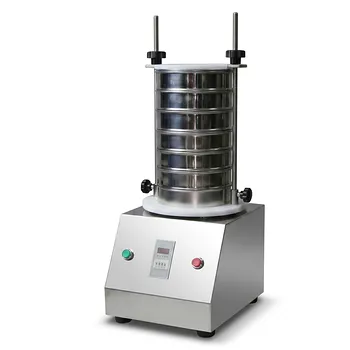
Small Laboratory Vibratory Sieve Shaker for Powder Gradation and Particle Size Analysis
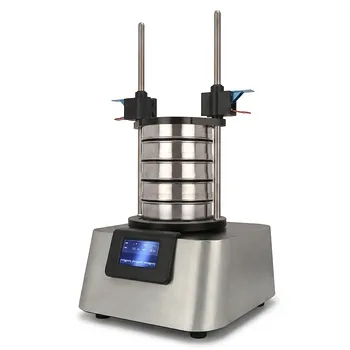
Vibratory Sieve Shaker Electromagnetic 3D Motion Powder Particle Size Analyzer for Dry and Wet Sieving
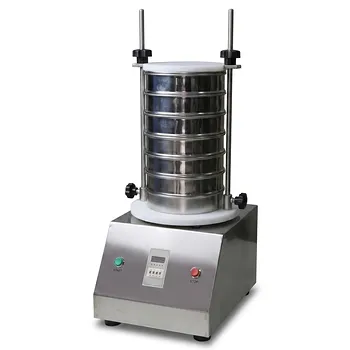
Laboratory Vibratory Test Sieve Shaker for Precision Particle Size Analysis and Powder Grading
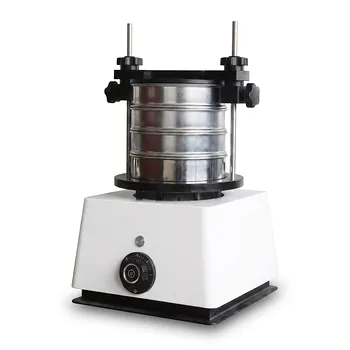
Small Laboratory Vibrating Sieve Shaker for Precise Particle Size Analysis
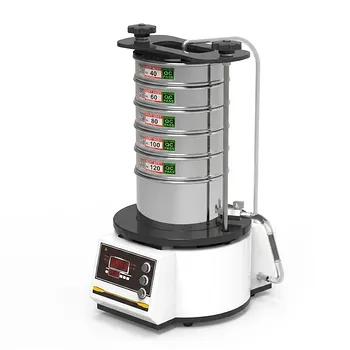
High Frequency Wet Three-Dimensional Vibrating Sieve Shaker for Dry and Wet Particle Size Analysis
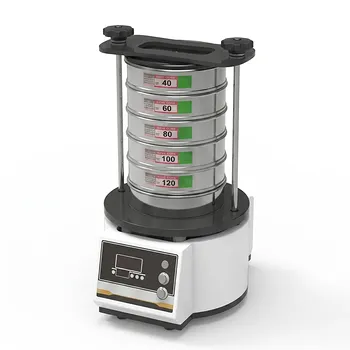
Dry Three Dimensional Vibratory Sieve Shaker
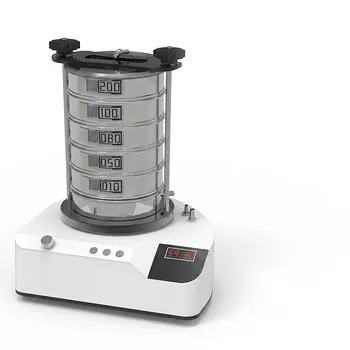
Heavy Duty Dry Three Dimensional Vibratory Sieve Shaker for Particle Separation
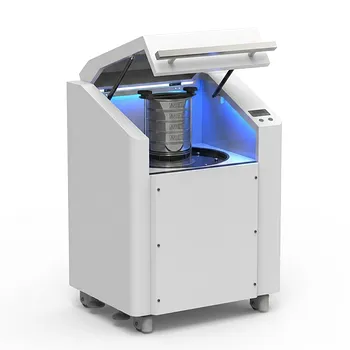
High Frequency Cabinet Type Three-Dimensional Rotary Vibrating Sieve Shaker for Dry Sieving and Particle Classification
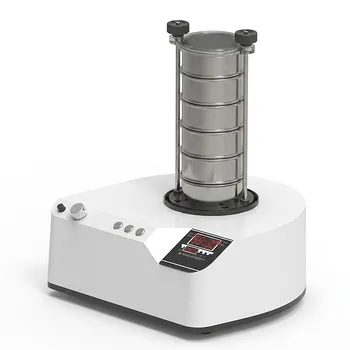
三维电磁微量振动筛分仪
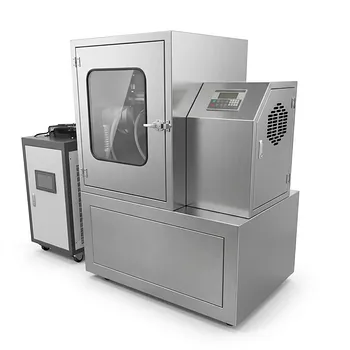
Vibratory Superfine Grinder for Ultra Fine Laboratory Powder Milling
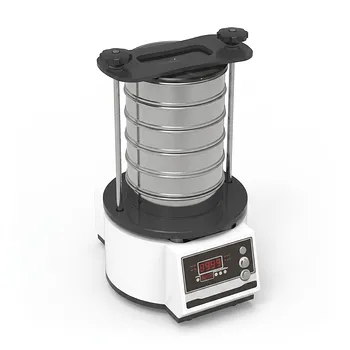
Tapping Oscillating Sieve Shaker for Dry and Wet Particle Size Analysis
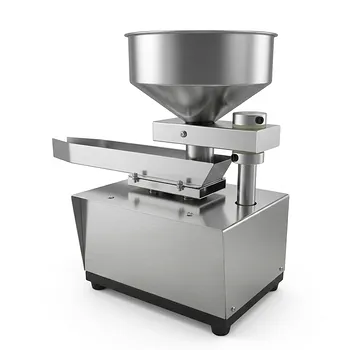
Automatic Vibrating Powder Feeder for Laboratory Material Processing Precision Vibratory Hopper Feeder for Granular and Powder Material Handling Industrial Grade Vibrating Tray Feeder for Consistent Material Sample Preparation
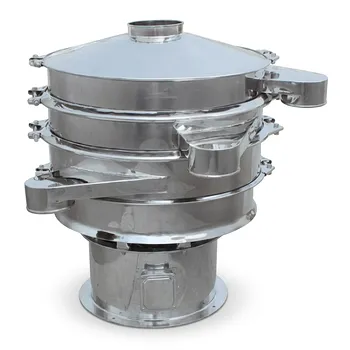
Stainless Steel Rotary Vibrating Sieve High Precision Circular Vibratory Separator Industrial Powder Grading Machine Multi Layer Sifting Equipment
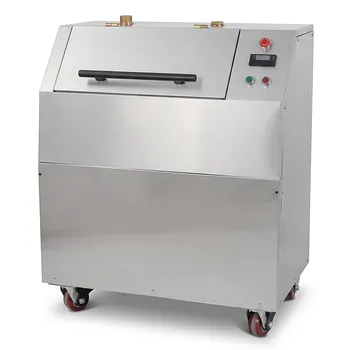
Vibratory Disc Mill for Rapid Fine Grinding and High Throughput Sample Preparation of Hard and Brittle Materials
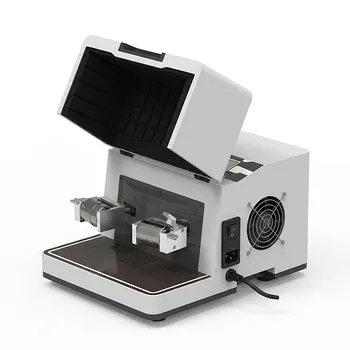
High Energy Hybrid Vibratory Ball Mill for Grinding Mixing and Cell Disruption
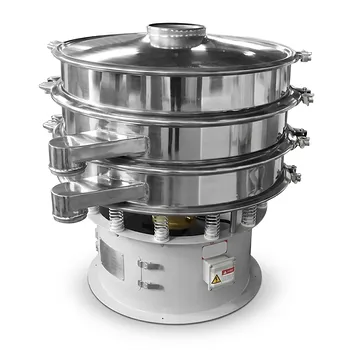
Three Dimensional Rotary Vibrating Sieve
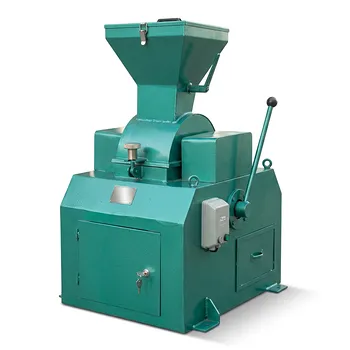
Laboratory Sealed Hammer Blade Crusher Divider for High Hardness Sample Preparation