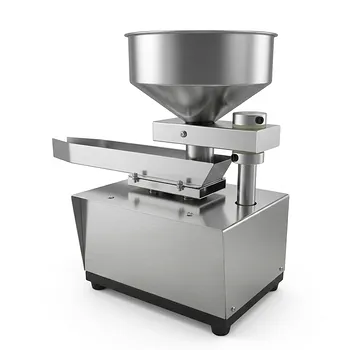
Why is it necessary to use a laboratory sieve shaker for classifying eggshell powder? Ensure Precision & Homogeneity
Updated 4 months ago
Precision particle sizing via a laboratory sieve shaker is the critical bridge between raw ball-milled eggshell powder and a high-performance technical material. By utilizing high-precision test sieves, this process strictly controls the particle size distribution (PSD) to ensure the powder meets specific mesh requirements, such as the 100-mesh to 140-mesh range (105 to 149 µm). This standardization is necessary to remove oversized grains and agglomerates that would otherwise compromise the structural integrity, chemical reactivity, and manufacturing reliability of the final product.
The laboratory sieve shaker serves as a quality control gate that ensures every particle in the eggshell powder contributes to a predictable and homogeneous material response. Without this classification, the inherent variability of ball-milled powder leads to localized material failures and inconsistent chemical performance.
Enhancing Mechanical and Structural Homogeneity
Minimizing Stress Concentration Points
Large or inconsistent particles within a matrix act as "stress risers" that can lead to premature structural failure. Using a sieve shaker to isolate a specific size range, such as 105 to 149 µm, ensures a consistent mixing state within polyester or aluminum matrices. This uniformity reduces stress concentration and prevents the performance fluctuations commonly caused by uneven particle sizes.
Achieving Homogeneous Microstructures
In composite manufacturing, the internal microstructure must be uniform to provide predictable mechanical properties. A mechanical vibratory shaker removes particles with inconsistent grain sizes, ensuring that the reinforcement particles are distributed evenly. This leads to a homogeneous internal microstructure, which is essential for the stability of both metal and polymer matrix composites.
Optimizing Chemical and Adsorptive Performance
Maximizing Specific Surface Area
In applications like heavy metal ion removal, the particle size directly dictates the adsorption kinetics. Sieve shakers allow for the precise grading of fine powders (e.g., 0.063 mm), which provide a higher specific surface area. This increased surface area shortens internal diffusion paths and significantly enhances the rate at which lead or other ions are removed from a solution.
Ensuring Reaction Kinetic Consistency
For processes such as sol-gel synthesis or high-energy ball milling (HEBM), the precursor powder must be uniform. Using a shaker to isolate fine powder (less than 63 micrometers) ensures that reaction kinetics remain consistent across the entire batch. This level of control is vital for the efficiency of subsequent thermal or chemical treatments.
Guaranteeing Manufacturing and Process Reliability
Preventing Equipment Blockages
In additive manufacturing, such as the production of 3D-printed filaments, particle size consistency is a functional requirement. Laboratory sieving removes agglomerates that exceed specific tolerances, preventing blockages in extrusion equipment. This ensures the surface smoothness and internal homogeneity of the final extruded product.
Improving Densification in Ceramics
For silicate ceramics, the density of the "green body" during the pressing process determines the final quality of the ceramic. A vibratory sieve shaker ensures a uniform particle size distribution, which is crucial for achieving high green body density. This directly impacts the linear shrinkage rate and the final densification degree of the finished ceramic part.
Understanding the Trade-offs and Limitations
The Risk of Screen Blinding
While sieving is essential for precision, fine eggshell powder—especially if slightly damp—can cause screen blinding, where particles clog the mesh openings. This reduces screening efficiency and can lead to inaccurate grading if not monitored. Using ultrasonic or electromagnetic vibratory shakers can help mitigate this, but it adds to the complexity of the setup.
Mechanical vs. Material Degradation
Prolonged sieving in a high-energy mechanical shaker can occasionally cause further particle attrition or the formation of static-induced agglomerates. Technicians must balance the vibration intensity and duration to ensure effective classification without unintentionally altering the powder's physical characteristics through excessive friction.
How to Apply This to Your Project
When selecting your sieving parameters, you must align the mesh size and shaking method with your final application's functional requirements.
- If your primary focus is Structural Reinforcement: Use a combination of 100-mesh and 140-mesh sieves to isolate particles between 105 and 149 µm to prevent stress concentration in composite matrices.
- If your primary focus is Chemical Adsorption: Utilize an electromagnetic shaker to isolate the finest possible fraction (below 0.063 mm) to maximize specific surface area and reaction rates.
- If your primary focus is 3D Printing or Extrusion: Focus on removing all particles above the extruder nozzle's safety threshold to prevent mechanical downtime and surface defects.
- If your primary focus is Ceramic Pressing: Aim for a wide but strictly controlled particle size distribution that allows for maximum packing density and minimal shrinkage during firing.
By implementing a rigorous sieving protocol, you transform a variable biological byproduct into a standardized industrial filler capable of meeting the most demanding technical specifications.
Summary Table:
| Benefit Category | Key Advantage | Ideal Application |
|---|---|---|
| Mechanical Integrity | Minimizes stress concentration & ensures microstructure homogeneity | Metal/Polymer Matrix Composites |
| Chemical Performance | Maximizes specific surface area for faster adsorption kinetics | Heavy Metal Ion Removal & Sol-gel |
| Process Reliability | Prevents equipment blockages & ensures extrusion smoothness | 3D Printing & Filament Production |
| Ceramic Quality | Improves green body density & controls linear shrinkage | Silicate Ceramics & Powder Compaction |
Elevate Your Material Research with Precision Powder Solutions
Are you struggling with inconsistent particle sizes in your material synthesis? At [Brand Name], we provide complete laboratory sample preparation solutions for material science, specializing in advanced powder processing and compaction equipment.
From high-performance ball mills (planetary, jet, rotor) and cryogenic grinders to our high-precision vibratory and air-jet sieve shakers, we ensure your eggshell powder or technical materials meet the strictest industrial standards. Complete your workflow with our full spectrum of hydraulic presses, including Cold/Warm Isostatic Presses (CIP/WIP) and vacuum hot presses, designed for maximum densification and performance.
Don't let particle variability compromise your results. Contact our experts today to find the perfect equipment configuration for your lab and ensure every batch meets your exact specifications!
References
- Ruben Bayu Kristiawan, Esa Nur Shohih. Mechanical Properties of Unsaturated Polyester Composites Reinforced with Eggshell-Derived CaCO₃ Bio-filler as a Sustainable Material. DOI: 10.20961/mekanika.v24i2.104039
Mentioned Products
- Laboratory Dry and Wet Three Dimensional Vibratory Sieve Shaker for Particle Analysis
- Small Laboratory Vibrating Sieve Shaker for Precise Particle Size Analysis
- Stainless Steel Laboratory Vibratory Test Sieve Shaker
- Laboratory Vibratory Test Sieve Shaker for Precision Particle Size Analysis and Powder Grading
- Vibratory Sieve Shaker Electromagnetic 3D Motion Powder Particle Size Analyzer for Dry and Wet Sieving
People Also Ask
- What is the role of laboratory vibratory sieve shakers in waste PUR foam recycling? Optimize Particle Size and Density
- What is the primary function of a laboratory vibratory sieve shaker in the evaluation of sand liquefaction potential?
- What role do laboratory vibratory sieve shakers and test sieves play before the molding of Nb-Cu composite powders?
- What function does a laboratory vibratory sieve shaker serve in the production process of metakaolin? Optimize Reactivity
- Why is a precision laboratory vibratory sieve shaker necessary for particle size control? Optimize Biomass Carbonization

Tech Team · PowderPreparation
Last updated on Jun 03, 2026
Related Products
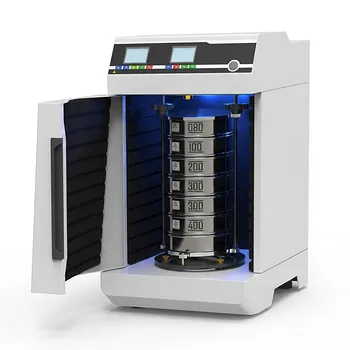
Laboratory Dry and Wet Three Dimensional Vibratory Sieve Shaker for Particle Analysis
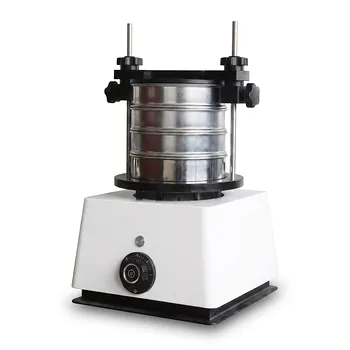
Small Laboratory Vibrating Sieve Shaker for Precise Particle Size Analysis
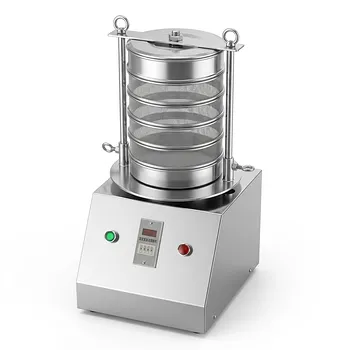
Stainless Steel Laboratory Vibratory Test Sieve Shaker
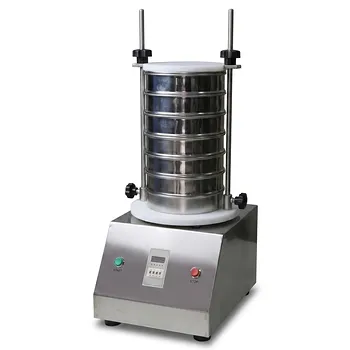
Laboratory Vibratory Test Sieve Shaker for Precision Particle Size Analysis and Powder Grading
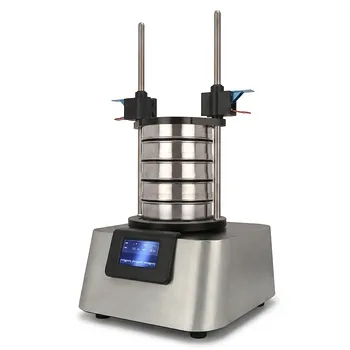
Vibratory Sieve Shaker Electromagnetic 3D Motion Powder Particle Size Analyzer for Dry and Wet Sieving
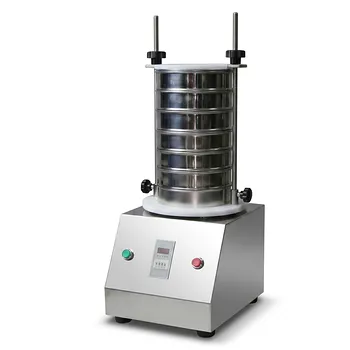
Small Laboratory Vibratory Sieve Shaker for Powder Gradation and Particle Size Analysis
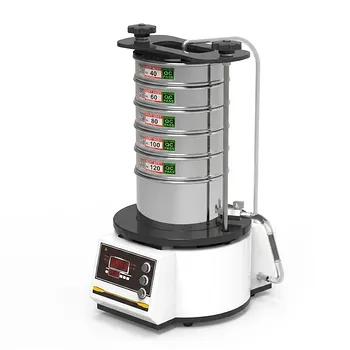
High Frequency Wet Three-Dimensional Vibrating Sieve Shaker for Dry and Wet Particle Size Analysis
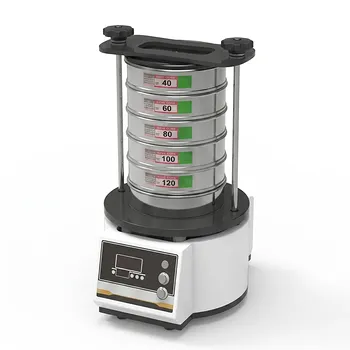
Dry Three Dimensional Vibratory Sieve Shaker
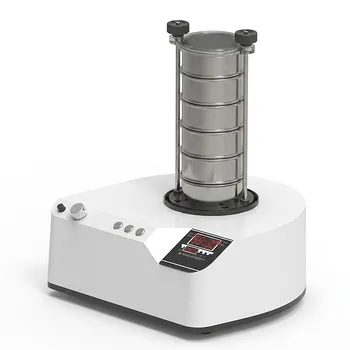
三维电磁微量振动筛分仪
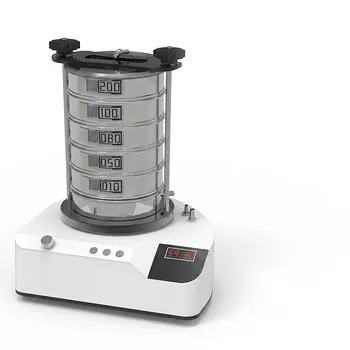
Heavy Duty Dry Three Dimensional Vibratory Sieve Shaker for Particle Separation
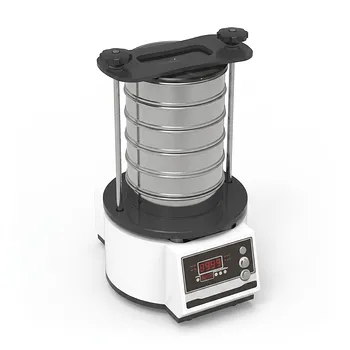
Tapping Oscillating Sieve Shaker for Dry and Wet Particle Size Analysis
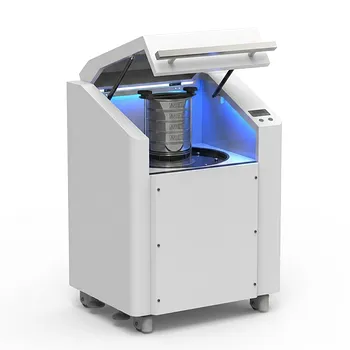
High Frequency Cabinet Type Three-Dimensional Rotary Vibrating Sieve Shaker for Dry Sieving and Particle Classification
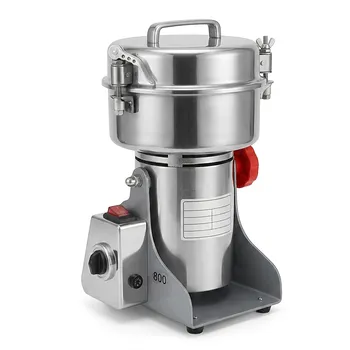
Small High-Speed Laboratory Grinder for Rapid Sample Preparation
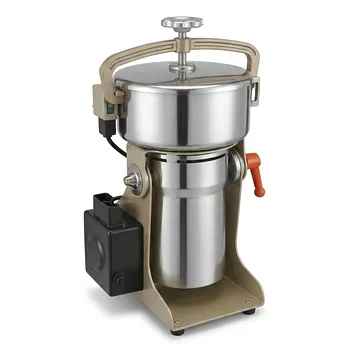
Multifunctional High Efficiency High Speed Laboratory Grinder
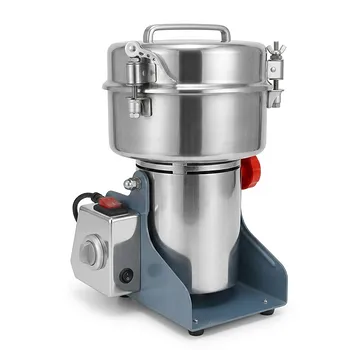
Small High-Speed Grinder for Efficient Laboratory Sample Preparation
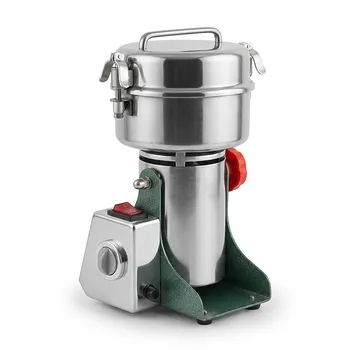
Small High-Speed Swing Grinder for Laboratory Sample Preparation
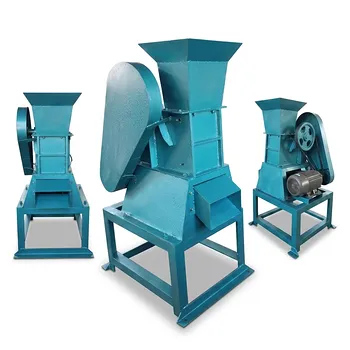
Custom Raised Height Laboratory Jaw Crusher for Precision Sample Preparation in Material Science
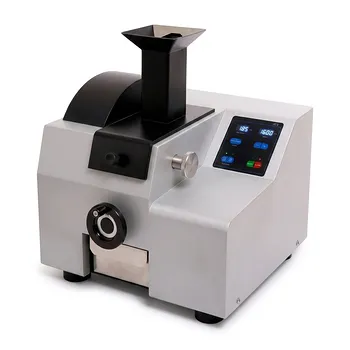
Laboratory Benchtop Jaw Crusher for Hard Brittle Materials Primary Size Reduction and Sample Preparation
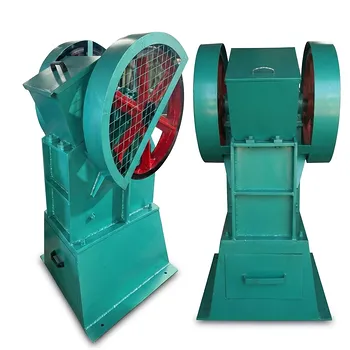
Sealed Jaw Crusher for Laboratory Material Crushing and Sample Preparation