What is the role of a vibratory laboratory sieve shaker in chromite tailings? Optimize Mineral Recovery and Analysis
Updated 4 months ago
The primary role of a vibratory laboratory sieve shaker in chromite tailings analysis is the precise isolation and classification of ultra-fine particles, particularly "slimes" smaller than 25 microns. By utilizing micron-grade precision sieves, this equipment provides the essential physical data needed to determine the distribution of chromium oxide ($Cr_2O_3$) across various size fractions. This data is the foundation for selecting efficient processing routes, such as gravity or magnetic separation.
Central Takeaway: Vibratory sieve shakers enable the accurate characterization of chromite tailings by separating ultra-fine particles that dictate recovery efficiency. This precision allows engineers to determine the optimal liberation size and select the appropriate industrial equipment for secondary mineral recovery.
Precision Classification of Ultra-Fine Slimes
The Impact of Particles Under 25 Microns
In the pre-treatment phase, the shaker isolates particles often referred to as slimes, specifically those smaller than 25 microns. The concentration of these ultra-fine particles significantly influences the recovery efficiency of downstream sorting equipment.
Evaluating Gravity Concentration Feasibility
Separating these fractions provides critical data for determining if gravity concentration methods are viable. High slime content can interfere with traditional separation, making this initial characterization a prerequisite for economic viability.
Establishing Particle Size Distribution (PSD)
By subdividing samples from top fractions down to 20 micrometers, researchers can create an accurate particle size distribution curve. This curve identifies exactly where the chromite is concentrated within the tailings.
Mapping Mineral Distribution and Process Routes
Analyzing $Cr_2O_3$ Distribution Patterns
The use of precision sieves allows technicians to analyze how chromium oxide ($Cr_2O_3$) is distributed across different size classes. Understanding this distribution is vital for identifying the optimal liberation size of the ore.
Selecting the Processing Path
Data obtained from micron-grade sieving informs the choice between gravity separation and magnetic separation. Without this precise classification, the risk of selecting an inefficient or costly recovery method increases significantly.
Foundation for Industrial Scale-up
The physical data served by laboratory sieving acts as the primary input for selecting industrial dewatering equipment. It also helps in determining the optimal feed size ranges for large-scale separation stages.
Mechanical Advantages in Tailings Analysis
Controlled Vibration and Particle Dispersion
The shaker provides stable mechanical power, often utilizing specific parameters like a 2mm amplitude. This controlled energy ensures the thorough dispersion and penetration of particles through the micron-level mesh.
Preventing Fine Particle Agglomeration
In wet sieving environments, fine particles tend to cluster or "blind" the sieve mesh. The automated mechanical force of the vibratory shaker prevents this agglomeration, ensuring that every particle has the opportunity to pass through the correct aperture.
Elimination of Human Error
Compared to manual sieving, the vibratory shaker offers consistent frequency and duration. This standardization reduces human error and produces repeatable results, which are necessary for calculating technical metrics like surface porosity.
Understanding the Trade-offs and Pitfalls
Limitations of Dry Sieving
While vibratory shakers are versatile, dry sieving ultra-fine chromite tailings (below 45 microns) often leads to static electricity issues and mesh clogging. In these cases, wet sieving is the necessary—though more labor-intensive—alternative to ensure accuracy.
Maintenance of Micron-Grade Meshes
Micron-grade precision sieves are extremely delicate and prone to deformation or damage if cleaned incorrectly. Any slight warping of the mesh apertures will immediately invalidate the particle size distribution data.
Sample Volume Constraints
Laboratory shakers are designed for analytical precision, not bulk processing. Attempting to process excessive sample weights can lead to "bed blinding," where a thick layer of material prevents the fine particles from reaching the sieve surface.
Applying Results to Your Extraction Strategy
How to Apply This to Your Project
To maximize the value of your particle size analysis, align your sieving protocol with your ultimate recovery goals.
- If your primary focus is maximizing $Cr_2O_3$ recovery: Use the shaker to identify the specific micron-range where the highest mineral concentration exists to calibrate your separation equipment.
- If your primary focus is industrial equipment selection: Utilize the mass percentage data from each sieve level to calculate the required capacity for dewatering and filtration systems.
- If your primary focus is process efficiency: Prioritize wet sieving for fractions below 45 microns to prevent particle agglomeration and ensure the accuracy of your liberation size data.
Accurate micron-grade sieving transforms raw tailings into a detailed map of mineral potential, ensuring that subsequent processing decisions are based on objective physical evidence.
Summary Table:
| Key Feature | Role in Chromite Tailings Analysis |
|---|---|
| Ultra-fine Isolation | Precisely separates "slimes" (< 25μm) for accurate characterization. |
| PSD Mapping | Establishes distribution curves down to 20μm to identify mineral focus. |
| Cr2O3 Distribution | Maps chromium oxide concentration to determine optimal liberation size. |
| Process Selection | Provides physical data to choose between gravity or magnetic separation. |
| Anti-Agglomeration | Automated vibration prevents mesh blinding and ensures consistent results. |
Elevate Your Material Analysis with [Brand Name]
Achieving precise particle size analysis is the first step toward maximizing $Cr_2O_3$ recovery and process efficiency. At [Brand Name], we provide complete laboratory sample preparation solutions for material science, specializing in high-performance powder processing and compaction equipment tailored for demanding mining and research applications.
Our extensive equipment lines include:
- Precision Sizing: Vibratory and air-jet sieve shakers with a full range of micron-grade test sieves and meshes.
- Advanced Milling: Planetary ball mills, jet mills, sand/bead mills, and liquid nitrogen cryogenic grinders for achieving optimal liberation size.
- Sample Compaction: A full spectrum of hydraulic presses, including Cold/Warm Isostatic Presses (CIP/WIP), XRF pellet presses, and vacuum hot presses.
- Primary Processing: Durable jaw and roll crushers, powder mixers, and defoaming mixers.
Don't let inaccurate data hinder your mineral recovery strategy. Contact us today to discover how our specialized laboratory solutions can bring precision and reliability to your material testing workflow!
References
- Sunil Kumar Tripathy, Veerendra Singh. Recovery of Chromite Values from Plant Tailings by Gravity Concentration. DOI: 10.4236/jmmce.2011.101002
Mentioned Products
- Laboratory Dry and Wet Three Dimensional Vibratory Sieve Shaker for Particle Analysis
- Vibratory Sieve Shaker Electromagnetic 3D Motion Powder Particle Size Analyzer for Dry and Wet Sieving
- Stainless Steel Laboratory Vibratory Test Sieve Shaker
- Small Laboratory Vibratory Sieve Shaker for Powder Gradation and Particle Size Analysis
- Laboratory Vibratory Test Sieve Shaker for Precision Particle Size Analysis and Powder Grading
People Also Ask
- What is the role of laboratory vibratory sieve shakers in waste PUR foam recycling? Optimize Particle Size and Density
- What is the primary function of a laboratory vibratory sieve shaker in the evaluation of sand liquefaction potential?
- What role do laboratory vibratory sieve shakers and test sieves play before the molding of Nb-Cu composite powders?
- What function does a laboratory vibratory sieve shaker serve in the production process of metakaolin? Optimize Reactivity
- Why is a precision laboratory vibratory sieve shaker necessary for particle size control? Optimize Biomass Carbonization

Tech Team · PowderPreparation
Last updated on Jun 03, 2026
Related Products
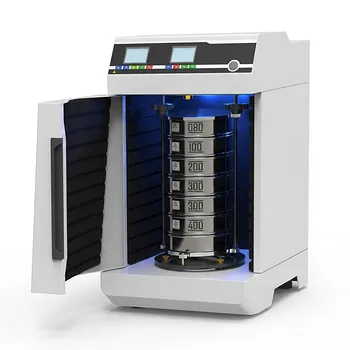
Laboratory Dry and Wet Three Dimensional Vibratory Sieve Shaker for Particle Analysis
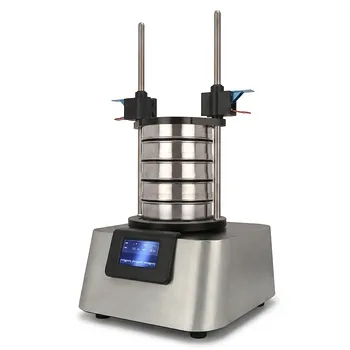
Vibratory Sieve Shaker Electromagnetic 3D Motion Powder Particle Size Analyzer for Dry and Wet Sieving
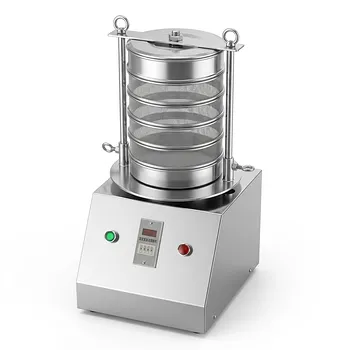
Stainless Steel Laboratory Vibratory Test Sieve Shaker

Small Laboratory Vibratory Sieve Shaker for Powder Gradation and Particle Size Analysis

Laboratory Vibratory Test Sieve Shaker for Precision Particle Size Analysis and Powder Grading

Small Laboratory Vibrating Sieve Shaker for Precise Particle Size Analysis
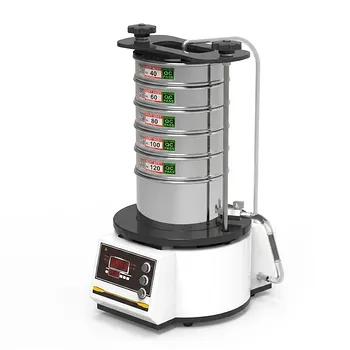
High Frequency Wet Three-Dimensional Vibrating Sieve Shaker for Dry and Wet Particle Size Analysis

Dry Three Dimensional Vibratory Sieve Shaker
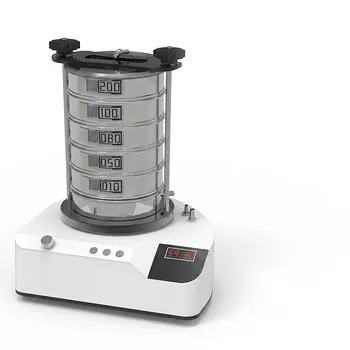
Heavy Duty Dry Three Dimensional Vibratory Sieve Shaker for Particle Separation
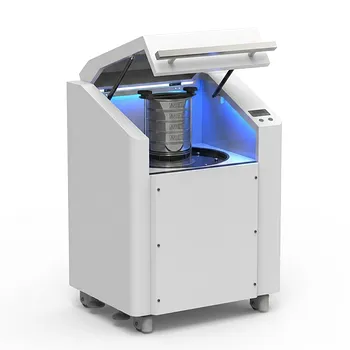
High Frequency Cabinet Type Three-Dimensional Rotary Vibrating Sieve Shaker for Dry Sieving and Particle Classification
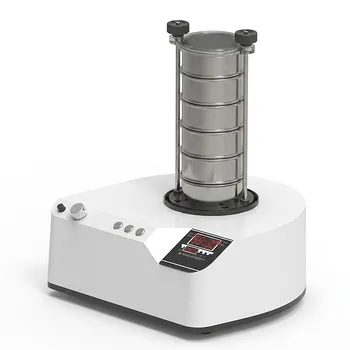
三维电磁微量振动筛分仪
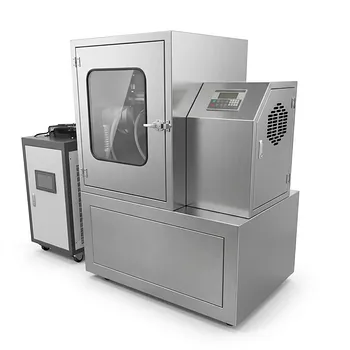
Vibratory Superfine Grinder for Ultra Fine Laboratory Powder Milling
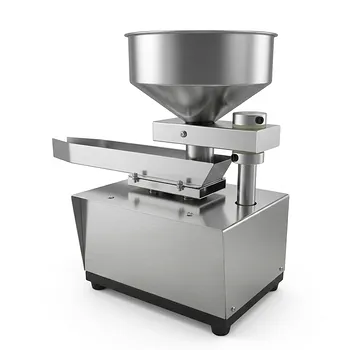
Automatic Vibrating Powder Feeder for Laboratory Material Processing Precision Vibratory Hopper Feeder for Granular and Powder Material Handling Industrial Grade Vibrating Tray Feeder for Consistent Material Sample Preparation
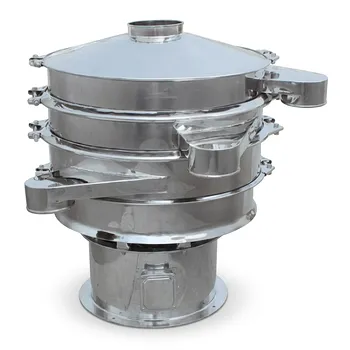
Stainless Steel Rotary Vibrating Sieve High Precision Circular Vibratory Separator Industrial Powder Grading Machine Multi Layer Sifting Equipment
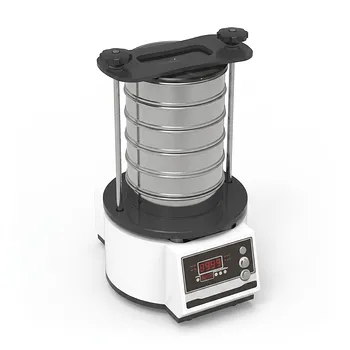
Tapping Oscillating Sieve Shaker for Dry and Wet Particle Size Analysis
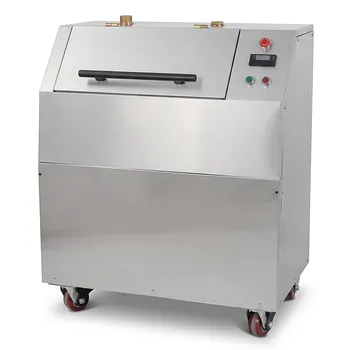
Vibratory Disc Mill for Rapid Fine Grinding and High Throughput Sample Preparation of Hard and Brittle Materials
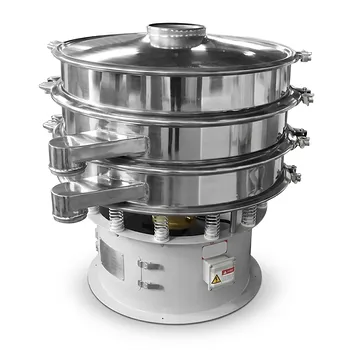
Three Dimensional Rotary Vibrating Sieve
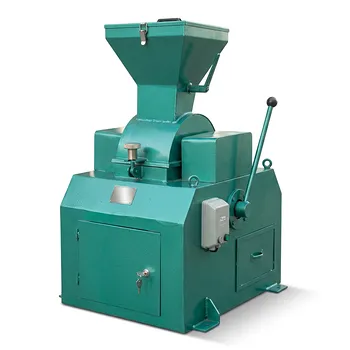
Laboratory Sealed Hammer Blade Crusher Divider for High Hardness Sample Preparation
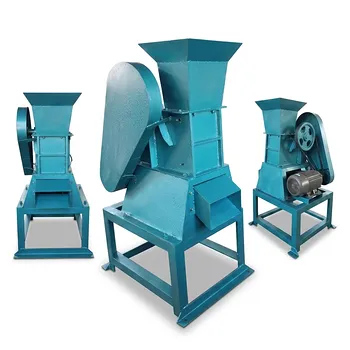
Custom Raised Height Laboratory Jaw Crusher for Precision Sample Preparation in Material Science