Why is a planetary ball mill required during the synthesis of sodium zeolite from coal gangue? Achieve High Reactivity
Updated 4 months ago
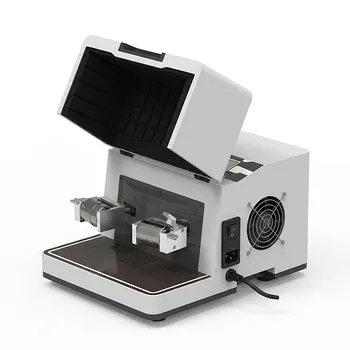
A planetary ball mill is the engine of mechanochemical activation. In the synthesis of sodium zeolite from coal gangue, it is required to refine the raw material into an ultra-fine powder capable of passing through a 200 mesh sieve. This high-energy grinding significantly increases the specific surface area and disrupts the stable mineral structure of the gangue, transforming inert silicon and aluminum components into highly reactive precursors for alkali fusion.
Core Takeaway: The planetary ball mill is essential because it moves beyond simple size reduction; it provides the high-intensity impact and shear forces necessary to "activate" the chemical potential of coal gangue, ensuring successful hydrothermal crystallization into zeolite.
The Role of Particle Refinement and Surface Area
Achieving Ultra-Fine Gradation
The synthesis process requires coal gangue to be refined to a particle size of at least 75 μm (200 mesh) or smaller. The planetary ball mill achieves this through high-speed rotation, which generates intense impact and shear forces between the grinding media and the material.
Maximizing Specific Surface Area
Reducing particle size dramatically increases the specific surface area of the powder. This expansion exposes a higher number of active sites on the particle surfaces, which is critical for the subsequent chemical reactions.
Enhancing Chemical Uniformity
High-energy milling ensures that the silicon and aluminum components are homogeneously distributed throughout the sample. This chemical uniformity is vital for consistent results during precision analysis and the subsequent zeolite formation.
Mechanochemical Activation of Inert Components
Disrupting the Glassy Si-Al Structure
Coal gangue often contains stable, glassy structures that are resistant to chemical change. The mechanochemical action of the mill disrupts these crystalline structures, making the silicon and aluminum oxides more accessible to reagents.
Increasing Dissolution Efficiency
By breaking down the internal bonds of the raw material, the milling process increases the dissolution efficiency of the components. This allows the silicon and aluminum to dissolve more readily into the alkaline solution during hydrothermal synthesis.
Shortening Diffusion Paths
In the context of chemical synthesis, smaller particles equate to shorter diffusion paths. This allows the alkali-activation agents to penetrate the material faster, significantly accelerating the overall reaction kinetics.
Understanding the Trade-offs and Limitations
Energy Intensity and Operating Costs
Planetary ball mills are high-energy devices that require significant power to maintain high-speed rotation. For large-scale industrial synthesis, the cost of energy must be balanced against the increased reactivity of the powder.
Potential for Material Contamination
The intense friction and impact within the mill can lead to abrasion of the grinding jars and balls. This can introduce trace impurities (such as alumina or zirconia) into the coal gangue, which may affect the purity of the final sodium zeolite.
Heat Generation and Structural Changes
Prolonged high-energy milling generates significant heat, which can sometimes lead to the unwanted agglomeration of particles. Careful monitoring of milling time—often limited to approximately two hours—is necessary to prevent these thermal effects.
How to Optimize Milling for Your Goal
Application-Specific Recommendations
- If your primary focus is Maximum Reactivity: Utilize longer milling times and higher speeds to achieve nanoscale refinement, which maximizes the available surface area for alkali fusion.
- If your primary focus is Purity and Precision: Use grinding media made of the same material as the target product (if possible) or high-density agate to minimize contamination during the refinement of analytical samples.
- If your primary focus is Throughput and Efficiency: Target the 200 mesh threshold specifically, as over-grinding beyond this point often yields diminishing returns relative to the energy consumed.
By strategically utilizing the planetary ball mill, you transform an inert industrial byproduct into a highly reactive chemical precursor ready for high-value zeolite production.
Summary Table:
| Feature of Milling | Impact on Coal Gangue | Benefit for Zeolite Synthesis |
|---|---|---|
| Size Reduction | Achieves <75 μm (200 mesh) | Increases specific surface area and active sites |
| Structural Disruption | Breaks stable Si-Al bonds | Transforms inert minerals into reactive precursors |
| High-Energy Impact | Mechanochemical activation | Enhances dissolution efficiency in alkaline solutions |
| Homogenization | Uniform chemical distribution | Ensures consistent hydrothermal crystallization |
| Kinetic Acceleration | Shortens diffusion paths | Significantly reduces overall reaction time |
Optimize Your Material Synthesis with Professional Precision
Turning industrial byproducts like coal gangue into high-value zeolites requires more than just grinding—it requires mechanochemical mastery. At our core, we provide complete laboratory sample preparation solutions for material science, specializing in the high-performance equipment you need to achieve consistent, scalable results.
Our specialized equipment line includes:
- Advanced Milling: Planetary ball mills, jet mills, and cryogenic grinders for ultra-fine particle refinement.
- Powder Processing: Sieve shakers, powder mixers, and high-speed defoaming mixers for perfect chemical uniformity.
- Compaction Solutions: A full spectrum of hydraulic presses, including Cold/Warm Isostatic Presses (CIP/WIP), vacuum hot presses, and XRF pellet presses.
Whether you are refining raw materials or preparing samples for precision analysis, our experts are here to support your research and production goals.
Ready to elevate your lab’s efficiency? Contact us today to find the perfect equipment for your application!
References
- Yiou Wang, Tianhui Zhao. A Study on the Removal of Phosphate from Water Environments by Synthesizing New Sodium-Type Zeolite from Coal Gangue. DOI: 10.3390/w17172628
Mentioned Products
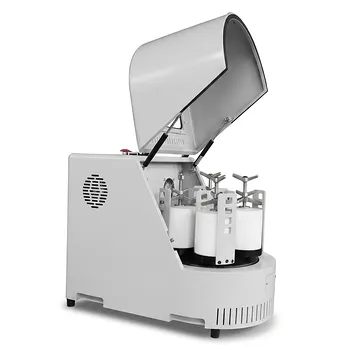
- Vertical Semi Circular Planetary Ball Mill for Laboratory Precision Grinding
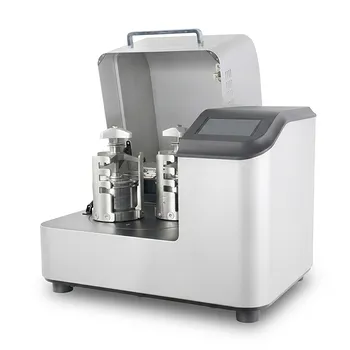
- High Energy Planetary Ball Mill for Nano Scale Grinding and Mechanical Alloying
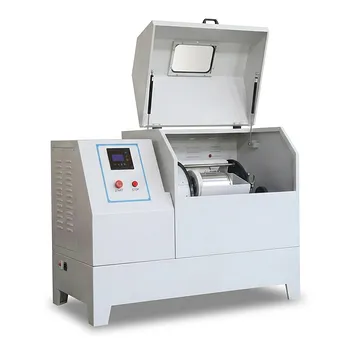
- Heavy Duty Horizontal Planetary Ball Mill for Efficient Industrial Grinding and Sample Preparation
- Vertical Production Planetary Ball Mill for High Throughput Powder Processing
- 360° Rotating Omnidirectional Laboratory Planetary Ball Mill for Homogeneous Ultra-Fine Grinding and Mixing
People Also Ask
- What role does a planetary ball mill play in the synthesis of Li6PS5Cl (LPSCl)? Unlock High Ionic Conductivity
- Why is a planetary ball mill essential for SiBCN-rGO wet-spinning? Achieve Superior Dispersion and Spinnability
- Why is an intermittent grinding process required for perovskites in a planetary ball mill? Ensure Stability & Purity
- Why is a planetary ball mill required for PET micronization? Ensure Accurate Chemical Analysis of Reprocessed PET
- How does mechanized planetary ball milling compare to manual agate grinding? Optimize sulfide standard material precision.

Tech Team · PowderPreparation
Last updated on May 14, 2026
Related Products
Vertical Semi Circular Planetary Ball Mill for Laboratory Precision Grinding
High Energy Planetary Ball Mill for Nano Scale Grinding and Mechanical Alloying
Heavy Duty Horizontal Planetary Ball Mill for Efficient Industrial Grinding and Sample Preparation
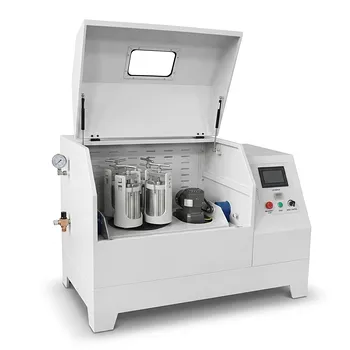
Vertical Production Planetary Ball Mill for High Throughput Powder Processing
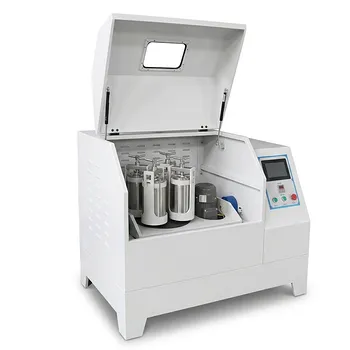
360° Rotating Omnidirectional Laboratory Planetary Ball Mill for Homogeneous Ultra-Fine Grinding and Mixing
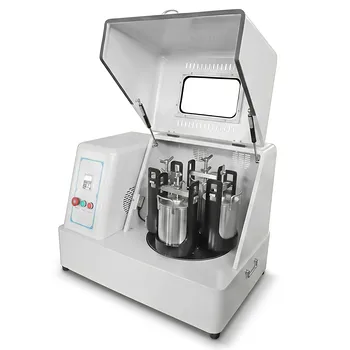
Vertical Square Planetary Ball Mill for Laboratory Sample Preparation and Nanoscale Grinding
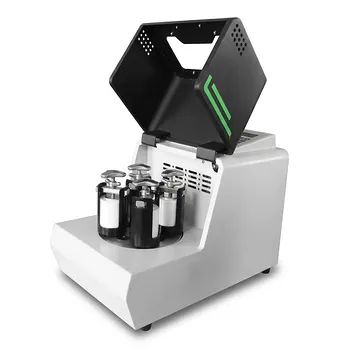
Miniature Planetary Ball Mill with Vacuum Grinding and High Efficiency for Laboratory Sample Preparation
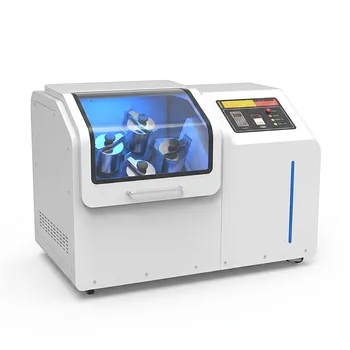
High Energy Omnidirectional Planetary Ball Mill 16L
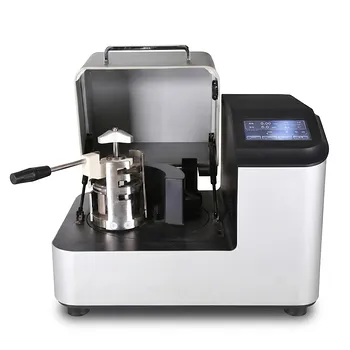
High Energy Laboratory Planetary Ball Mill for Nano Grinding and Material Science Sample Preparation
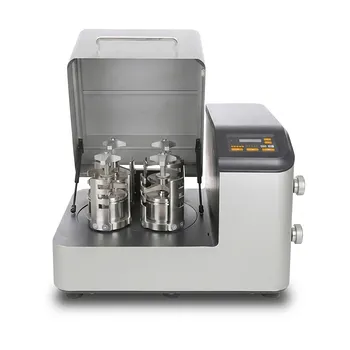
High Energy Planetary Ball Mill for Nano Scale Grinding and Colloidal Mixing in Material Science Research
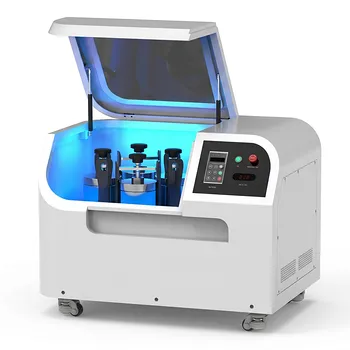
Planetary Ball Mill 12L
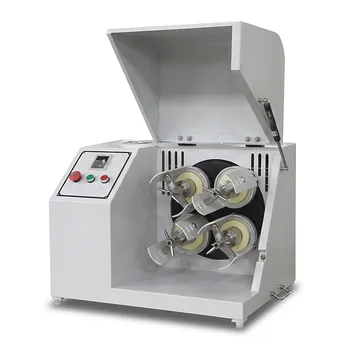
Horizontal Light Duty Planetary Ball Mill for Laboratory Sample Preparation
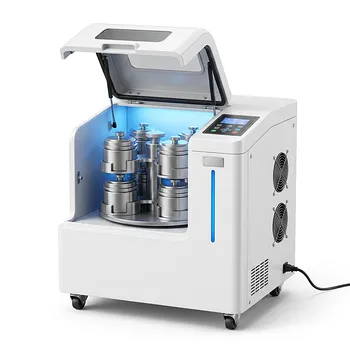
High Energy Omnidirectional Planetary Ball Mill 20L
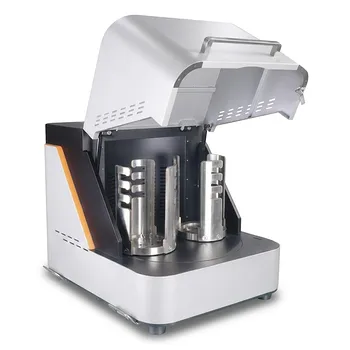
High Energy Laboratory Planetary Ball Mill for Nano Grinding and Colloidal Mixing of Hard and Brittle Materials
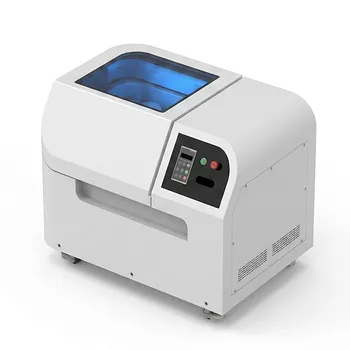
8L Planetary Ball Mill for Laboratory Grinding and Sample Preparation
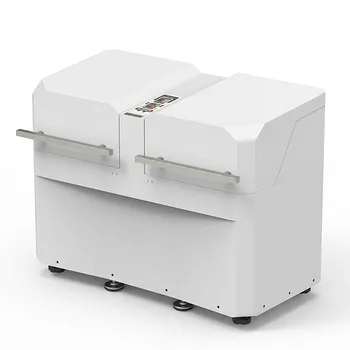
Dual Station Planetary Ball Mill 24L
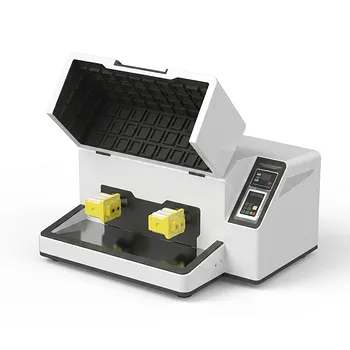
Multi-Platform Nanoscale High-Energy Vibratory Ball Mill
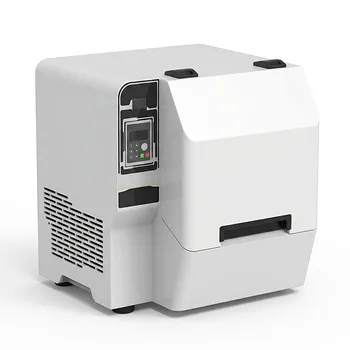
Nano High Energy Vibratory Ball Mill for Laboratory Sample Preparation
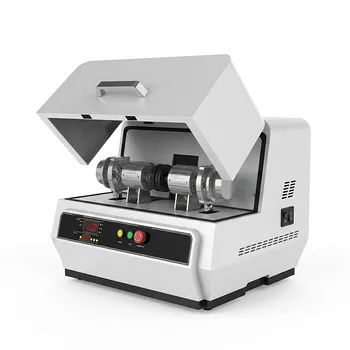
Dual Jar High Energy Vibratory Ball Mill