Why is a laboratory hydraulic press required to compress precursor powders into green pellets before preparing SrFeOx ferrites?
Updated 5 months ago
The use of a laboratory hydraulic press is fundamental to the synthesis of SrFeOx ferrites. It transforms loose precursor powders, such as strontium carbonate (SrCO3) and iron oxide (Fe2O3), into dense "green pellets" by applying high axial pressure to eliminate internal voids and maximize particle contact. This physical compaction is the critical first step that enables efficient atomic diffusion and phase formation during the subsequent high-temperature sintering process.
By drastically reducing the distance between reactant particles and increasing their effective contact area, hydraulic pressing facilitates the solid-state reaction kinetics necessary for creating dense, stoichiometrically accurate ferrite structures.
Enhancing Solid-State Reaction Kinetics
Minimizing Atomic Diffusion Distance
Solid-state reactions rely on the movement of atoms across particle boundaries, a process that is extremely slow in loose powders. The hydraulic press applies strong axial pressure to shorten the diffusion distance, allowing elements to migrate more easily between the Sr and Fe precursors.
Maximizing Effective Contact Area
High-compaction processing increases the number of contact points between individual powder particles. This ensures that the chemical reaction occurs uniformly throughout the sample rather than being restricted to a few isolated points of contact.
Accelerating Reaction Efficiency
By eliminating large internal pores, the press ensures that the materials reach the necessary energy state for reaction more quickly. This leads to the formation of a dense perovskite phase or layered oxide crystals with higher crystallinity.
Achieving Structural and Phase Integrity
Ensuring Stoichiometric Accuracy
In the production of SrFeOx ferrites, maintaining an accurate stoichiometric ratio is vital for magnetic and electrical performance. Dense compaction prevents the local imbalances that occur when reactants are physically separated by voids or air pockets.
Facilitating Uniform Densification
A laboratory hydraulic press provides the constant, high pressure required to achieve a uniform green density across the entire pellet. This uniformity is essential for preventing cracking or warping during the high-temperature sintering stage.
Eliminating Entrapped Gases and Voids
The pressing process forces out excess gas trapped between particles, which would otherwise create structural defects. Removing these voids establishes a foundation for higher mechanical strength in the final sintered ceramic.
Thermal and Electrical Optimization
Improving Thermal Conduction Efficiency
Dense pellets exhibit much higher thermal conductivity than loose powders. This ensures that heat is distributed uniformly throughout the material during calcination, preventing "cold spots" that result in incomplete reactions.
Reducing Contact Resistance
For specialized processes like Spark Plasma Sintering (SPS) or Ultrafast Carbothermal Shock, the press reduces initial contact resistance. This allows for efficient current conduction and uniform Joule heating, enabling rapid sintering within seconds.
Standardizing Geometry for Testing
Pressing powders into molds creates pellets with standardized dimensions (e.g., 10 mm diameter). This geometric consistency is required for accurate post-sintering measurements of dielectric constants, AC conductivity, and magnetic properties.
Understanding the Trade-offs
Risk of Pressure-Induced Defects
While high pressure is beneficial, exceeding the material's limits can cause delamination or "capping," where the pellet splits into layers upon release from the mold. This is often caused by entrapped air or elastic recovery of the powder.
Density Gradients
Friction between the powder and the mold walls can lead to non-uniform density within a single pellet. The center of the pellet may remain less dense than the edges, potentially leading to uneven shrinkage during the firing process.
Mold Wear and Contamination
Repeated high-pressure cycles can wear down precision molds, potentially introducing trace metal contaminants into the ferrite precursor. Proper lubrication and the use of hardened materials like tungsten carbide are necessary to maintain purity.
How to Apply This to Your Project
Recommendations Based on Research Goals
- If your primary focus is phase purity and stoichiometry: Use a high-precision press to achieve maximum compaction, ensuring that Sr and Fe ions are in the closest possible proximity before heating.
- If your primary focus is high-throughput testing: Standardize your pressing parameters (e.g., 300 Kg/cm²) to ensure that every sample has identical dimensions for repeatable electrical and magnetic measurements.
- If your primary focus is rapid or non-traditional sintering: Prioritize the elimination of internal voids to ensure uniform current flow and heat distribution during the sintering cycle.
Compacting precursor powders with a hydraulic press is not merely a shaping step, but a vital kinetic intervention that dictates the final quality of the synthesized ferrite.
Summary Table:
| Key Factor | Benefit for SrFeOx Synthesis | Impact on Final Ferrite |
|---|---|---|
| Particle Proximity | Shortens atomic diffusion distance | Faster, more complete phase formation |
| Contact Area | Maximizes reaction sites between Sr and Fe | Enhanced stoichiometric accuracy |
| Void Elimination | Removes entrapped gases/air pockets | Increased mechanical strength & density |
| Geometric Uniformity | Standardizes pellet dimensions | Accurate magnetic & electrical testing |
| Thermal Efficiency | Improves conduction during sintering | Prevents cold spots and structural defects |
Elevate Your Material Synthesis with Precision Compaction
Achieving the perfect perovskite phase in SrFeOx ferrites requires more than just high temperatures—it demands precise powder preparation. At [Company Name], we provide complete laboratory sample preparation solutions tailored for material science.
Whether you are synthesizing magnetic ceramics or advanced oxides, our equipment ensures uniform density and structural integrity:
- Advanced Hydraulic Presses: Including standard lab presses, XRF pellet presses, and Vacuum Hot Presses.
- Isostatic Pressing (CIP/WIP): For achieving maximum theoretical density without gradients.
- Powder Processing: High-energy planetary ball mills, jet mills, and vacuum defoaming mixers for perfectly blended precursors.
Ready to optimize your pellet quality and reaction kinetics? Contact our technical experts today to find the ideal compaction solution for your research goals!
References
- Celal Avcıoğlu, Suna Avcıoğlu. Recent Advances in Iron‐Containing Perovskites for Supercapacitors. DOI: 10.1002/aesr.202400289
Mentioned Products
- 6-Ton Small Single-Punch Tablet Press — Laboratory Powder & Granule Tableting Equipment / Tablet Forming Machine
- Enhanced 9 Punch Rotary Tablet Press for Powder Compaction
- Manual Tablet Press with Dual Scale Pressure Gauge for Pharmaceutical Food Chemical Laboratory Sample Preparation
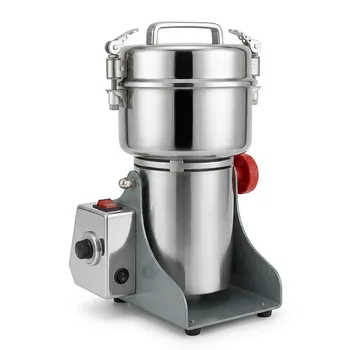
- Universal Laboratory Pulverizer Grinder for Small Batch Powder Processing and Material Science Research
- High Speed Swing Type Laboratory Pulverizer for Fine Powder Grinding and Sample Preparation
People Also Ask
- What is the function of a laboratory press in Cr-Ti alloy evaluation? Quantify Fracture Stress & Strength
- What is the function of a laboratory press in assessing the hydrophobic performance of modified vermiculite fillers?
- What is the core function of a laboratory press in the forming of ceramic filter element green bodies? Maximize Density.
- What is the function of a laboratory press in the preparation of ceramic feed rods? Master Density and Precision
- Why is vacuum sealing and flexible packaging necessary for Aluminum Titanate powders during CIP? Ensure Peak Density

Tech Team · PowderPreparation
Last updated on May 14, 2026
Related Products
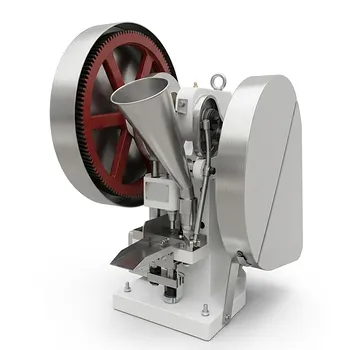
6-Ton Small Single-Punch Tablet Press — Laboratory Powder & Granule Tableting Equipment / Tablet Forming Machine
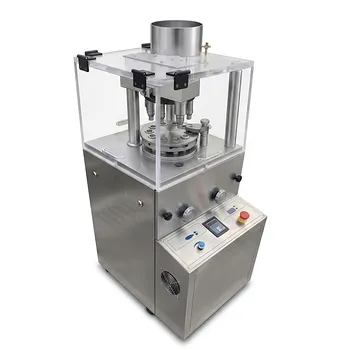
Enhanced 9 Punch Rotary Tablet Press for Powder Compaction
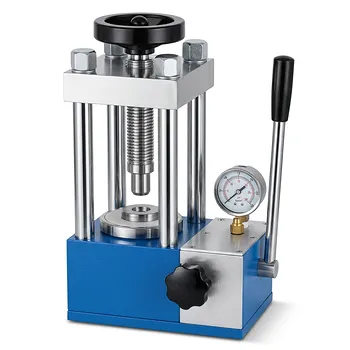
Manual Tablet Press with Dual Scale Pressure Gauge for Pharmaceutical Food Chemical Laboratory Sample Preparation
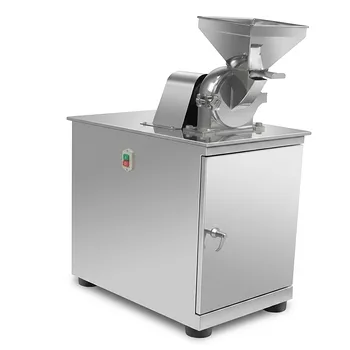
Universal Laboratory Pulverizer Grinder for Small Batch Powder Processing and Material Science Research
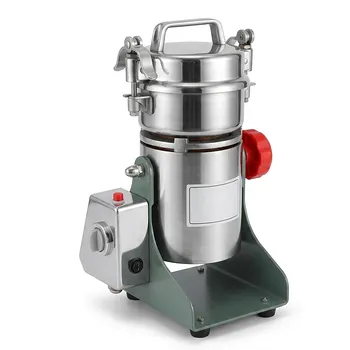
High Speed Swing Type Laboratory Pulverizer for Fine Powder Grinding and Sample Preparation
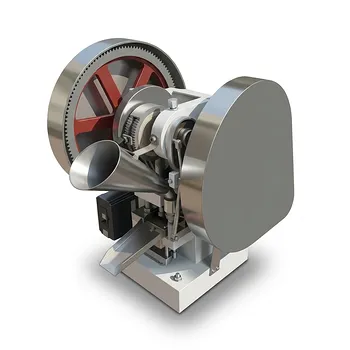
6 Ton Variable Frequency Single Punch Tablet Press
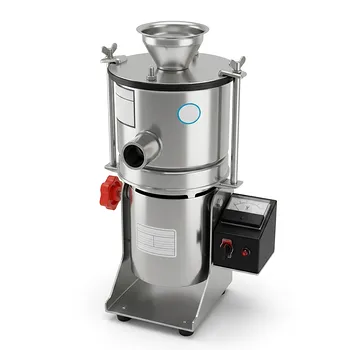
Air Guided Ultrafine Pulverizer High Speed Laboratory Powder Grinder for Chemical and Material Processing
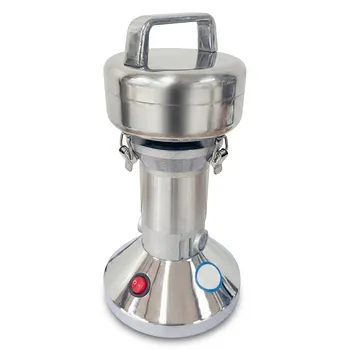
Small Trace Sample High Speed Pulverizer Grinder Laboratory Powder Mill
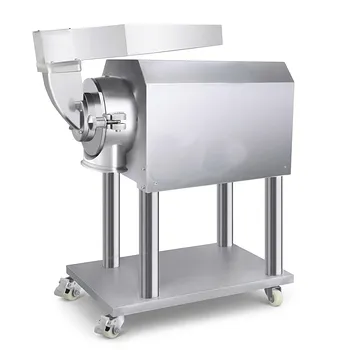
High Speed Small Laboratory Crusher for Dry Material Sample Preparation
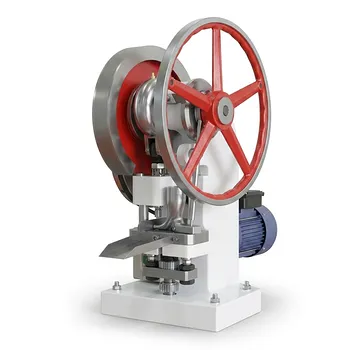
5 Ton Single Punch Tablet Press Laboratory Small Batch Production
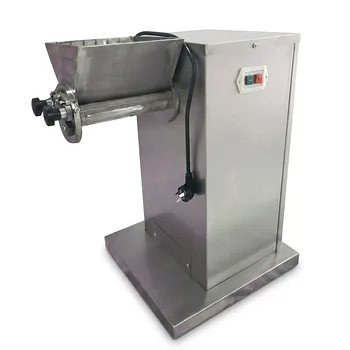
Small Laboratory Oscillating Granulator for Wet and Dry Granulation Processing
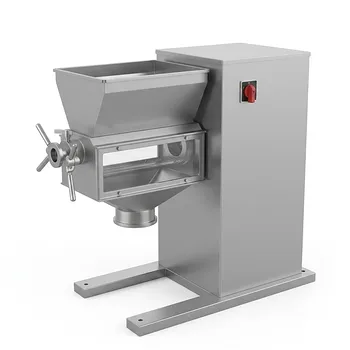
Industrial Swing Granulator for Powder Processing in Pharma Food and Chemical Industries
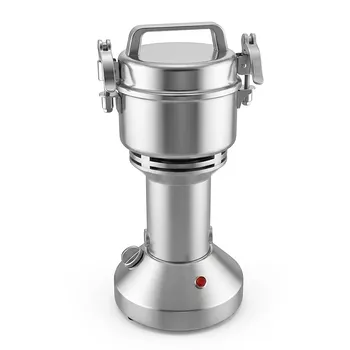
Small High Speed Upright Grinder for Laboratory Sample Preparation
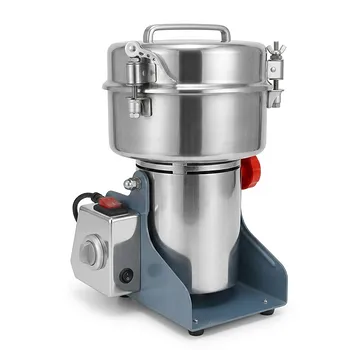
Small High-Speed Grinder for Efficient Laboratory Sample Preparation
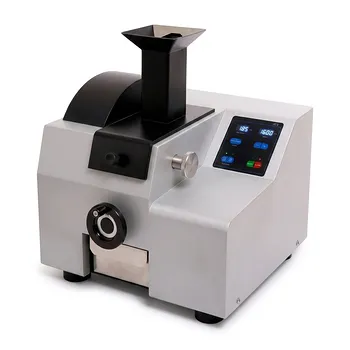
Laboratory Benchtop Jaw Crusher for Hard Brittle Materials Primary Size Reduction and Sample Preparation