What is the function of a laboratory press in the preparation of ceramic feed rods? Master Density and Precision
Updated 5 months ago
The laboratory press serves as the critical engineering tool for transforming loose ceramic powders into a dense, geometrically precise "green body." By applying controlled mechanical pressure within a mold, the press packs powder particles together to establish the structural integrity and density required for the feed rod to survive the subsequent sintering and directional solidification processes.
A laboratory press bridges the gap between raw powder and a functional ceramic rod by eliminating internal porosity and creating a uniform physical foundation. This ensures the rod maintains its shape and structural stability under the extreme thermal conditions of directional solidification.
Establishing Structural Integrity Through Compaction
Creating the Green Body Foundation
The primary function of the laboratory press is to mold mixed powders into a specific, manageable shape known as a green body. This stage is vital because it provides the necessary mechanical strength for the rod to be handled and processed without fracturing.
Achieving Geometric Precision
Directional solidification requires feed rods with exact dimensions to fit within specialized furnaces. The press utilizes high-precision molds to ensure the rod meets these geometric requirements, providing a standardized specimen for consistent experimental results.
Increasing Packing Density
By applying mechanical force—often reaching pressures like 35 MPa—the press forces powder particles into closer contact. This high-pressure molding significantly increases the packing density, which is the prerequisite for a successful transition from powder to solid ceramic.
Optimizing the Material for High-Temperature Processing
Reducing Internal Porosity
Air pockets or "voids" within a feed rod are catastrophic during high-temperature processing. The laboratory press effectively expels gases and eliminates internal pores, which prevents the rod from cracking or exploding during the intense heat of sintering.
Facilitating Atomic Diffusion
The press ensures that particles are in such close contact that atomic diffusion can occur during the sintering phase. This close proximity allows grains to rearrange and bond, turning a fragile compacted powder into a high-strength ceramic material.
Managing Density Gradients
Precise pressure control is used to minimize density gradients within the rod. A uniform internal density is essential because it ensures the rod shrinks evenly during sintering, preventing the warping or deformation that would ruin a directional solidification run.
Understanding the Trade-offs and Pitfalls
Pressure vs. Material Damage
While high pressure increases density, exceeding the material's limits can lead to "springback" or delamination. If the pressure is released too quickly or is too high for the specific powder chemistry, the green body may develop micro-cracks that only appear after sintering.
The Impact of Wall Friction
Friction between the powder and the mold walls can lead to uneven pressure distribution. This often results in a rod that is denser at the ends than in the middle, which can cause the rod to bend or "banana" when subjected to the thermal gradients of directional solidification.
Limitations of Dry Pressing
Dry pressing in a laboratory press is excellent for simple geometries like cylinders, but it struggles with complex internal features. For feed rods requiring intricate cooling channels or non-uniform cross-sections, additional processing steps or different molding techniques may be required.
How to Optimize Your Feed Rod Preparation
To achieve the best results for directional solidification, you must align your pressing parameters with your specific material goals.
- If your primary focus is structural uniformity: Use a slow loading rate and a longer pressure holding time to allow particles to settle and air to escape completely.
- If your primary focus is maximum density: Utilize high-pressure compaction (35 MPa or higher) combined with a lubricant to reduce wall friction and ensure deep particle packing.
- If your primary focus is preventing sintering cracks: Ensure your initial powder is well-mixed and use the press to achieve a highly consistent green density that minimizes localized shrinkage.
The laboratory press is the foundational tool that ensures a ceramic feed rod possesses the density and uniformity required to withstand the rigors of directional solidification.
Summary Table:
| Key Function | Engineering Benefit | Impact on Solidification |
|---|---|---|
| Compaction | Creates a stable "green body" | Ensures structural integrity during handling |
| High-Pressure Molding | Increases packing density | Facilitates atomic diffusion & bonding |
| Gas Expulsion | Reduces internal porosity | Prevents cracking or exploding at high temps |
| Geometric Control | Precise dimensions/shapes | Ensures standardized fit in specialized furnaces |
| Uniform Pressure | Minimizes density gradients | Prevents warping or "banana" deformation |
Elevate Your Material Research with Precision Pressing
Achieving the perfect ceramic feed rod requires more than just pressure—it requires precision and reliability. [Our Brand Name] provides complete laboratory sample preparation solutions for material science, specializing in high-performance powder processing and compaction equipment.
Whether you are preparing feed rods for directional solidification or researching advanced ceramics, our extensive product line is designed to meet your most rigorous requirements:
- Hydraulic Presses: Full spectrum including standard lab presses, XRF pellet presses, and hot presses.
- Isostatic Pressing: Advanced Cold/Warm Isostatic Presses (CIP/WIP) for uniform density.
- Powder Processing: Comprehensive range of crushers, mills (planetary, jet, rotor), and sieve shakers.
- Advanced Mixing: Specialized powder and defoaming mixers for homogeneous material preparation.
Ready to optimize your sample preparation and ensure consistent experimental results?
Contact us today to discuss your specific application!
References
- Ying Nie, R.I. Merino. Influence of microstructural size on the thermal shock behavior of Al2O3-Er3Al5O12 directionally solidified eutectics. DOI: 10.1016/j.scriptamat.2018.09.036
Mentioned Products
- Manual Tablet Press with Dual Scale Pressure Gauge for Pharmaceutical Food Chemical Laboratory Sample Preparation
- 6-Ton Small Single-Punch Tablet Press — Laboratory Powder & Granule Tableting Equipment / Tablet Forming Machine
- 5 Ton Single Punch Tablet Press Laboratory Small Batch Production
- 6 Ton Variable Frequency Single Punch Tablet Press
- Universal Laboratory Pulverizer Grinder for Small Batch Powder Processing and Material Science Research
People Also Ask
- What is the function of a laboratory press in Cr-Ti alloy evaluation? Quantify Fracture Stress & Strength
- What is the function of a laboratory press in assessing the hydrophobic performance of modified vermiculite fillers?
- What is the core function of a laboratory press in the forming of ceramic filter element green bodies? Maximize Density.
- Why is vacuum sealing and flexible packaging necessary for Aluminum Titanate powders during CIP? Ensure Peak Density
- Why is a laboratory hydraulic press required for FT-IR KBr pellets? Achieve Precise Sample Clarity for ZrC–SiC Analysis

Tech Team · PowderPreparation
Last updated on May 14, 2026
Related Products
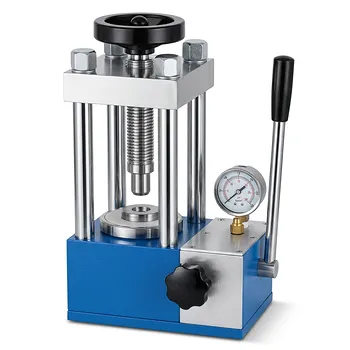
Manual Tablet Press with Dual Scale Pressure Gauge for Pharmaceutical Food Chemical Laboratory Sample Preparation
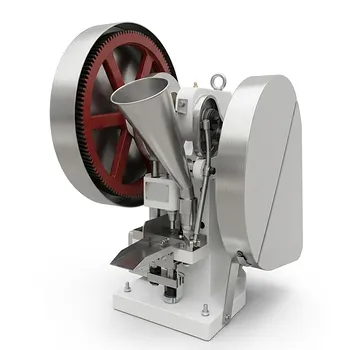
6-Ton Small Single-Punch Tablet Press — Laboratory Powder & Granule Tableting Equipment / Tablet Forming Machine
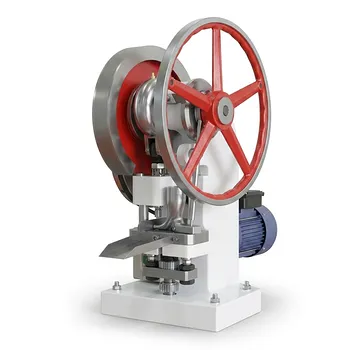
5 Ton Single Punch Tablet Press Laboratory Small Batch Production
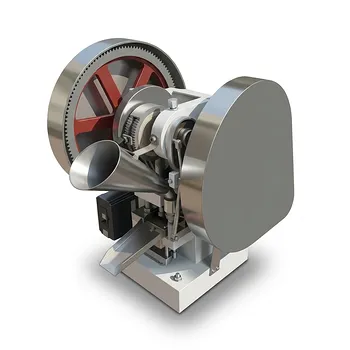
6 Ton Variable Frequency Single Punch Tablet Press
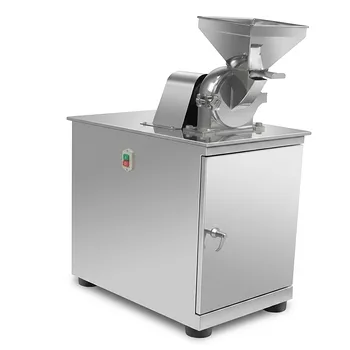
Universal Laboratory Pulverizer Grinder for Small Batch Powder Processing and Material Science Research
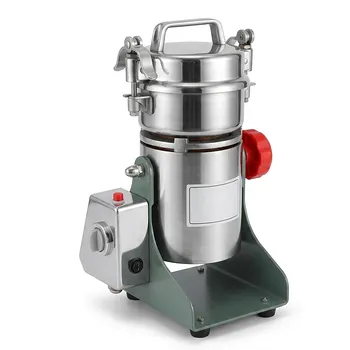
High Speed Swing Type Laboratory Pulverizer for Fine Powder Grinding and Sample Preparation
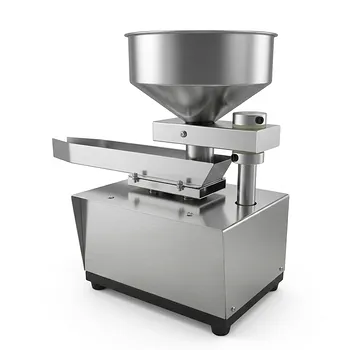
Automatic Vibrating Powder Feeder for Laboratory Material Processing Precision Vibratory Hopper Feeder for Granular and Powder Material Handling Industrial Grade Vibrating Tray Feeder for Consistent Material Sample Preparation
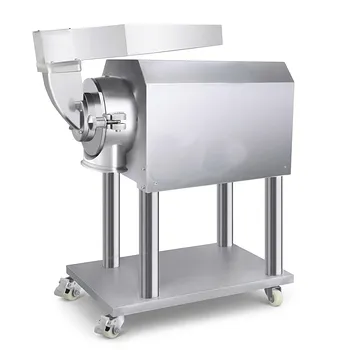
High Speed Small Laboratory Crusher for Dry Material Sample Preparation
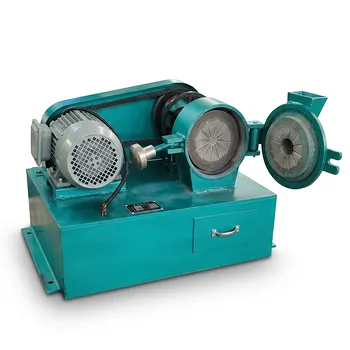
Laboratory Disc Mill Medium Hard Material Grinding Coal Coke Ore Pulverizer
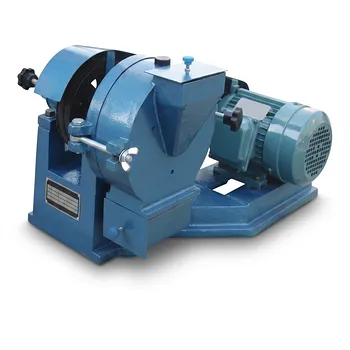
Laboratory Disc Mill for Ore and Mineral Sample Preparation
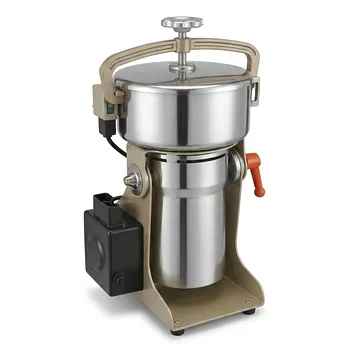
Multifunctional High Efficiency High Speed Laboratory Grinder
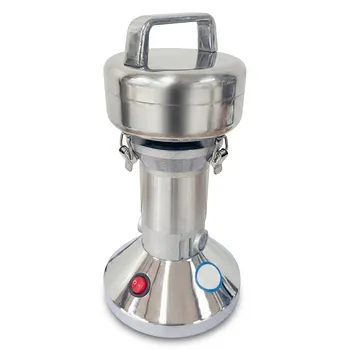
Small Trace Sample High Speed Pulverizer Grinder Laboratory Powder Mill
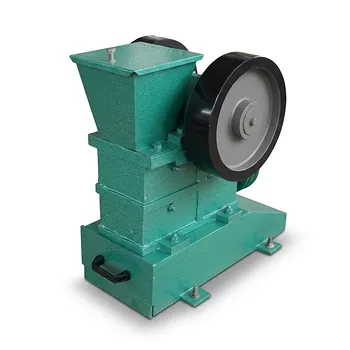
Laboratory Small Jaw Crusher 100x60mm
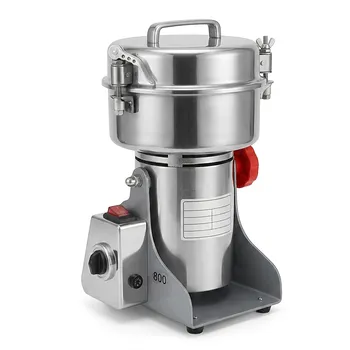
Small High-Speed Laboratory Grinder for Rapid Sample Preparation
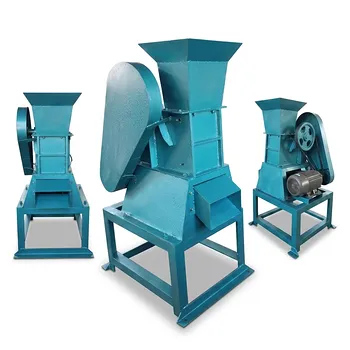
Custom Raised Height Laboratory Jaw Crusher for Precision Sample Preparation in Material Science
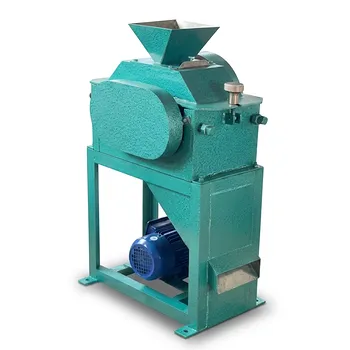
Laboratory Double Roll Crusher for Medium Hardness Materials Coal Ore Sample Preparation
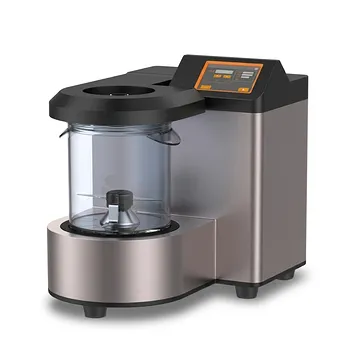
Laboratory Knife Mill for Large Volume Sample Homogenization and Food Preparation
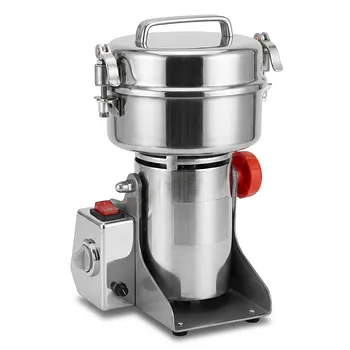
High Speed Laboratory Powder Grinder Small Batch Sample Preparation Mill
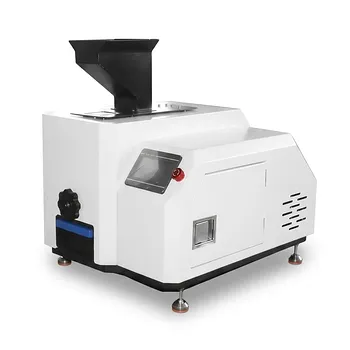
Laboratory Jaw Crusher 2025 Model for Ore and Brittle Material Crushing