Why is a bead mill required for polyaniline powder in conductive resins? Achieve Nanoscale Refinement for Conductivity
Updated 5 months ago
High-energy sand mills and bead mills are required to mechanically fracture polyaniline agglomerates and "necking" structures into primary particles. This reduction in size is critical because it maximizes the surface area available for chemical interaction, effectively lowering the temperature threshold required for thermal doping and ensuring a conductive network forms before the resin matrix cures.
To achieve high conductivity in thermosetting resins, polyaniline must be refined to a nanometer scale to facilitate rapid thermal doping and uniform dispersion. High-energy milling provides the specific shear and impact forces needed to overcome physical particle bonds that standard mixing cannot break.
Overcoming Physical Barriers in Polyaniline Agglomerates
Breaking Necking Structures and Agglomerates
Polyaniline powder, especially when produced via dry-process methods, often features necking structures where particles are physically fused. High-energy bead mills utilize high-frequency collisions from grinding media to provide the mechanical energy necessary to fracture these bonds.
Achieving Nanoscale Refinement
These mills can operate at speeds up to 1500 rpm, generating the intensity required to reach a nanometer-scale distribution (often a D90 of 100-200 nm). This level of refinement is the physical foundation for creating a high-quality slurry that can be integrated into a resin system without settling or clumping.
The Chemical Impact: Optimizing Thermal Doping
Increasing Effective Contact Area
By refining the powder, the effective contact area between the polyaniline and liquid dopants is dramatically increased. A higher surface-to-volume ratio ensures that more of the polymer is exposed to the dopant simultaneously, leading to more efficient chemical conversion.
Lowering the Thermal Doping Temperature
The increased contact area successfully lowers the starting temperature required for thermal doping to occur. This is a critical advantage in thermosetting systems, as it allows the polyaniline to become conductive at temperatures that do not trigger premature resin gelation.
Integration into the Thermosetting Matrix
Forming the Conductive Network Before Curing
For a resin to be conductive, the polyaniline must form a comprehensive network while the resin is still liquid. High-energy milling ensures particles are small and mobile enough to arrange themselves into this network before the resin cross-links and "locks" the structure in place.
Synchronized Surface Modification
Bead mills allow for synchronized surface modification by facilitating the application of agents like silane coupling agents during the grinding process. This ensures that once the particles are reduced to their primary size, they remain uniformly dispersed and chemically compatible with the host resin.
Understanding the Trade-offs
Mechanical Degradation Risks
While high energy is required for refinement, excessive milling can lead to polymer chain degradation. If the mechanical shear is too intense or prolonged, it may break the backbone of the polyaniline itself, potentially reducing the final electrical performance.
Heat Management and Cost
The high-intensity impact of these mills generates significant frictional heat, which can prematurely react the dopants or the resin if not carefully managed. Additionally, the requirement for specialized grinding media and high-speed equipment increases the initial capital investment and operational maintenance costs compared to simple high-shear mixing.
Making the Right Choice for Your Goal
To successfully optimize your conductive resin, the milling process must be tuned to your specific performance requirements:
- If your primary focus is maximum electrical conductivity: Prioritize a bead mill that can achieve a D90 below 200 nm to ensure the most robust conductive network formation before resin cure.
- If your primary focus is processing stability and shelf-life: Utilize synchronized surface modification during the milling phase to prevent the refined particles from re-agglomerating in the liquid resin.
- If your primary focus is minimizing material degradation: Implement a multi-stage milling approach with active cooling to reach the desired particle size without overheating the polyaniline chains.
By precisely controlling the mechanical energy applied to polyaniline, you can unlock the full potential of conductive thermosetting composites through superior particle refinement and chemical integration.
Summary Table:
| Process Feature | Mechanical Impact | Chemical/Electrical Benefit |
|---|---|---|
| High-Energy Impact | Breaks fused "necking" structures | Maximizes surface area for dopants |
| Nanoscale Milling | Achieves D90 of 100-200 nm | Uniform dispersion in resin matrix |
| Thermal Control | Lowers thermal doping threshold | Prevents premature resin gelation |
| Surface Modification | Synchronized additive coating | Prevents particle re-agglomeration |
Elevate Your Material Research with Expert Sample Preparation
Are you struggling to achieve uniform dispersion and high conductivity in your composites? [Brand Name] provides complete laboratory sample preparation solutions tailored for material science, specializing in high-precision powder processing and compaction equipment.
Our extensive product lines include:
- Advanced Milling & Grinding: High-energy sand/bead mills, planetary ball mills, jet mills, and cryogenic grinders for precise nanoscale refinement.
- Powder Processing: Crushers, sieve shakers, and specialized mixers for consistent material handling.
- Compaction Solutions: A full spectrum of hydraulic presses, including Cold/Warm Isostatic Presses (CIP/WIP), vacuum hot presses, and XRF pellet presses.
We help researchers overcome physical barriers in polyaniline processing to ensure superior electrical performance and material stability. Contact us today to optimize your lab's workflow and equipment performance!
References
- Kohei Takahashi, Tatsuhiro Takahashi. Development of Electrically Conductive Thermosetting Resin Composites through Optimizing the Thermal Doping of Polyaniline and Radical Polymerization Temperature. DOI: 10.3390/polym14183876
Mentioned Products
- Horizontal Bead Mill for Nanoscale Grinding and Advanced Material Powder Processing
- Vertical Production Planetary Ball Mill for High Throughput Powder Processing
- High Efficiency Laboratory Bead Mill Nano Powder Dispersion Sand Mill for Material Science Research
- Vertical Nano Bead Mill for Ceramic Materials with Permanent Magnet Motor and High Efficiency Grinding
- Small High-Speed Laboratory Grinder for Powder Processing
People Also Ask
- How does the bead filling rate affect the grinding performance and equipment wear in a bead mill? Optimization Guide
- Why is it necessary to precisely control the grinding media loading ratio? Master Nanosuspension Yield & API Stability
- Why is a ceramic lining preferred over stainless steel for a bead mill? Protect Enzymes and Ensure Biomass Purity
- Why is an external cooling circulation system necessary during the high-speed operation of a bead mill? Protect Integrity
- Why is the filling rate of grinding beads strictly controlled during the material milling process? Optimize Efficiency.

Tech Team · PowderPreparation
Last updated on May 14, 2026
Related Products
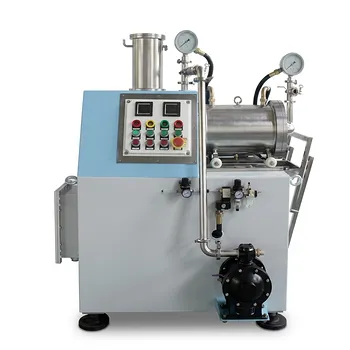
Horizontal Bead Mill for Nanoscale Grinding and Advanced Material Powder Processing
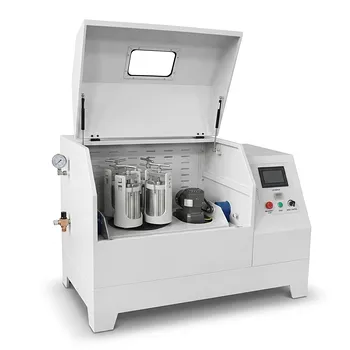
Vertical Production Planetary Ball Mill for High Throughput Powder Processing
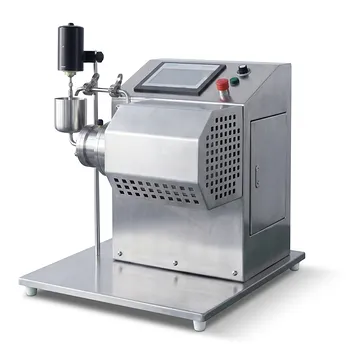
High Efficiency Laboratory Bead Mill Nano Powder Dispersion Sand Mill for Material Science Research
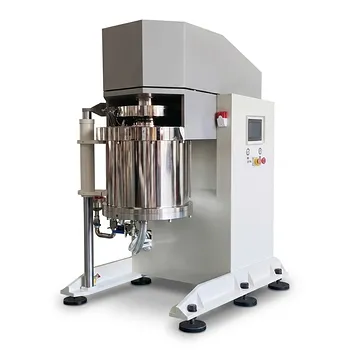
Vertical Nano Bead Mill for Ceramic Materials with Permanent Magnet Motor and High Efficiency Grinding

Small High-Speed Laboratory Grinder for Powder Processing
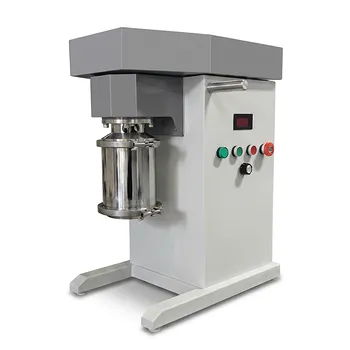
Nano Laboratory Bead Mill Desktop Sub Micron Sand Mill Screenless Seal Less Powder Grinder
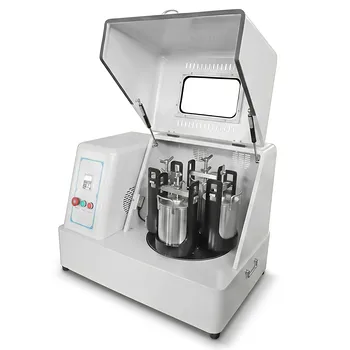
Vertical Square Planetary Ball Mill for Laboratory Sample Preparation and Nanoscale Grinding
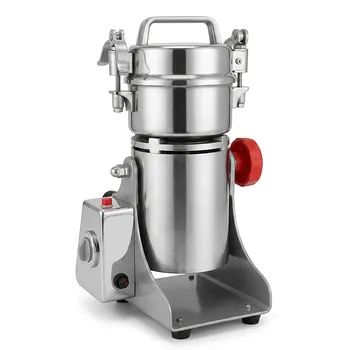
Industrial High Speed Small Sample Pulverizer Swing Type Laboratory Grinder for Powder Processing
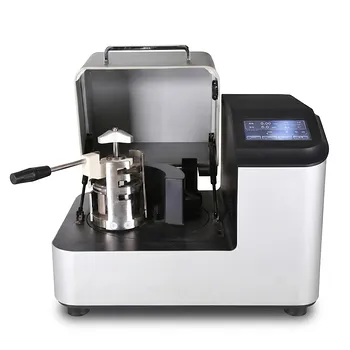
High Energy Laboratory Planetary Ball Mill for Nano Grinding and Material Science Sample Preparation
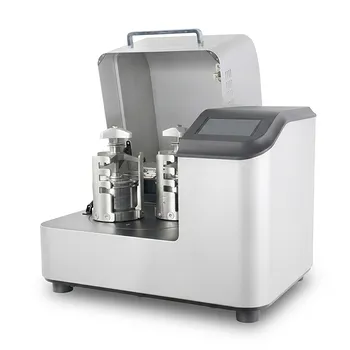
High Energy Planetary Ball Mill for Nano Scale Grinding and Mechanical Alloying
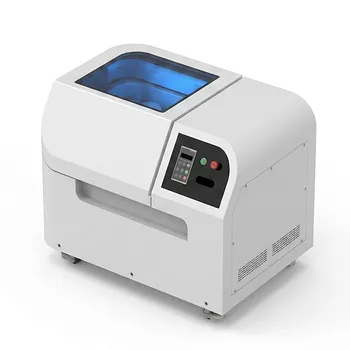
8L Planetary Ball Mill for Laboratory Grinding and Sample Preparation
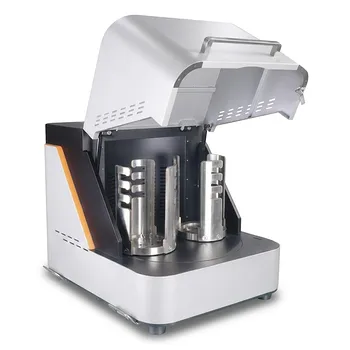
High Energy Laboratory Planetary Ball Mill for Nano Grinding and Colloidal Mixing of Hard and Brittle Materials
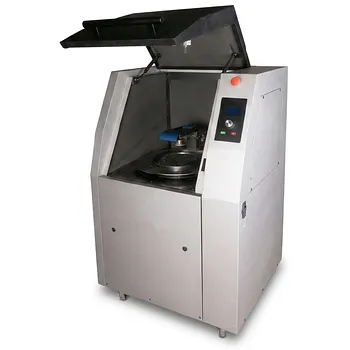
High Speed Vibratory Disc Mill for Spectral Analysis Sample Preparation and Rapid Powder Grinding

Nano High Energy Vibratory Ball Mill for Laboratory Sample Preparation
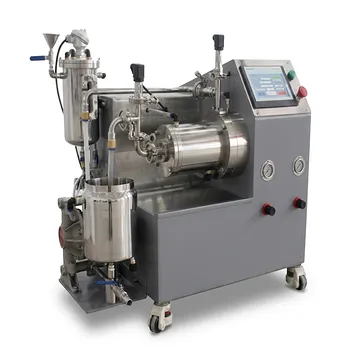
Laboratory Horizontal Bead Mill for Nanomaterial Wet Grinding and Material Science Research
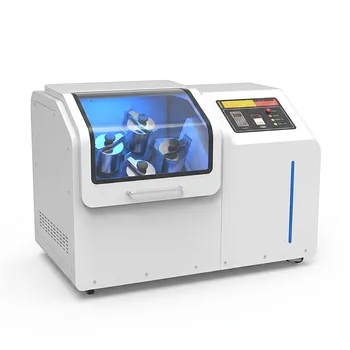
High Energy Omnidirectional Planetary Ball Mill 16L
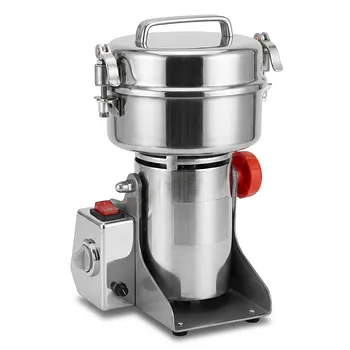
High Speed Laboratory Powder Grinder Small Batch Sample Preparation Mill
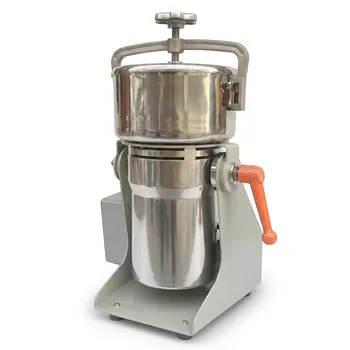
High Speed Laboratory Grinder Efficient Stainless Steel Powder Pulverizer Universal Material Science Mill for Sample Preparation
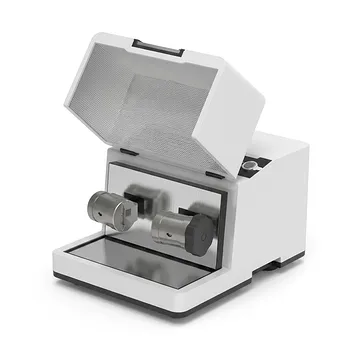
Heating Temperature Controlled High Energy Vibratory Ball Mill