What are the roles of different diameters of grinding media in a bead mill used for rubber pulverization? Maximize Efficiency
Updated 3 months ago
The diameter of grinding media determines the specific mechanical forces applied to the material during processing. Larger beads, such as those with a 13mm diameter, provide the high-energy primary impact force required to break down large, resilient rubber particles. Conversely, smaller media, such as 1.6mm beads, generate the high-frequency friction and dense collision zones necessary for fine grinding into micron-level secondary aggregates.
Core Takeaway: To achieve maximum efficiency in rubber pulverization, a dual-diameter approach is required: large media shatter the initial bulk structure through impact, while small media refine the powder through intensive friction.
The Mechanics of Media Diameter in Rubber Pulverization
Large Diameter Media and Primary Impact
Larger grinding media, typically around 13mm, are essential for the initial stages of rubber breakdown. Because rubber is inherently elastic and tough, it requires significant kinetic energy to overcome its structural integrity.
These larger beads act as heavy hammers within the mill, providing the crushing force needed to reduce coarse rubber into smaller, manageable fragments. Without this initial impact stage, smaller media would lack the mass necessary to disrupt the primary rubber particles.
Small Diameter Media and Surface Area Refinement
Once the rubber has been reduced to a baseline size, smaller media (ranging from 1.6mm down to 0.05mm in laboratory settings) take over the process. These smaller beads provide a much higher surface area-to-volume ratio, creating a significantly higher number of contact points within the mill.
The primary mechanism here shifts from high-energy impact to high-frequency friction and collisions. This intensive interaction is what allows the rubber to reach micron-level secondary aggregate sizes, which is often the ultimate goal of pulverization.
The Synergy of Combined Bead Sizes
Using a combination of different bead sizes significantly improves grinding efficiency compared to using a single size. The large beads create the "feed" for the smaller beads, ensuring that the entire particle size distribution is addressed simultaneously.
This tiered approach prevents the mill from "stalling" on large particles that smaller beads cannot break. It also ensures that energy is not wasted by using oversized media for fine-tuning tasks where collision frequency is more important than raw force.
Understanding the Trade-offs and Constraints
Material Density and Contamination
The material of the media—whether steel, zirconium oxide, or glass—interacts with the diameter to determine total energy. While steel beads offer high density and impact, they may introduce metal contamination that is unacceptable for certain high-purity rubber applications.
Ceramic options like yttria-stabilized zirconia are often preferred for their hardness and wear resistance. However, these high-performance materials come at a higher cost and require careful calibration of the mill's agitator speed to prevent media fracture.
Energy Consumption vs. Particle Fineness
Smaller beads require more energy to move through the viscous slurry or powder bed due to the increased frictional resistance. If the media is too small for the specific mill power, the temperature can rise rapidly, potentially degrading the rubber.
Furthermore, using media that is too small for the initial particle size will result in inefficient processing times. The beads will simply "bounce" off large rubber chunks rather than fracturing them, leading to a plateau in particle size reduction.
How to Apply Media Selection to Your Project
When configuring your bead mill for rubber pulverization, your choice should be dictated by the starting material size and your target end-product specifications.
- If your primary focus is rapid bulk reduction: Utilize larger 13mm metal or ceramic media to maximize the primary impact force and shatter large rubber fragments quickly.
- If your primary focus is achieving micron-level fineness: Transition to a smaller media size, such as 1.6mm or smaller, to increase collision frequency and surface friction.
- If your primary focus is high-purity output: Select zirconium oxide or silicon carbide media to minimize wear and prevent metallic contamination in the final rubber powder.
- If your primary focus is laboratory-scale precision: Use a range of small-diameter beads between 0.05mm and 2.5mm to fine-tune the grinding parameters for specific research requirements.
Selecting the correct balance of bead diameters transforms the bead mill from a simple mixer into a high-precision pulverization system capable of reaching sub-micron scales.
Summary Table:
| Media Diameter | Primary Mechanism | Best For... | Key Advantage |
|---|---|---|---|
| Large (e.g., 13mm) | High-Energy Impact | Primary bulk breakdown | Shatters resilient rubber structures |
| Small (e.g., <2mm) | High-Frequency Friction | Micron-level refinement | Increases surface area & collision frequency |
| Graded Mix | Synergistic Force | Full particle size distribution | Prevents stalling and maximizes energy efficiency |
| Fine (Lab Scale) | Precision Shearing | Sub-micron research | Fine-tunes specific powder specifications |
Elevate Your Material Processing with Precision Lab Solutions
Achieving the perfect micron-level rubber powder requires more than just the right media—it requires a complete, integrated approach to sample preparation. At [Your Brand Name], we provide end-to-end laboratory solutions for material science, specializing in high-performance powder processing and compaction equipment.
Our extensive product lines are designed to meet the rigorous demands of research and industrial production:
- Advanced Milling: Explore our planetary ball mills, jet mills, sand/bead mills, and liquid nitrogen cryogenic grinders for heat-sensitive materials.
- Primary Crushing: High-durability jaw and roll crushers for initial size reduction.
- Sieving & Mixing: Precision vibratory/air-jet sieve shakers and advanced vacuum defoaming mixers.
- Compaction Excellence: A full spectrum of hydraulic presses, including Cold/Warm Isostatic Presses (CIP/WIP), XRF pellet presses, and vacuum hot presses.
Ready to optimize your pulverization workflow? Contact our experts today for a tailored solution that ensures maximum efficiency, purity, and precision for your target materials.
References
- Koji Okamoto, Michiharu Toh. Breaking Behavior of Elastomer in Rubber Mixers (2). DOI: 10.2324/gomu.91.177
Mentioned Products
- Horizontal Bead Mill for Nanoscale Grinding and Advanced Material Powder Processing
- Nano Laboratory Bead Mill Desktop Sub Micron Sand Mill Screenless Seal Less Powder Grinder
- High Efficiency Laboratory Bead Mill Nano Powder Dispersion Sand Mill for Material Science Research
- Vertical Nano Bead Mill for Ceramic Materials with Permanent Magnet Motor and High Efficiency Grinding
- Laboratory Horizontal Bead Mill for Nanomaterial Wet Grinding and Material Science Research
People Also Ask
- How does the bead filling rate affect the grinding performance and equipment wear in a bead mill? Optimization Guide
- Why is it necessary to precisely control the grinding media loading ratio? Master Nanosuspension Yield & API Stability
- Why is a ceramic lining preferred over stainless steel for a bead mill? Protect Enzymes and Ensure Biomass Purity
- Why is an external cooling circulation system necessary during the high-speed operation of a bead mill? Protect Integrity
- Why is the filling rate of grinding beads strictly controlled during the material milling process? Optimize Efficiency.

Tech Team · PowderPreparation
Last updated on Jun 03, 2026
Related Products
Horizontal Bead Mill for Nanoscale Grinding and Advanced Material Powder Processing
Nano Laboratory Bead Mill Desktop Sub Micron Sand Mill Screenless Seal Less Powder Grinder
High Efficiency Laboratory Bead Mill Nano Powder Dispersion Sand Mill for Material Science Research
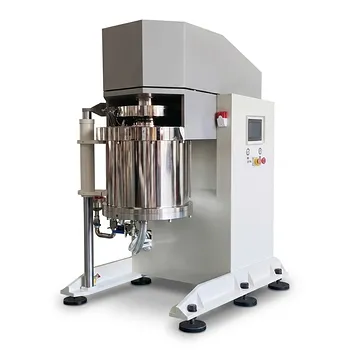
Vertical Nano Bead Mill for Ceramic Materials with Permanent Magnet Motor and High Efficiency Grinding
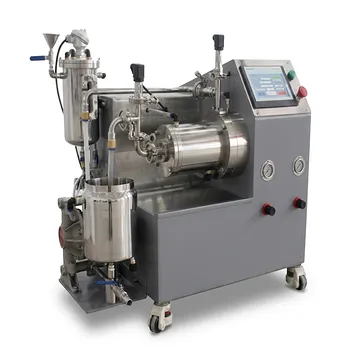
Laboratory Horizontal Bead Mill for Nanomaterial Wet Grinding and Material Science Research
Laboratory Disperser and Sand Mill for Grinding Dispersing Emulsifying
High Speed Laboratory Grinder Efficient Stainless Steel Powder Pulverizer Universal Material Science Mill for Sample Preparation
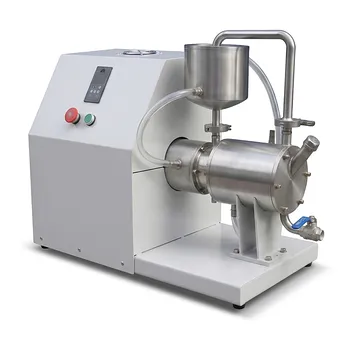
Laboratory Small Horizontal Sand Mill for Nano Materials Wet Grinding
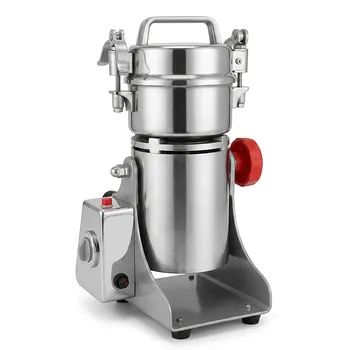
Industrial High Speed Small Sample Pulverizer Swing Type Laboratory Grinder for Powder Processing
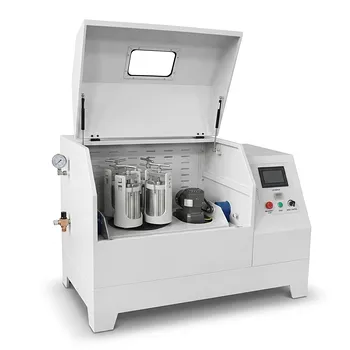
Vertical Production Planetary Ball Mill for High Throughput Powder Processing
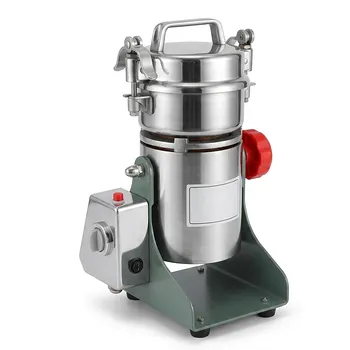
High Speed Swing Type Laboratory Pulverizer for Fine Powder Grinding and Sample Preparation
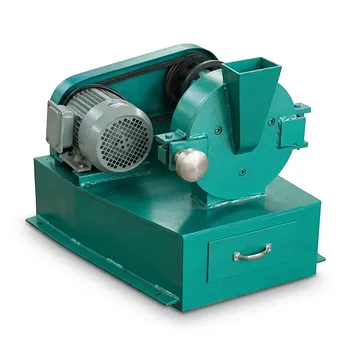
Medium Hardness Material Disc Pulverizer for Coal Ore Sample Preparation
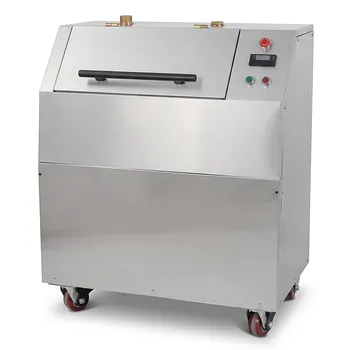
Vibratory Disc Mill for Rapid Fine Grinding and High Throughput Sample Preparation of Hard and Brittle Materials
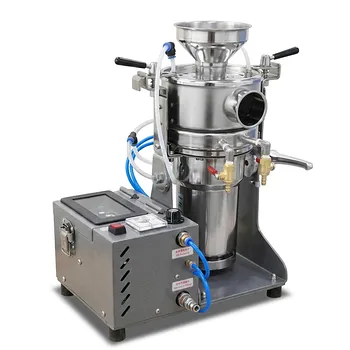
Water Cooled Pulse Jet Ultrafine Grinder
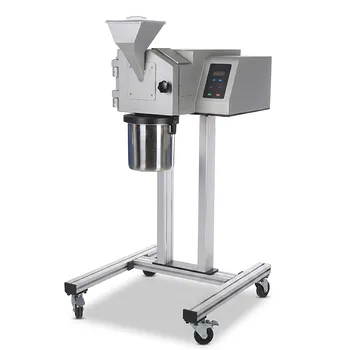
Cross Beater Mill for Brittle Material Grinding and Continuous Fine Crushing Industrial Sample Preparation
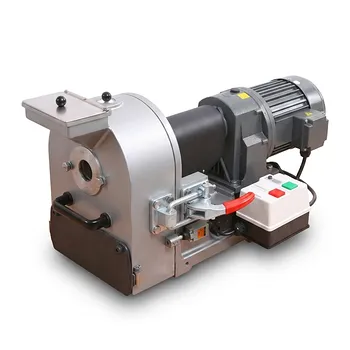
Laboratory Disc Mill for Fine Sample Preparation of Hard and Brittle Materials
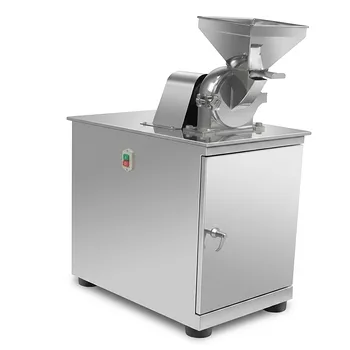
Universal Laboratory Pulverizer Grinder for Small Batch Powder Processing and Material Science Research
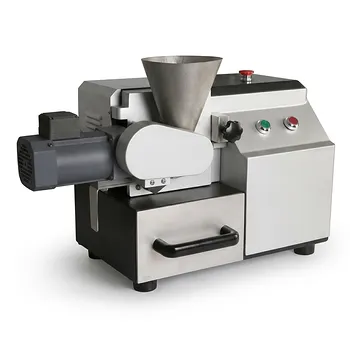
Laboratory Hammer Mill for Coal Quality Analysis and Brittle Mineral Grinding
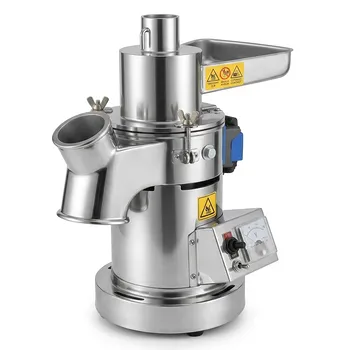
Continuous Feeding Grinder High Efficiency Pulverizer for Lab Sample Preparation