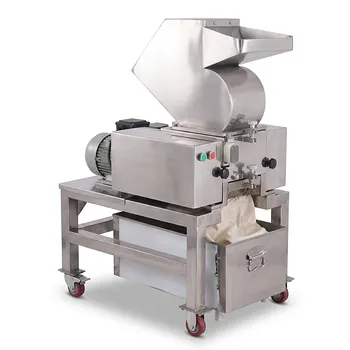
Why is a double roll crusher used for tin & tantalum? Prevent over-crushing & optimize gravity separation recovery.
Updated 4 months ago
Double roll crushers are essential in tin and tantalum processing because they provide precise particle size control while preventing the "over-crushing" that ruins brittle minerals. By maintaining grain integrity, these crushers ensure that valuable minerals are liberated in a size range optimal for efficient gravity separation.
The double roll crusher serves as a specialized tool for protective liberation, ensuring that brittle minerals like cassiterite are not reduced to unusable dust. This uniformity is the primary driver for high recovery rates during the subsequent gravity separation stage.
The Challenge of Brittle Mineral Liberation
Protecting the Integrity of Cassiterite and Tantalum
Tin and tantalum ores often contain brittle minerals like cassiterite that shatter easily under excessive pressure. If these minerals are crushed too finely, they turn into "slimes" that cannot be recovered by standard gravity methods.
The Role of Protective Liberation
The goal of the crushing stage is to separate the mineral from the waste rock without destroying the mineral grain itself. Double roll crushers achieve this protective liberation by applying controlled pressure that breaks the rock along natural cleavage planes.
Why Double Roll Crushers Outperform Alternatives
Uniform Particle Size Distribution
Unlike jaw crushers, which can produce a wide range of sizes, double roll crushers deliver a highly consistent output. This uniformity is critical because gravity separation equipment is calibrated for specific, narrow size fractions.
Eliminating the Risk of Over-Crushing
Over-crushing is the "enemy" of gravity separation, as ultra-fine particles lose the mass required to settle correctly. The fixed gap between the rolls ensures that once a particle reaches the desired size, it passes through immediately, preventing excessive grinding.
Efficiency in Secondary and Tertiary Stages
Double roll crushers are typically utilized in the secondary or tertiary crushing phases. At this stage, the material is already reduced in size, and the focus shifts from bulk reduction to fine-tuning the feed for the separation circuit.
Optimizing the Gravity Separation Feed
Enhancing Shaking Table Efficiency
The shaking table is the most common gravity separation tool for tin and tantalum tailings. For a shaking table to work effectively, the feed must be within a precise particle size range to allow for proper stratification by density.
Minimizing Resource Waste
By producing fewer fines, the double roll crusher ensures that more of the valuable mineral stays within the recoverable size range. This directly increases the overall yield of the mining operation and reduces the amount of metal lost to the tailings pond.
Understanding the Trade-offs
Sensitivity to Feed Size
Double roll crushers have a limited reduction ratio compared to primary crushers. They cannot handle large boulders and require a pre-crushed feed to operate without stalling or causing mechanical wear.
Maintenance of Roll Surfaces
The effectiveness of the crusher depends entirely on the smoothness and alignment of the rolls. If the rolls wear unevenly or "pit," the particle size consistency drops significantly, requiring regular resurfacing or replacement.
How to Apply This to Your Project
Making the Right Choice for Your Goal
- If your primary focus is maximizing mineral recovery: Prioritize the use of a double roll crusher in the final crushing stage to minimize the creation of unrecoverable slimes.
- If your primary focus is high-volume throughput: Use a jaw crusher for the initial primary break, but always transition to a roll crusher for the fine-crushing stage to protect mineral integrity.
- If your primary focus is reducing downstream costs: Ensure the roll gap is calibrated precisely to your shaking table's optimal feed size to reduce the burden on your recycling circuits.
Utilizing a double roll crusher is a strategic decision to protect mineral value through precise, gentle liberation.
Summary Table:
| Feature | Benefit for Tin & Tantalum | Impact on Gravity Separation |
|---|---|---|
| Fixed Roll Gap | Prevents "over-crushing" and slimes | Higher recovery of valuable minerals |
| Protective Liberation | Preserves brittle mineral grain integrity | Optimizes stratification on shaking tables |
| Uniform Particle Size | Delivers highly consistent output | Maximizes separation equipment efficiency |
| Controlled Pressure | Breaks rock along natural cleavage | Reduces waste and improves yield |
Maximize Your Mineral Recovery with Precision Equipment
Precise sample preparation is the foundation of successful mineralogical research and processing. At [Your Brand Name], we provide complete laboratory sample preparation solutions for material science, specializing in high-performance powder processing and compaction equipment.
Whether you need to protect brittle minerals like tin and tantalum from over-crushing or require ultra-fine grinding for analysis, our extensive product line has you covered:
- Crushing & Grinding: High-precision jaw and roll crushers, liquid nitrogen cryogenic grinders, and advanced mills (planetary ball, jet, sand/bead, disc, and rotor).
- Sizing & Mixing: Vibratory and air-jet sieve shakers with various test meshes, plus powder and defoaming mixers.
- Compaction Solutions: A full spectrum of hydraulic presses, including Cold/Warm Isostatic Presses (CIP/WIP), standard lab presses, XRF pellet presses, and vacuum hot presses.
Ready to optimize your laboratory workflow and achieve superior results? Contact our technical experts today to find the perfect equipment solution for your material processing needs!
References
- Jules UWIZEYIMANA, Francois Hategekimana. The Efficiency of Mechanized Mineral Processing Techniques to Recover Tin and Tantalum Ores. Case Study: Nyamatete Concession, Rwanda. DOI: 10.35180/gse-2022-0081
Mentioned Products
- Horizontal Double Roll Crusher for Medium Fine Crushing of Coal Limestone and Ores
- Sealed Double Roll Crusher for Laboratory Sample Preparation of Medium Hardness Materials
- Heightened Customized Laboratory Double Roll Crusher for Coal Ore Rock Crushing
- Laboratory Sealed Double Roll Crusher for Coal Ore Rock and Medium Hardness Materials Sample Preparation
- Laboratory Double Roller Crusher for Mining Construction Chemical Sample Preparation
People Also Ask
- Why is material selection for crusher rollers critical for abrasive materials? Balance Purity and Tool Longevity
- What is the primary role of industrial-grade crushing and grinding equipment in limestone? Boost Surface Area & Quality
- What is the function of an industrial roll crusher in the preparation of yam peel biomass adsorbents? Maximize Surface Area
- What is the role of a roll crusher in the pretreatment of coal gangue for sodium zeolite? Optimize Your Synthesis.
- Why use a lab roll crusher after jaw crushing for magnetite? Optimize kinetics and preserve material integrity.

Tech Team · PowderPreparation
Last updated on Jun 03, 2026
Related Products
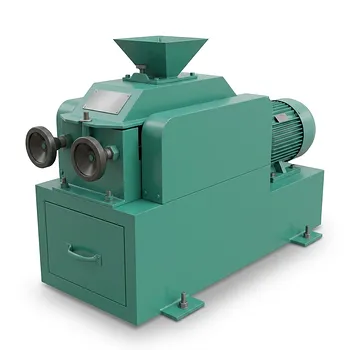
Horizontal Double Roll Crusher for Medium Fine Crushing of Coal Limestone and Ores
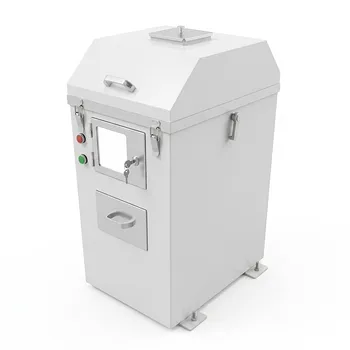
Sealed Double Roll Crusher for Laboratory Sample Preparation of Medium Hardness Materials
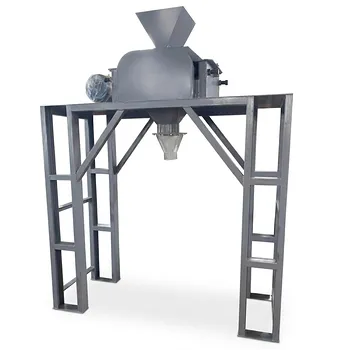
Heightened Customized Laboratory Double Roll Crusher for Coal Ore Rock Crushing
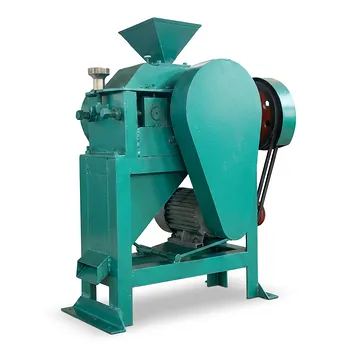
Laboratory Sealed Double Roll Crusher for Coal Ore Rock and Medium Hardness Materials Sample Preparation
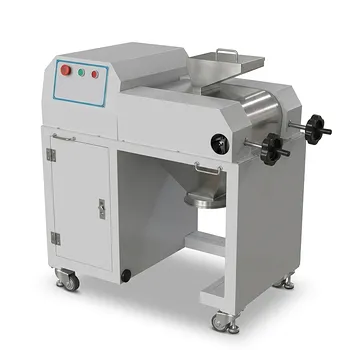
Laboratory Double Roller Crusher for Mining Construction Chemical Sample Preparation
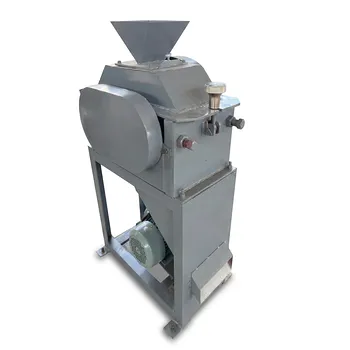
Sealed Double Roll Crusher for Laboratory Coal and Ore Sample Preparation
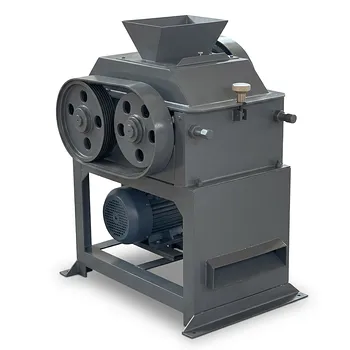
Sealed Laboratory Double Roll Crusher for Coal, Mineral, Ore Sample Preparation
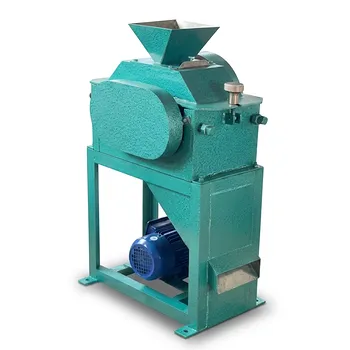
Laboratory Double Roll Crusher for Medium Hardness Materials Coal Ore Sample Preparation
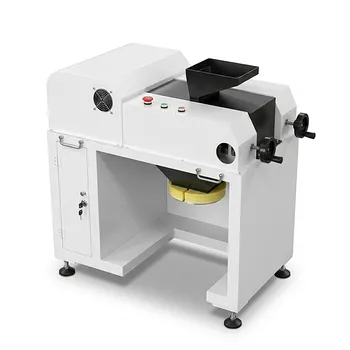
Precision Toothed Roll Crusher for Laboratory Coal and Mineral Sample Preparation
Industrial Double Cone Mixer for Powder Blending and Homogeneous Mixing
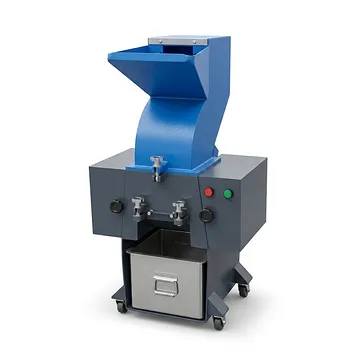
Heavy-Duty Crusher for Laboratory and Industrial Material Size Reduction
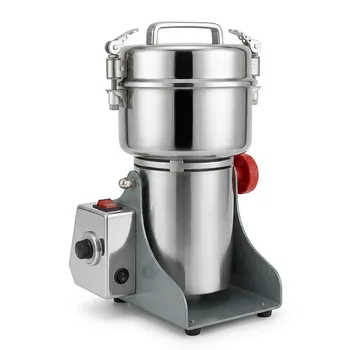
Versatile Industrial Crusher for Laboratory Crushing and Material Processing
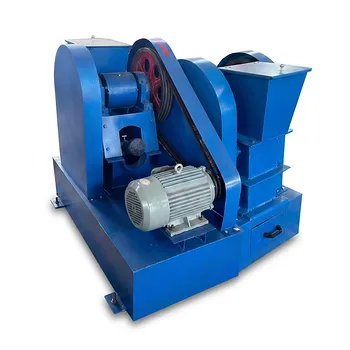
Horizontal Jaw Crusher Medium Hard Material Crushing Laboratory Sample Preparation Equipment
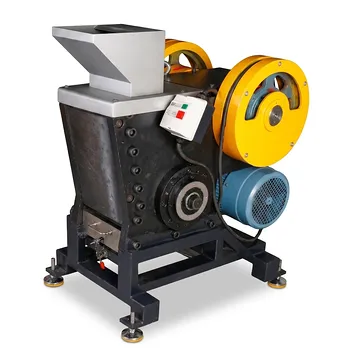
Heavy Duty Industrial Jaw Crusher for Primary Ore Crushing and High Capacity Mineral Material Size Reduction
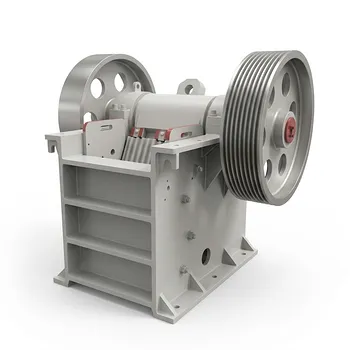
Jaw Crusher with 400x600mm Feed Opening for Primary Rock Crushing in Mining and Construction
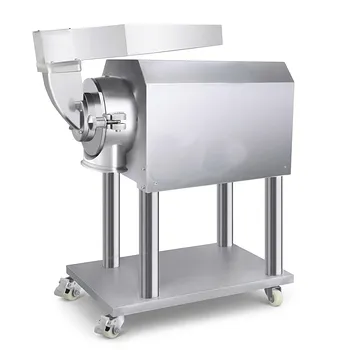
High Speed Small Laboratory Crusher for Dry Material Sample Preparation
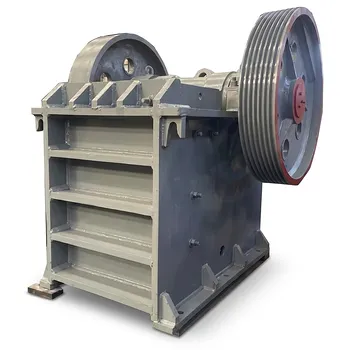
Heavy-Duty Jaw Crusher for Medium-Hard Ore and Industrial Mineral Crushing
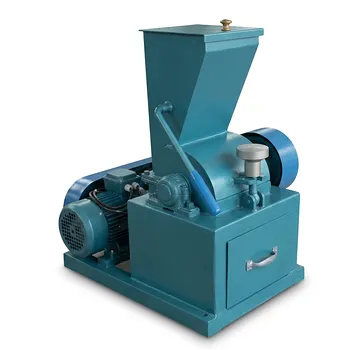
Small Hammer Crusher for Brittle Material Crushing in Mining Metallurgy and Lab Sample Preparation
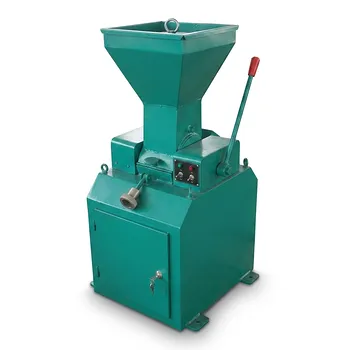
Laboratory Sealed Hammer Crusher for Coal and Mineral Sample Preparation