What is the role of industrial crushers and standard test sieves in biomass pyrolysis? Optimize Heat Transfer & Yield
Updated 5 months ago
In biomass pyrolysis, industrial crushers and standard test sieves serve as the essential tools for mechanical pretreatment, transforming raw agricultural waste into a calibrated feedstock. These instruments work in tandem to reduce biomass to specific particle size ranges, typically between 0.36 mm and 2.86 mm, though some applications require even finer powders. By refining the physical structure of the material, they directly control the heat transfer rates and volatile escape pathways necessary for efficient thermal decomposition.
The synergy between mechanical crushing and precise sieving ensures that biomass achieves the high specific surface area required for rapid, uniform heating. This precision is the technical foundation for maximizing biochar or bio-oil yields and ensuring the predictability of chemical reactions during the pyrolysis process.
The Mechanics of Feedstock Preparation
Size Reduction via Industrial Crushers
Industrial crushers, such as hammer mills or mechanical grinders, utilize high-speed impact and shear forces to pulverize dried biomass residues. This process breaks down the complex cellular structures of materials like straw, corn stalks, and wood chips into manageable fragments.
The primary goal of crushing is to increase the specific surface area of the biomass. A larger surface area allows for more immediate exposure to heat, which is a prerequisite for the rapid thermal degradation required in reactors.
Precision Grading via Standard Test Sieves
Standard test sieves are used to filter the crushed material into highly specific size fractions. By using sieves with precise aperture sizes (e.g., 1.18 mm or 2.0 mm), operators ensure that only particles within a narrow range proceed to the reactor.
This classification process ensures feedstock uniformity. Consistent particle size prevents "slugging" in the reactor and ensures that every piece of biomass undergoes the same thermal experience, which is critical for maintaining the accuracy of process prediction models like Response Surface Methodology (RSM).
Why Particle Size Dictates Pyrolysis Success
Optimizing Heat and Mass Transfer
The rate at which heat penetrates a biomass particle is inversely proportional to its size. Smaller particles, often controlled to below 2 mm, allow for significantly improved heat conduction efficiency and even internal heating.
Efficient heat transfer ensures that the material achieves rapid and uniform thermal decomposition upon entering the reactor. This is especially vital in fluidized bed reactors where bio-oil yield and quality depend on near-instantaneous temperature changes.
Controlling Volatile Escape and Secondary Reactions
Particle size influences the physical pathways through which volatile matter escapes the biomass. If particles are too large, volatiles may remain trapped longer, leading to secondary reactions that can negatively impact the final biochar or liquid fuel yield.
By using sieves to maintain a range such as 0.36 mm to 2.86 mm, producers can optimize the escape of these gases. This control allows for better management of the chemical environment within the reactor, favoring the production of high-quality condensable vapors.
Enhancing Downstream Product Quality
For applications like biomass briquetting or adsorbent production, particle size consistency is a quality-control requirement. Precise filtration ensures a uniform distribution of binders and a consistent initial packing density.
In the production of biochar adsorbents, refining material to a fine powder (e.g., 150 to 300μm) provides a consistent specific surface area. This consistency is what allows the final product to perform reliably in filtration or carbon sequestration roles.
Understanding the Trade-offs
Energy Consumption vs. Surface Area
While finer particles generally improve pyrolysis efficiency, the energy required for ultra-fine grinding increases exponentially. Producers must balance the thermal gains of a high specific surface area against the mechanical costs of intensive crushing.
Dust Generation and Material Loss
Over-processing biomass can lead to excessive "fines" or dust, which may be lost during the sieving process or cause clogging in the reactor's filtration systems. Effective pretreatment requires selecting the optimal sieve mesh to minimize waste while ensuring the required particle size for the specific reactor type.
How to Apply This to Your Project
Making the Right Choice for Your Goal
- If your primary focus is maximizing bio-oil/liquid fuel yield: Utilize industrial crushers to achieve a uniform particle size below 2 mm to ensure rapid heat conduction and minimal secondary reactions.
- If your primary focus is producing high-strength fuel rods/briquettes: Use a standard test sieve (e.g., 1.18 mm) to ensure consistent particle distribution, which improves binder effectiveness and mechanical durability.
- If your primary focus is biochar for adsorbent applications: Focus on mechanical shearing and fine sieving to reach a 150-300μm range, maximizing the specific surface area for the final product.
- If your primary focus is chemical analysis or predictive modeling: Prioritize precision test sieves to ensure feedstock uniformity, as consistent particle size is a critical independent variable for accurate model outputs.
By mastering the calibration of crushers and sieves, you transform unpredictable agricultural waste into a high-performance industrial feedstock.
Summary Table:
| Pretreatment Step | Equipment Used | Primary Function | Key Benefit for Pyrolysis |
|---|---|---|---|
| Size Reduction | Industrial Crushers (Hammer/Grinder) | Increases specific surface area | Enables rapid and uniform thermal decomposition |
| Classification | Standard Test Sieves | Filters feedstock to specific ranges | Ensures uniformity and predictable chemical reactions |
| Refinement | Fine Grinders / Mills | Reduces material to 150-300μm | Maximizes surface area for biochar adsorbent quality |
| Quality Control | Sieve Shakers | Eliminates "slugging" & fines | Protects reactor filtration and optimizes volatile escape |
Optimize Your Biomass Research with Precision Equipment
Achieving consistent results in biomass pyrolysis starts with superior sample preparation. At [Brand Name], we provide complete laboratory sample preparation solutions tailored for material science and powder processing.
Whether you are refining agricultural waste or developing high-performance adsorbents, our extensive equipment line supports every stage of your workflow:
- Crushing & Grinding: High-efficiency jaw/roll crushers and planetary ball, jet, or cryogenic grinders for precise size reduction.
- Sieving & Grading: Vibratory and air-jet sieve shakers with a full range of standard test sieves to ensure feedstock uniformity.
- Compaction & Pelletizing: A complete spectrum of hydraulic presses, including Cold/Warm Isostatic Presses (CIP/WIP) and XRF pellet presses for downstream processing.
Ready to enhance your lab's efficiency and maximize your product yields? Contact us today to find the perfect solution for your material processing needs!
References
- John Chrysostom Opedun. Optimization of Pyrolysis and Selected Physicochemical Properties of Groundnut Shells, Coffee and Rice Husks for Biochar Production. DOI: 10.59038/jjmie/170313
Mentioned Products
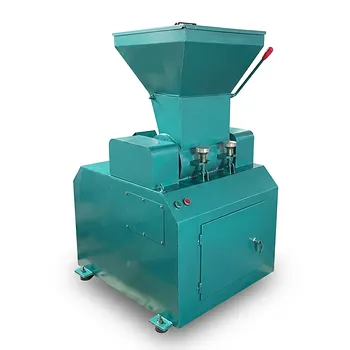
- Versatile Industrial Crusher for Laboratory Crushing and Material Processing
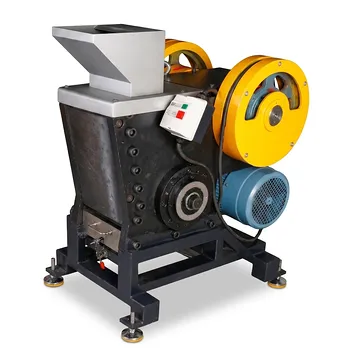
- Heavy Duty Industrial Jaw Crusher for Primary Ore Crushing and High Capacity Mineral Material Size Reduction
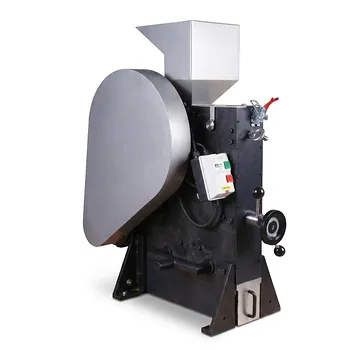
- Heavy Duty Industrial Laboratory Jaw Crusher for Primary Sample Preparation and Hard Material Size Reduction
- Heavy-Duty Crusher for Laboratory and Industrial Material Size Reduction
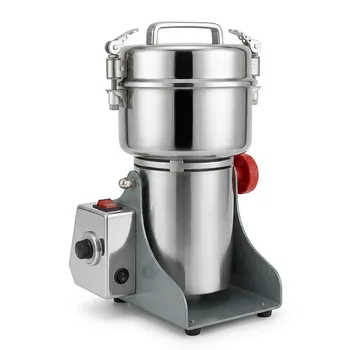
- Stainless Steel Coarse Crusher for Pharmaceutical Food and Plastic Material Processing
People Also Ask
- What is the purpose of using industrial crushers and vibratory sieve shakers in the pretreatment of coal gangue? Ensure Uniformity
- What is the function of industrial crushers in the initial preparation of silicate minerals? Enhance Sample Uniformity
- What is the function of an industrial crusher in CRSS filler preparation? Essential Size Reduction for Carbonization
- How do crushers and mills work together in gypsum recycling? Transform drywall waste into reactive ceramic materials.
- What is the primary function of industrial crushing equipment in epoxy composite preparation? Optimize Material Performance

Tech Team · PowderPreparation
Last updated on May 14, 2026
Related Products
Versatile Industrial Crusher for Laboratory Crushing and Material Processing
Heavy Duty Industrial Jaw Crusher for Primary Ore Crushing and High Capacity Mineral Material Size Reduction
Heavy Duty Industrial Laboratory Jaw Crusher for Primary Sample Preparation and Hard Material Size Reduction
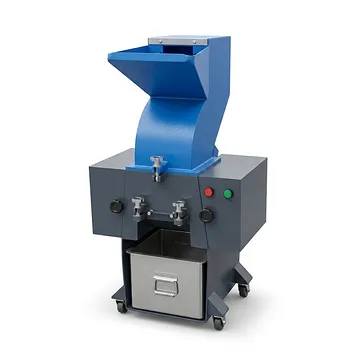
Heavy-Duty Crusher for Laboratory and Industrial Material Size Reduction
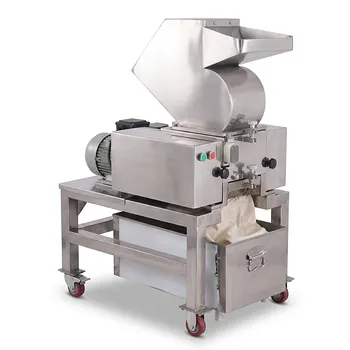
Stainless Steel Coarse Crusher for Pharmaceutical Food and Plastic Material Processing
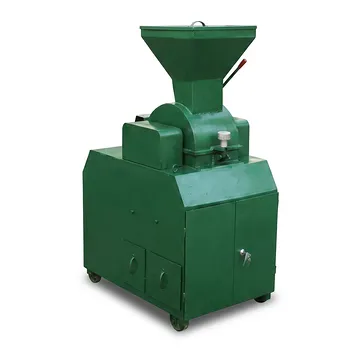
Industrial Sealed Hammer Knife Crusher for Mining Ore and Coal Sample Preparation
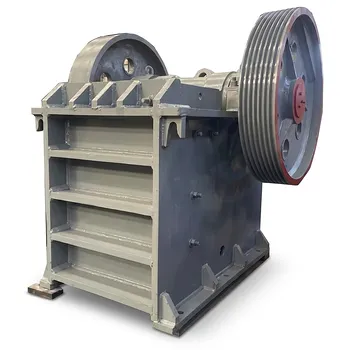
Heavy-Duty Jaw Crusher for Medium-Hard Ore and Industrial Mineral Crushing
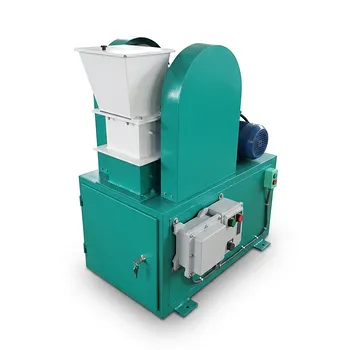
Custom Explosion-Proof Sealed Jaw Crusher for Laboratory and Industrial Sample Preparation
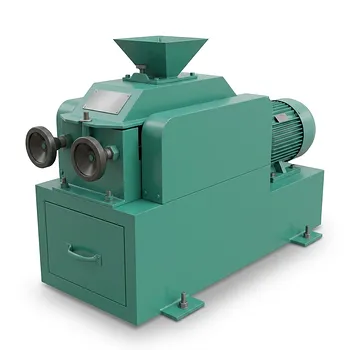
Horizontal Double Roll Crusher for Medium Fine Crushing of Coal Limestone and Ores
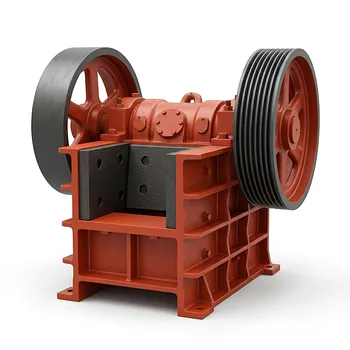
250x400 Jaw Crusher for Primary Crushing of Ores and Bulk Materials
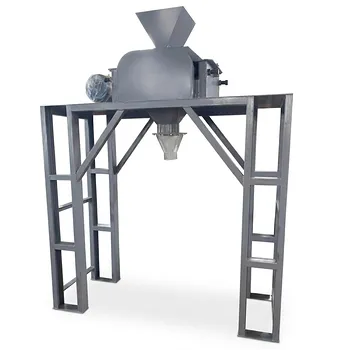
Heightened Customized Laboratory Double Roll Crusher for Coal Ore Rock Crushing
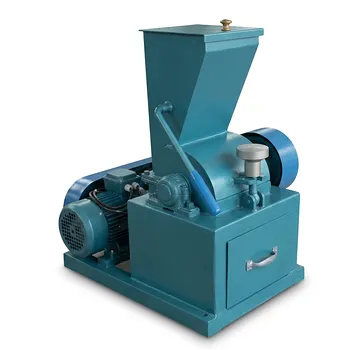
Small Hammer Crusher for Brittle Material Crushing in Mining Metallurgy and Lab Sample Preparation
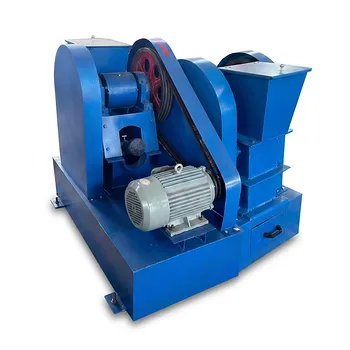
Horizontal Jaw Crusher Medium Hard Material Crushing Laboratory Sample Preparation Equipment
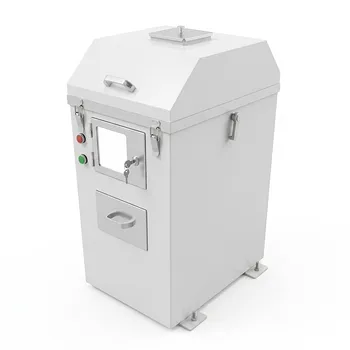
Sealed Double Roll Crusher for Laboratory Sample Preparation of Medium Hardness Materials
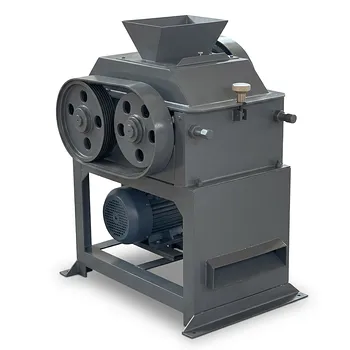
Sealed Laboratory Double Roll Crusher for Coal, Mineral, Ore Sample Preparation
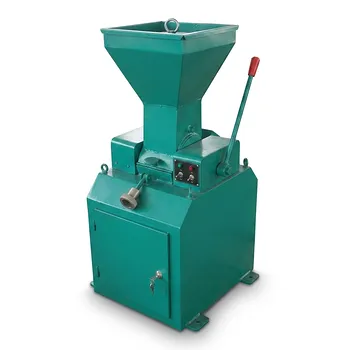
Laboratory Sealed Hammer Crusher for Coal and Mineral Sample Preparation
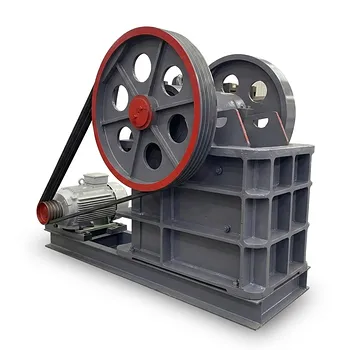
250x400mm Jaw Crusher Medium Crushing Equipment for Mining Mineral Sample Preparation
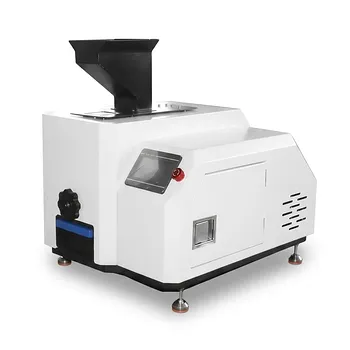
Laboratory Jaw Crusher 2025 Model for Ore and Brittle Material Crushing
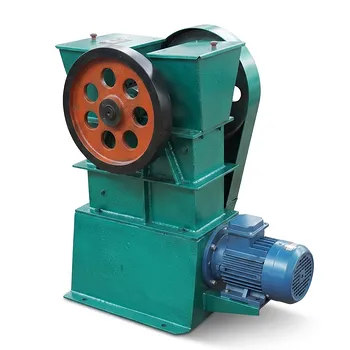
150×125mm Laboratory Jaw Crusher for Medium and Fine Crushing of Brittle Materials