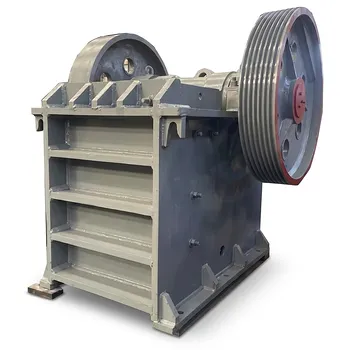
What is the function of a double-drive roll crusher in WFA processing? Enhance Precision and Material Purity
Updated 4 months ago
The industrial-grade double-drive roll crusher is the primary mechanism for secondary refinement in White Fused Alumina (WFA) production, specifically engineered to reduce coarse materials into a precise 0–3 mm range. Following the initial breakdown by jaw crushers, this equipment utilizes two counter-rotating rollers to exert controlled compressive force, ensuring a consistent particle size distribution essential for high-performance refractory and abrasive applications.
The double-drive roll crusher acts as a precision sizing tool that transforms bulk fused blocks into uniform granules. By balancing mechanical compression with adjustable gap settings, it fulfills the deep need for material consistency while managing the extreme abrasiveness inherent in high-purity alumina.
Precision Refinement of Fused Materials
Transitioning from Coarse to Fine
After White Fused Alumina is cast in an electric arc furnace and cooled, it exists in large, irregular blocks that require a multi-stage reduction process. A jaw crusher performs the initial heavy lifting, breaking blocks down to a manageable 0–100 mm size, but this is too coarse for most industrial uses.
The double-drive roll crusher intercepts this output, acting as the secondary processing stage. It effectively bridges the gap between raw bulk material and the highly specific 0–3 mm grit sizes required for high-grade refractory products.
The Mechanics of Single-Particle Crushing
The "double-drive" configuration ensures that both rollers are powered, providing the necessary torque to crush extremely hard materials like WFA. By adjusting the gap between these counter-rotating rollers, operators can control the maximum particle size of the output.
This setup facilitates single-particle crushing, where the material is fractured based on the specific gap setting rather than random attrition. This leads to a more predictable particle size distribution and reduces the production of unwanted "fines" or dust.
Managing Extreme Abrasiveness and Purity
Mitigating Metallic Contamination
White Fused Alumina is prized for its high purity and extreme hardness, but these same qualities pose a significant challenge to processing equipment. The high abrasiveness of WFA can lead to metallic shedding from standard steel rollers, which contaminates the alumina and lowers its commercial value.
To combat this, industrial-grade roll crushers for WFA applications often utilize non-alloy steels or specialized surface treatments. Maintaining the chemical integrity of the alumina is critical for its performance in high-temperature refractory environments where metallic impurities could cause structural failure.
Surface Durability and Maintenance
Because WFA is significantly harder than most ores, the contact surfaces of the rollers experience rapid wear. Technical advisors often recommend high-strength alloy steels or studded roller surfaces to extend the equipment's service life.
These specialized surfaces are designed to grip the material effectively, preventing slippage that can cause uneven wear (known as "corrugation") on the rollers. Proper material selection for the roller shells is the most significant factor in reducing long-term operational downtime.
Understanding the Trade-offs
Wear Resistance vs. Initial Capital Investment
High-performance rollers equipped with specialized alloys or ceramic inserts significantly increase the initial cost of the crusher. However, using standard rollers for WFA processing often results in a lower "total cost of ownership" being eclipsed by frequent replacement costs and contaminated product batches.
Throughput Speed vs. Size Accuracy
Increasing the rotation speed of the rollers can improve the volume of material processed per hour. However, higher speeds often lead to less precise crushing and increased vibrational stress on the machine’s bearings, necessitating a balance between production targets and equipment longevity.
Making the Right Choice for Your Goal
When integrating a double-drive roll crusher into a White Fused Alumina production line, your primary objective should dictate the machine's configuration:
- If your primary focus is maximum purity: Prioritize roll crushers with non-alloy steel surfaces or specialized coatings to prevent iron contamination in the final WFA grit.
- If your primary focus is precise sizing for ASTM standards: Invest in units with hydraulic gap adjustment systems that allow for real-time calibration of the 0–3 mm output range.
- If your primary focus is lowering maintenance overhead: Select rollers with studded or high-chrome alloy shells specifically rated for materials with a high Mohs hardness.
By correctly calibrating the roll crusher's gap and surface metallurgy, manufacturers can achieve the high-density, high-purity granules essential for modern industrial applications.
Summary Table:
| Feature | Specification/Detail |
|---|---|
| Primary Function | Secondary refinement and precision sizing (0–3 mm) |
| Input Material | Pre-crushed WFA blocks (approx. 0–100 mm) |
| Crushing Mechanism | Powered counter-rotating rollers with adjustable gaps |
| Key Advantage | High torque for hard materials with minimal fines production |
| Contamination Control | Use of non-alloy steels or specialized surface treatments |
| Durability Solution | Studded roller surfaces or high-chrome alloy shells |
Elevate Your Material Processing with KINTEK SOLUTION
Achieving the perfect particle size distribution while maintaining extreme purity is critical for high-performance material science. At KINTEK SOLUTION, we specialize in providing complete laboratory sample preparation and industrial powder processing solutions. From our robust jaw and roll crushers designed for abrasive materials like White Fused Alumina to our precision planetary ball mills, jet mills, and sieve shakers, we ensure your materials meet the highest standards.
Need specialized compaction? We manufacture a full spectrum of hydraulic presses, including Cold/Warm Isostatic Presses (CIP/WIP), vacuum hot presses, and XRF pellet presses.
Ready to optimize your production efficiency and product quality? Contact us today to discuss how our specialized equipment and technical expertise can solve your toughest material processing challenges!
References
- László Tamás, Ádám Rácz. Material Bed Compression Experiments and the Examination of the Bulk Density of the Product. DOI: 10.33030/geosciences.2022.15.110
Mentioned Products
- Laboratory Double Roller Crusher for Mining Construction Chemical Sample Preparation
- Laboratory Double Roll Crusher for Medium Hardness Materials Coal Ore Sample Preparation
- Heightened Customized Laboratory Double Roll Crusher for Coal Ore Rock Crushing
- Sealed Double Roll Crusher for Laboratory Coal and Ore Sample Preparation
- Sealed Laboratory Double Roll Crusher for Coal, Mineral, Ore Sample Preparation
People Also Ask
- Why is a double roll crusher used for tin & tantalum? Prevent over-crushing & optimize gravity separation recovery.
- Why use a lab roll crusher after jaw crushing for magnetite? Optimize kinetics and preserve material integrity.
- Why is material selection for crusher rollers critical for abrasive materials? Balance Purity and Tool Longevity
- What is the function of an industrial roll crusher in the preparation of yam peel biomass adsorbents? Maximize Surface Area
- What is the function of an industrial-grade laboratory crusher? Master Aged Asphalt Sample Prep for Accurate Testing

Tech Team · PowderPreparation
Last updated on Jun 03, 2026
Related Products
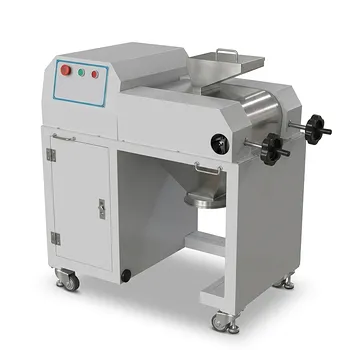
Laboratory Double Roller Crusher for Mining Construction Chemical Sample Preparation
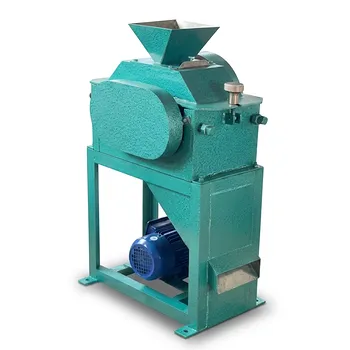
Laboratory Double Roll Crusher for Medium Hardness Materials Coal Ore Sample Preparation
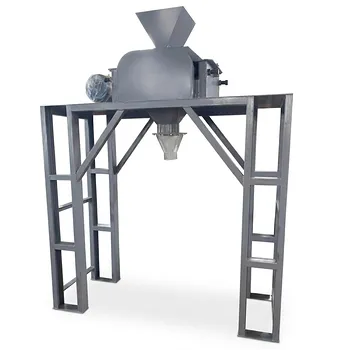
Heightened Customized Laboratory Double Roll Crusher for Coal Ore Rock Crushing
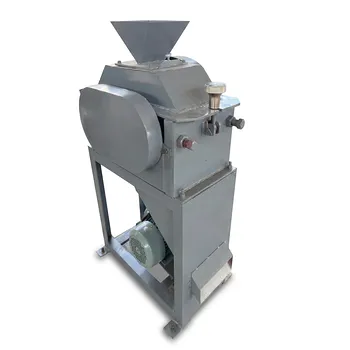
Sealed Double Roll Crusher for Laboratory Coal and Ore Sample Preparation
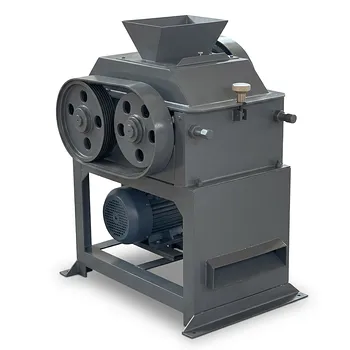
Sealed Laboratory Double Roll Crusher for Coal, Mineral, Ore Sample Preparation
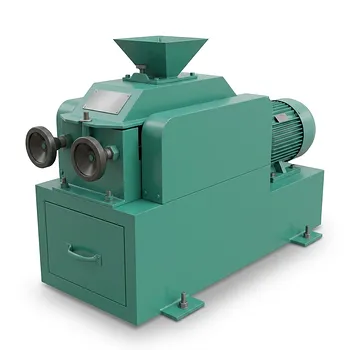
Horizontal Double Roll Crusher for Medium Fine Crushing of Coal Limestone and Ores
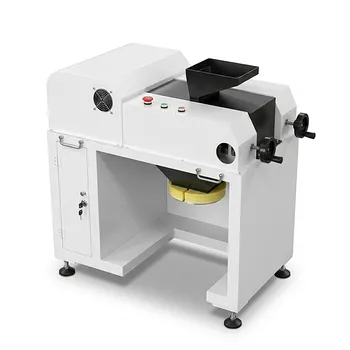
Precision Toothed Roll Crusher for Laboratory Coal and Mineral Sample Preparation
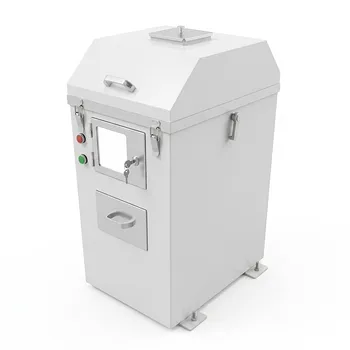
Sealed Double Roll Crusher for Laboratory Sample Preparation of Medium Hardness Materials
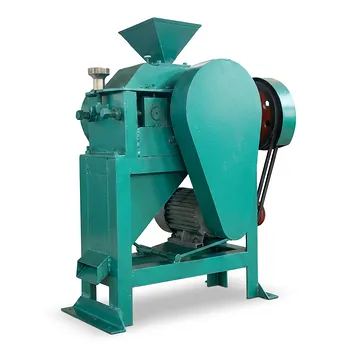
Laboratory Sealed Double Roll Crusher for Coal Ore Rock and Medium Hardness Materials Sample Preparation
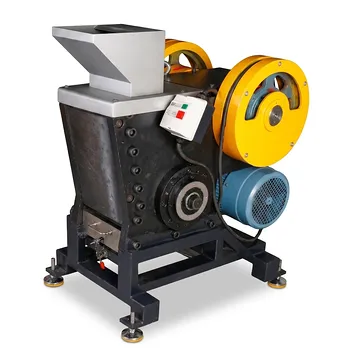
Heavy Duty Industrial Jaw Crusher for Primary Ore Crushing and High Capacity Mineral Material Size Reduction