Why is material selection for crusher rollers critical for abrasive materials? Balance Purity and Tool Longevity
Updated 3 months ago
The integrity of high-purity abrasives hinges entirely on the surfaces that crush them. Material selection for rollers and plungers is critical because substances like White Fused Alumina (WFA) and Mullite possess extreme hardness that rapidly destroys standard industrial components. Choosing the wrong material leads to a dual failure: the premature mechanical breakdown of the equipment and the chemical contamination of the high-purity product through metallic wear particles.
Processing ultra-hard materials requires a balance between mechanical durability and chemical purity. The right material selection minimizes the frequency of equipment failure while ensuring that metallic impurities do not compromise the market value of the refined alumina.
The Mechanical Challenge of Extreme Hardness
Managing High Abrasiveness
White Fused Alumina and Mullite are among the hardest synthetic minerals used in industry today. Their crystalline structure acts as a continuous cutting agent, grinding down contact surfaces through high-stress abrasion.
Structural Fatigue from Compression
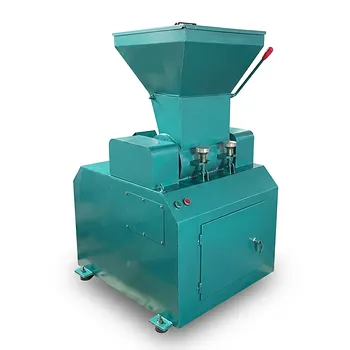
Equipment like jaw crushers and double-drive roll crushers rely on intense compressive force to break down large blocks. Without high-strength alloy steels, the repeated pressure required to crush 0–100 mm blocks into finer 0–3 mm particles will cause surface deformation or catastrophic cracking.
Surface Treatment Solutions
Specialized treatments, such as studded roller surfaces, are often employed to mitigate direct contact. These designs allow the material to fill the gaps between studs, facilitating "material-on-material" crushing which significantly extends the service life of the underlying steel.
Protecting the Purity of the End Product
The Risk of Metallic Contamination
As crusher rollers or plungers wear down, microscopic fragments of the equipment are shed into the material stream. For high-purity WFA, even trace amounts of iron or alloy elements can render the final product useless for high-end applications like electronics or precision abrasives.
Non-Alloy Steel Applications
In specific scenarios where chemical purity is the highest priority, non-alloy steels may be selected for contact surfaces. While these may wear faster than specialized alloys, they prevent the introduction of complex heavy metals that are difficult to remove during post-processing.
Maintaining Particle Size Distribution
Material selection also affects the consistency of the output. When rollers wear unevenly due to inferior material choice, the gap between rollers becomes inconsistent, making it impossible to maintain a precise 0–3 mm particle size distribution.
Understanding the Trade-offs and Pitfalls
Capital Expenditure vs. Operational Downtime
Investing in premium, wear-resistant alloys increases initial costs but drastically reduces operational downtime. Frequent replacement of cheaper rollers leads to lost production hours and higher labor costs that quickly exceed the price of high-quality components.
The Brittle Nature of Hardened Steels
While increasing the hardness of a roller improves wear resistance, it often increases brittleness. If a "tramp" material (such as a stray bolt) enters the crusher, an overly hardened surface may shatter rather than dent, leading to an expensive and immediate system failure.
Contamination vs. Durability
There is often a direct conflict between the most durable material and the most "pure" material. Engineers must decide if it is more cost-effective to use a highly durable alloy and risk minor contamination, or use a "sacrificial" purer metal that requires more frequent replacement.
Strategic Recommendations for Material Processing
When selecting materials for your crushing equipment, align your choice with your primary production metric:
- If your primary focus is Equipment Longevity: Utilize high-strength alloy steels or studded roller surfaces to maximize the interval between maintenance cycles and resist the extreme abrasiveness of Mullite and WFA.
- If your primary focus is Chemical Purity: Opt for non-alloy steels or specialized surface linings that match the chemical profile of your product to ensure that inevitable wear does not introduce prohibited metallic impurities.
- If your primary focus is Precision Output: Ensure rollers are made of homogeneously hardened materials that wear evenly, allowing you to maintain a tight 0–3 mm gap for consistent particle size distribution.
Selecting the correct material is not merely a maintenance decision; it is a fundamental requirement for maintaining the competitive quality and profitability of abrasive mineral production.
Summary Table:
| Key Consideration | Challenge with Abrasive Materials | Strategic Solution |
|---|---|---|
| Mechanical Wear | High-stress abrasion and structural fatigue | High-strength alloy steels or studded surfaces |
| Chemical Purity | Metallic contamination (Iron/Alloys) | Non-alloy steels or matching surface linings |
| Output Quality | Inconsistent particle size distribution | Homogeneously hardened materials for even wear |
| Cost Efficiency | High maintenance and operational downtime | Investing in premium wear-resistant alloys |
Optimize Your Abrasive Processing with Expert Engineering
Processing high-purity, ultra-hard materials like White Fused Alumina requires a delicate balance between mechanical force and chemical integrity. At [Brand Name], we specialize in providing complete laboratory sample preparation solutions for material science, ensuring your powder processing is both efficient and contamination-free.
Our extensive equipment line is designed to handle the toughest materials:
- Crushing & Grinding: High-durability jaw/roll crushers, liquid nitrogen cryogenic grinders, and precision mills (planetary ball, jet, sand, disc, and rotor).
- Sizing & Mixing: Vibratory/air-jet sieve shakers, powder mixers, and specialized defoaming mixers.
- Advanced Compaction: A full spectrum of hydraulic presses, including Cold/Warm Isostatic Presses (CIP/WIP), XRF pellet presses, and vacuum hot presses.
Ensure your product meets the highest market standards. Let our experts help you select the right equipment configurations and material surfaces for your specific application.
Contact Our Technical Team Today
References
- László Tamás, Ádám Rácz. Material Bed Compression Experiments and the Examination of the Bulk Density of the Product. DOI: 10.33030/geosciences.2022.15.110
Mentioned Products
- Horizontal Double Roll Crusher for Medium Fine Crushing of Coal Limestone and Ores
- Laboratory Double Roller Crusher for Mining Construction Chemical Sample Preparation
- Heightened Customized Laboratory Double Roll Crusher for Coal Ore Rock Crushing
- Sealed Laboratory Double Roll Crusher for Coal, Mineral, Ore Sample Preparation
- Laboratory Sealed Double Roll Crusher for Coal Ore Rock and Medium Hardness Materials Sample Preparation
People Also Ask
- Why is a double roll crusher used for tin & tantalum? Prevent over-crushing & optimize gravity separation recovery.
- What is the primary role of industrial-grade crushing and grinding equipment in limestone? Boost Surface Area & Quality
- What is the function of an industrial roll crusher in the preparation of yam peel biomass adsorbents? Maximize Surface Area
- What is the role of a roll crusher in the pretreatment of coal gangue for sodium zeolite? Optimize Your Synthesis.
- Why use a lab roll crusher after jaw crushing for magnetite? Optimize kinetics and preserve material integrity.

Tech Team · PowderPreparation
Last updated on Jun 03, 2026
Related Products
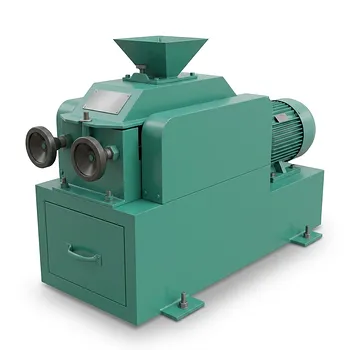
Horizontal Double Roll Crusher for Medium Fine Crushing of Coal Limestone and Ores
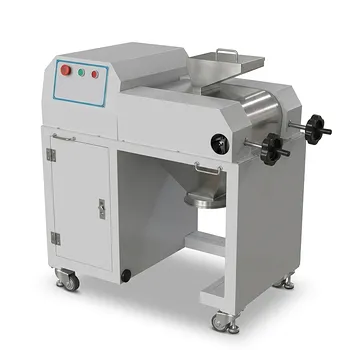
Laboratory Double Roller Crusher for Mining Construction Chemical Sample Preparation
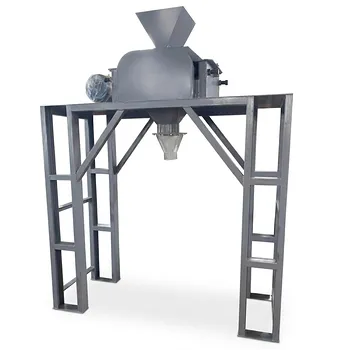
Heightened Customized Laboratory Double Roll Crusher for Coal Ore Rock Crushing
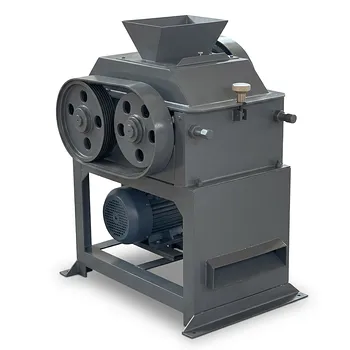
Sealed Laboratory Double Roll Crusher for Coal, Mineral, Ore Sample Preparation
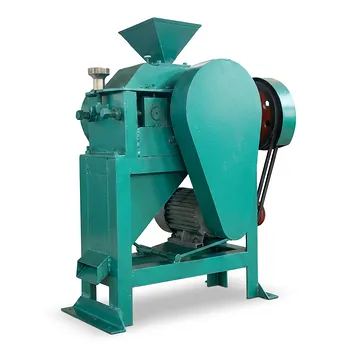
Laboratory Sealed Double Roll Crusher for Coal Ore Rock and Medium Hardness Materials Sample Preparation
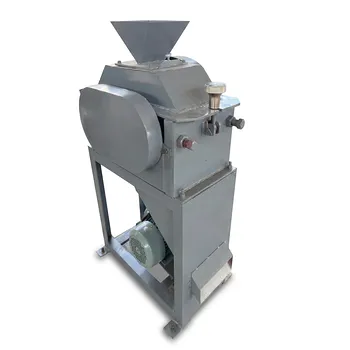
Sealed Double Roll Crusher for Laboratory Coal and Ore Sample Preparation
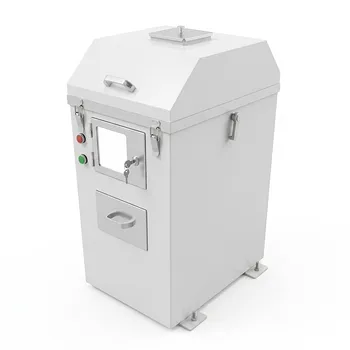
Sealed Double Roll Crusher for Laboratory Sample Preparation of Medium Hardness Materials
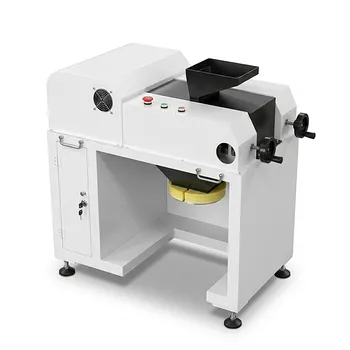
Precision Toothed Roll Crusher for Laboratory Coal and Mineral Sample Preparation
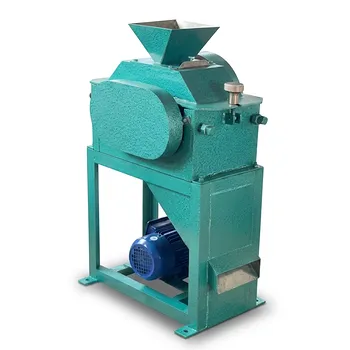
Laboratory Double Roll Crusher for Medium Hardness Materials Coal Ore Sample Preparation
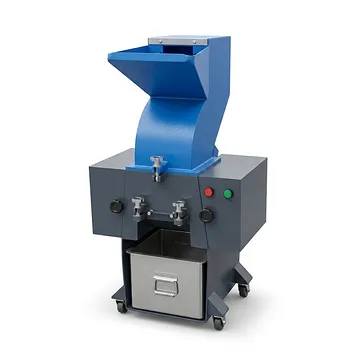
Heavy-Duty Crusher for Laboratory and Industrial Material Size Reduction
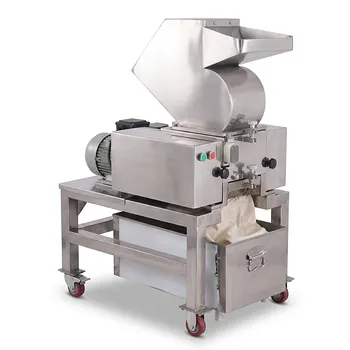
Stainless Steel Coarse Crusher for Pharmaceutical Food and Plastic Material Processing
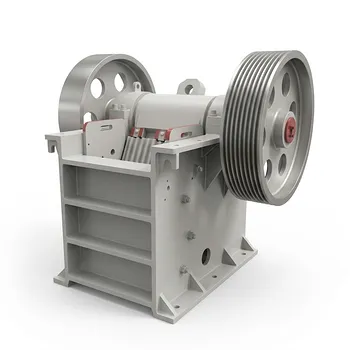
Jaw Crusher with 400x600mm Feed Opening for Primary Rock Crushing in Mining and Construction
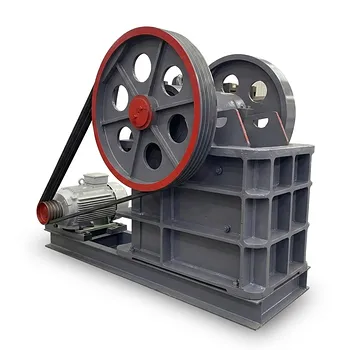
250x400mm Jaw Crusher Medium Crushing Equipment for Mining Mineral Sample Preparation
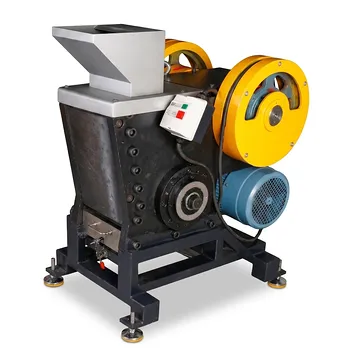
Heavy Duty Industrial Jaw Crusher for Primary Ore Crushing and High Capacity Mineral Material Size Reduction
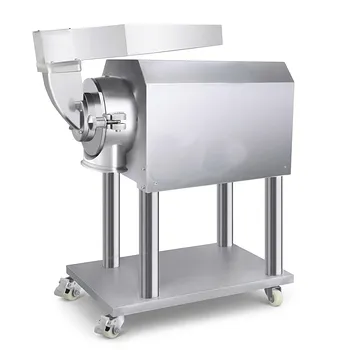
High Speed Small Laboratory Crusher for Dry Material Sample Preparation
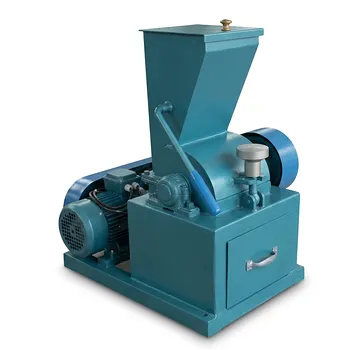
Small Hammer Crusher for Brittle Material Crushing in Mining Metallurgy and Lab Sample Preparation
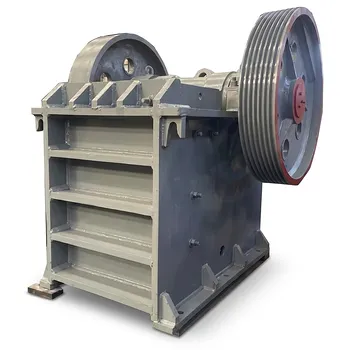
Heavy-Duty Jaw Crusher for Medium-Hard Ore and Industrial Mineral Crushing
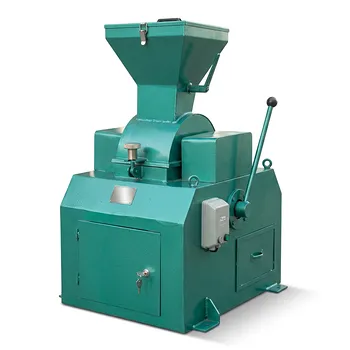
Laboratory Sealed Hammer Blade Crusher Divider for High Hardness Sample Preparation
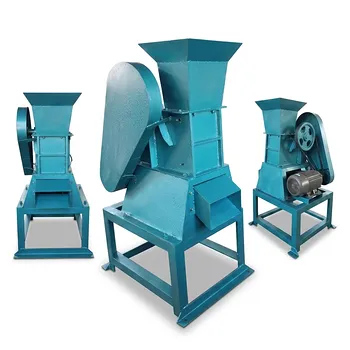
Custom Raised Height Laboratory Jaw Crusher for Precision Sample Preparation in Material Science