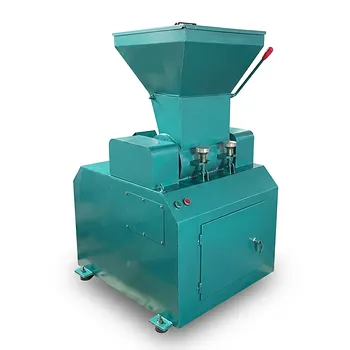
What is the primary function of a mechanical crusher in plastic recycling? Optimize Your 3D Printing Feedstock
Updated 5 months ago
The mechanical crusher serves as the essential gateway in the plastic recycling pipeline for additive manufacturing. Its primary function is the physical shredding of discarded plastic products—such as PET bottles or HDPE housings—into small, uniform fragments or flakes. This critical preprocessing step transforms irregular waste into a standardized raw material that can be successfully fed into extrusion equipment.
The mechanical crusher converts bulky, irregular plastic waste into a uniform feedstock. This standardization is mandatory for maintaining the thermal stability required to produce high-quality 3D printing filament with a consistent diameter.
Optimizing Feedstock for Extrusion
Ensuring Mechanical Flow
Large-scale plastic waste is geometrically diverse and cannot be directly processed by standard extrusion screws. The crusher reduces these items into fragments that flow predictably through feeding hoppers. Without this step, mechanical blockages and inconsistent feeding would halt the production line.
Stabilizing the Melting Process
Consistent fragment size is vital for achieving a stable melting profile within the extruder. When particles are uniform, they absorb heat at a predictable rate, preventing the formation of unmelted "cold spots" or overheated zones. This thermal equilibrium is what allows for the production of a uniform filament diameter, which is a prerequisite for successful 3D printing.
Increasing Specific Surface Area
By grinding waste into fine particles, the crusher significantly increases the specific surface area of the plastic. This allows for more rapid and uniform heat transfer during the melting and mixing stages. It also facilitates more precise weighing when preparing specific material formulations or additives.
The Role of Particle Uniformity in Separation
Facilitating Triboelectrostatic Sorting
In advanced recycling, different plastic types must be separated to ensure material purity. Mechanical crushing is fundamental to triboelectrostatic separation, as a uniform particle size distribution ensures a stable surface charge density. This stability is necessary for the particles to behave predictably when deflected by an electric field.
Consistency in Airflow Transport
During the sorting process, plastic fragments are often transported via airflow. If particles vary too much in size or weight, their kinetic behavior becomes erratic. The crusher ensures that fragments have the consistent physical properties required for efficient pneumatic transport and sorting.
Understanding the Trade-offs and Limitations
The Risk of Thermal Degradation
Mechanical crushing generates significant friction and heat. If the crushing process is too aggressive or the blades are dull, the plastic can reach temperatures that begin to thermally degrade the polymer chains. This degradation can result in brittle 3D prints and reduced mechanical performance in the final part.
Management of "Fines" and Dust
Crushing inevitably produces "fines"—extremely small dust-like particles that are often too small for the extrusion process. These fines can clog filters or burn quickly in the extruder, creating contaminants. Efficient recycling systems must balance the need for small particles with the need to minimize the production of unusable dust.
Blade Wear and Contamination
The blades of a mechanical crusher are subject to high wear, especially when processing reinforced plastics. Over time, microscopic metal fragments from the blades can contaminate the plastic flakes. These metallic impurities can cause nozzle clogs during the 3D printing process, leading to print failure.
Making the Right Choice for Your Goal
How to Apply This to Your Project
Selecting the right crushing parameters is the foundation of a successful "waste-to-filament" workflow. Your specific goals will dictate how you configure your crushing equipment:
- If your primary focus is high-precision filament: Ensure your crusher uses a fine-mesh screen to guarantee a narrow particle size distribution for maximum melting stability.
- If your primary focus is material purity: Prioritize a crusher that allows for easy cleaning between batches to prevent cross-contamination of different polymer types.
- If your primary focus is mechanical strength: Use sharp, high-quality blades and cooling intervals to minimize the heat generated during crushing, preserving the polymer's molecular weight.
By mastering the mechanical crushing stage, you ensure the consistency and quality of the recycled feedstock necessary for high-performance additive manufacturing.
Summary Table:
| Key Function | Technical Benefit | Impact on Additive Manufacturing |
|---|---|---|
| Size Reduction | Converts bulky waste into uniform fragments | Prevents hopper blockages and ensures steady feeding |
| Thermal Stability | Creates consistent particle surface area | Enables uniform melting and stable filament diameter |
| Material Purity | Facilitates triboelectrostatic separation | Ensures high-purity polymer feedstock for stronger prints |
| Process Efficiency | Increases specific surface area | Allows for faster heat transfer and precise additive mixing |
Elevate Your Material Research with Professional Sample Preparation
At [Company Name], we provide complete laboratory sample preparation solutions tailored for material science and advanced manufacturing. Whether you are recycling plastics for 3D printing or developing new composites, our specialized equipment ensures the precision and consistency your research demands.
Our extensive product line includes:
- Crushing & Grinding: High-performance jaw and roll crushers, liquid nitrogen cryogenic grinders, and various mills (planetary ball, jet, sand, disc, and rotor).
- Sizing & Mixing: Precision vibratory and air-jet sieve shakers, along with advanced powder and defoaming mixers.
- Compaction & Pressing: A full spectrum of hydraulic presses, including Cold/Warm Isostatic Presses (CIP/WIP), XRF pellet presses, and vacuum hot presses.
Ready to optimize your "waste-to-filament" workflow? Contact our technical experts today to find the perfect crushing and processing solution for your laboratory needs.
References
- Stavros T. Ponis, Konstantina Dimogiorgi. A Systematic Literature Review on Additive Manufacturing in the Context of Circular Economy. DOI: 10.3390/su13116007
Mentioned Products
- Versatile Industrial Crusher for Laboratory Crushing and Material Processing
- Heavy-Duty Crusher for Laboratory and Industrial Material Size Reduction
- Heavy Duty Industrial Jaw Crusher for Primary Ore Crushing and High Capacity Mineral Material Size Reduction
- Stainless Steel Coarse Crusher for Pharmaceutical Food and Plastic Material Processing
- Heightened Customized Laboratory Double Roll Crusher for Coal Ore Rock Crushing
People Also Ask
- What is the purpose of using industrial crushers and vibratory sieve shakers in the pretreatment of coal gangue? Ensure Uniformity
- What is the role of industrial crushers and standard test sieves in biomass pyrolysis? Optimize Heat Transfer & Yield
- What is the function of industrial crushers in the initial preparation of silicate minerals? Enhance Sample Uniformity
- What is the function of an industrial crusher in CRSS filler preparation? Essential Size Reduction for Carbonization
- How do crushers and mills work together in gypsum recycling? Transform drywall waste into reactive ceramic materials.

Tech Team · PowderPreparation
Last updated on May 14, 2026
Related Products
Versatile Industrial Crusher for Laboratory Crushing and Material Processing
Heavy-Duty Crusher for Laboratory and Industrial Material Size Reduction
Heavy Duty Industrial Jaw Crusher for Primary Ore Crushing and High Capacity Mineral Material Size Reduction
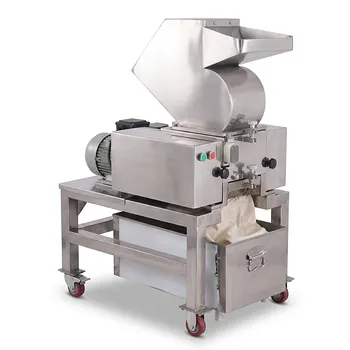
Stainless Steel Coarse Crusher for Pharmaceutical Food and Plastic Material Processing
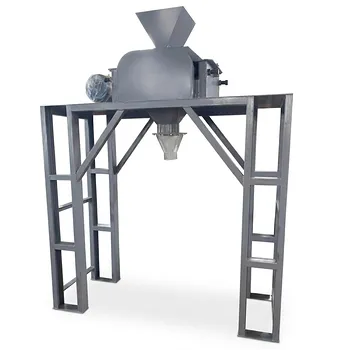
Heightened Customized Laboratory Double Roll Crusher for Coal Ore Rock Crushing
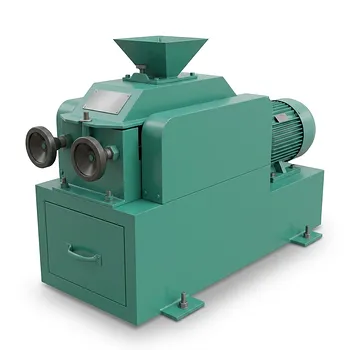
Horizontal Double Roll Crusher for Medium Fine Crushing of Coal Limestone and Ores
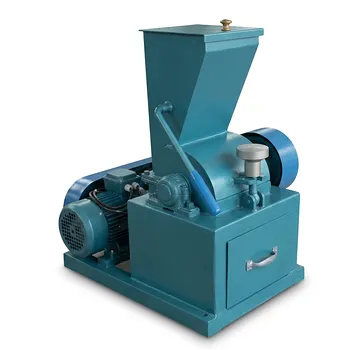
Small Hammer Crusher for Brittle Material Crushing in Mining Metallurgy and Lab Sample Preparation
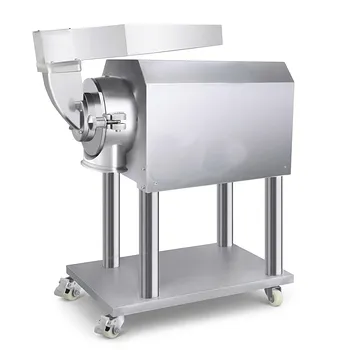
High Speed Small Laboratory Crusher for Dry Material Sample Preparation
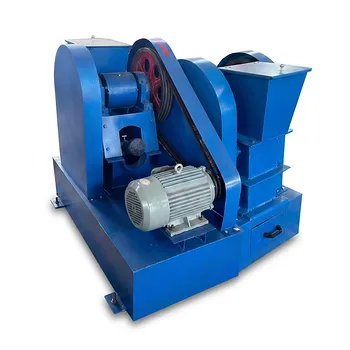
Horizontal Jaw Crusher Medium Hard Material Crushing Laboratory Sample Preparation Equipment
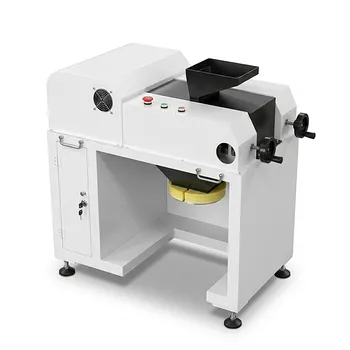
Precision Toothed Roll Crusher for Laboratory Coal and Mineral Sample Preparation
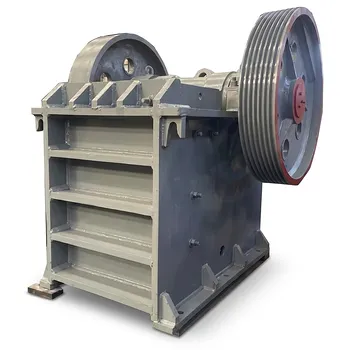
Heavy-Duty Jaw Crusher for Medium-Hard Ore and Industrial Mineral Crushing
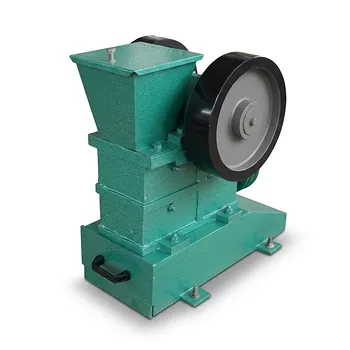
Laboratory Small Jaw Crusher 100x60mm
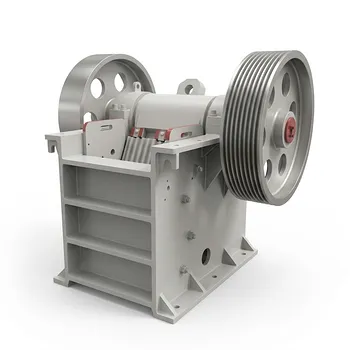
Jaw Crusher with 400x600mm Feed Opening for Primary Rock Crushing in Mining and Construction
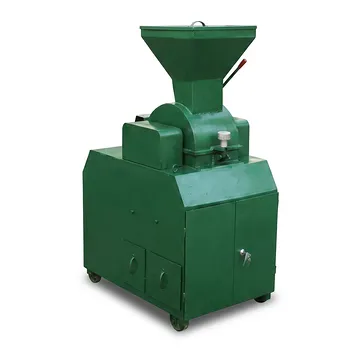
Industrial Sealed Hammer Knife Crusher for Mining Ore and Coal Sample Preparation
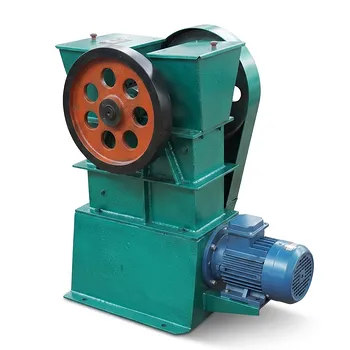
150×125mm Laboratory Jaw Crusher for Medium and Fine Crushing of Brittle Materials
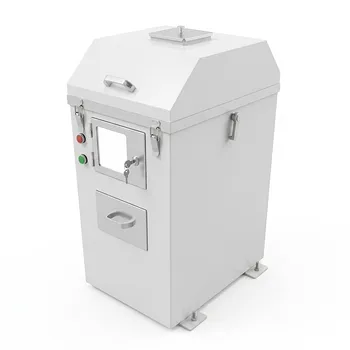
Sealed Double Roll Crusher for Laboratory Sample Preparation of Medium Hardness Materials
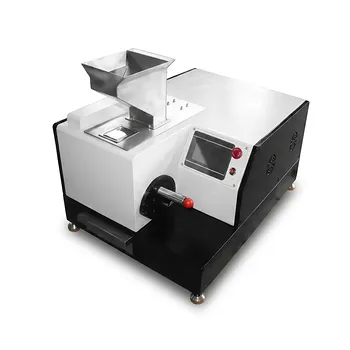
Experimental Jaw Crusher for Laboratory Ore Crushing and Sample Preparation
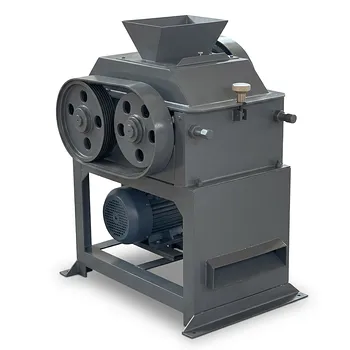
Sealed Laboratory Double Roll Crusher for Coal, Mineral, Ore Sample Preparation
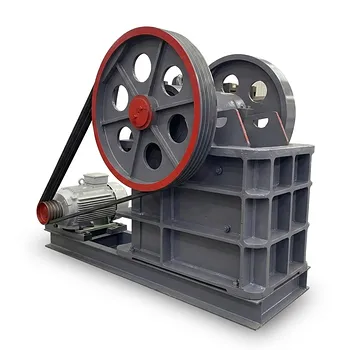
250x400mm Jaw Crusher Medium Crushing Equipment for Mining Mineral Sample Preparation