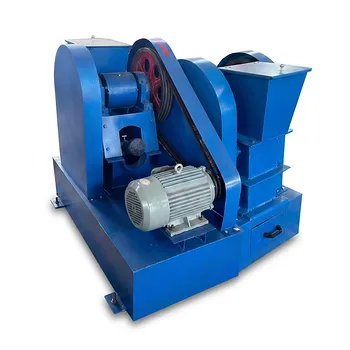
Why use a lab roll crusher after jaw crushing for magnetite? Optimize kinetics and preserve material integrity.
Updated 4 months ago
The laboratory roll crusher serves as a critical bridge between primary crushing and fine grinding in magnetite processing. By following a jaw crusher, it performs secondary size reduction to a precise range (typically below 3 mm to 6 mm) while specifically preserving the internal structural integrity of the mineral. This step is vital to ensure that the material is physically prepared for accurate grinding kinetics testing and representative sampling.
Using a roll crusher after a jaw crusher prevents the formation of internal micro-cracks that can compromise the mechanical integrity of magnetite. This multi-stage approach ensures a uniform feed size, which improves energy efficiency in subsequent ball milling and protects the validity of experimental data.
Preserving Material Integrity for Testing
Avoiding the Formation of Micro-cracks
Unlike primary crushing methods that use heavy reciprocating compression, a roll crusher is designed for secondary fine crushing. This specific mechanical action avoids generating internal micro-cracks within the magnetite particles.
Ensuring Accurate Grinding Kinetics
Maintaining the superior mechanical integrity of the feed is essential for scientific reliability. If particles have internal structural damage before they reach the ball mill, subsequent grinding kinetics tests will yield deviated results that do not reflect the raw material's true properties.
Optimization of the Processing Workflow
Bridging the Gap to Fine Grinding
A jaw crusher typically reduces raw ore to a coarse scale, often around centimeter levels or slightly below. The roll crusher further refines this material to a narrow-range experimental feed, making it suitable for the final liberation stages in a ball mill.
Improving Energy and Load Efficiency
By reducing the particle size to a range of 4 to 6 mm (or even below 3 mm), the roll crusher significantly lightens the workload of the ball mill. This multi-stage strategy improves overall energy efficiency and prevents the fine grinding equipment from being overloaded with oversized feed.
Facilitating Representative Sampling
A uniform particle size distribution is a prerequisite for chemical analysis and physical separation. The roll crusher ensures the material is sufficiently homogeneous, meaning any small sample taken is truly representative of the bulk magnetite ore.
Understanding the Trade-offs
Equipment Maintenance and Complexity
While adding a roll crusher improves material quality, it increases the complexity of the laboratory workflow. Roll crushers require precise gap settings and regular maintenance of the roll surfaces to ensure the desired granularity is maintained consistently.
Risk of Bypassing the Secondary Stage
Attempting to move directly from a jaw crusher to a ball mill often leads to inefficient grinding cycles. This can result in an uneven final product where the target minerals are not fully liberated, ultimately lowering the recovery rate during separation.
Making the Right Choice for Your Goal
How to Apply This to Your Project
To achieve the best results in magnetite preparation, your equipment choice should align with your specific experimental or production requirements.
- If your primary focus is Research and Kinetics: Use the roll crusher specifically to maintain mechanical integrity and avoid micro-cracks that skew data.
- If your primary focus is Process Efficiency: Implement roll crushing as a secondary stage to reduce the load on your ball mill and save energy.
- If your primary focus is Representative Sampling: Prioritize the roll crusher to achieve the uniform granularity required for accurate chemical and physical assays.
By meticulously managing the transition from jaw crushing to roll crushing, you ensure the structural and dimensional precision necessary for high-quality mineralogical analysis.
Summary Table:
| Crushing Stage | Equipment Used | Typical Output Size | Core Benefit for Magnetite |
|---|---|---|---|
| Primary | Jaw Crusher | Centimeter-level | Rapid initial reduction of raw ore |
| Secondary | Roll Crusher | 3 mm to 6 mm | Preserves structural integrity; no micro-cracks |
| Fine Grinding | Ball Mill | Micrometer-level | Final mineral liberation and accurate kinetics |
Elevate Your Material Preparation Precision
Achieve superior accuracy in your mineralogical analysis and research with our professional-grade laboratory solutions. At [Our Brand Name], we specialize in providing complete sample preparation equipment tailored for material science and powder processing.
Our extensive product line ensures you have the right tool for every stage of the process:
- Size Reduction: High-performance Jaw/Roll Crushers, Liquid Nitrogen Cryogenic Grinders, and various Mills (Planetary Ball, Jet, Disc, Rotor).
- Sieving & Mixing: Vibratory/Air-jet Sieve Shakers and advanced Powder/Defoaming Mixers.
- Compaction & Pressing: A full spectrum of Hydraulic Presses, including Cold/Warm Isostatic Presses (CIP/WIP), XRF Pellet Presses, and Vacuum Hot Presses.
Ensure the mechanical integrity of your samples and optimize your grinding kinetics today. Contact our technical experts now to find your perfect solution!
References
- Chengfang Yuan, Jingkun Tian. Ceramic Grinding Kinetics of Fine Magnetite Ores in the Batch Ball Mill. DOI: 10.3390/min13091188
Mentioned Products
- Laboratory Sealed Double Roll Crusher for Coal Ore Rock and Medium Hardness Materials Sample Preparation
- Precision Toothed Roll Crusher for Laboratory Coal and Mineral Sample Preparation
- Sealed Laboratory Double Roll Crusher for Coal, Mineral, Ore Sample Preparation
- Laboratory Double Roll Crusher for Medium Hardness Materials Coal Ore Sample Preparation
- Laboratory Double Roller Crusher for Mining Construction Chemical Sample Preparation
People Also Ask
- Why is a double roll crusher used for tin & tantalum? Prevent over-crushing & optimize gravity separation recovery.
- What is the primary function of laboratory-scale crushers in the pre-treatment stage of iron ore bio-dephosphorization?
- Lab Crusher's Role in Banana Stem Cellulose Extraction? Enhance Your Raw Material Preparation Now
- What is the primary role of laboratory crushers in the recycling process of inorganic old sand? Essential for Sand Reuse
- What role do high-precision laboratory crushers play in mineral sample preparation? Ensure Accuracy & Feed Uniformity.

Tech Team · PowderPreparation
Last updated on Jun 03, 2026
Related Products
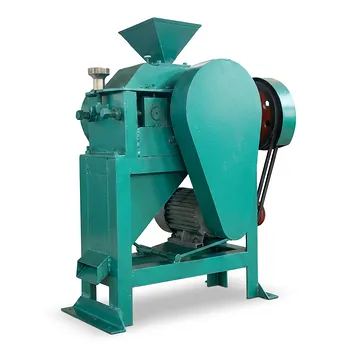
Laboratory Sealed Double Roll Crusher for Coal Ore Rock and Medium Hardness Materials Sample Preparation
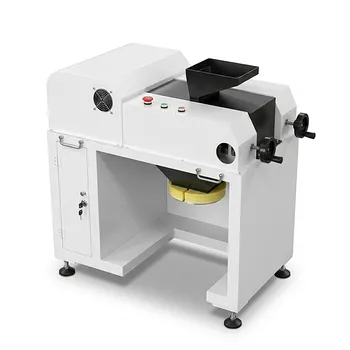
Precision Toothed Roll Crusher for Laboratory Coal and Mineral Sample Preparation
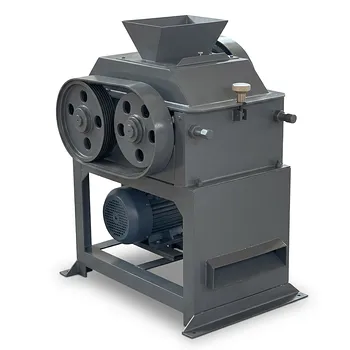
Sealed Laboratory Double Roll Crusher for Coal, Mineral, Ore Sample Preparation
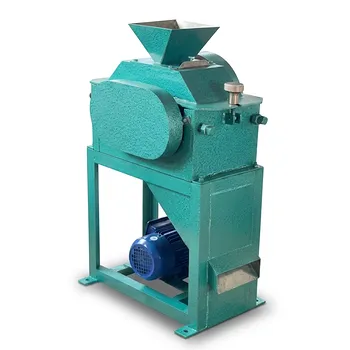
Laboratory Double Roll Crusher for Medium Hardness Materials Coal Ore Sample Preparation
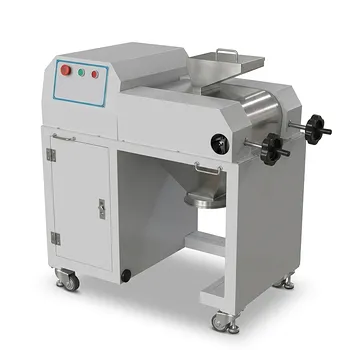
Laboratory Double Roller Crusher for Mining Construction Chemical Sample Preparation
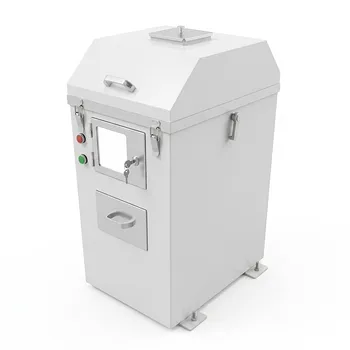
Sealed Double Roll Crusher for Laboratory Sample Preparation of Medium Hardness Materials
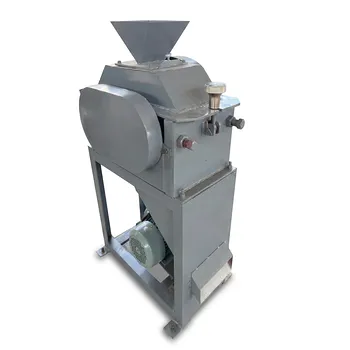
Sealed Double Roll Crusher for Laboratory Coal and Ore Sample Preparation
Heightened Customized Laboratory Double Roll Crusher for Coal Ore Rock Crushing
High Speed Small Laboratory Crusher for Dry Material Sample Preparation
150×125mm Laboratory Jaw Crusher for Medium and Fine Crushing of Brittle Materials
Laboratory Jaw Crusher 2025 Model for Ore and Brittle Material Crushing
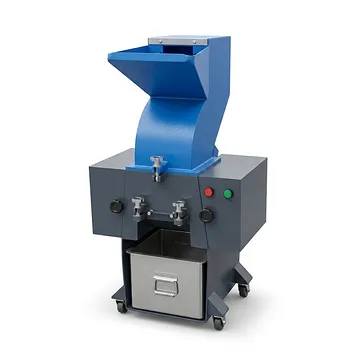
Heavy-Duty Crusher for Laboratory and Industrial Material Size Reduction
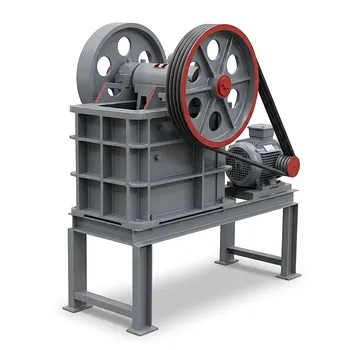
Laboratory Jaw Crusher 200x300mm Opening for Primary Crushing of Ores and Aggregates
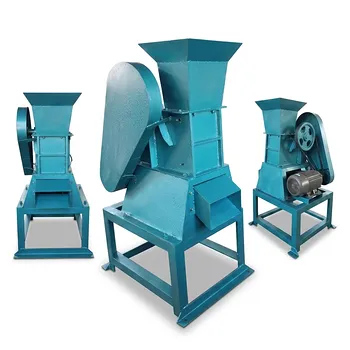
Custom Raised Height Laboratory Jaw Crusher for Precision Sample Preparation in Material Science
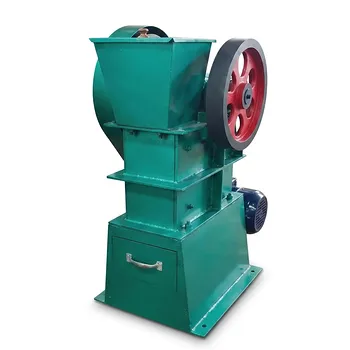
EP Series Small Jaw Crusher for Laboratory Sample Preparation
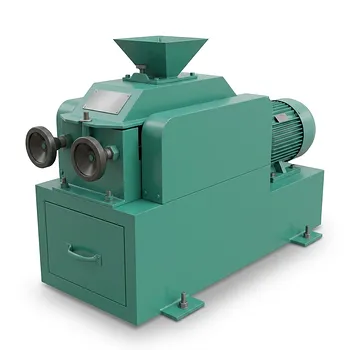
Horizontal Double Roll Crusher for Medium Fine Crushing of Coal Limestone and Ores
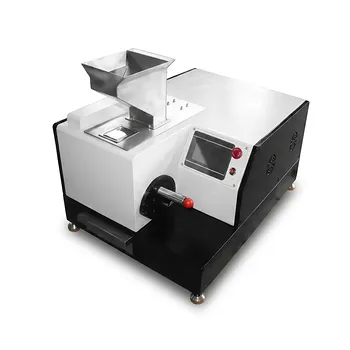
Experimental Jaw Crusher for Laboratory Ore Crushing and Sample Preparation
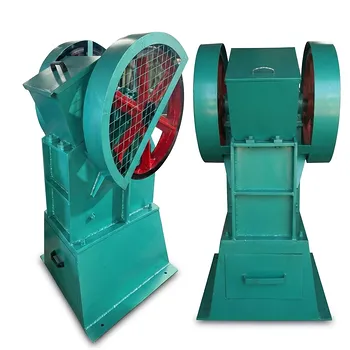
Sealed Jaw Crusher for Laboratory Material Crushing and Sample Preparation
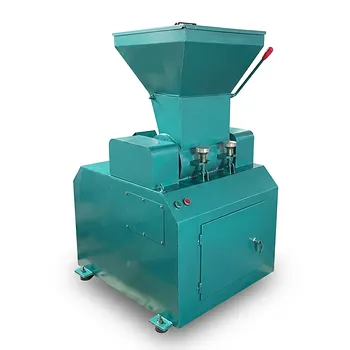
Sealed Hammer Crusher for Laboratory Coal Sample Preparation Adjustable Output Size