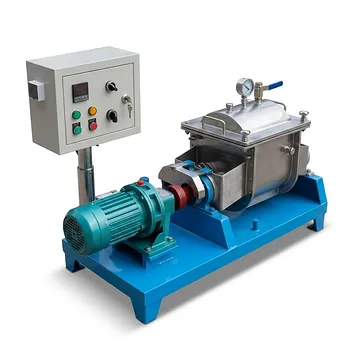
Why is a centrifugal mixer with defoaming required for Resin-GelMA? Ensure bubble-free, high-strength 3D prints.
Updated 5 months ago
Achieving material integrity in Resin-GelMA composites requires a centrifugal mixer because it provides the intense shear forces necessary to blend high-viscosity components while simultaneously extracting trapped air. This dual-action process ensures the composite is microscopically uniform and free of internal voids, which are critical factors for successful 3D printing and structural reliability.
Core Takeaway: A centrifugal mixer with a defoaming function is essential to transform high-viscosity Resin and GelMA into a homogenous, bubble-free prepolymer. By eliminating micro-bubbles, the mixer prevents internal pore defects and ensures the cured material achieves its intended mechanical strength and structural density.
Overcoming the Challenges of High Viscosity
The Limitations of Manual or Blade Mixing
High-viscosity materials like resin and Gelatin Methacryloyl (GelMA) are notoriously difficult to blend using traditional methods. Conventional stirring often fails to achieve microscopic uniformity and frequently introduces more air into the mixture.
The Power of Simultaneous Rotation and Revolution
A planetary centrifugal mixer operates by rotating the material container while it simultaneously revolves around a central axis. This dual-motion generates powerful centrifugal and shear forces that drive the materials into a state of high-dispersion without the need for internal mixing blades.
Achieving Microscopic Uniformity
These forces allow for the uniform mixing of high-viscosity monomers and bio-inks in a very short timeframe. This speed is vital for maintaining the stability of the chemical components before the curing process begins.
The Critical Role of Defoaming in Material Performance
Eliminating Micro-Bubbles
During the loading and mixing phases, tiny air bubbles inevitably become trapped within the viscous slurry. The centrifugal field forcefully drives these micro-bubbles to the surface, where they rupture and disappear, often assisted by an integrated vacuum function.
Preventing Internal Pore Defects
In applications like 3D printing or photopolymerization, any remaining air becomes a permanent internal pore once the material is cured. These voids act as stress concentrators, significantly weakening the mechanical performance and reliability of the final part.
Ensuring Printing Stability
For extrusion-based or light-based 3D printing, bubbles cause "spitting," flow interruptions, or uneven layers. Thorough defoaming ensures a continuous, stable extrusion process, which is necessary for maintaining the structural density of the printed object.
Understanding the Trade-offs and Limitations
Heat Generation from Kinetic Energy
The intense shear forces required to mix viscous resins generate significant internal friction. This can lead to temperature increases within the material, which may prematurely trigger thermal initiators or degrade sensitive biological components in GelMA if not carefully monitored.
Specialized Equipment Requirements
Centrifugal mixers require specific containers and balancing to operate safely at high speeds. This limits the batch size compared to large-scale industrial stirrers and necessitates a higher initial investment in specialized hardware.
Vacuum-Induced Solvent Evaporation
While a vacuum environment is superior for removing the smallest micro-bubbles, it can also cause the evaporation of volatile components or solvents. Users must balance the vacuum intensity to ensure the chemical composition of the Resin-GelMA composite remains unchanged.
Making the Right Choice for Your Project
Guidelines for Implementation
Depending on your specific goals for using Resin-GelMA composites, focus on the following technical priorities:
- If your primary focus is 3D Printing Precision: Prioritize the vacuum defoaming function to prevent flow interruptions and ensure a smooth, continuous extrusion of the composite.
- If your primary focus is Mechanical Load-Bearing: Focus on maximizing the shear force and mixing duration to ensure a perfectly homogenous blend, which eliminates weak points caused by poorly dispersed fillers.
- If your primary focus is Bio-stability (GelMA integrity): Utilize a mixer with cooling capabilities or intermittent mixing cycles to prevent heat-induced denaturation of the gelatin components.
By utilizing a centrifugal mixer with integrated defoaming, you move beyond simple stirring to professional-grade material preparation, ensuring every cured component meets its rigorous design specifications.
Summary Table:
| Feature | Benefit for Resin-GelMA Composites | Impact on Final Product |
|---|---|---|
| High Shear Force | Blends high-viscosity components microscopically | Prevents weak spots and uneven curing |
| Planetary Motion | Blade-free, high-dispersion mixing | No contamination; maintains chemical stability |
| Vacuum Defoaming | Eliminates micro-bubbles and air pockets | Prevents internal pores and printing "spitting" |
| Rapid Processing | Completes mixing in a very short timeframe | Prevents premature curing or bio-degradation |
| Vacuum Control | Removes volatile air without losing solvents | Maintains precise chemical composition |
Elevate Your Material Integrity with Precision Mixing Solutions
Are you struggling with micro-bubbles or inconsistent blends in your high-viscosity resins and bio-inks? Achieving professional-grade results requires more than simple stirring—it requires specialized equipment designed for the rigors of material science.
At [Company Name], we provide complete laboratory sample preparation solutions. We specialize in powder processing and compaction equipment, including our high-performance defoaming mixers that ensure your Resin-GelMA composites are perfectly homogenous and bubble-free. Our expertise extends across the entire preparation workflow:
- Advanced Mixing: Centrifugal defoaming mixers and powder mixers for uniform dispersion.
- Size Reduction: Planetary ball mills, jet mills, and liquid nitrogen cryogenic grinders.
- Material Compaction: A full spectrum of hydraulic presses, including Cold/Warm Isostatic Presses (CIP/WIP), vacuum hot presses, and XRF pellet presses.
- Classification: Vibratory and air-jet sieve shakers for precise particle size control.
Whether you are refining 3D printing bio-inks or developing advanced structural composites, our equipment is engineered to eliminate defects and maximize mechanical performance.
Ready to optimize your lab's workflow? Contact our technical experts today to find the ideal solution for your specific application!
References
- Mohammad Naghavi Zadeh, Jonathan Rossiter. Hybrid diacrylate resin-gelatin methacryloyl composite with bone-to-brain stiffness range. DOI: 10.1038/s43246-025-00931-y
Mentioned Products
- High Viscosity Planetary Centrifugal Vacuum Mixer for Material Defoaming and Uniform Mixing
- High Efficiency Vacuum Planetary Centrifugal Mixer and Defoaming Machine for Industrial Material Research and Precise Laboratory Powder Dispersion
- Industrial Planetary Centrifugal Vacuum Defoaming Mixer for High Viscosity Paste and Powder Homogenization
- Industrial Planetary Centrifugal Vacuum Defoaming Mixer for High Viscosity Paste and Advanced Material Science
- High Viscosity Planetary Centrifugal Mixing and Vacuum Defoaming Machine for Laboratory Material Preparation
People Also Ask
- What core functions does a planetary centrifugal mixer perform? Optimize Hard Carbon Anode Slurry & Degassing
- Why is a planetary centrifugal mixer recommended for geopolymer slurries? Achieve high-shear, air-free homogenization.
- Why is a planetary centrifugal mixer utilized for wood powder and HPMC? Achieve uniform dispersion & rapid defoaming.
- How does a planetary centrifugal mixer address key challenges in Tyr-CDs@EVA optical films? Ensure Optical Clarity.
- What is the role of a planetary centrifugal mixer in UHTC slurry preparation? Achieve Void-Free, High-Viscosity Mixing

Tech Team · PowderPreparation
Last updated on May 14, 2026
Related Products
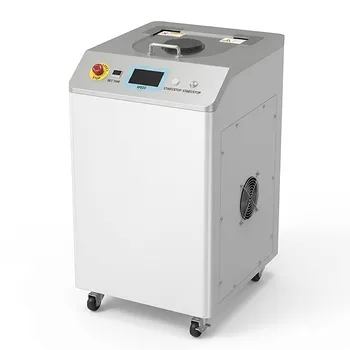
High Viscosity Planetary Centrifugal Vacuum Mixer for Material Defoaming and Uniform Mixing
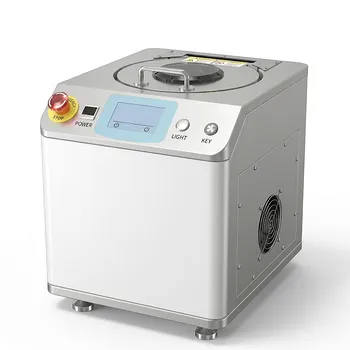
High Efficiency Vacuum Planetary Centrifugal Mixer and Defoaming Machine for Industrial Material Research and Precise Laboratory Powder Dispersion
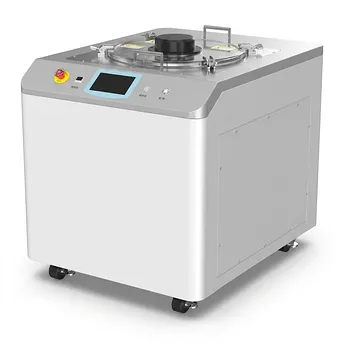
Industrial Planetary Centrifugal Vacuum Defoaming Mixer for High Viscosity Paste and Powder Homogenization
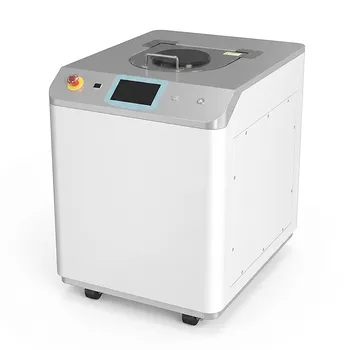
Industrial Planetary Centrifugal Vacuum Defoaming Mixer for High Viscosity Paste and Advanced Material Science
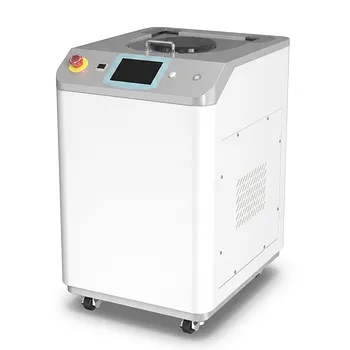
High Viscosity Planetary Centrifugal Mixing and Vacuum Defoaming Machine for Laboratory Material Preparation
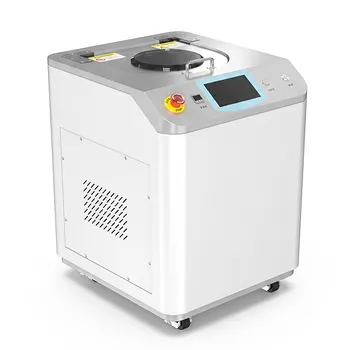
High Speed Vacuum Planetary Centrifugal Mixer and Defoamer for Industrial Paste Processing
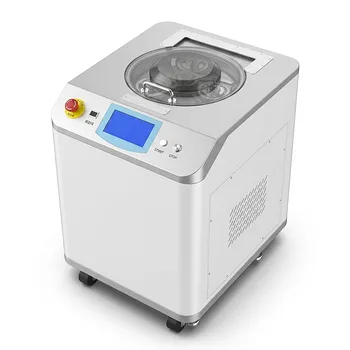
Dual Cup Vacuum Centrifugal Mixer Planetary Paste Defoaming Machine Industrial Material Processor
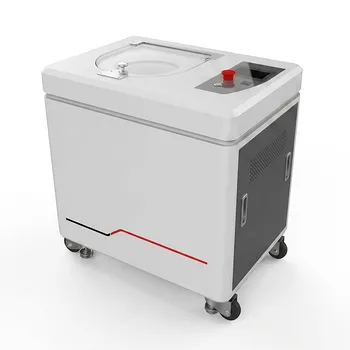
非介入式材料均质机真空脱泡行星搅拌高粘度混合设备
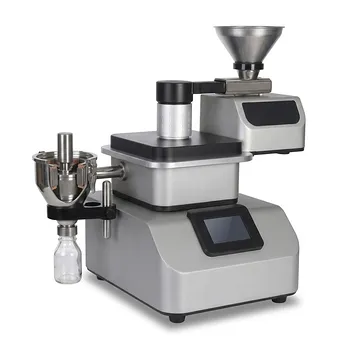
Ultra Centrifugal Mill for Rapid Laboratory Sample Preparation and Fine Powder Grinding
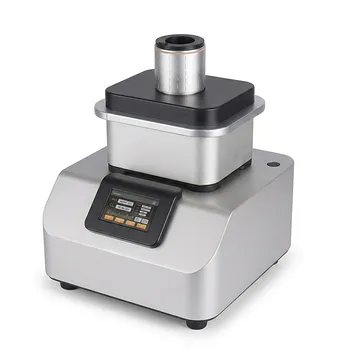
Ultra Centrifugal Mill High Speed Laboratory Grinder for Fibrous and Brittle Sample Preparation
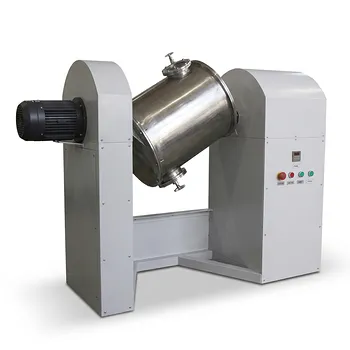
Inclined Mixer for Homogeneous Powder Blending and Grinding
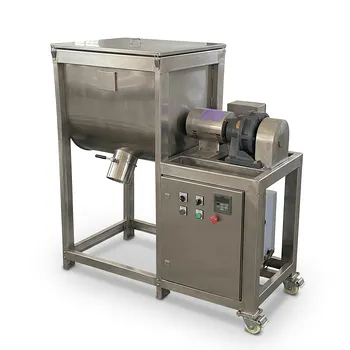
Horizontal Ribbon Mixer for Dry Powder and Slurry Blending
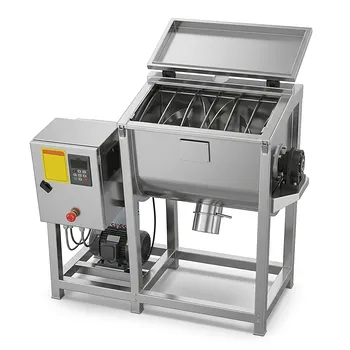
Horizontal Ribbon Mixer for Uniform Powder and Slurry Mixing
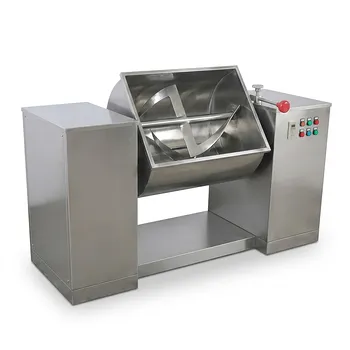
Horizontal Trough Mixer for Uniform Powder and Paste Blending
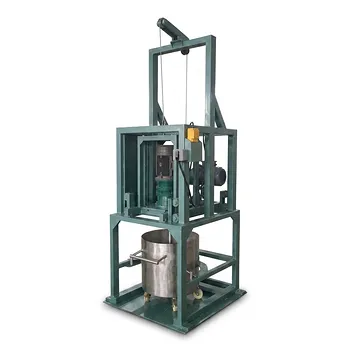
High-Speed Simple Disperser for Efficient Mixing, Dispersion, and Emulsification
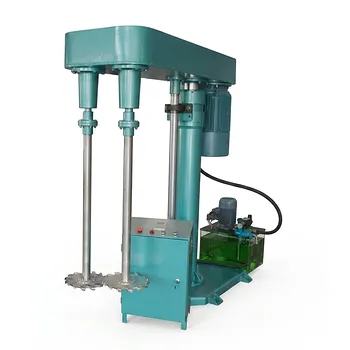
Hydraulic Double Shaft Disperser for High Viscosity Liquid Mixing and Dispersion
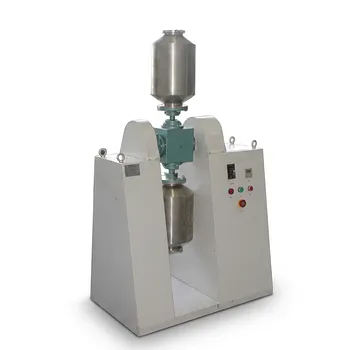
Multi Dimensional Universal Mixer for High Uniformity Powder Blending
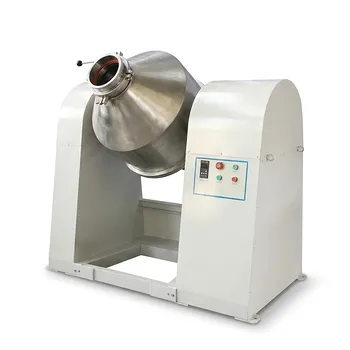
Industrial Double Cone Mixer for Powder Blending and Homogeneous Mixing
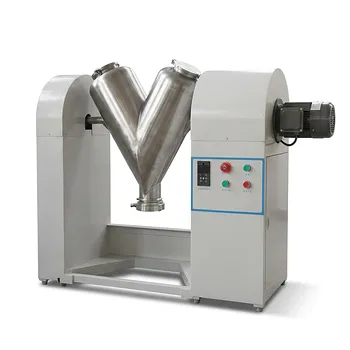
V-Type Powder Mixer for Uniform Blending of Dry Powders and Granules