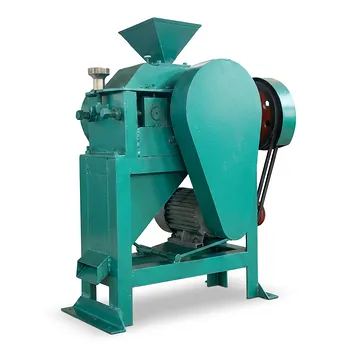
Why is a ball mill used for fine coal pulverization? Optimize sample accuracy and surface area for analysis
Updated 4 months ago
Ball mills are utilized for coal pulverization because they provide the mechanical energy necessary to reduce heterogeneous raw coal into a uniform, micron-level powder. By applying high-speed impact, attrition, and friction forces, these mills increase the specific surface area of the sample. This refinement is critical for ensuring that subsequent physical and chemical analyses are both accurate and representative of the entire coal batch.
The core value of a ball mill lies in its ability to transform raw materials into a homogenized state with maximized surface area. This ensures complete chemical reactions during testing and provides the particle uniformity required for precision analytical instruments.
The Mechanics of Micron-Level Refinement
Leveraging High-Impact and Friction Forces
A ball mill operates by rotating a cylinder filled with grinding media, typically steel or ceramic balls. As the cylinder spins, the media is lifted and dropped, creating high-energy impacts and shear forces that crush the coal.
Achieving Particle Size Uniformity
Consistency is the primary requirement for material science research. Ball mills can reliably reduce coal to specific ranges, such as 1100 to 1400 micrometers for general study, or below 150 micrometers for specialized laboratory industrial analysis.
The Role of Planetary High-Energy Milling
For more demanding applications, planetary ball mills use a unique "sun and planet" motion to generate even more intense centrifugal forces. This rapid pulverization is essential for achieving ultrafine particle sizes (below 0.1 micrometers) required for advanced mineral characterization.
Maximizing Analytical Accuracy and Kinetics
Enhancing Chemical Reaction Kinetics
Increasing the specific surface area of a coal sample allows leaching agents and gases to maintain full contact with the particles. This optimizes reaction kinetics during ashing, leaching, and combustion experiments, ensuring the sample reacts completely.
Ensuring Sample Representativeness
Raw coal is naturally heterogeneous, containing varying levels of minerals and carbon. Pulverization into a fine powder ensures that any small sub-sample taken for a test is a true representation of the bulk material’s chemical composition.
Exposing Internal Structural Defects
High-energy grinding effectively exposes internal structural defects and mineral components trapped within the coal matrix. This exposure is vital for researchers studying the microstructure and combustion performance of semi-coke and other coal derivatives.
Understanding the Trade-offs
Thermal Degradation Risks
The intense mechanical energy in a ball mill inevitably generates heat. If not managed, this temperature rise can cause the premature release of volatile matter or alter the moisture content, potentially skewing the results of a proximate analysis.
Material Contamination
Grinding media and the mill lining are subject to wear over time. This wear can introduce trace contaminants (such as iron or alumina) into the coal sample, which may interfere with high-precision trace element analysis or sintering studies.
Time and Energy Consumption
Achieving ultrafine levels requires significant time and energy. Researchers must balance the need for extreme fineness against the diminishing returns of extended milling times, which can lead to particle agglomeration rather than further refinement.
Making the Right Choice for Your Goal
How to Apply This to Your Project
To get the most out of your pulverization process, align your milling strategy with your specific analytical requirements.
- If your primary focus is standard industrial analysis (Proximate/Ultimate): Aim for a particle size below 150 microns (100 mesh) to ensure sample homogeneity and complete reaction during combustion.
- If your primary focus is precision mineralogy (XRD/XRF): Utilize a planetary high-energy ball mill to reach sub-micron levels, which eliminates particle orientation effects and improves the accuracy of mineral identification.
- If your primary focus is leaching or ashing kinetics: Focus on maximizing surface area through dry grinding to allow for optimal contact between the coal particles and chemical reagents.
By selecting the appropriate milling energy and duration, you ensure that your coal samples provide a consistent and reliable foundation for all subsequent material science investigations.
Summary Table:
| Feature | Impact on Coal Analysis | Recommended Equipment |
|---|---|---|
| Particle Size | Reduces coal to <150μm for uniform combustion | Standard Ball Mill |
| Surface Area | Maximizes kinetics for leaching & ashing | Planetary Ball Mill |
| Homogeneity | Ensures small samples represent the bulk batch | Laboratory Mill / Mixer |
| Microstructure | Exposes internal defects for mineral characterization | High-Energy Grinder |
Elevate Your Material Science Research with Precision Sample Prep
Achieving accurate analytical results starts with superior sample preparation. At [Brand Name], we provide complete laboratory solutions tailored for material science, specializing in advanced powder processing and compaction equipment.
Whether you require planetary ball mills for ultrafine coal pulverization, jet mills for contamination-free grinding, or XRF pellet presses for mineral analysis, our extensive range is designed to meet the most rigorous standards. From initial crushing with our jaw and roll crushers to final compaction using our Cold Isostatic Presses (CIP) or vacuum hot presses, we empower your lab with the tools needed for excellence.
Ready to optimize your pulverization process? Contact our technical experts today to find the perfect equipment for your coal, mineral, or powder processing applications.
References
- O. O. Alabi, O. S. Osaghae. Assessment of Ovbiomu Coal for Industrial Application. DOI: 10.52589/ajste-ewgvmpjk
Mentioned Products
- Laboratory Disc Mill Medium Hard Material Grinding Coal Coke Ore Pulverizer
- Medium Hardness Material Disc Pulverizer for Coal Ore Sample Preparation
- Laboratory Disc Pulverizer for Coal Coke Ore and Medium Hard Materials Sample Preparation
- Laboratory Hammer Mill for Coal Quality Analysis and Brittle Mineral Grinding
- Vertical Production Planetary Ball Mill for High Throughput Powder Processing
People Also Ask
- What is the primary function of a laboratory disc mill for oyster shells? Boost Reactivity & Analytical Precision
- What is the function of a laboratory mill in Cassia tora L. seed analysis? Master Precision Thermal Data Prep.
- What is the purpose of using a laboratory mill to grind dried precipitates? Optimize TiO2/AuNRs Catalyst Homogeneity
- What role does a laboratory mill play in the study of lignite coal co-combustion? Optimizing Fuel Blends and Reactivity
- What function does a laboratory mill serve in corn starch saccharification experiments? Optimize Surface Area & Reactions

Tech Team · PowderPreparation
Last updated on Jun 03, 2026
Related Products
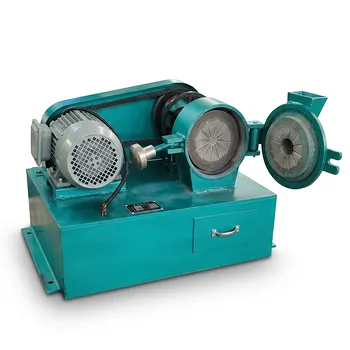
Laboratory Disc Mill Medium Hard Material Grinding Coal Coke Ore Pulverizer
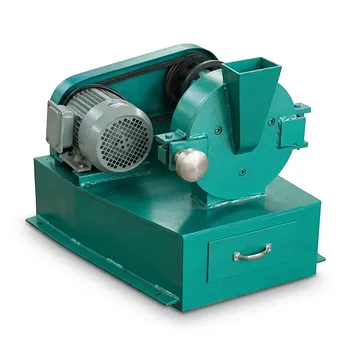
Medium Hardness Material Disc Pulverizer for Coal Ore Sample Preparation
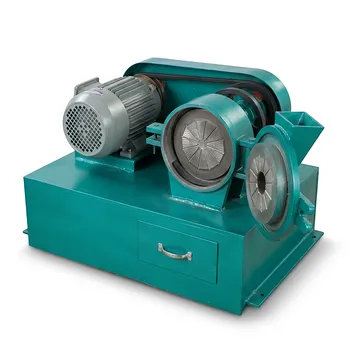
Laboratory Disc Pulverizer for Coal Coke Ore and Medium Hard Materials Sample Preparation
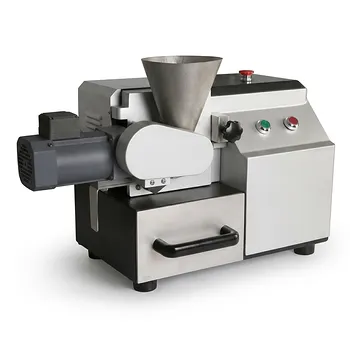
Laboratory Hammer Mill for Coal Quality Analysis and Brittle Mineral Grinding
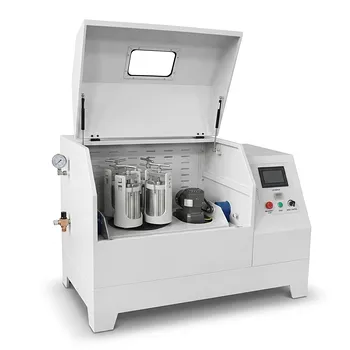
Vertical Production Planetary Ball Mill for High Throughput Powder Processing
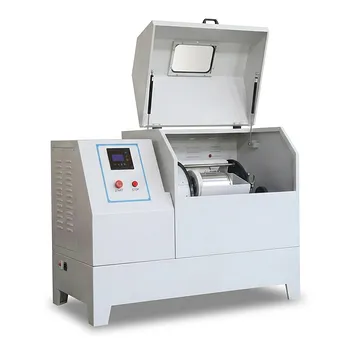
Heavy Duty Horizontal Planetary Ball Mill for Efficient Industrial Grinding and Sample Preparation
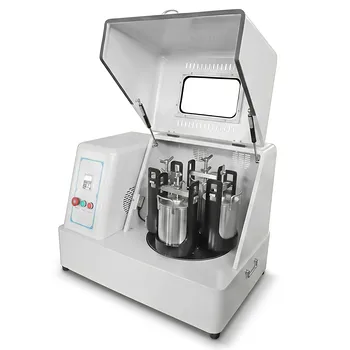
Vertical Square Planetary Ball Mill for Laboratory Sample Preparation and Nanoscale Grinding
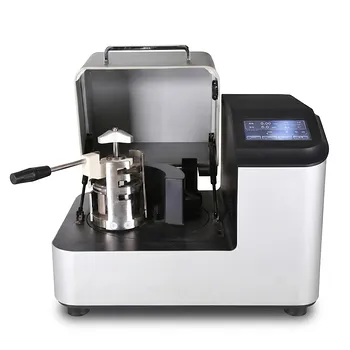
High Energy Laboratory Planetary Ball Mill for Nano Grinding and Material Science Sample Preparation
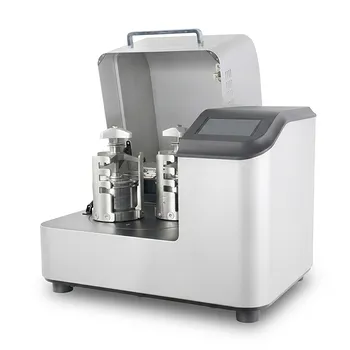
High Energy Planetary Ball Mill for Nano Scale Grinding and Mechanical Alloying
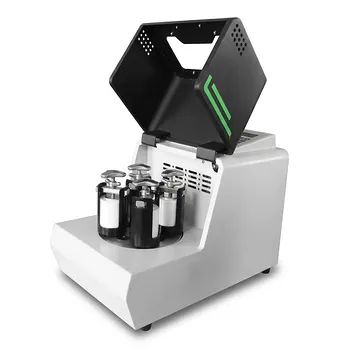
Miniature Planetary Ball Mill with Vacuum Grinding and High Efficiency for Laboratory Sample Preparation
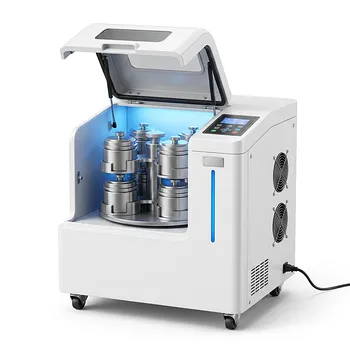
High Energy Omnidirectional Planetary Ball Mill 20L
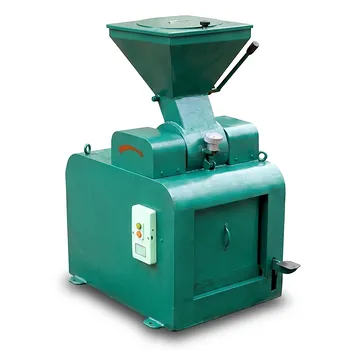
Laboratory Sealed Hammer Crushers for Coal Sample Preparation and Medium Strength Material Crushing
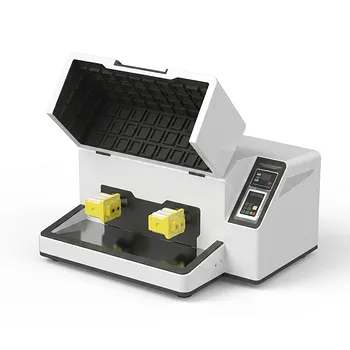
Multi-Platform Nanoscale High-Energy Vibratory Ball Mill
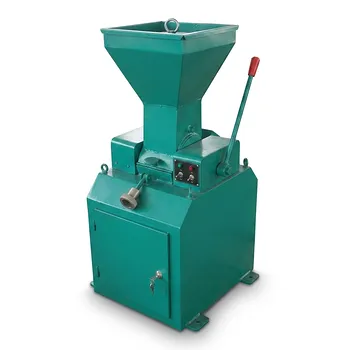
Laboratory Sealed Hammer Crusher for Coal and Mineral Sample Preparation
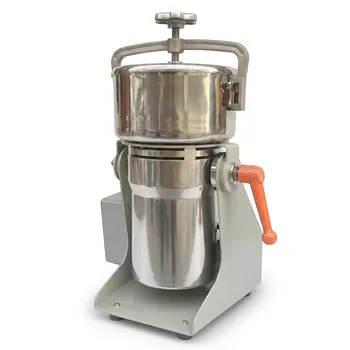
High Speed Laboratory Grinder Efficient Stainless Steel Powder Pulverizer Universal Material Science Mill for Sample Preparation
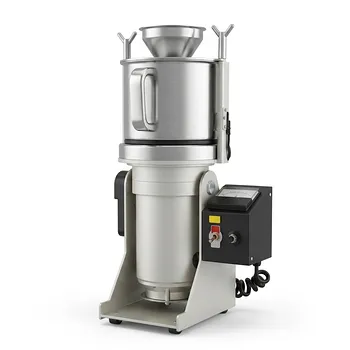
Water Cooled Pulse Jet Ultra Fine Pulverizer for Continuous Grinding
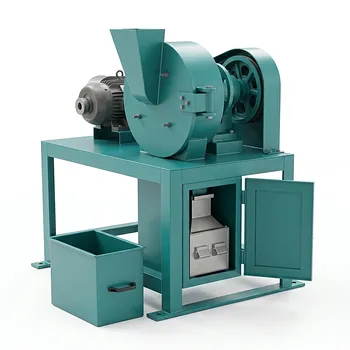
Sealed Disc Pulverizer Customized Model
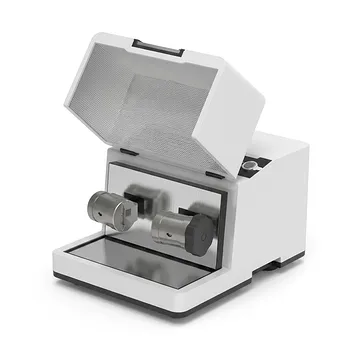
Heating Temperature Controlled High Energy Vibratory Ball Mill
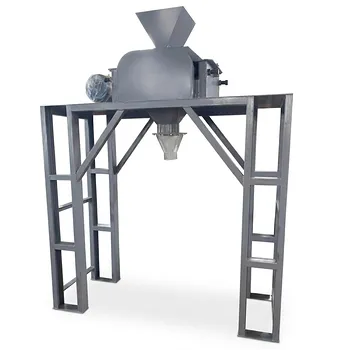
Heightened Customized Laboratory Double Roll Crusher for Coal Ore Rock Crushing