What role does a laboratory mill play in the study of lignite coal co-combustion? Optimizing Fuel Blends and Reactivity
Updated 5 months ago
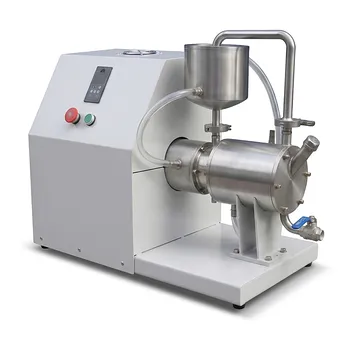
The laboratory mill is the primary tool for standardizing fuel preparation in co-combustion research. It utilizes high-speed impact or shearing forces to transform coarse lignite and biomass into a fine powder, typically increasing the specific surface area of the particles. This mechanical refinement is critical for ensuring that the resulting combustion data reflects the true chemical kinetics of the fuel blend rather than physical inconsistencies.
A laboratory mill ensures experimental accuracy by maximizing the reactivity and homogeneity of fuel blends. By reducing particles to a uniform fine powder, it facilitates the intimate physical contact necessary for representative co-combustion analysis.
Enhancing Chemical Reactivity and Heat Transfer
Maximizing Specific Surface Area
Reducing lignite and biomass to a fine powder significantly increases the specific surface area available for reaction. This allows oxygen to access more of the fuel's carbon matrix simultaneously, which drastically enhances the combustion rate.
Optimizing Heat Transfer Dynamics
Fine particles allow for faster and more uniform heat transfer during the pyrolysis and combustion phases. This consistency is vital for maintaining a stable reaction environment, which directly improves the quality and reliability of the data collected during the study.
Facilitating Component Dissociation
In complex materials like lignite, high-energy milling helps in the physical dissociation of specific components, such as fossil resins, from the coal matrix. This ensures that the blended fuel behaves as a cohesive unit during the thermal conversion process.
Ensuring Homogeneity in Fuel Blends
Achieving Intimate Physical Contact
Co-combustion studies rely on the interaction between lignite and secondary fuels like biomass. The mill ensures these distinct materials achieve close physical contact, preventing the fuels from burning as isolated pockets and instead promoting a synergistic reaction.
Maintaining Data Representativeness
Without uniform grinding, large particles can cause localized temperature fluctuations or incomplete combustion. A laboratory mill eliminates these variables, ensuring that the combustion characteristics recorded are accurate and repeatable across different experimental runs.
Improving Yield and Stability
In processes where biochar or other combustion byproducts are analyzed, fine grinding ensures quality stability. By standardizing the input material, researchers can more accurately predict the yield and chemical composition of the final residues.
Understanding the Trade-offs and Limitations
Risk of Thermal Degradation
High-speed milling generates heat through friction and impact, which can potentially trigger pre-mature devolatilization in sensitive biomass components. Researchers must balance the need for fineness with the risk of altering the fuel's chemical profile before the experiment begins.
Impact of Particle Size Distribution
While a "fine powder" is the goal, an inconsistent particle size distribution can still lead to data noise. If the mill produces a wide range of sizes (some ultra-fine and some slightly coarse), the combustion profile will show staggered peaks rather than a clean, unified curve.
Energy Consumption and Throughput
High-energy laboratory mills can be energy-intensive and may have limited throughput for larger-scale testing. Selecting the wrong mill type for a specific biomass (e.g., fibrous vs. brittle) can lead to mechanical clogging or inefficient grinding.
Applying Milling Strategy to Your Research Goals
When selecting a milling protocol for lignite co-combustion, your choice should align with your specific analytical objectives.
- If your primary focus is kinetic modeling: Prioritize a high-energy mill that achieves the highest possible specific surface area to ensure the reaction is not limited by physical diffusion.
- If your primary focus is byproduct (biochar) quality: Focus on uniformity of particle size to ensure that the chemical composition of the residue remains consistent across all samples.
- If your primary focus is industrial scaling: Use a mill that mimics the shearing forces of utility-scale pulverizers to better predict how the fuel blend will behave in a commercial boiler.
Standardizing your milling process is the single most effective way to eliminate physical variables and uncover the true thermal behavior of lignite fuel blends.
Summary Table:
| Key Function | Impact on Research | Benefit for Analysis |
|---|---|---|
| Particle Size Reduction | Increases specific surface area | Accelerates combustion rates and oxygen access |
| Fuel Homogenization | Ensures intimate physical contact | Promotes synergistic reactions between fuel types |
| Thermal Uniformity | Optimizes heat transfer dynamics | Maintains stable reaction environments for reliable data |
| Component Dissociation | Separates fossil resins from coal | Ensures cohesive behavior during thermal conversion |
| Standardization | Eliminates physical variables | Enhances repeatability and precision of kinetic modeling |
Elevate Your Material Research with Precision Preparation
Achieving accurate and repeatable results in lignite co-combustion studies starts with superior sample preparation. At [Company Name], we provide complete laboratory sample preparation solutions tailored for material science and powder processing.
Our extensive range of equipment is designed to meet the rigorous demands of your laboratory:
- Advanced Milling & Grinding: Achieve perfect fineness and surface area with our planetary ball mills, jet mills, disc mills, and liquid nitrogen cryogenic grinders.
- Crushing & Sizing: Standardize your raw materials using our jaw and roll crushers, and verify results with vibratory or air-jet sieve shakers.
- Powder Processing: Ensure perfect homogeneity with our specialized powder and defoaming mixers.
- Compaction Solutions: Manufacture high-quality pellets or specimens with our full spectrum of hydraulic presses, including Cold/Warm Isostatic Presses (CIP/WIP), XRF pellet presses, and vacuum hot presses.
Ready to eliminate variables and uncover the true thermal behavior of your materials?
Contact our experts today to find the perfect equipment for your lab
References
- Mohammad Siddique, Sylvain Tomé. Lignite Coal Co-combustion Performance with Banana Tree Waste, Tree Leaves and Cow Dung Manure Blends for Emission Reduction During Power Generation. DOI: 10.31284/j.jmesi.2024.v4i1.5346
Mentioned Products
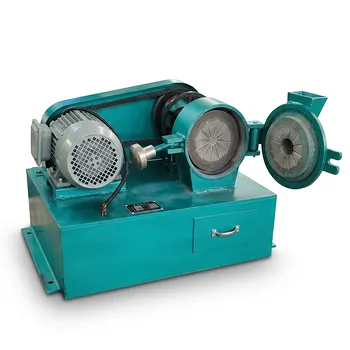
- Laboratory Disc Mill Medium Hard Material Grinding Coal Coke Ore Pulverizer
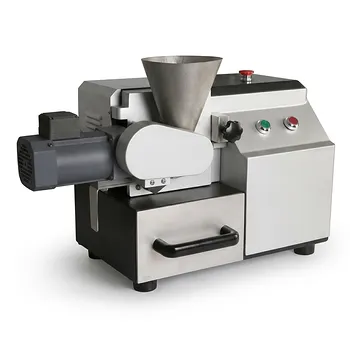
- Laboratory Hammer Mill for Coal Quality Analysis and Brittle Mineral Grinding
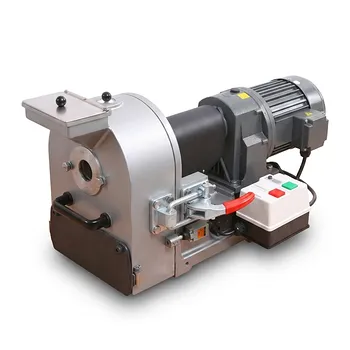
- Laboratory Disc Mill for Fine Sample Preparation of Hard and Brittle Materials
- Industrial Knife Mill for Food and Biological Sample Preparation High Speed Laboratory Homogenizer
- Laboratory Knife Mill for Large Volume Sample Homogenization and Food Preparation
People Also Ask
- What is the primary function of a laboratory disc mill for oyster shells? Boost Reactivity & Analytical Precision
- What is the function of a laboratory mill in Cassia tora L. seed analysis? Master Precision Thermal Data Prep.
- What is the purpose of using a laboratory mill to grind dried precipitates? Optimize TiO2/AuNRs Catalyst Homogeneity
- What function does a laboratory mill serve in corn starch saccharification experiments? Optimize Surface Area & Reactions
- What is the role of a disk mill in the sample preparation of natural clinoptilolite? Enhance Reactivity & Precision

Tech Team · PowderPreparation
Last updated on May 14, 2026
Related Products
Laboratory Disc Mill Medium Hard Material Grinding Coal Coke Ore Pulverizer
Laboratory Hammer Mill for Coal Quality Analysis and Brittle Mineral Grinding
Laboratory Disc Mill for Fine Sample Preparation of Hard and Brittle Materials
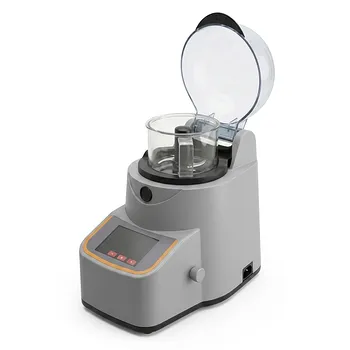
Industrial Knife Mill for Food and Biological Sample Preparation High Speed Laboratory Homogenizer
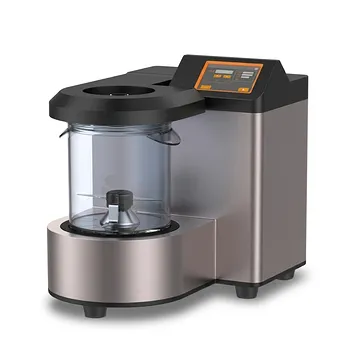
Laboratory Knife Mill for Large Volume Sample Homogenization and Food Preparation
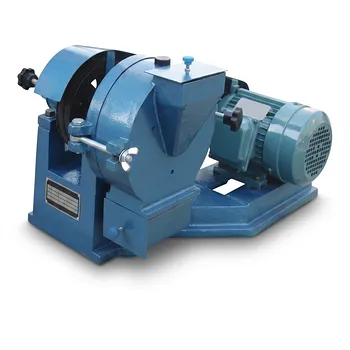
Laboratory Disc Mill for Ore and Mineral Sample Preparation
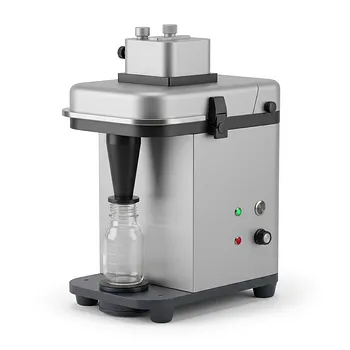
Cyclonic Laboratory Mill for NIR Spectroscopy Sample Preparation Food and Feed Grinding
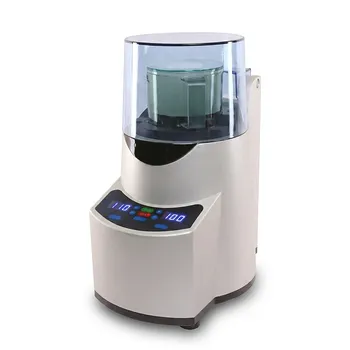
High Speed Laboratory Knife Mill for Oily Fibrous and Wet Sample Homogenization

360° Rotating Omnidirectional Laboratory Planetary Ball Mill for Homogeneous Ultra-Fine Grinding and Mixing
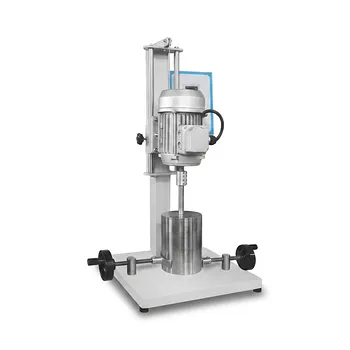
Laboratory Basket Sand Mill for Wet Grinding and Dispersion of Viscous Slurries
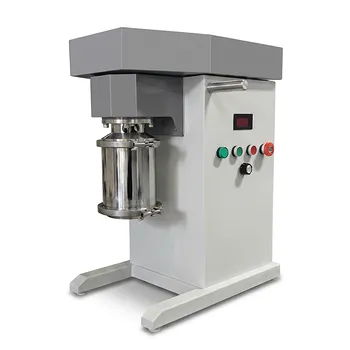
Nano Laboratory Bead Mill Desktop Sub Micron Sand Mill Screenless Seal Less Powder Grinder
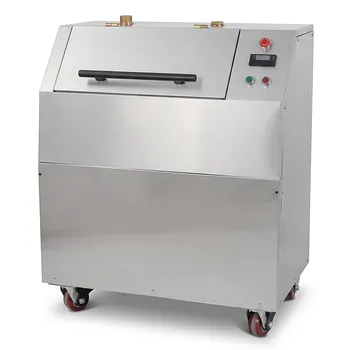
Vibratory Disc Mill for Rapid Fine Grinding and High Throughput Sample Preparation of Hard and Brittle Materials

8L Planetary Ball Mill for Laboratory Grinding and Sample Preparation
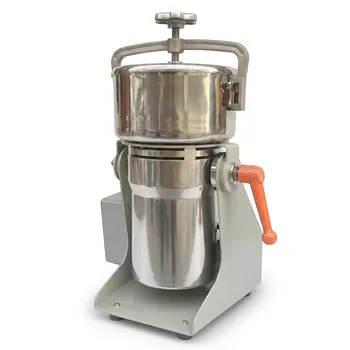
High Speed Laboratory Grinder Efficient Stainless Steel Powder Pulverizer Universal Material Science Mill for Sample Preparation
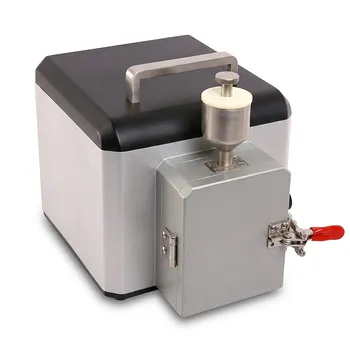
Portable Cutting Mill for Laboratory Sample Preparation and RoHS WEEE Compliance Testing
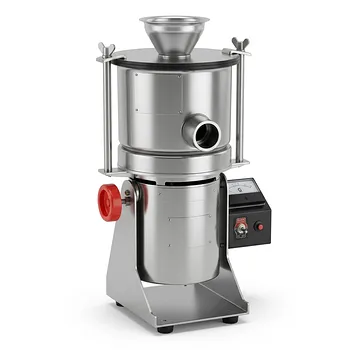
Laboratory Ultrafine Impact and Airflow Grinder for Precise Particle Size Control
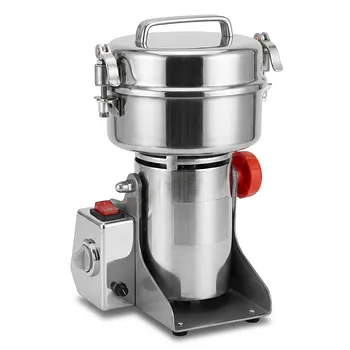
High Speed Laboratory Powder Grinder Small Batch Sample Preparation Mill

Miniature Planetary Ball Mill with Vacuum Grinding and High Efficiency for Laboratory Sample Preparation
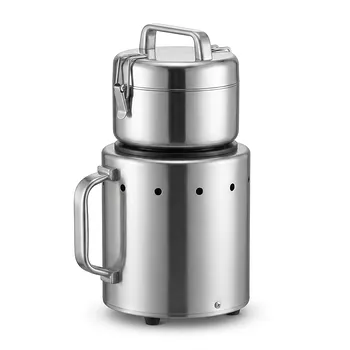
Small High Speed Grinder for Laboratory Sample Preparation