What is the purpose of using a laboratory mill to grind dried precipitates? Optimize TiO2/AuNRs Catalyst Homogeneity
Updated 4 months ago
The use of a laboratory mill is a critical physical processing step designed to transform solidified precipitates into a high-surface-area powder. It primarily serves to reduce particle size, eliminate agglomeration, and ensure a uniform distribution of gold nanorods (AuNRs) within the titanium dioxide (TiO2) precursor matrix. This physical homogeneity is essential for maximizing the contact between components, which directly dictates the efficiency of the subsequent calcination and the final photocatalytic performance.
Grinding bridges the gap between chemical precipitation and thermal activation by restoring particle dispersity and ensuring intimate contact between the metal and semiconductor phases. Without this step, the final catalyst would suffer from poor structural uniformity and reduced reactive surface area.
Enhancing Structural Homogeneity
Eliminating Agglomeration and "Hard Blocks"
During the evaporation of solvents in the synthesis process, precursors often aggregate into solidified blocks or dense clusters. These formations restrict the accessible surface area and create internal voids that are shielded from subsequent processing.
Laboratory milling effectively dissociates these clusters, restoring the powder to a state of high dispersity. This ensures that the material behaves as a collection of individual reactive sites rather than inert, bulky fragments.
Achieving Uniform Precursor Distribution
The effectiveness of a hybrid nanocatalyst depends on the interfacial contact between the AuNRs and the TiO2 support. Milling ensures that the gold nanorods are well-distributed throughout the precursor load rather than being concentrated in localized "hotspots."
This uniform loading is a prerequisite for the synergistic effects required in photocatalysis. By homogenizing the powder, the laboratory mill prepares the mixture for consistent chemical behavior across the entire batch.
Impact on Thermal and Chemical Activation
Optimizing Calcination Outcomes
Calcination is the high-temperature process that defines the final crystal structure and bonding of the TiO2/AuNRs hybrid. Milling ensures that the components achieve sufficient contact before the heat is applied, facilitating the proper anchoring of nanorods onto the titanium dioxide surface.
A well-milled powder leads to a more predictable and optimized photocatalytic activity in the final product. Conversely, poorly ground precipitates can result in incomplete reactions or the formation of secondary, undesirable phases during thermal treatment.
Facilitating Gas Penetration and Reactivity
In many catalytic preparations, the powder must undergo reduction or other thermal treatments involving gas-phase reagents. Milling the precipitates allows gas components to penetrate uniformly through the powder bed, ensuring that every particle is exposed to the treatment environment.
This porosity and dispersity are also vital for the catalyst's performance in liquid-phase reactions. A finely ground powder remains fully suspended in the reactant solution, maximizing the contact frequency between the catalyst surface and the target molecules.
Understanding the Trade-offs
The Risk of Excessive Mechanical Energy
While grinding is necessary, applying excessive mechanical force can lead to crystal lattice distortion or the unintentional phase transformation of the TiO2. Over-milling may also generate localized heat, which could potentially damage the sensitive morphology of the gold nanorods.
Potential for Material Contamination
Using laboratory mills introduces a risk of contamination from the grinding media (such as zirconia or stainless steel balls). It is essential to select milling components that are chemically compatible with the catalyst to avoid introducing impurities that could poison the catalytic sites.
Making the Right Choice for Your Goal
When integrating laboratory milling into your TiO2/AuNRs synthesis workflow, consider the specific requirements of your application:
- If your primary focus is maximum photocatalytic efficiency: Use a high-precision mill to achieve the finest possible particle size, ensuring the highest surface-area-to-volume ratio for reaction sites.
- If your primary focus is structural integrity of the nanorods: Utilize low-energy grinding or shorter milling cycles to prevent mechanical deformation of the AuNRs' specific aspect ratio.
- If your primary focus is scalability and reproducibility: Standardize the milling duration and media-to-powder ratio to ensure consistent particle size distribution across different batches.
Properly executed milling ensures that your nanocatalyst moves from a raw chemical precipitate to a sophisticated, high-performance hybrid material.
Summary Table:
| Key Milling Function | Impact on TiO2/AuNRs Catalyst | Benefit to Final Performance |
|---|---|---|
| De-agglomeration | Breaks down "hard blocks" and clusters | Increases accessible reactive surface area |
| Homogenization | Ensures uniform AuNR distribution in TiO2 | Maximizes synergistic interfacial contact |
| Size Reduction | Creates high-surface-area powder | Enhances calcination and thermal activation |
| Porosity Control | Facilitates gas and liquid penetration | Improves reactivity and suspension stability |
Elevate Your Nanocatalyst Synthesis with Precision Equipment
Achieving the perfect TiO2/AuNRs hybrid requires more than just chemistry; it demands precision physical processing. KINTEK provides complete laboratory sample preparation solutions tailored for advanced material science. We specialize in high-performance powder processing and compaction equipment designed to ensure your catalysts achieve maximum reactivity and structural uniformity.
Our specialized solutions for material researchers include:
- Advanced Milling: Planetary ball mills, jet mills, and cryogenic grinders for ultra-fine particle size control.
- Powder Processing: Sieve shakers, powder mixers, and defoaming mixers for perfect homogeneity.
- Compaction Excellence: A full spectrum of hydraulic presses, including Cold/Warm Isostatic Presses (CIP/WIP), vacuum hot presses, and XRF pellet presses.
Ready to optimize your lab’s efficiency and research outcomes? Contact our experts today to find the ideal milling or pressing solution for your specific application!
References
- Alessandra Truppi, María J. Mosquera. Photocatalytic Activity of TiO2/AuNRs–SiO2 Nanocomposites Applied to Building Materials. DOI: 10.3390/coatings8090296
Mentioned Products
- Laboratory Disc Mill Medium Hard Material Grinding Coal Coke Ore Pulverizer
- Laboratory Hammer Mill for Coal Quality Analysis and Brittle Mineral Grinding
- Laboratory Disc Mill for Fine Sample Preparation of Hard and Brittle Materials
- Industrial Knife Mill for Food and Biological Sample Preparation High Speed Laboratory Homogenizer
- Laboratory Knife Mill for Large Volume Sample Homogenization and Food Preparation
People Also Ask
- What is the primary function of a laboratory disc mill for oyster shells? Boost Reactivity & Analytical Precision
- What is the function of a laboratory mill in Cassia tora L. seed analysis? Master Precision Thermal Data Prep.
- What role does a laboratory mill play in the study of lignite coal co-combustion? Optimizing Fuel Blends and Reactivity
- What function does a laboratory mill serve in corn starch saccharification experiments? Optimize Surface Area & Reactions
- What is the role of a disk mill in the sample preparation of natural clinoptilolite? Enhance Reactivity & Precision

Tech Team · PowderPreparation
Last updated on Jun 03, 2026
Related Products
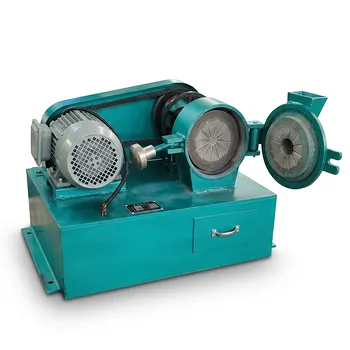
Laboratory Disc Mill Medium Hard Material Grinding Coal Coke Ore Pulverizer
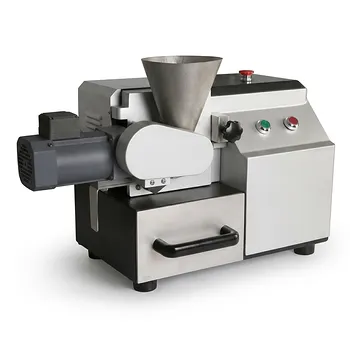
Laboratory Hammer Mill for Coal Quality Analysis and Brittle Mineral Grinding
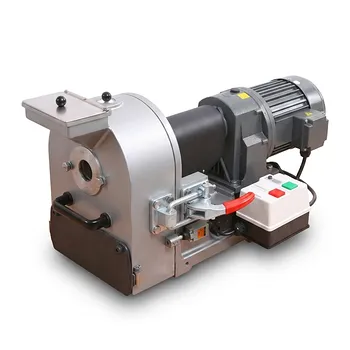
Laboratory Disc Mill for Fine Sample Preparation of Hard and Brittle Materials
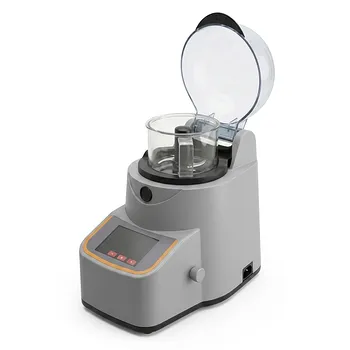
Industrial Knife Mill for Food and Biological Sample Preparation High Speed Laboratory Homogenizer
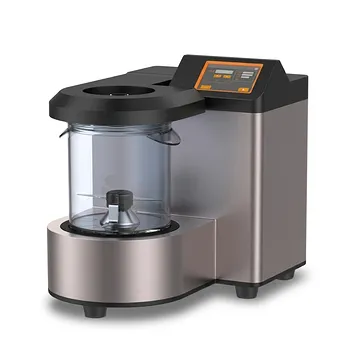
Laboratory Knife Mill for Large Volume Sample Homogenization and Food Preparation
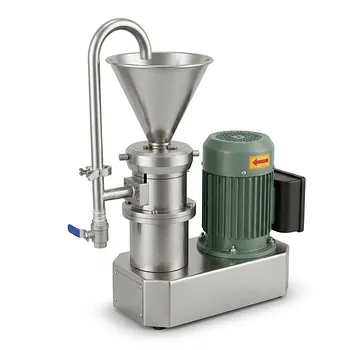
Small Laboratory Colloid Mill for Ultra-Fine Wet Grinding and Emulsification
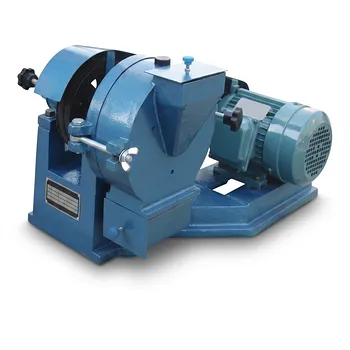
Laboratory Disc Mill for Ore and Mineral Sample Preparation
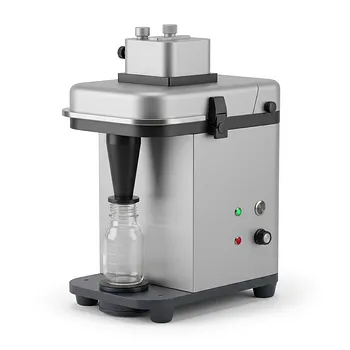
Cyclonic Laboratory Mill for NIR Spectroscopy Sample Preparation Food and Feed Grinding
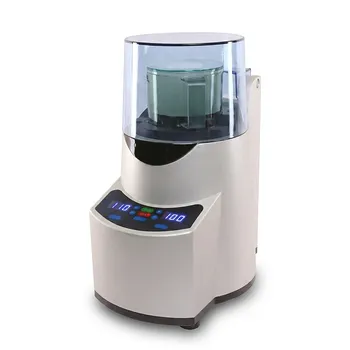
High Speed Laboratory Knife Mill for Oily Fibrous and Wet Sample Homogenization
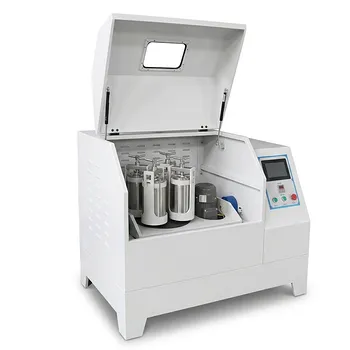
360° Rotating Omnidirectional Laboratory Planetary Ball Mill for Homogeneous Ultra-Fine Grinding and Mixing
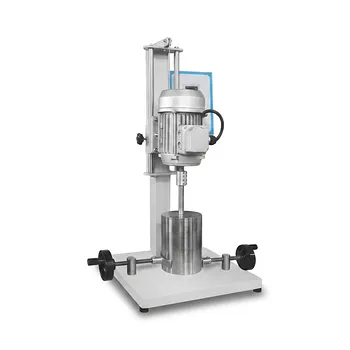
Laboratory Basket Sand Mill for Wet Grinding and Dispersion of Viscous Slurries
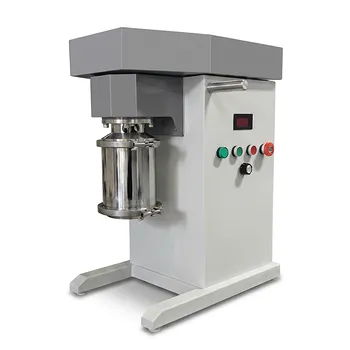
Nano Laboratory Bead Mill Desktop Sub Micron Sand Mill Screenless Seal Less Powder Grinder
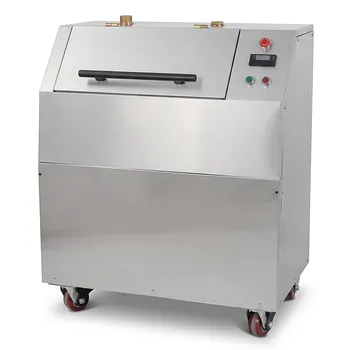
Vibratory Disc Mill for Rapid Fine Grinding and High Throughput Sample Preparation of Hard and Brittle Materials
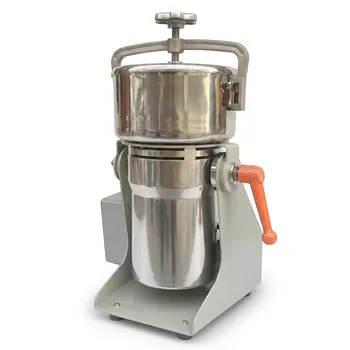
High Speed Laboratory Grinder Efficient Stainless Steel Powder Pulverizer Universal Material Science Mill for Sample Preparation
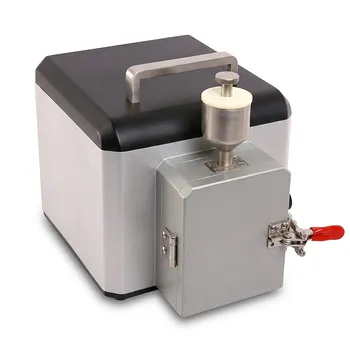
Portable Cutting Mill for Laboratory Sample Preparation and RoHS WEEE Compliance Testing
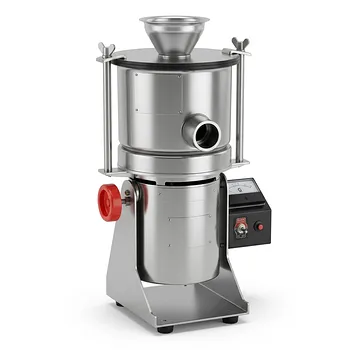
Laboratory Ultrafine Impact and Airflow Grinder for Precise Particle Size Control
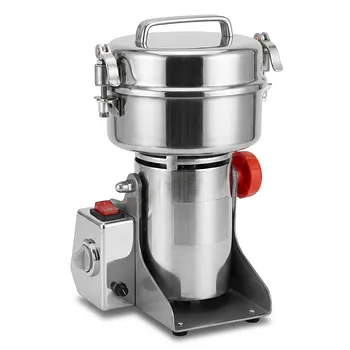
High Speed Laboratory Powder Grinder Small Batch Sample Preparation Mill
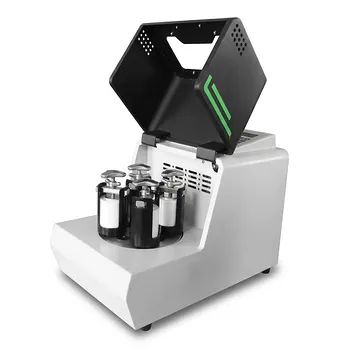
Miniature Planetary Ball Mill with Vacuum Grinding and High Efficiency for Laboratory Sample Preparation

Small High Speed Grinder for Laboratory Sample Preparation