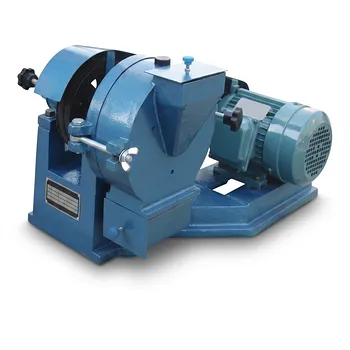
Why are standard test sieves with mesh sizes ranging from 10 mm to 0.063 mm utilized in road dust experimental protocols?
Updated 5 months ago
Standard test sieves with mesh sizes from 10 mm to 0.063 mm are the primary tools for the refined classification and extraction of road dust components. This specific range allows researchers to isolate high-purity fine powders from coarse debris, facilitating the critical analysis of heavy metal enrichment and the contribution of non-exhaust emissions to air pollution. By dividing bulk samples into discrete mass intervals, these protocols ensure the mathematical accuracy of particle size distribution curves and the chemical integrity of subsequent energy-dispersive analyses.
Road dust characterization relies on precision sieving to bridge the gap between raw environmental samples and actionable micro-level data. By isolating specific size fractions, researchers can accurately quantify pollution sources, evaluate atmospheric resuspension risks, and ensure experimental repeatability across different studies.
Isolating Fine Components and Removing Impurities
The Exclusion of Large Debris
Road dust is a heterogeneous mixture containing everything from large pebbles and organic litter to microscopic powders. The 10 mm mesh serves as the initial "rough cut," excluding large debris and impurities that do not contribute to atmospheric pollution or chemical leaching.
Capturing PM-Relevant Fractions
The 0.063 mm (63 μm) mesh is critical because heavy metals and trace elements tend to accumulate in these finer particles. This fraction is most representative of potential PM10 air pollution, as these particles are small enough to be resuspended into the air by wind or traffic.
Ensuring Sample Purity for Analysis
Multi-stage filtration yields high-purity fine powders that are essential for energy-dispersive analysis. Removing irregular, large particles ensures that the analytical equipment measures the concentrated pollutants rather than the inert bulk material of the road surface.
Quantifying Source Contributions and Distribution
Constructing Size Distribution Curves
Utilizing a range from 10 mm down to 0.063 mm allows researchers to build accurate particle size distribution curves. These curves identify the proportion of each size interval, which is directly related to the mass contribution of non-exhaust sources like brake and tire wear.
Distinguishing Between Wear Particles
Different pollutants exhibit specific size characteristics; for example, Tire-Road Wear Particles (TRWPs) are often found below 500 μm. Conversely, Asphalt Pavement Wear Particles (APWPs) may be distributed across all segments, and precise sieving allows for the "size cutting" necessary to reveal these distinct pollution signatures.
Quantifying Atmospheric Resuspension
Particles smaller than 0.1 mm are of the highest interest for environmental health due to their ability to remain airborne. Precision sieving helps researchers identify and quantify these extremely fine components, providing a clearer picture of how much dust will likely return to the atmosphere after being disturbed.
Enhancing Analytical Accuracy and Repeatability
Standardizing Mesh for Consistency
High-precision test sieves offer standardized mesh sizes that ensure consistency across different laboratories and experiments. This standardization is vital for maintaining sample representativeness and minimizing experimental error during long-term environmental monitoring.
Uniformity in Simulation Experiments
In rainfall simulation or infiltration studies, sieves ensure that soil and dust samples have strictly defined geometric dimensions. This uniformity eliminates interference caused by irregular particle sizes, allowing for a more accurate observation of sediment yield and chemical runoff.
Optimizing Enrichment Effects
The "enrichment effect" refers to the higher concentration of toxins in smaller particles due to their increased surface-to-volume ratio. By using a multi-level sieve configuration, researchers can pinpoint exactly which size intervals hold the highest concentrations of heavy metals.
Understanding the Trade-offs and Limitations
The Risk of Mesh Clogging
When dealing with the finer end of the spectrum (0.063 mm), blinding or clogging of the mesh is a common technical challenge. To maintain accuracy, these sieves must be used in conjunction with vibratory sieve shakers to ensure particles pass through the apertures effectively without damaging the precision mesh.
Particle Shape Interference
Sieving relies on the "smallest dimension" of a particle passing through a square hole, which can be problematic for elongated or needle-like particles. While sieving provides a standard geometric classification, it may not perfectly represent the aerodynamic behavior of particles that are not spherical.
Sample Loss and Handling
The more stages included in a sieve stack, the higher the risk of incremental sample loss during recovery. Researchers must balance the need for high-resolution data (more sieve levels) with the practical need to retain enough material for sensitive chemical testing.
Making the Right Choice for Your Research Goal
To effectively utilize standard test sieves in road dust protocols, align your sieve selection with your primary environmental objective.
- If your primary focus is Air Quality and Respiratory Health: Utilize the 0.063 mm sieve as your primary threshold to isolate the fraction most likely to contribute to PM10 and PM2.5 levels.
- If your primary focus is Source Apportionment (e.g., Tire Wear): Use a multi-level stack ranging from 0.5 mm down to 0.063 mm to capture the specific size signatures of mechanical wear.
- If your primary focus is Chemical Enrichment and Heavy Metals: Prioritize the finest fractions (below 125 μm) where the surface-area-to-volume ratio maximizes the detection of trace elements.
- If your primary focus is Runoff and Sedimentation: Ensure the use of larger apertures (2.0 mm to 10 mm) to accurately model the bulk movement of aggregates during rainfall events.
By precisely controlling particle dimensions through standardized sieving, researchers transform raw road debris into scientifically rigorous data for environmental protection.
Summary Table:
| Sieve Size Range | Primary Function | Environmental Significance |
|---|---|---|
| > 10 mm | Removal of large debris | Excludes inert pebbles and organic litter. |
| 0.5 mm - 10 mm | Bulk movement modeling | Essential for rainfall simulation and runoff studies. |
| 0.063 mm - 0.5 mm | Source apportionment | Captures tire-road wear particles (TRWP) and mechanical debris. |
| < 0.063 mm (63 μm) | Fine powder extraction | Isolates PM10-relevant fractions and heavy metal enrichment. |
Optimize Your Environmental Analysis with Precision Equipment
Achieving accurate particle size distribution in road dust protocols requires high-precision tools. At [Company Name], we provide complete laboratory sample preparation solutions tailored for material science and environmental research.
Our expertise covers the entire processing chain:
- Sizing & Classification: High-precision vibratory and air-jet sieve shakers with a full range of standardized test sieves.
- Powder Processing: Advanced planetary ball mills, jet mills, and cryogenic grinders for ultra-fine sample preparation.
- Compaction & Pelleting: A full spectrum of hydraulic presses, including Cold Isostatic Presses (CIP) and XRF pellet presses for chemical analysis.
Whether you are quantifying non-exhaust emissions or analyzing heavy metal enrichment, our equipment ensures repeatability and scientific integrity.
Ready to elevate your lab's capabilities? Contact our experts today to find the perfect solution for your research needs.
References
- Wioletta Rogula–Kozłowska, Barbara Błaszczak. Assessment of differences in elemental concentrations in particulate matter from road surfaces near and outside noise barriers in Poland. DOI: 10.24425/aep.2025.153753
Mentioned Products
- Laboratory Vibratory Test Sieve Shaker for Precision Particle Size Analysis and Powder Grading
- Small Laboratory Vibrating Sieve Shaker for Precise Particle Size Analysis
- Small Laboratory Vibratory Sieve Shaker for Powder Gradation and Particle Size Analysis
- 三维电磁微量振动筛分仪
- Laboratory Dry and Wet Three Dimensional Vibratory Sieve Shaker for Particle Analysis
People Also Ask
- What role does a laboratory sieve shaker play in determining PDI? Achieve Precision in Biomass Quality Testing
- What are the functions of sieve shakers for coconut shell powder? Achieve Precise Particle Size & Quality Control.
- What function does a laboratory sieve shaker perform in the PSD analysis of residual soil? Ensure Precise Grading
- What is the role of a laboratory sieve shaker in the preparation of plantain peel adsorbents? Standardize Particle Size
- What is the function of a laboratory vibratory sieve shaker? Enhance Coal Particle Size Distribution (PSD) Analysis

Tech Team · PowderPreparation
Last updated on May 14, 2026
Related Products
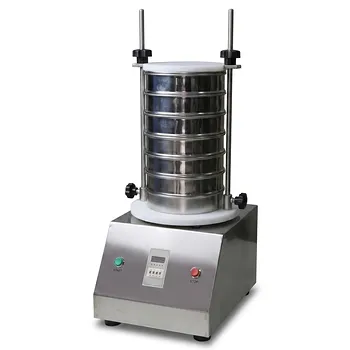
Laboratory Vibratory Test Sieve Shaker for Precision Particle Size Analysis and Powder Grading
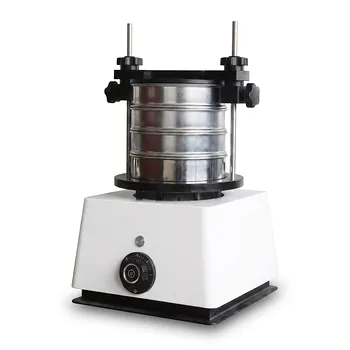
Small Laboratory Vibrating Sieve Shaker for Precise Particle Size Analysis
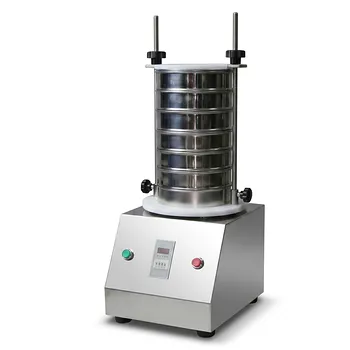
Small Laboratory Vibratory Sieve Shaker for Powder Gradation and Particle Size Analysis
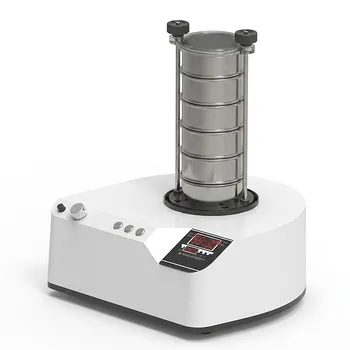
三维电磁微量振动筛分仪
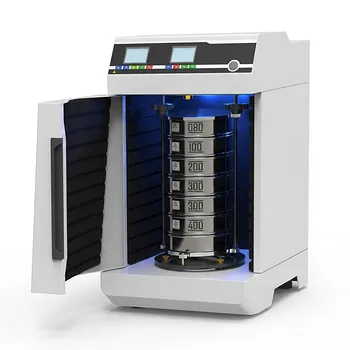
Laboratory Dry and Wet Three Dimensional Vibratory Sieve Shaker for Particle Analysis
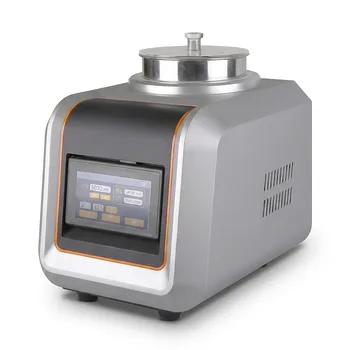
Laboratory Air Jet Sieving Machine for Fine Powder Particle Size Analysis and Deagglomeration
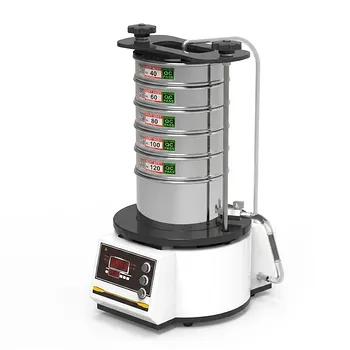
High Frequency Wet Three-Dimensional Vibrating Sieve Shaker for Dry and Wet Particle Size Analysis
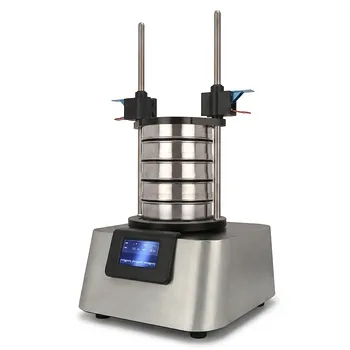
Vibratory Sieve Shaker Electromagnetic 3D Motion Powder Particle Size Analyzer for Dry and Wet Sieving
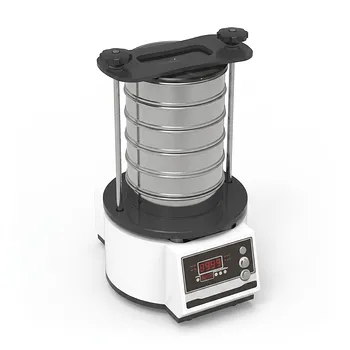
Tapping Oscillating Sieve Shaker for Dry and Wet Particle Size Analysis
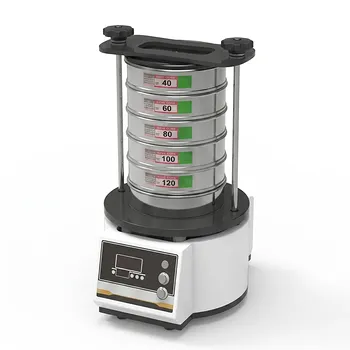
Dry Three Dimensional Vibratory Sieve Shaker
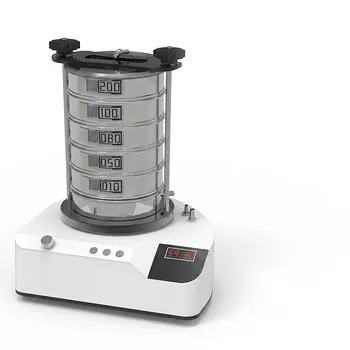
Heavy Duty Dry Three Dimensional Vibratory Sieve Shaker for Particle Separation
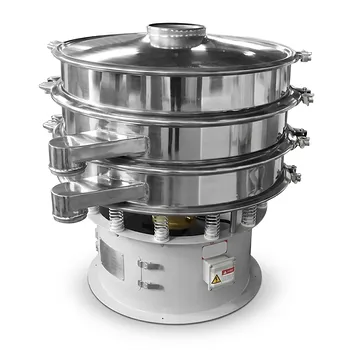
Three Dimensional Rotary Vibrating Sieve
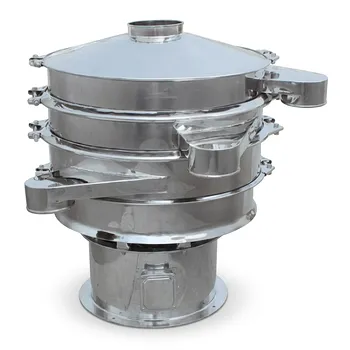
Stainless Steel Rotary Vibrating Sieve High Precision Circular Vibratory Separator Industrial Powder Grading Machine Multi Layer Sifting Equipment
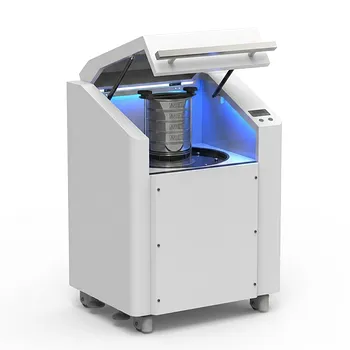
High Frequency Cabinet Type Three-Dimensional Rotary Vibrating Sieve Shaker for Dry Sieving and Particle Classification
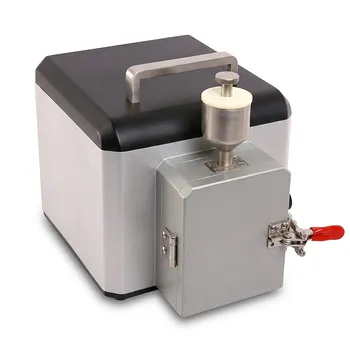
Portable Cutting Mill for Laboratory Sample Preparation and RoHS WEEE Compliance Testing
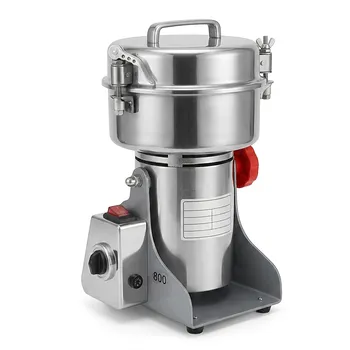
Small High-Speed Laboratory Grinder for Rapid Sample Preparation
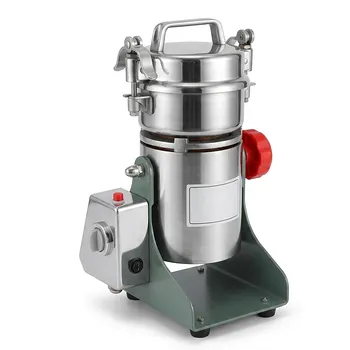
High Speed Swing Type Laboratory Pulverizer for Fine Powder Grinding and Sample Preparation
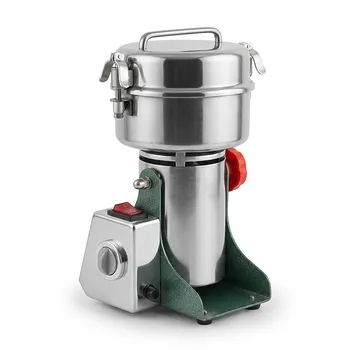
Small High-Speed Swing Grinder for Laboratory Sample Preparation
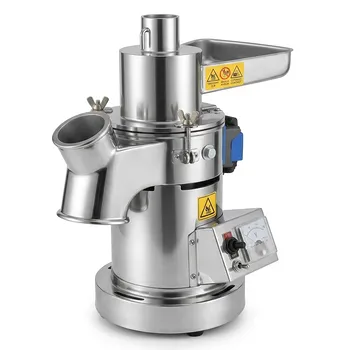
Continuous Feeding Grinder High Efficiency Pulverizer for Lab Sample Preparation