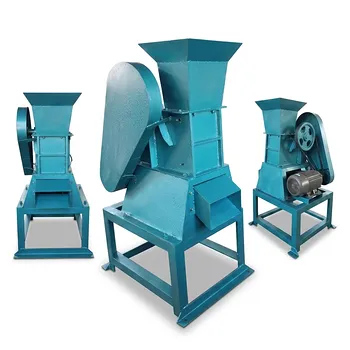
How does a laboratory vibratory sieve shaker contribute to the pre-treatment of PCB powders before sorting? Boost Yields
Updated 5 months ago
A laboratory vibratory sieve shaker acts as a precision gateway for resource recovery, transforming heterogeneous crushed PCB waste into standardized feed. It utilizes high-frequency vibration and multi-layer meshes to classify dissociated powders into specific size fractions, ensuring that downstream sorting equipment—like gravity shaking tables—receives a uniform material that maximizes copper recovery and process stability.
The primary role of a vibratory sieve shaker in PCB pre-treatment is to eliminate particle size variability. By isolating narrow size fractions, it optimizes the performance of gravity-based separators and chemical leaching processes, directly increasing the yield and purity of recycled metals.
Standardizing Feed for Gravity Separation
Minimizing Variable Interference
Downstream gravity separation equipment, such as shaking tables, is highly sensitive to feed particle size. When size varies too widely, the equipment cannot accurately distinguish between material density (metal vs. plastic), leading to poor separation.
Enhancing Recovery Efficiency
A vibratory sieve shaker provides a narrow and uniform feed size, which significantly stabilizes the sorting process. This precision directly results in higher recovery rates for valuable components like copper and precious metals.
Multi-Layer Classification
The shaker uses multiple stacked sieves to physically intercept and categorize powders simultaneously. This allows a single process to generate multiple distinct product streams ready for specialized downstream treatment.
Optimizing Chemical and Material Properties
Improving Leaching Kinetics
For chemical recovery, the shaker extracts fine components (often less than 90 micrometers) to ensure a uniform solid-liquid reaction interface. This eliminates kinetic errors caused by size differences, providing a controlled environment for studying leaching parameters.
Pre-Sorting Metal-Rich Fractions
The mechanical sieving process often creates a pre-separation effect, where metal-rich powders are concentrated into specific size fractions. This allows researchers and operators to target high-value materials more aggressively while discarding ceramic-rich waste early.
Eliminating Agglomerates
Crushed PCB powders often contain large particle agglomerates or "oversized" components that can disrupt material flow. The vibratory shaker filters out these defects, ensuring the final powder or filler has a consistent distribution for use in composite materials.
Understanding the Trade-offs
The Risk of Mesh Blinding
The "sticky" nature of some polymer resins in PCB powders can lead to mesh blinding, where particles clog the sieve openings. This reduces screening efficiency and requires periodic cleaning or the use of anti-blinding accessories like tapping balls.
Material Throughput Limitations
Laboratory-scale vibratory shakers are designed for precision rather than volume. While they offer high accuracy for pre-treatment analysis, they cannot process bulk waste at industrial speeds without significant scaling.
Moisture Sensitivity
PCB powders must be thoroughly dried before sieving to prevent clumping. Any residual moisture can cause fine particles to adhere to larger ones, defeating the purpose of size-based classification.
Making the Right Choice for Your Goal
To maximize the effectiveness of your PCB pre-treatment, align your sieving strategy with your primary recovery objective:
- If your primary focus is gravity-based sorting: Prioritize narrow particle size ranges (e.g., 52 to 72 mesh) to ensure the shaking table operates at peak density-separation efficiency.
- If your primary focus is hydrometallurgical leaching: Isolate the ultra-fine fraction (under 90 microns) to maximize surface area and ensure consistent reaction kinetics during acid or base treatment.
- If your primary focus is composite material manufacturing: Use specific mesh sizes, such as 75 micrometers, to filter out oversized particles and ensure the mechanical stability of the resulting fillers.
Standardizing your particle size is the most critical step in ensuring the repeatability and profitability of any PCB recycling workflow.
Summary Table:
| Application Goal | Sieve Shaker Role | Key Benefit |
|---|---|---|
| Gravity Separation | Narrow size classification | Increases separation precision and metal yield |
| Hydrometallurgy | Isolating ultra-fine fractions | Optimizes leaching kinetics and reaction consistency |
| Composite Manufacturing | Filtering agglomerates | Ensures material flow and structural stability |
| Resource Recovery | Multi-layer screening | Generates multiple distinct material streams simultaneously |
Optimize Your Material Recovery with Professional Sample Preparation
Precise particle size control is the foundation of efficient PCB recycling and material analysis. We provide complete laboratory sample preparation solutions tailored for material science, specializing in high-performance powder processing and compaction equipment.
Our extensive product range is designed to streamline your workflow:
- Size Reduction: Jaw/roll crushers and liquid nitrogen cryogenic grinders for primary processing.
- Fine Milling: Planetary ball, jet, sand/bead, disc, and rotor mills for achieving specific micron levels.
- Classification: Vibratory and air-jet sieve shakers with high-precision test sieves to ensure feed uniformity.
- Compaction & Mixing: A full spectrum of hydraulic presses—including Cold/Warm Isostatic Presses (CIP/WIP), vacuum hot presses, and XRF pellet presses—alongside advanced powder and defoaming mixers.
Whether you are a researcher aiming for repeatable leaching kinetics or a distributor seeking reliable OEM/ODM support and certified equipment, we bring the expertise to enhance your lab's efficiency and output quality.
Ready to elevate your powder processing? Contact our technical experts today for a customized solution!
References
- Özge Adan Gök, Şen Akar. Recovery of copper from printed circuit boards (PCBs) using shaking table. DOI: 10.2298/jsc230316056g
Mentioned Products
- Laboratory Dry and Wet Three Dimensional Vibratory Sieve Shaker for Particle Analysis
- Stainless Steel Laboratory Vibratory Test Sieve Shaker
- Small Laboratory Vibratory Sieve Shaker for Powder Gradation and Particle Size Analysis
- Vibratory Sieve Shaker Electromagnetic 3D Motion Powder Particle Size Analyzer for Dry and Wet Sieving
- Laboratory Vibratory Test Sieve Shaker for Precision Particle Size Analysis and Powder Grading
People Also Ask
- What is the role of laboratory vibratory sieve shakers in waste PUR foam recycling? Optimize Particle Size and Density
- What is the primary function of a laboratory vibratory sieve shaker in the evaluation of sand liquefaction potential?
- What role do laboratory vibratory sieve shakers and test sieves play before the molding of Nb-Cu composite powders?
- What function does a laboratory vibratory sieve shaker serve in the production process of metakaolin? Optimize Reactivity
- Why is a precision laboratory vibratory sieve shaker necessary for particle size control? Optimize Biomass Carbonization

Tech Team · PowderPreparation
Last updated on May 14, 2026
Related Products
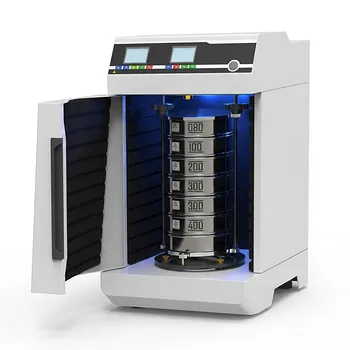
Laboratory Dry and Wet Three Dimensional Vibratory Sieve Shaker for Particle Analysis
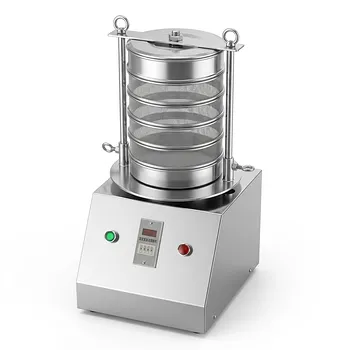
Stainless Steel Laboratory Vibratory Test Sieve Shaker
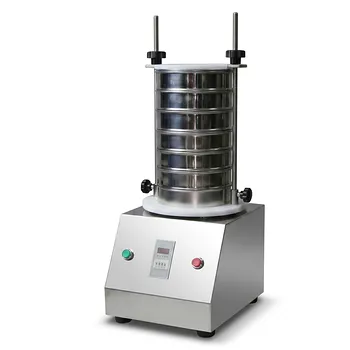
Small Laboratory Vibratory Sieve Shaker for Powder Gradation and Particle Size Analysis
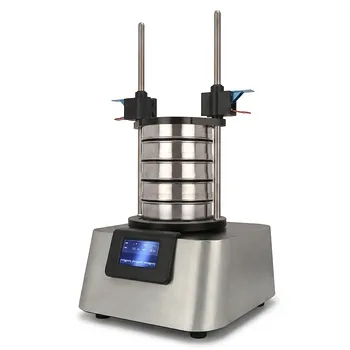
Vibratory Sieve Shaker Electromagnetic 3D Motion Powder Particle Size Analyzer for Dry and Wet Sieving
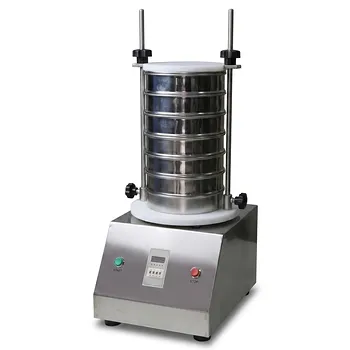
Laboratory Vibratory Test Sieve Shaker for Precision Particle Size Analysis and Powder Grading
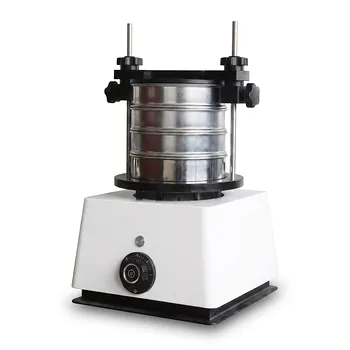
Small Laboratory Vibrating Sieve Shaker for Precise Particle Size Analysis
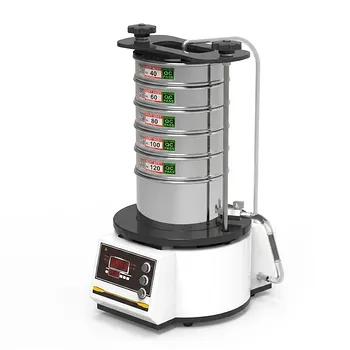
High Frequency Wet Three-Dimensional Vibrating Sieve Shaker for Dry and Wet Particle Size Analysis
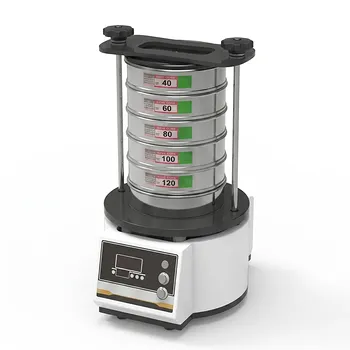
Dry Three Dimensional Vibratory Sieve Shaker
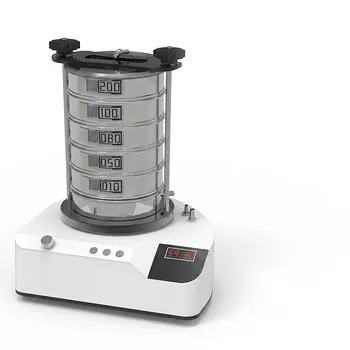
Heavy Duty Dry Three Dimensional Vibratory Sieve Shaker for Particle Separation
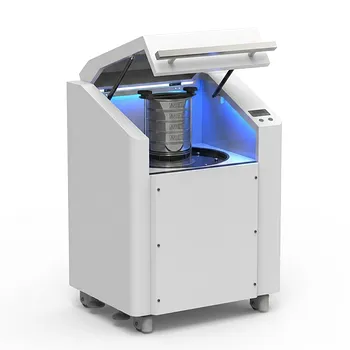
High Frequency Cabinet Type Three-Dimensional Rotary Vibrating Sieve Shaker for Dry Sieving and Particle Classification
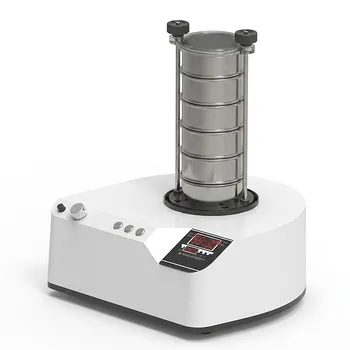
三维电磁微量振动筛分仪
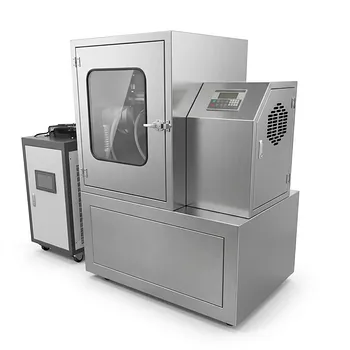
Vibratory Superfine Grinder for Ultra Fine Laboratory Powder Milling
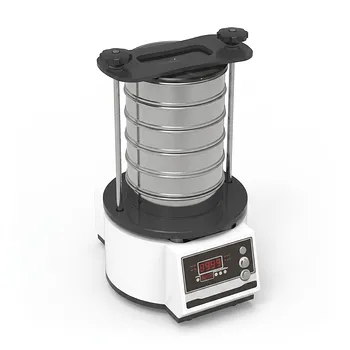
Tapping Oscillating Sieve Shaker for Dry and Wet Particle Size Analysis
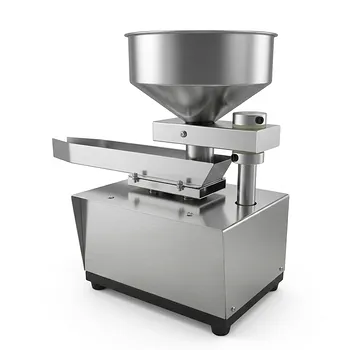
Automatic Vibrating Powder Feeder for Laboratory Material Processing Precision Vibratory Hopper Feeder for Granular and Powder Material Handling Industrial Grade Vibrating Tray Feeder for Consistent Material Sample Preparation
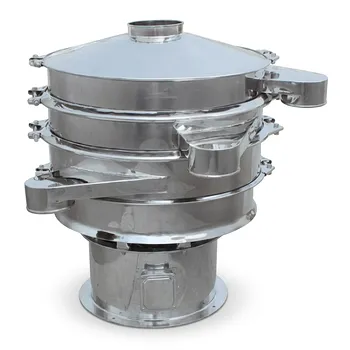
Stainless Steel Rotary Vibrating Sieve High Precision Circular Vibratory Separator Industrial Powder Grading Machine Multi Layer Sifting Equipment
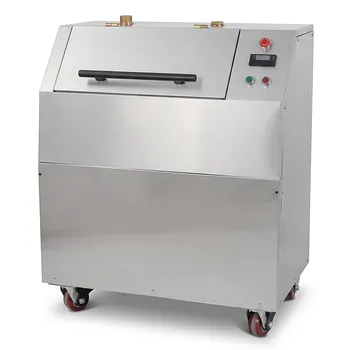
Vibratory Disc Mill for Rapid Fine Grinding and High Throughput Sample Preparation of Hard and Brittle Materials
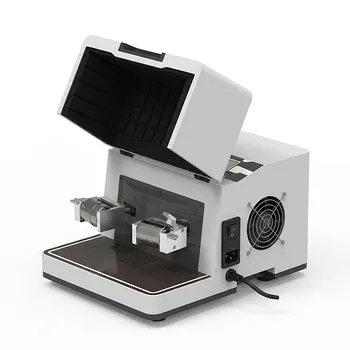
High Energy Hybrid Vibratory Ball Mill for Grinding Mixing and Cell Disruption
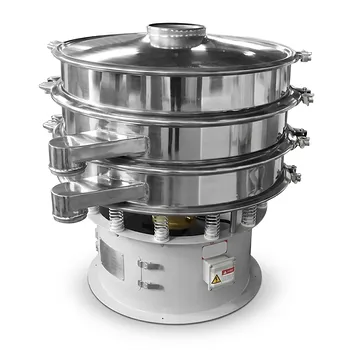
Three Dimensional Rotary Vibrating Sieve
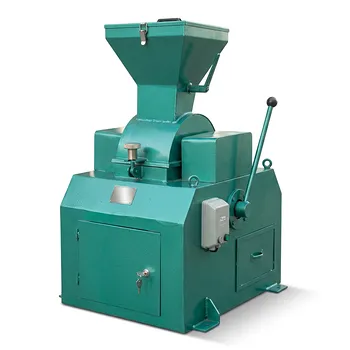
Laboratory Sealed Hammer Blade Crusher Divider for High Hardness Sample Preparation