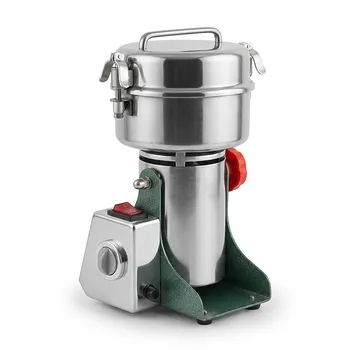
Why are standard test sieves used during the preparation of cement replacement materials derived from agricultural waste? Ensure High Reactivity
Updated 5 months ago
Standard test sieves are essential for controlling the fineness distribution of agricultural waste materials to ensure they behave like cement. By isolating specific particle sizes—typically between 45μm and 90μm—these sieves allow researchers to match the physical profile of ashes, such as rice or wheat husk, to that of Ordinary Portland Cement. This precise classification is critical because the fineness of the ash is the primary factor determining the compressive strength, uniformity, and chemical reactivity of the final concrete mixture.
Standard test sieves provide the physical classification necessary to ensure agricultural waste ashes meet the technical specifications of cementitious materials. By strictly controlling particle size distribution, sieves guarantee optimal hydration activity and mechanical performance in the finished mortar.
Optimizing Mechanical and Chemical Performance
The Relationship Between Fineness and Strength
The fineness of agricultural ash is the primary determinant of the final mortar's compressive strength. Standard test sieves ensure that only particles within a specific range are used, which directly influences how well the material bonds during the mixing stage.
Maximizing Surface Area for Hydration
Finer particles, isolated through sieving, provide a significantly larger surface area for chemical reactions. This increased surface area accelerates the hydration rate and ensures that the ash has sufficient reactivity to contribute to the structural integrity of the concrete.
Improving Durability and Reducing Bleeding
By precisely controlling the particle size distribution, sieves help produce a material that reduces concrete bleeding. This results in a more dense and durable final product with a more uniform internal structure.
Ensuring Material Consistency and Quality
Matching Ordinary Portland Cement (OPC) Profiles
To effectively replace cement, agricultural waste must mimic its physical characteristics. Using specific mesh sizes such as 45μm, 75μm, and 90μm allows producers to create a fineness distribution that is compatible with traditional Portland cement.
Process Monitoring and Residue Analysis
Standard sieves are used for the quantitative analysis of residue rates during the grinding of agricultural waste. This allows operators to monitor the stability of the grinding process and ensure the material meets established quality standards before it is used in a project.
Eliminating Analytical Interference
In laboratory settings, sieving is used to achieve particle size standardization for raw materials. This eliminates variables and interference caused by size variations, ensuring that subsequent physical and chemical analyses are accurate and compliant with agricultural protocols.
Understanding the Trade-offs
Energy Consumption vs. Reactivity
While finer particles generally lead to higher strength and better reactivity, achieving extreme fineness requires extensive grinding. This creates a trade-off where the energy costs of processing the agricultural waste may outweigh the performance gains if the sieving process is not optimized.
Material Waste and Yield
Strict sieving protocols can lead to a higher volume of retained material that does not pass through the mesh. If this retained material cannot be effectively reground or repurposed, it can reduce the overall yield of the cement replacement process and impact the sustainability of the project.
How to Apply This to Your Project
Guidelines for Sieve Selection
To achieve the best results when preparing cement replacement materials from agricultural waste, consider your specific performance requirements.
- If your primary focus is Maximum Compressive Strength: Use finer mesh sizes, such as 45μm, to ensure high surface area and rapid chemical reactivity.
- If your primary focus is Production Efficiency: Utilize 90μm sieves to monitor residue rates and ensure the grinding process is stable without excessive energy expenditure.
- If your primary focus is Material Standardization: Employ a series of stacked test sieves to develop a full grading curve, ensuring the ash matches the particle distribution of the cement it is replacing.
By mastering the use of standard test sieves, you ensure that agricultural waste is transformed into a reliable, high-performance engineering material.
Summary Table:
| Key Factor | Impact on Material Performance | Recommended Sieve Sizes |
|---|---|---|
| Fineness Control | Directly determines compressive strength and bonding | 45μm, 75μm, 90μm |
| Hydration Rate | Increases surface area for faster chemical activity | < 45μm |
| Consistency | Matches Ordinary Portland Cement (OPC) physical profiles | 45μm - 90μm |
| Quality Control | Monitors grinding stability and residue rates | 90μm |
Elevate Your Material Research with Precision Sample Prep
Ready to transform agricultural waste into sustainable engineering materials? Contact us today to discover how our comprehensive laboratory solutions can optimize your workflow.
From initial processing with our jaw/roll crushers and cryogenic grinders to precise classification using vibratory/air-jet sieve shakers and high-quality test sieves, we provide everything you need for superior sample preparation. Our expertise extends to high-performance planetary ball mills, jet mills, powder mixers, and a full range of hydraulic presses (CIP/WIP, hot presses, and XRF pellet presses) to ensure your materials meet the most rigorous standards.
Partner with us for complete powder processing and compaction excellence!
References
- Damas Nangi Masanja, Patrice Nyangi. Characteristics of Combined Rice and Wheat Husk Ashes as a Partial Replacement for Cement in Mortar. DOI: 10.28991/cej-2022-08-04-04
Mentioned Products
- Laboratory Vibratory Test Sieve Shaker for Precision Particle Size Analysis and Powder Grading
- Stainless Steel Laboratory Vibratory Test Sieve Shaker
- Small Laboratory Vibrating Sieve Shaker for Precise Particle Size Analysis
- 三维电磁微量振动筛分仪
- Small Laboratory Vibratory Sieve Shaker for Powder Gradation and Particle Size Analysis
People Also Ask
- What role does a laboratory sieve shaker play in determining PDI? Achieve Precision in Biomass Quality Testing
- What are the functions of sieve shakers for coconut shell powder? Achieve Precise Particle Size & Quality Control.
- What function does a laboratory sieve shaker perform in the PSD analysis of residual soil? Ensure Precise Grading
- What is the role of a laboratory sieve shaker in the preparation of plantain peel adsorbents? Standardize Particle Size
- What is the function of a laboratory vibratory sieve shaker? Enhance Coal Particle Size Distribution (PSD) Analysis

Tech Team · PowderPreparation
Last updated on May 14, 2026
Related Products
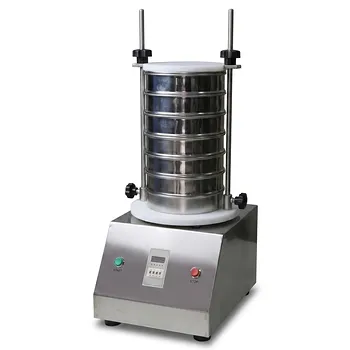
Laboratory Vibratory Test Sieve Shaker for Precision Particle Size Analysis and Powder Grading
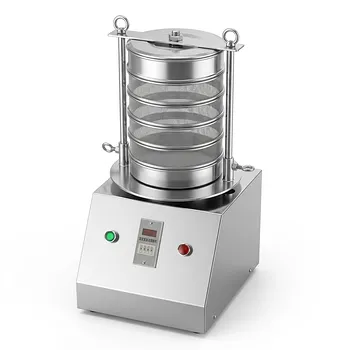
Stainless Steel Laboratory Vibratory Test Sieve Shaker
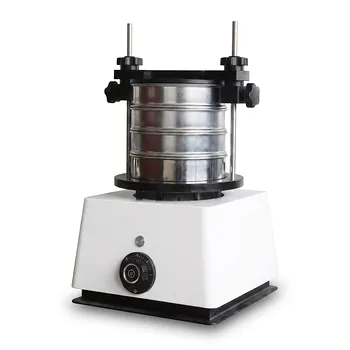
Small Laboratory Vibrating Sieve Shaker for Precise Particle Size Analysis
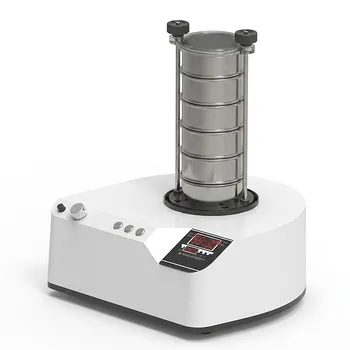
三维电磁微量振动筛分仪
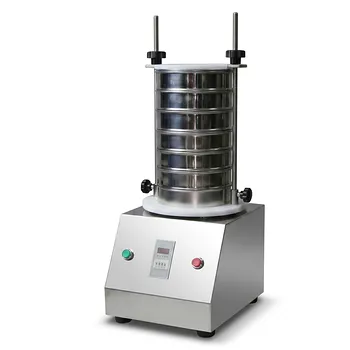
Small Laboratory Vibratory Sieve Shaker for Powder Gradation and Particle Size Analysis
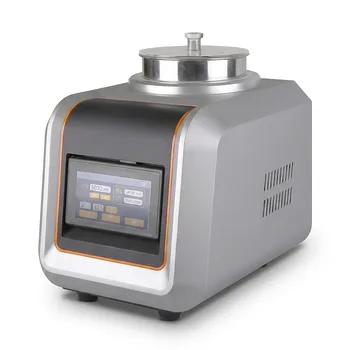
Laboratory Air Jet Sieving Machine for Fine Powder Particle Size Analysis and Deagglomeration
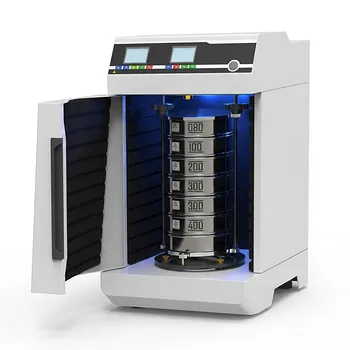
Laboratory Dry and Wet Three Dimensional Vibratory Sieve Shaker for Particle Analysis
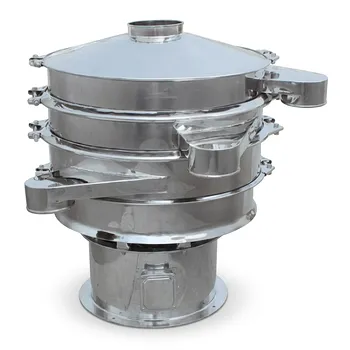
Stainless Steel Rotary Vibrating Sieve High Precision Circular Vibratory Separator Industrial Powder Grading Machine Multi Layer Sifting Equipment
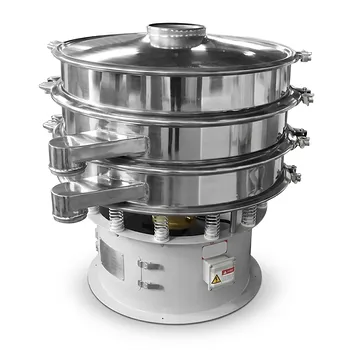
Three Dimensional Rotary Vibrating Sieve
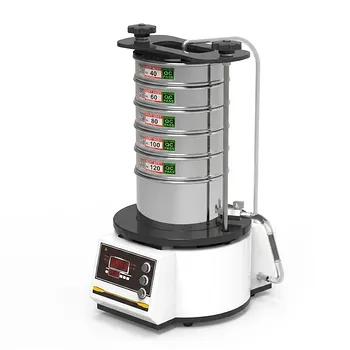
High Frequency Wet Three-Dimensional Vibrating Sieve Shaker for Dry and Wet Particle Size Analysis
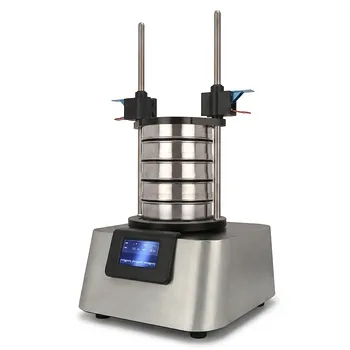
Vibratory Sieve Shaker Electromagnetic 3D Motion Powder Particle Size Analyzer for Dry and Wet Sieving
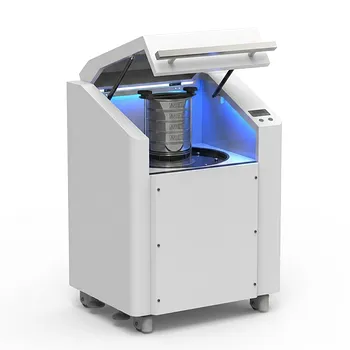
High Frequency Cabinet Type Three-Dimensional Rotary Vibrating Sieve Shaker for Dry Sieving and Particle Classification
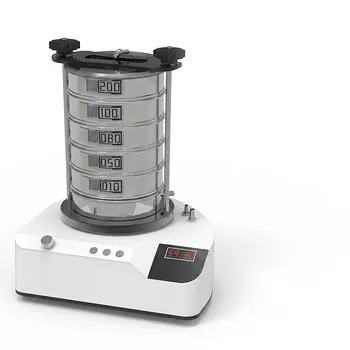
Heavy Duty Dry Three Dimensional Vibratory Sieve Shaker for Particle Separation
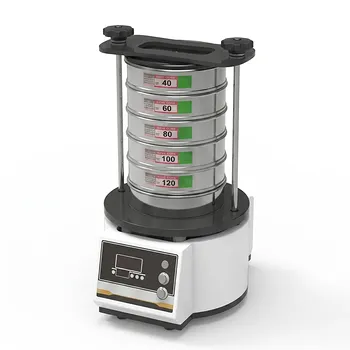
Dry Three Dimensional Vibratory Sieve Shaker
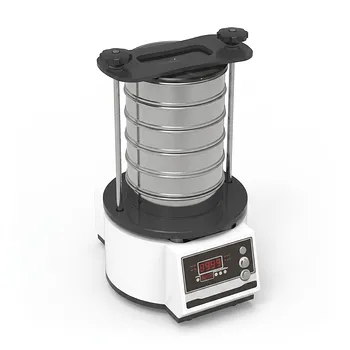
Tapping Oscillating Sieve Shaker for Dry and Wet Particle Size Analysis
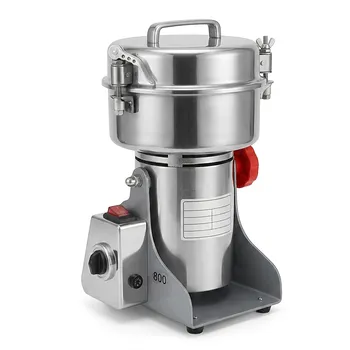
Small High-Speed Laboratory Grinder for Rapid Sample Preparation
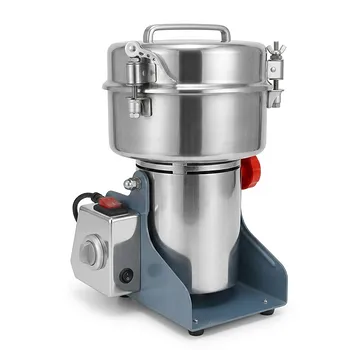
Small High-Speed Grinder for Efficient Laboratory Sample Preparation
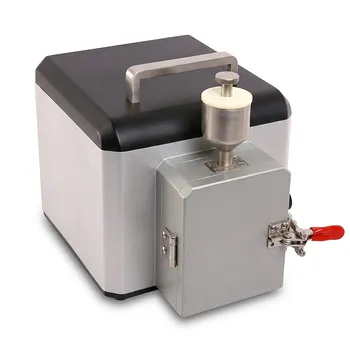
Portable Cutting Mill for Laboratory Sample Preparation and RoHS WEEE Compliance Testing
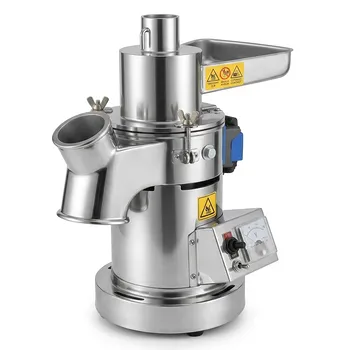
Continuous Feeding Grinder High Efficiency Pulverizer for Lab Sample Preparation