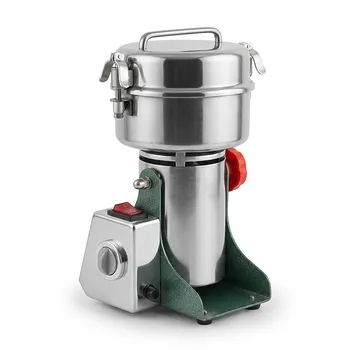
Why are standard test sieves required in biomass torrefaction experiments? Ensure Precision and Kinetic Accuracy
Updated 4 months ago
Standard test sieves are the primary tool for achieving particle size homogenization, a critical prerequisite for any scientifically valid torrefaction study. By isolating biomass particles within specific diameter ranges, researchers eliminate the variable of physical size from the complex chemical equations of thermal decomposition. This precision is essential for calculating accurate reaction rate constants and establishing reliable mass loss prediction models that can be replicated across different laboratory environments.
In biomass torrefaction, standard test sieves transform a raw, heterogeneous material into a calibrated feedstock, ensuring that experimental results reflect the material’s chemical properties rather than its physical inconsistencies.
Eliminating Kinetic Variability
Standardizing Thermal Decomposition
The core goal of torrefaction research is to understand how biomass chemically evolves under heat. If a sample contains a mix of fine dust and large chips, the thermal decomposition kinetics will vary wildly within the same batch.
Standard test sieves allow researchers to select a narrow aperture range, ensuring that every particle in the sample reacts at a similar rate. This uniformity is the only way to obtain accurate reaction rate constants that are not skewed by the presence of oversized or undersized particles.
Establishing Reliable Prediction Models
Mathematical models used to predict mass loss during torrefaction rely on the assumption of physical consistency. Without sieving, the data becomes "noisy" because larger particles may still be undergoing moisture evaporation while smaller particles have already begun hemicellulose degradation.
Using sieves to maintain a strict particle size range allows for the creation of reliable mass loss prediction models. These models are foundational for scaling laboratory findings up to industrial-sized torrefaction reactors.
Optimizing Heat and Mass Transfer
Preventing Uneven Heating
Biomass is naturally a poor conductor of heat. Large particles have a significant thermal gradient between their surface and core, which leads to uneven heating and incomplete torrefaction.
By using sieves (such as a 2 mm or 1.40 mm mesh), researchers ensure that heat penetrates the center of every particle simultaneously. This results in a consistent physical specification for the raw material entering the carbonization or torrefaction stage.
Enhancing Specific Surface Area
Smaller, sieved particles possess a larger specific surface area relative to their volume. This increased surface area facilitates more efficient heat transfer from the reactor environment to the biomass.
In downstream applications, this high surface area also allows for better contact with binders (like starch). This is crucial for the bonding strength and mechanical durability of the fuel rods or pellets produced after the torrefaction process.
Ensuring Repeatability in Blending and Testing
Achieving Micro-Scale Mixture Uniformity
When torrefied biomass is blended with other fuels, such as coal powder, particle size homogenization is vital. If the particles are not uniform—typically filtered to around 250 microns using a 60-mesh sieve—the components will segregate.
Proper sieving prevents this segregation, ensuring a uniform micro-scale mixture. This homogeneity is required for the representativeness and reliability of combustion characteristic tests and calorific value measurements.
Improving Analytical Accuracy
Many analytical instruments, such as fiber analyzers or calorific value instruments, have strict input specifications. Using standard sieves to remove oversized components eliminates analysis errors caused by non-uniform distribution.
This rigorous screening ensures that the samples meet experimental specifications. The result is a significant improvement in the repeatability and accuracy of the final test results across multiple trials.
Understanding the Trade-offs
The Cost of Over-Processing
While finer particles offer better kinetic data, grinding biomass to extremely small sizes is energy-intensive. Researchers must balance the need for high-precision data with the practical energy costs associated with excessive pulverization and sieving.
Material Loss and Representation
Strict sieving inherently discards a portion of the raw material. If a significant percentage of the biomass is filtered out, the remaining sample may no longer be fully representative of the original feedstock’s natural composition, potentially biasing results toward specific plant tissues (like fibers vs. pith).
Sieve Blinding and Maintenance
Biomass particles, especially those that are needle-like or oily, can cause sieve blinding (clogging of the mesh). If sieves are not cleaned or agitated correctly, the classification becomes inaccurate, leading to the very size variability the researcher is trying to avoid.
How to Apply This to Your Project
Making the Right Choice for Your Goal
To maximize the value of your torrefaction experiment, select your sieving protocol based on your primary analytical objective.
- If your primary focus is kinetic modeling: Use high-precision sieves to isolate a very narrow range (e.g., < 0.425 mm) to ensure that heat transfer limitations do not interfere with chemical rate calculations.
- If your primary focus is pelletization and durability: Target a size distribution that includes a specific ratio of coarse particles to provide structural reinforcement and "interlocking" during the briquetting process.
- If your primary focus is co-firing with coal: Utilize a 60-mesh (250 micron) sieve to match the particle size of pulverized coal, ensuring a stable and homogeneous fuel blend.
By integrating standard test sieves into your workflow, you move from observational testing to controlled, repeatable science.
Summary Table:
| Benefit Category | Key Role in Torrefaction | Impact on Research Results |
|---|---|---|
| Kinetic Stability | Homogenizes particle size | Ensures accurate reaction rate constants |
| Thermal Efficiency | Reduces thermal gradients | Achieves uniform heating and carbonization |
| Model Reliability | Prevents material segregation | Establishes valid mass loss prediction models |
| Analytical Quality | Meets instrument specifications | Enhances repeatability of combustion tests |
Elevate Your Biomass Research with Precision Sample Preparation
Achieving repeatable results in biomass torrefaction starts with perfect particle size control. We provide complete laboratory sample preparation solutions tailored for material science and renewable energy research.
Whether you need to homogenize raw materials using our jaw crushers and planetary ball mills, or require precise classification with our vibratory and air-jet sieve shakers, we have the equipment to ensure your feedstock meets the highest standards. Additionally, our full spectrum of hydraulic presses and pellet presses is ideal for transforming torrefied biomass into high-density fuel rods for durability testing.
Ready to optimize your lab's workflow? Contact our experts today to find the right equipment for your specific material processing needs.
References
- Young Min Ju. Prediction and Characterization of Torrefaction Yield of Agricultural by-product Biomass by Temperature. DOI: 10.12972/jales.20170006
Mentioned Products
- Laboratory Vibratory Test Sieve Shaker for Precision Particle Size Analysis and Powder Grading
- Stainless Steel Laboratory Vibratory Test Sieve Shaker
- Small Laboratory Vibrating Sieve Shaker for Precise Particle Size Analysis
- 三维电磁微量振动筛分仪
- Small Laboratory Vibratory Sieve Shaker for Powder Gradation and Particle Size Analysis
People Also Ask
- What role does a laboratory sieve shaker play in determining PDI? Achieve Precision in Biomass Quality Testing
- What are the functions of sieve shakers for coconut shell powder? Achieve Precise Particle Size & Quality Control.
- What function does a laboratory sieve shaker perform in the PSD analysis of residual soil? Ensure Precise Grading
- What is the role of a laboratory sieve shaker in the preparation of plantain peel adsorbents? Standardize Particle Size
- What is the function of a laboratory vibratory sieve shaker? Enhance Coal Particle Size Distribution (PSD) Analysis

Tech Team · PowderPreparation
Last updated on May 14, 2026
Related Products
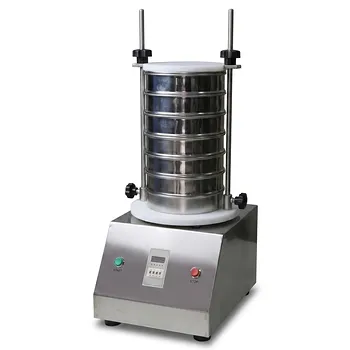
Laboratory Vibratory Test Sieve Shaker for Precision Particle Size Analysis and Powder Grading
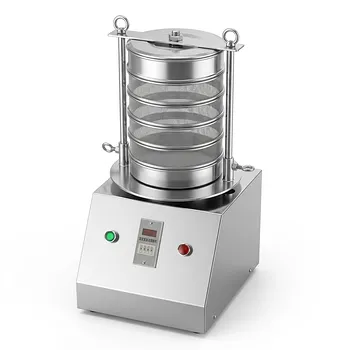
Stainless Steel Laboratory Vibratory Test Sieve Shaker
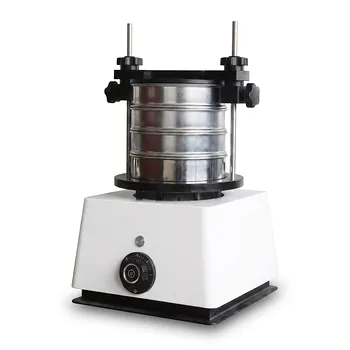
Small Laboratory Vibrating Sieve Shaker for Precise Particle Size Analysis
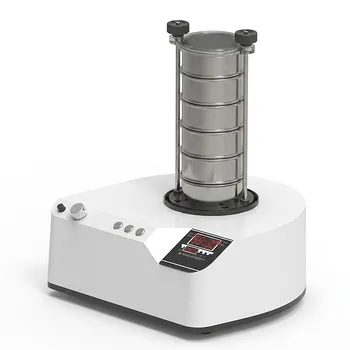
三维电磁微量振动筛分仪
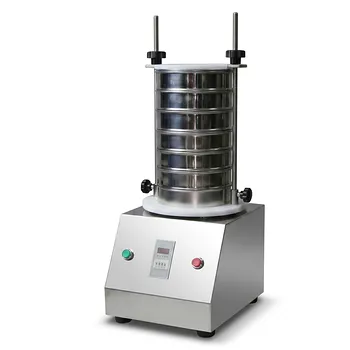
Small Laboratory Vibratory Sieve Shaker for Powder Gradation and Particle Size Analysis
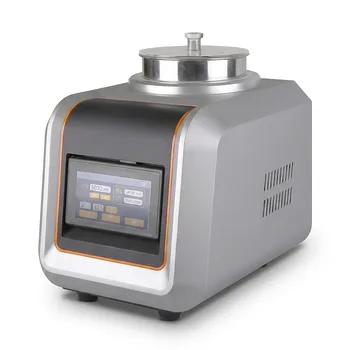
Laboratory Air Jet Sieving Machine for Fine Powder Particle Size Analysis and Deagglomeration
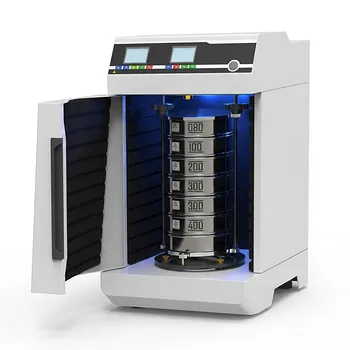
Laboratory Dry and Wet Three Dimensional Vibratory Sieve Shaker for Particle Analysis
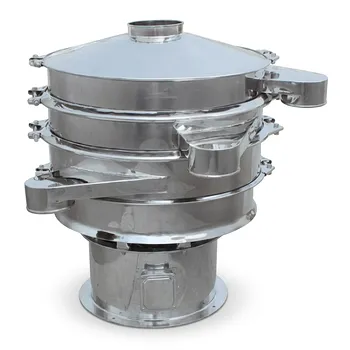
Stainless Steel Rotary Vibrating Sieve High Precision Circular Vibratory Separator Industrial Powder Grading Machine Multi Layer Sifting Equipment
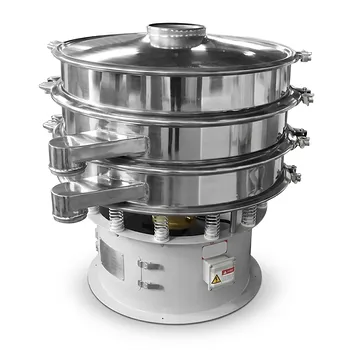
Three Dimensional Rotary Vibrating Sieve
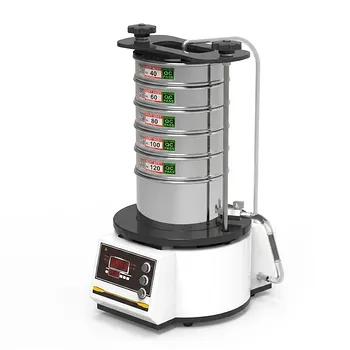
High Frequency Wet Three-Dimensional Vibrating Sieve Shaker for Dry and Wet Particle Size Analysis
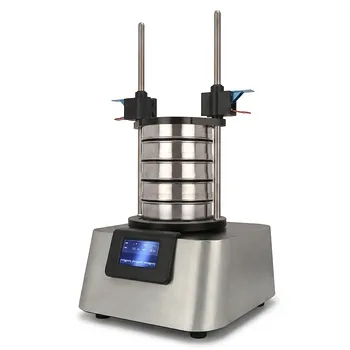
Vibratory Sieve Shaker Electromagnetic 3D Motion Powder Particle Size Analyzer for Dry and Wet Sieving
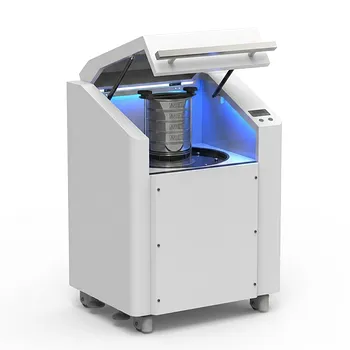
High Frequency Cabinet Type Three-Dimensional Rotary Vibrating Sieve Shaker for Dry Sieving and Particle Classification
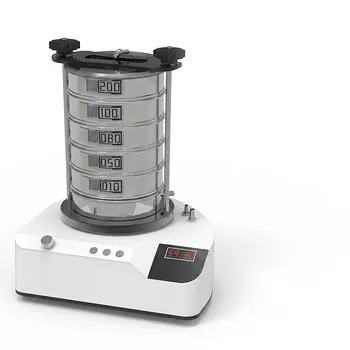
Heavy Duty Dry Three Dimensional Vibratory Sieve Shaker for Particle Separation
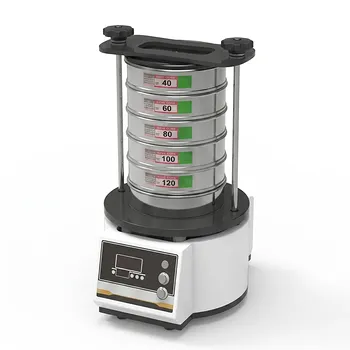
Dry Three Dimensional Vibratory Sieve Shaker
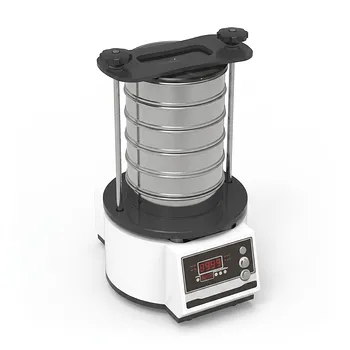
Tapping Oscillating Sieve Shaker for Dry and Wet Particle Size Analysis
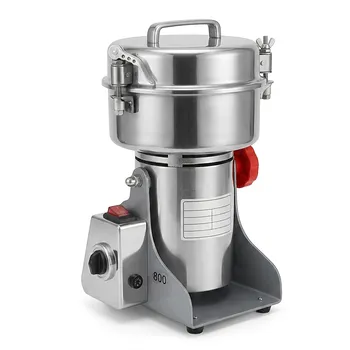
Small High-Speed Laboratory Grinder for Rapid Sample Preparation
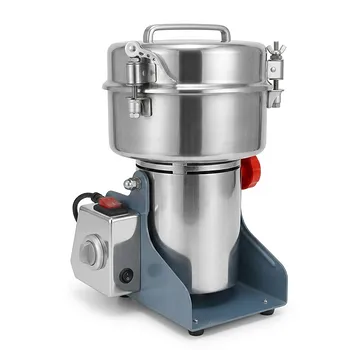
Small High-Speed Grinder for Efficient Laboratory Sample Preparation
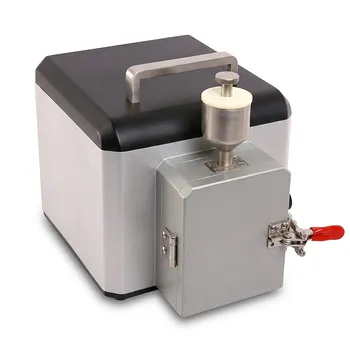
Portable Cutting Mill for Laboratory Sample Preparation and RoHS WEEE Compliance Testing
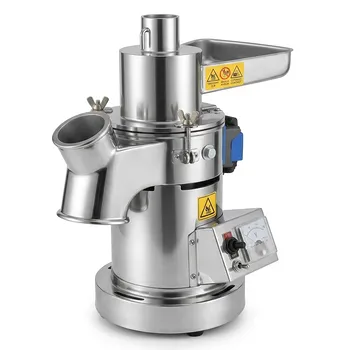
Continuous Feeding Grinder High Efficiency Pulverizer for Lab Sample Preparation