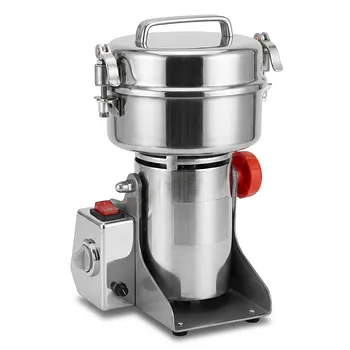
Why are standard laboratory test sieves necessary for determining the particle size of natural zeolite? Achieve Precision
Updated 4 months ago
Standard laboratory test sieves are essential for zeolite analysis because they provide a precise, standardized method for isolating specific particle size fractions. This process ensures that the zeolite powder has a uniform size distribution, which is critical for maintaining consistent diffusion paths, surface area, and contact zones during chemical reactions or adsorption experiments.
Core Takeaway: Standard sieves eliminate physical variables by partitioning bulk zeolite into exact grading ranges. This uniformity is the foundation for accurate adsorption kinetics and reproducible experimental data, as zeolite performance is directly dictated by its particle-to-fluid interface.
The Critical Link Between Particle Size and Performance
Maximizing Specific Surface Area
Zeolite is a highly porous adsorbent whose effectiveness depends heavily on its specific surface area. Standard sieves allow researchers to isolate smaller particle ranges, which exponentially increase the available active sites for ion exchange.
Controlling Diffusion Paths
Because zeolite adsorption is often diffusion-limited, the distance a solute must travel into the particle affects the reaction rate. By using sieves to ensure a narrow range—such as 150 microns—scientists ensure that diffusion paths remain uniform across all experimental groups.
Maintaining Consistent Fluid Dynamics
Uniform particle sizes, such as the 0.21–0.3 mm range, ensure that fluids penetrate the material evenly. This prevents "channeling," where fluid bypasses parts of the adsorbent, ensuring that the entire batch of zeolite participates equally in the process.
Enhancing Experimental Accuracy and Reproducibility
Eliminating Variables in Kinetics
In adsorption kinetics studies, even minor variations in particle size can skew data regarding potassium ion adsorption rates. Standard sieves provide the physical control necessary to keep these variables constant, allowing for the isolation of chemical factors.
Preventing Operational Failures
Using standard sieves to remove excessive fines prevents common laboratory issues like filter clogging. Conversely, removing overly large particles ensures sufficient contact time, preventing the "breakthrough" of contaminants in column studies.
Precise Gradient Separation
A vibratory sieve shaker equipped with standard mesh sizes allows for the physical partitioning of bulk mineral samples. This mechanical separation is more reliable than manual methods, ensuring that each fraction, from 2.36 mm to 3.35 mm, is accurately classified.
Quantitative Benchmarking and Quality Control
Measuring Crushing Efficiency
Standard sieves serve as a quantitative benchmark for evaluating the performance of crushing and grinding equipment. By measuring the weight of material retained on each level, operators can determine if the equipment is producing the desired output.
Generating Sieve Curves and D80 Values
The data gathered from a set of continuous aperture sizes is used to plot sieve curves and calculate critical metrics like the D80 value. These values are the industry standard for evaluating the well-graded status and classification performance of mineral products.
Ensuring Batch Stability
For specialized applications like magnetic biochar composites, maintaining a tight range (e.g., 0.3 to 0.6 mm) ensures stable heat transfer. This consistency is vital for achieving batch-to-batch stability in the adsorption performance of the final product.
Understanding the Trade-offs
The Limitation of Physical Partitioning
While sieves are excellent for size classification, they do not account for particle shape or "flatness." Two particles may pass through the same mesh size but have significantly different volumes or surface areas due to their elongated geometry.
Risk of Sieve Blinding
When processing natural zeolite, moisture or fine dust can cause sieve blinding, where particles clog the mesh openings. This requires the use of mechanical aids, like vibratory shakers or cleaning balls, to ensure the accuracy of the grading process isn't compromised by manual error.
Destructive Nature of Repeated Sieving
Aggressive mechanical sieving of fragile zeolite structures can lead to particle degradation. Over-sieving may actually create more fines through attrition, leading to a false representation of the original particle size distribution.
How to Apply This to Your Project
Making the Right Choice for Your Goal
To achieve the best results with natural zeolite, your sieving strategy must align with your final application requirements.
- If your primary focus is Adsorption Kinetics: Use a vibratory shaker with high-precision mesh (e.g., 150 microns) to ensure uniform diffusion paths and repeatable adsorption rates.
- If your primary focus is Industrial Quality Control: Focus on generating cumulative distribution data and D80 values to monitor the efficiency of your crushing and grinding circuits.
- If your primary focus is Column Filtration: Use sieves to strictly remove both fines (to prevent clogging) and oversized particles (to ensure adequate contact time).
By utilizing standard laboratory test sieves, you transform a raw mineral into a calibrated technical material capable of delivering predictable and scientifically valid results.
Summary Table:
| Application Area | Primary Benefit | Key Outcome |
|---|---|---|
| Adsorption Kinetics | Uniform diffusion paths | Consistent reaction rates and data |
| Fluid Dynamics | Prevention of channeling | Even material penetration and usage |
| Quality Control | Quantitative benchmarking | Accurate D80 values and sieve curves |
| Lab Operations | Removal of fines/oversize | Prevention of filter clogging and breakthrough |
| Batch Stability | Thermal/Physical uniformity | Reproducible adsorption performance |
Optimize Your Material Analysis with Precision Equipment
Achieving accurate particle size distribution is critical for the performance of advanced materials like natural zeolite. At our core, we provide complete laboratory sample preparation solutions tailored for material science professionals.
Whether you are focusing on powder processing or compaction, our extensive product line is designed to ensure maximum reproducibility:
- Sieving & Classification: High-precision vibratory and air-jet sieve shakers with a full range of standard test sieves.
- Grinding & Milling: Advanced planetary ball mills, jet mills, and liquid nitrogen cryogenic grinders for achieving ultra-fine powders.
- Crushing: Durable jaw and roll crushers for primary sample reduction.
- Compaction: A full spectrum of hydraulic presses, including Cold/Warm Isostatic Presses (CIP/WIP), vacuum hot presses, and XRF pellet presses.
- Mixing: High-efficiency powder and defoaming mixers for uniform sample preparation.
Ready to enhance your lab's efficiency and experimental accuracy? Contact our technical experts today to find the perfect solution for your specific application needs.
References
- Ryuichi Egashira, Hiroaki Habaki. Removal of Heavy Metals from Model Mine Wastewater by Adsorption Using Mongolian Natural Zeolites. DOI: 10.1252/jcej.12we137
Mentioned Products
- Laboratory Vibratory Test Sieve Shaker for Precision Particle Size Analysis and Powder Grading
- Stainless Steel Laboratory Vibratory Test Sieve Shaker
- Small Laboratory Vibrating Sieve Shaker for Precise Particle Size Analysis
- Small Laboratory Vibratory Sieve Shaker for Powder Gradation and Particle Size Analysis
- Laboratory Dry and Wet Three Dimensional Vibratory Sieve Shaker for Particle Analysis
People Also Ask
- What role does a laboratory sieve shaker play in determining PDI? Achieve Precision in Biomass Quality Testing
- What are the functions of sieve shakers for coconut shell powder? Achieve Precise Particle Size & Quality Control.
- What function does a laboratory sieve shaker perform in the PSD analysis of residual soil? Ensure Precise Grading
- What is the role of a laboratory sieve shaker in the preparation of plantain peel adsorbents? Standardize Particle Size
- What is the function of a laboratory vibratory sieve shaker? Enhance Coal Particle Size Distribution (PSD) Analysis

Tech Team · PowderPreparation
Last updated on May 14, 2026
Related Products
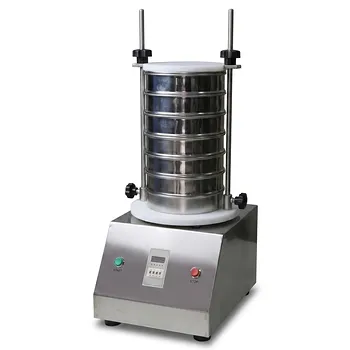
Laboratory Vibratory Test Sieve Shaker for Precision Particle Size Analysis and Powder Grading
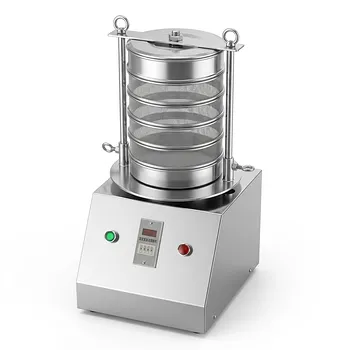
Stainless Steel Laboratory Vibratory Test Sieve Shaker
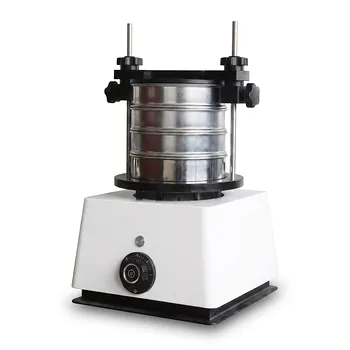
Small Laboratory Vibrating Sieve Shaker for Precise Particle Size Analysis
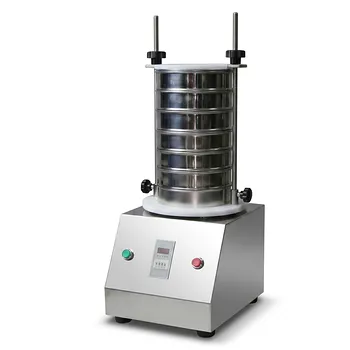
Small Laboratory Vibratory Sieve Shaker for Powder Gradation and Particle Size Analysis
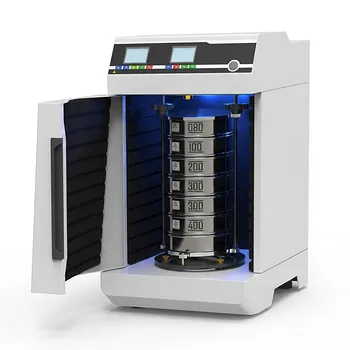
Laboratory Dry and Wet Three Dimensional Vibratory Sieve Shaker for Particle Analysis
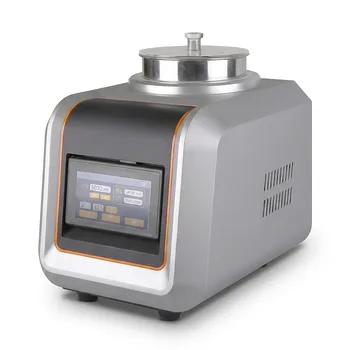
Laboratory Air Jet Sieving Machine for Fine Powder Particle Size Analysis and Deagglomeration
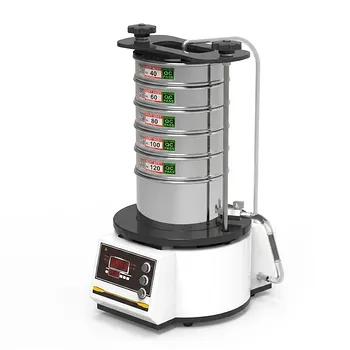
High Frequency Wet Three-Dimensional Vibrating Sieve Shaker for Dry and Wet Particle Size Analysis
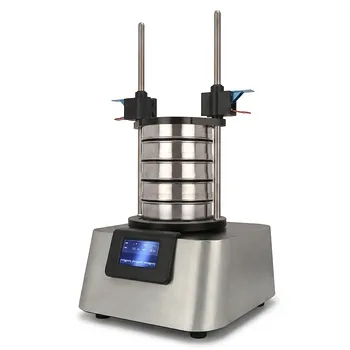
Vibratory Sieve Shaker Electromagnetic 3D Motion Powder Particle Size Analyzer for Dry and Wet Sieving
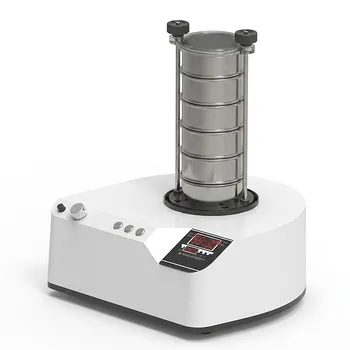
三维电磁微量振动筛分仪
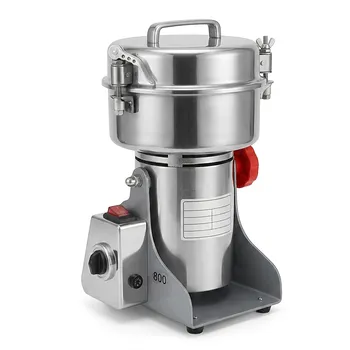
Small High-Speed Laboratory Grinder for Rapid Sample Preparation
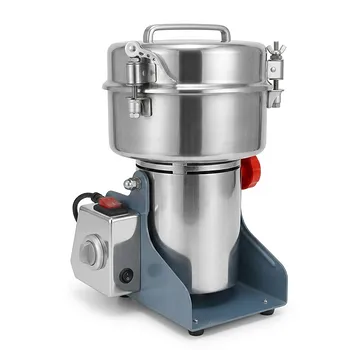
Small High-Speed Grinder for Efficient Laboratory Sample Preparation
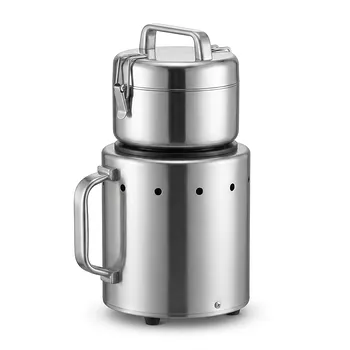
Small High Speed Grinder for Laboratory Sample Preparation
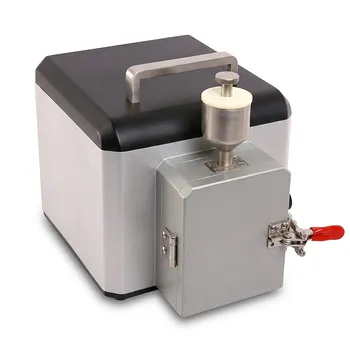
Portable Cutting Mill for Laboratory Sample Preparation and RoHS WEEE Compliance Testing
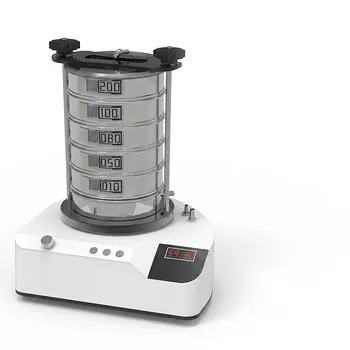
Heavy Duty Dry Three Dimensional Vibratory Sieve Shaker for Particle Separation
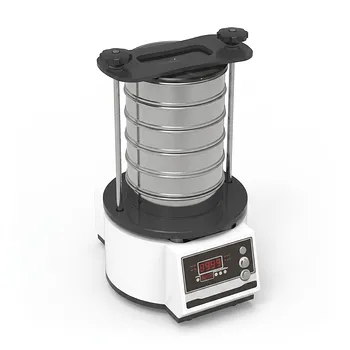
Tapping Oscillating Sieve Shaker for Dry and Wet Particle Size Analysis
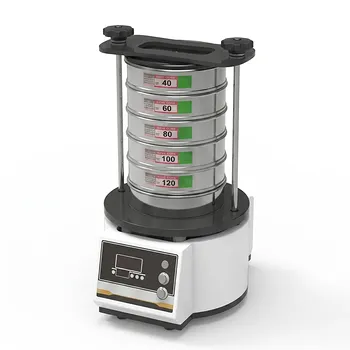
Dry Three Dimensional Vibratory Sieve Shaker
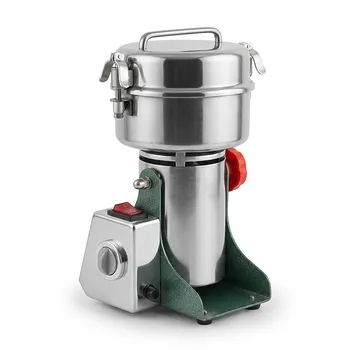
Small High-Speed Swing Grinder for Laboratory Sample Preparation
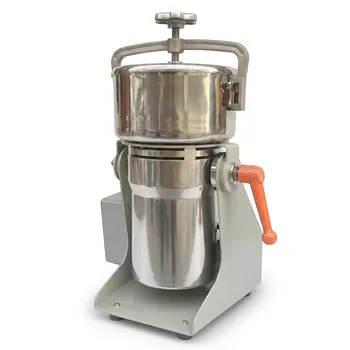
High Speed Laboratory Grinder Efficient Stainless Steel Powder Pulverizer Universal Material Science Mill for Sample Preparation
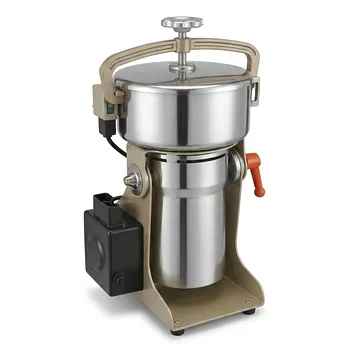
Multifunctional High Efficiency High Speed Laboratory Grinder