Why are high-precision test sieves required for FEPA abrasive grains? Ensure Quality & Compliance
Updated 5 months ago
High-precision standard test sieves are the foundational tools required to ensure abrasive grains meet the strict particle size distribution (PSD) limits mandated by international standards like FEPA. These sieves provide the exact geometric aperture distributions necessary to isolate specific fractions, ensuring that the resulting abrasive products—such as sandpaper or grinding wheels—deliver uniform surface roughness and predictable material removal rates.
High-precision test sieves act as the physical "gatekeepers" of quality, using strictly defined mesh sizes and rigorous tolerance limits to ensure that abrasive grains provide consistent cutting performance while preventing surface damage caused by oversized particles.
The Role of Precision in Technical Compliance
Ensuring Alignment with International Standards
Standards such as FEPA, ISO 3310-1, and ASTM E11-20 require extremely narrow tolerance limits for sieve openings. High-precision sieves are manufactured to these exact specifications to ensure that the physical boundaries of each abrasive fraction are accurately defined.
Facilitating Repeatable Results
Using standardized, high-precision tools ensures repeatability across different batches and manufacturing sites. This allows for a reliable correlation between the measured particle passage and the actual dimensions of the sieve openings, which is critical for global supply chain consistency.
Quantifying Particle Size Distribution (PSD)
High-precision sieves are used to calculate vital datasets, including cumulative passing rates and D10, D50, and D90 values. These metrics allow manufacturers to perform advanced geostatistical analysis and maintain a consistent physical baseline for every sample produced.
Impact on Abrasive Performance and Quality
Preventing Surface Defects
The primary risk of poor particle classification is the presence of "rogue" oversized grains. High-precision sieving effectively isolates and removes these particles, preventing surface scratches and ensuring the uniform surface roughness required for high-quality finishing.
Optimizing Cutting Efficiency
Consistent grain size ensures that every particle on an abrasive tool shares the workload equally. This leads to predictable grinding performance and prevents premature wear of the tool, which is essential for the standardization of industrial abrasive equipment.
Standardizing Secondary Testing
Precision sieving eliminates size-related variables when testing other material properties, such as fracture resistance and bulk density. This ensures that any performance improvements noted during R&D are due to material composition rather than inconsistent particle sizing.
Common Pitfalls to Avoid
Neglecting Sieve Wear and Calibration
Over time, the mechanical stress of sieving can cause mesh apertures to stretch or warp, leading to inaccurate results. Failing to regularly re-calibrate or replace sieves according to ISO or ASTM protocols can result in batches that technically fail FEPA compliance despite "passing" internal tests.
Overloading the Sieve Surface
A common operational error is placing too much material on the sieve at once, which prevents particles from coming into contact with the mesh. This leads to an inaccurate P80 value, as smaller particles remain trapped above the mesh layer, skewing the distribution data.
Ignoring Environmental Factors
Fine abrasive powders can be sensitive to humidity, which may cause particles to clump or "blind" the sieve mesh. Using high-precision sieves without addressing electrostatic charges or moisture levels can lead to inconsistent classification and poor product flowability.
How to Apply This to Your Production Process
Implementation Strategies
To achieve full compliance and maximize product quality, your approach should vary based on your specific operational priorities:
- If your primary focus is meeting FEPA certification: Invest in sieves that strictly adhere to ISO 3310-1 or ASTM E11-20 standards and implement a rigorous, documented calibration schedule.
- If your primary focus is reducing surface finishing rejects: Utilize a vibratory sieve shaker in conjunction with precision sieves to ensure the absolute removal of oversized "scratch-causing" particles.
- If your primary focus is R&D and material performance: Use precision sieving to isolate specific D50 distributions, allowing you to objectively measure how chemical additives or heat treatments affect grain toughness.
By mastering the precision of your sieving process, you transform a simple filtration step into a powerful engine for industrial consistency and quality assurance.
Summary Table:
| Key Feature | Impact on Production | Compliance Standard |
|---|---|---|
| Precise Aperture | Prevents rogue oversized grains & surface scratches | ISO 3310-1 / ASTM E11 |
| PSD Accuracy | Ensures uniform D50/D90 for consistent cutting | FEPA Standards |
| Sieve Shaker Use | Guarantees repeatable, automated classification | Laboratory SOPs |
| Rigorous Calibration | Maintains accuracy over long-term industrial use | Quality Assurance |
Elevate Your Material Analysis with Precision Equipment
Achieving international standards like FEPA requires more than just a sieve; it requires a complete, high-precision workflow. At [Company Name], we provide comprehensive laboratory sample preparation solutions tailored for material science and powder processing.
From ensuring perfect particle size distribution with our vibratory and air-jet sieve shakers and certified test sieves to advanced powder preparation using our planetary ball mills, jet mills, and crushers, we empower your lab to produce superior results. We also offer a full spectrum of hydraulic presses (CIP/WIP) and vacuum hot presses for advanced material compaction.
Ready to optimize your abrasive production and guarantee compliance?
Contact Our Technical Experts Today to discuss how our specialized equipment can enhance your quality control and R&D efficiency.
References
- H. A. Ajimotokan, I. O. Alabi. Morphology and Physico-Mechanical Properties of Resin-bonded Palm Kernel Shell and Coconut Shell Grain-based Sandpaper Composites. DOI: 10.4314/njtd.v19i4.11
Mentioned Products
- Laboratory Vibratory Test Sieve Shaker for Precision Particle Size Analysis and Powder Grading
- Stainless Steel Rotary Vibrating Sieve High Precision Circular Vibratory Separator Industrial Powder Grading Machine Multi Layer Sifting Equipment
- Small Laboratory Vibrating Sieve Shaker for Precise Particle Size Analysis
- Stainless Steel Laboratory Vibratory Test Sieve Shaker
- 三维电磁微量振动筛分仪
People Also Ask
- What role does a laboratory sieve shaker play in determining PDI? Achieve Precision in Biomass Quality Testing
- What are the functions of sieve shakers for coconut shell powder? Achieve Precise Particle Size & Quality Control.
- What function does a laboratory sieve shaker perform in the PSD analysis of residual soil? Ensure Precise Grading
- What is the role of a laboratory sieve shaker in the preparation of plantain peel adsorbents? Standardize Particle Size
- What is the function of a laboratory vibratory sieve shaker? Enhance Coal Particle Size Distribution (PSD) Analysis

Tech Team · PowderPreparation
Last updated on May 14, 2026
Related Products
Laboratory Vibratory Test Sieve Shaker for Precision Particle Size Analysis and Powder Grading
Stainless Steel Rotary Vibrating Sieve High Precision Circular Vibratory Separator Industrial Powder Grading Machine Multi Layer Sifting Equipment
Small Laboratory Vibrating Sieve Shaker for Precise Particle Size Analysis
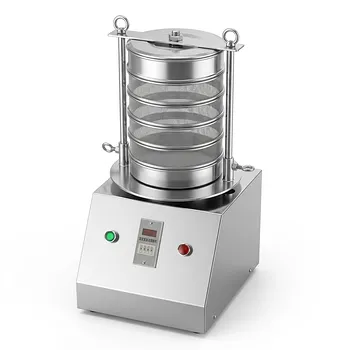
Stainless Steel Laboratory Vibratory Test Sieve Shaker
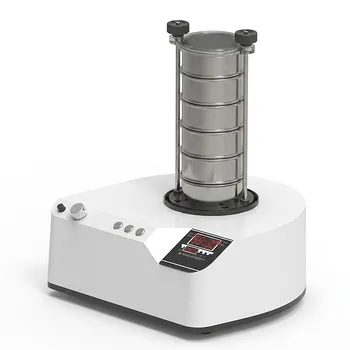
三维电磁微量振动筛分仪
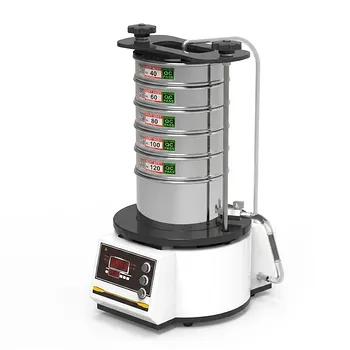
High Frequency Wet Three-Dimensional Vibrating Sieve Shaker for Dry and Wet Particle Size Analysis
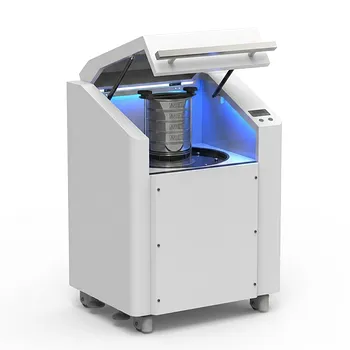
High Frequency Cabinet Type Three-Dimensional Rotary Vibrating Sieve Shaker for Dry Sieving and Particle Classification
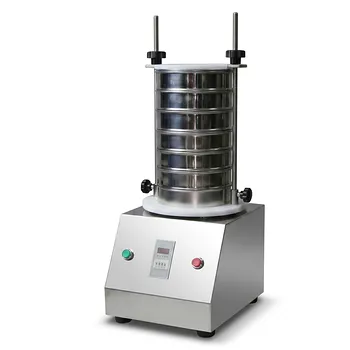
Small Laboratory Vibratory Sieve Shaker for Powder Gradation and Particle Size Analysis
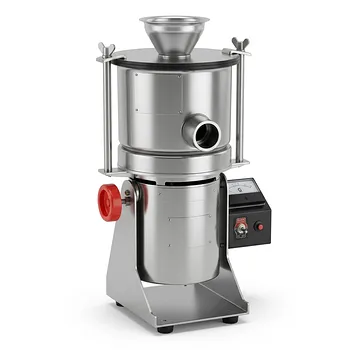
Laboratory Ultrafine Impact and Airflow Grinder for Precise Particle Size Control
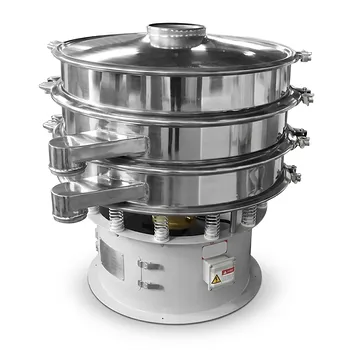
Three Dimensional Rotary Vibrating Sieve
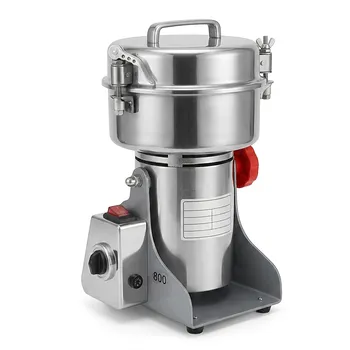
Small High-Speed Laboratory Grinder for Rapid Sample Preparation
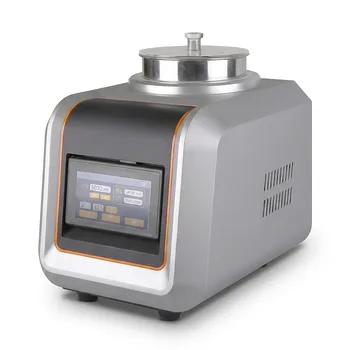
Laboratory Air Jet Sieving Machine for Fine Powder Particle Size Analysis and Deagglomeration
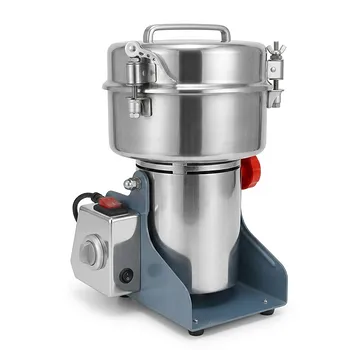
Small High-Speed Grinder for Efficient Laboratory Sample Preparation
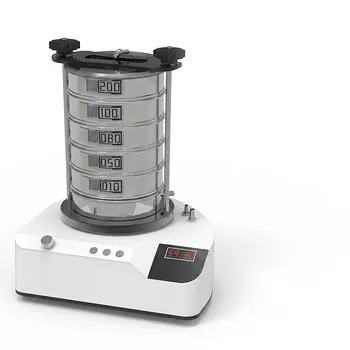
Heavy Duty Dry Three Dimensional Vibratory Sieve Shaker for Particle Separation
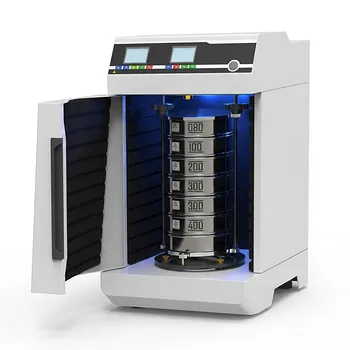
Laboratory Dry and Wet Three Dimensional Vibratory Sieve Shaker for Particle Analysis
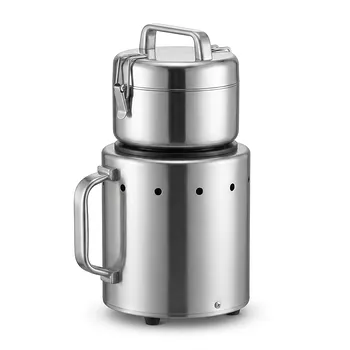
Small High Speed Grinder for Laboratory Sample Preparation
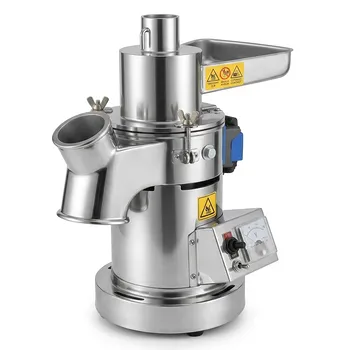
Continuous Feeding Grinder High Efficiency Pulverizer for Lab Sample Preparation
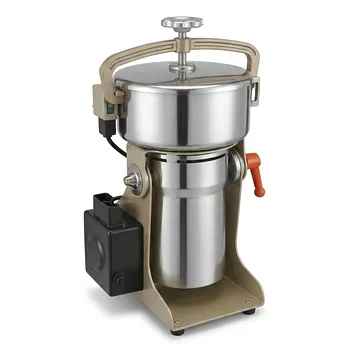
Multifunctional High Efficiency High Speed Laboratory Grinder
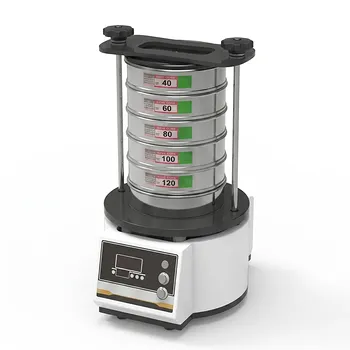
Dry Three Dimensional Vibratory Sieve Shaker