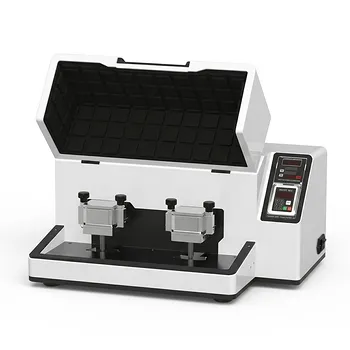
Why are high-density zirconia grinding balls preferred for piezoelectric ceramic milling? Ensure Purity & Efficiency
Updated 4 months ago
High-density zirconia grinding balls are the industry standard for piezoelectric ceramic production because they combine superior kinetic energy transfer with exceptional chemical inertness. This combination ensures that raw material powders are refined to the required sub-micron level efficiently while preventing the introduction of metallic or oxide impurities that would otherwise degrade the ceramic's sensitive electrical and impedance characteristics.
High-density zirconia balls solve the dual challenge of milling efficiency and material purity. By providing high-impact energy without the risk of media-induced contamination, they preserve the precise chemical stoichiometry necessary for high-performance piezoelectricity.
Maximizing Grinding Efficiency through Kinetic Energy
The Role of High Density
The high density of zirconia media is critical because it directly increases the impact kinetic energy generated during the milling process. This energy is necessary to effectively pulverize and mix hard raw materials such as lead oxide (Pb3O4) and titanium dioxide (TiO2) used in PZT-based ceramics.
Shortening Processing Cycles
Because these balls provide more significant crushing energy per impact, they substantially increase grinding efficiency. This allows manufacturers to reach target particle sizes much faster, which is vital for maintaining productivity during long-duration or high-speed planetary ball milling.
Mechanical Alloying and Reactivity
The efficient energy transfer facilitates mechanical alloying, which enhances the reactivity of the powders. This increased reactivity is essential for the subsequent synthesis of a pure perovskite phase during high-temperature calcination.
Ensuring Material Purity and Electrical Stability
Extreme Wear Resistance
Zirconia possesses superior hardness and an ultra-low wear rate, allowing the media to maintain its physical form during 10- to 24-hour milling cycles. This minimizes the amount of media material that erodes into the slurry, ensuring the chemical purity of the final product.
Chemical Inertness and Stability
Piezoelectric ceramics are highly sensitive to "foreign" metal or oxide impurities, which can cause deviations in chemical composition. Zirconia is chemically inert, meaning it will not react with the ceramic powders or the milling solvent, preserving the electrical performance and impedance characteristics of the material.
The Homogeneous Grinding Principle
In many piezoelectric formulations, zirconium dioxide (ZrO2) is already a primary ingredient. Using zirconia grinding media follows the homogeneous grinding principle, where any trace wear from the media is chemically compatible with the powder, preventing the introduction of alien elements.
Understanding the Trade-offs and Limitations
Higher Initial Investment
High-purity zirconia grinding balls have a significantly higher upfront cost compared to alumina or steel media. While their long lifespan and low wear rate offer long-term value, the initial capital expenditure can be a barrier for lower-margin applications.
Potential for Over-milling
The high kinetic energy of zirconia media can lead to over-grinding, resulting in powders with excessively high surface area. If not monitored, this can cause particles to aggregate or clump together, which negatively impacts the uniformity of the final ceramic structure.
Thermal Sensitivity
During high-energy planetary milling, significant heat is generated. While zirconia is stable, extreme thermal gradients or rapid cooling can theoretically affect the structural integrity of certain stabilized zirconia grades over hundreds of cycles.
Making the Right Choice for Your Goal
How to Apply This to Your Project
- If your primary focus is maximizing electrical sensitivity: Use high-purity zirconia media to ensure zero contamination from foreign oxides, which is critical for maintaining the dielectric constant.
- If your primary focus is reducing production time: Leverage the high density of zirconia in a planetary mill to achieve sub-micron particle distribution in shorter cycles compared to lower-density media.
- If your primary focus is cost-sensitive bulk production: Monitor the wear rate of your media meticulously, as the long-term durability of zirconia often makes it more cost-effective than cheaper media that requires frequent replacement.
Choosing high-density zirconia media is a strategic investment in the chemical integrity and functional reliability of high-performance piezoelectric components.
Summary Table:
| Feature | Benefit for Piezoelectric Ceramics | Impact on Production |
|---|---|---|
| High Density | Maximum kinetic energy transfer for hard materials (Pb3O4, TiO2). | Shorter grinding cycles and higher productivity. |
| Extreme Wear Resistance | Minimal media erosion during long milling cycles (10-24h). | Maintains chemical stoichiometry and electrical stability. |
| Chemical Inertness | Prevents contamination from metallic or foreign oxide impurities. | Preserves dielectric constant and impedance characteristics. |
| Homogeneous Principle | Wear debris is chemically compatible with ceramic formulations. | Eliminates risk of alien element introduction. |
Elevate Your Material Research with Precision Sample Preparation
Achieving the perfect sub-micron powder for high-performance piezoelectric ceramics requires more than just the right media—it requires a complete, integrated solution. At our laboratory, we specialize in providing complete laboratory sample preparation solutions for material science, focusing on high-efficiency powder processing and compaction equipment.
Our extensive product line is designed to support your entire workflow:
- Size Reduction: Jaw/roll crushers and high-energy mills (Planetary, Jet, Sand/Bead, Disc, and Rotor).
- Cryogenic Processing: Liquid nitrogen cryogenic grinders for heat-sensitive materials.
- Classification & Mixing: Vibratory/Air-jet sieve shakers and advanced powder/defoaming mixers.
- Compaction & Synthesis: A full spectrum of hydraulic presses, including Cold/Warm Isostatic Presses (CIP/WIP), standard lab presses, XRF pellet presses, and vacuum hot presses.
Whether you are scaling up production or refining sensitive electronic materials, our equipment ensures the purity and consistency your project demands. Contact our experts today to discuss how our specialized powder processing tools can optimize your lab's efficiency and results.
References
- Hangfeng Zhang, Lei Su. Phase transformation in lead titanate based relaxor ferroelectrics with ultra-high strain. DOI: 10.1038/s41467-025-56920-9
Mentioned Products
- High Energy Planetary Ball Mill for Nano Scale Grinding and Mechanical Alloying
- High Energy Laboratory Planetary Ball Mill for Nano Grinding and Material Science Sample Preparation
- Heavy Duty Horizontal Planetary Ball Mill for Efficient Industrial Grinding and Sample Preparation
- High Energy Laboratory Planetary Ball Mill for Nano Grinding and Colloidal Mixing of Hard and Brittle Materials
- High Throughput Micro Ball Mill for Cryogenic Grinding and Laboratory Cell Disruption
People Also Ask
- Why is a high-energy planetary ball mill used for nano-milling As4Se3? Achieve Expert Structural Transformation
- What role do high-energy planetary ball mills play in FDM composite filament preparation? Optimize Material Performance
- What is the role of a high-energy planetary ball mill in the exfoliation of modified WSe2? Achieve Nano-Precision
- What is the function of a planetary ball mill in glass-ceramic sintering? Optimize Reactivity and Uniformity
- What is the role of a high-energy planetary ball mill in the preparation of high-performance nano-ceramics? Key Guide

Tech Team · PowderPreparation
Last updated on May 14, 2026
Related Products

High Energy Planetary Ball Mill for Nano Scale Grinding and Mechanical Alloying
High Energy Laboratory Planetary Ball Mill for Nano Grinding and Material Science Sample Preparation
Heavy Duty Horizontal Planetary Ball Mill for Efficient Industrial Grinding and Sample Preparation
High Energy Laboratory Planetary Ball Mill for Nano Grinding and Colloidal Mixing of Hard and Brittle Materials
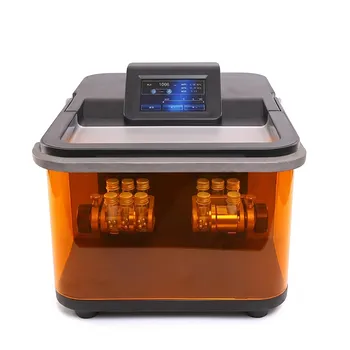
High Throughput Micro Ball Mill for Cryogenic Grinding and Laboratory Cell Disruption
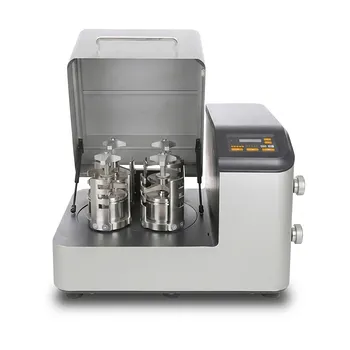
High Energy Planetary Ball Mill for Nano Scale Grinding and Colloidal Mixing in Material Science Research
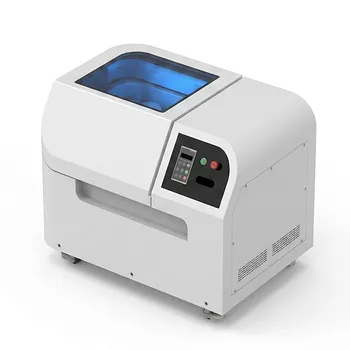
8L Planetary Ball Mill for Laboratory Grinding and Sample Preparation
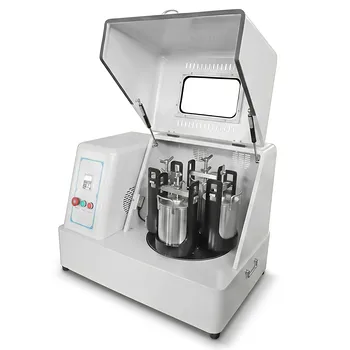
Vertical Square Planetary Ball Mill for Laboratory Sample Preparation and Nanoscale Grinding
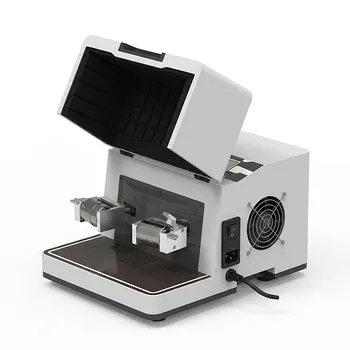
High Energy Hybrid Vibratory Ball Mill for Grinding Mixing and Cell Disruption
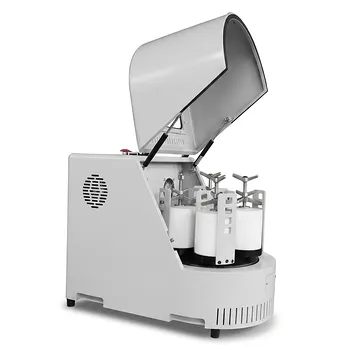
Vertical Semi Circular Planetary Ball Mill for Laboratory Precision Grinding
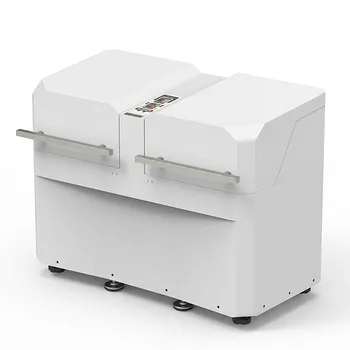
Dual Station Planetary Ball Mill 24L
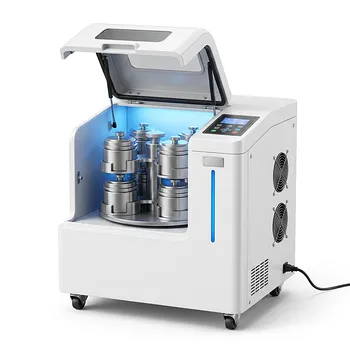
High Energy Omnidirectional Planetary Ball Mill 20L
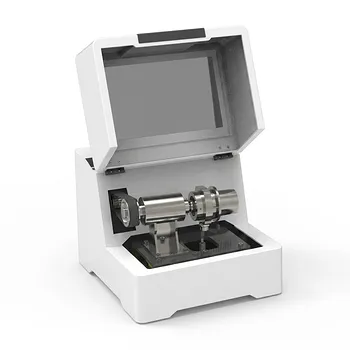
Single Tank High Energy Vibratory Ball Mill for Laboratory Grinding and Mixing
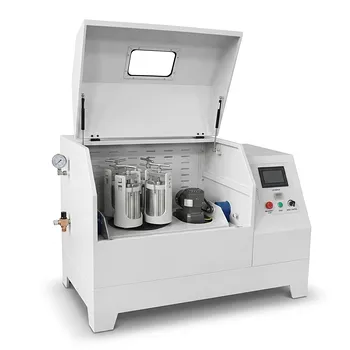
Vertical Production Planetary Ball Mill for High Throughput Powder Processing
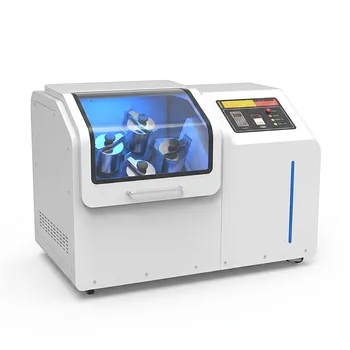
High Energy Omnidirectional Planetary Ball Mill 16L
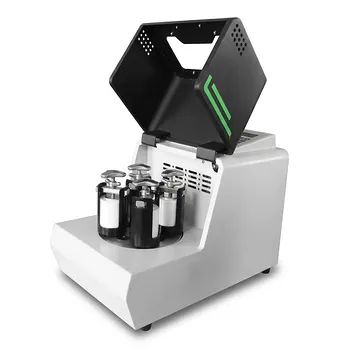
Miniature Planetary Ball Mill with Vacuum Grinding and High Efficiency for Laboratory Sample Preparation
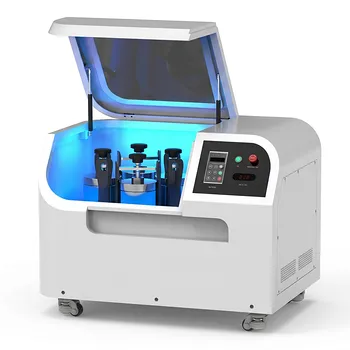
Planetary Ball Mill 12L
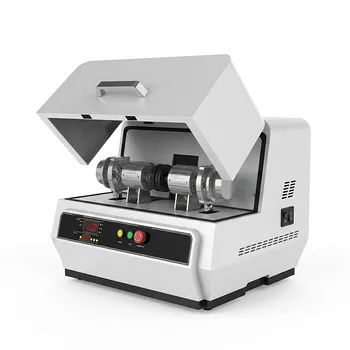
Dual Jar High Energy Vibratory Ball Mill
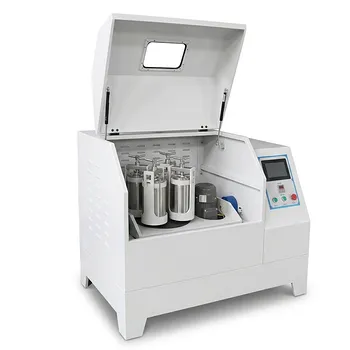
360° Rotating Omnidirectional Laboratory Planetary Ball Mill for Homogeneous Ultra-Fine Grinding and Mixing