What role does a planetary ball mill play in ZrO2 slurry preparation? Mastering Sub-Micron Homogenization
Updated 4 months ago
The planetary ball mill is the critical engine for achieving sub-micron homogenization in mesoporous zirconia ($ZrO_2$) spacer layer slurries. By utilizing high-speed revolution and rotation, the equipment generates intense centrifugal, impact, and shear forces that break down particle aggregates. This process ensures that the zirconia powder is uniformly dispersed within organic carriers, such as terpineol and ethyl cellulose, creating a stable, high-quality slurry optimized for screen printing.
Core Takeaway: The planetary ball mill transforms raw zirconia powder and organic binders into a functional electronic paste by using high-energy mechanical forces to eliminate agglomerates and achieve a precise, nano-scale distribution of materials.
The Mechanics of High-Energy Milling
Generation of Multi-Directional Forces
The primary role of the planetary ball mill is to subject the slurry components to extreme mechanical stress. Unlike standard mixers, the "planetary" motion involves the grinding jar rotating on its own axis while simultaneously revolving around a central sun wheel.
This dual-rotation creates a combination of centrifugal and Coriolis forces. These forces propel the grinding media (balls) with high kinetic energy, resulting in continuous impact and shearing actions against the zirconia particles.
Breaking Down Particle Agglomerates
Zirconia powders often naturally form large aggregates that can ruin the consistency of a spacer layer. The impact forces generated by the mill are specifically designed to shatter these clusters.
By reducing the particle size to a sub-micron or nano-scale, the mill ensures the powder transitions from a clumpy raw material into a fluid, workable state. This deagglomeration is essential for the slurry to pass through fine screen-printing meshes without clogging.
Homogenization with Organic Components
Dispersion in Terpineol and Ethyl Cellulose
Mesoporous zirconia slurries require a precise blend of ceramic powder and organic vehicles like terpineol (solvent) and ethyl cellulose (binder). The shear forces of the mill force these thick, viscous organic liquids into the interstitial spaces between zirconia particles.
This level of mixing ensures that the organic carrier completely coats each particle. Without this high-energy "wetting," the slurry would exhibit phase separation, leading to cracks or uneven thickness in the final spacer layer.
Facilitating Dispersant Adsorption
For a slurry to remain stable over time, chemical additives like dispersants must be evenly distributed. The planetary ball mill provides the mechanical energy required for dispersants to adsorb onto the nanoparticle surfaces.
This uniform coating creates repulsive forces between particles, preventing them from re-clumping (re-agglomeration) after the milling process is complete. This results in a "stable" suspension with consistent physicochemical properties.
Understanding the Trade-offs
Heat Generation and Material Integrity
The high-energy nature of planetary milling generates significant friction, which can lead to a rapid increase in temperature within the grinding jar. If not managed, this heat can degrade organic binders like ethyl cellulose or cause the solvent to evaporate prematurely.
Potential for Contamination
The intense impact between the grinding balls and the jar walls can lead to "wear-and-tear" contamination. To maintain the purity of the zirconia spacer layer, it is critical to use zirconia or alumina grinding media rather than metallic components, which could introduce unwanted impurities into the electronic path.
Processing Time vs. Particle Size
While longer milling times generally lead to finer particles, there is a point of diminishing returns. Over-milling can lead to "cold welding" or excessive surface energy that actually encourages particles to fuse back together, making the timing of the cycle a critical variable.
Applying This to Your Slurry Preparation
To achieve the best results for a mesoporous zirconia spacer layer, your milling strategy should align with your specific production requirements.
- If your primary focus is high-resolution screen printing: Prioritize longer milling cycles at moderate speeds to ensure a sub-micron particle size that won't clog fine meshes.
- If your primary focus is material purity: Utilize grinding jars and media made of the same material as your powder ($ZrO_2$) to prevent cross-contamination during high-impact cycles.
- If your primary focus is high solid loading (viscous slurries): Increase the rotation speed to generate the higher shear forces necessary to move heavy ceramic loads through the organic binder.
Mastering the mechanical forces of the planetary ball mill is the definitive step in moving from raw zirconia powder to a high-performance, printable ceramic spacer.
Summary Table:
| Function | Mechanism | Key Benefit |
|---|---|---|
| Deagglomeration | High-impact centrifugal & Coriolis forces | Breaks clusters to prevent mesh clogging |
| Homogenization | Intense shear force mixing | Ensures uniform coating with organic binders |
| Stabilization | Facilitating dispersant adsorption | Prevents particle re-clumping and sedimentation |
| Size Control | High-speed kinetic energy | Achieves precise sub-micron particle distribution |
Elevate Your Material Research with Expert Sample Preparation
Achieving the perfect mesoporous zirconia spacer layer requires more than just mixing—it requires precision engineering. At [Company Name], we provide complete laboratory sample preparation solutions for material science, specializing in high-performance powder processing and compaction equipment.
Our extensive line includes everything you need to transition from raw powder to high-quality electronic pastes:
- Advanced Milling: Planetary ball mills, jet mills, and cryogenic grinders for nano-scale homogenization.
- Sizing & Mixing: Sieve shakers, powder mixers, and specialized defoaming mixers.
- Precision Compaction: A full spectrum of hydraulic presses, including Cold/Warm Isostatic Presses (CIP/WIP), XRF pellet presses, and vacuum hot presses.
Whether you are optimizing slurries for screen printing or developing advanced ceramics, our equipment ensures consistent, repeatable results. Contact our technical team today to discuss your specific application and find the ideal solution for your lab!
References
- Takaya Shioki, Seigo Ito. Insulation Ability and Morphological Effect of ZrO2 Spacer Layer in Carbon-Based Multiporous Layered Electrode Perovskite Solar Cells. DOI: 10.3390/pr13072264
Mentioned Products
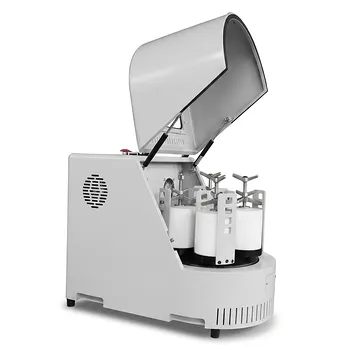
- Vertical Semi Circular Planetary Ball Mill for Laboratory Precision Grinding
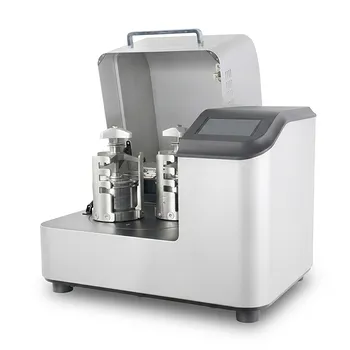
- High Energy Planetary Ball Mill for Nano Scale Grinding and Mechanical Alloying
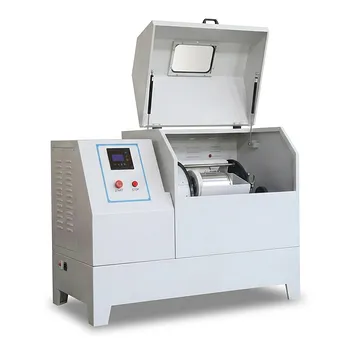
- Heavy Duty Horizontal Planetary Ball Mill for Efficient Industrial Grinding and Sample Preparation
- Vertical Production Planetary Ball Mill for High Throughput Powder Processing
- 360° Rotating Omnidirectional Laboratory Planetary Ball Mill for Homogeneous Ultra-Fine Grinding and Mixing
People Also Ask
- What role does a planetary ball mill play in the synthesis of Li6PS5Cl (LPSCl)? Unlock High Ionic Conductivity
- Why is a planetary ball mill essential for SiBCN-rGO wet-spinning? Achieve Superior Dispersion and Spinnability
- Why is an intermittent grinding process required for perovskites in a planetary ball mill? Ensure Stability & Purity
- Why is a planetary ball mill required for PET micronization? Ensure Accurate Chemical Analysis of Reprocessed PET
- How does mechanized planetary ball milling compare to manual agate grinding? Optimize sulfide standard material precision.

Tech Team · PowderPreparation
Last updated on Jun 03, 2026
Related Products
Vertical Semi Circular Planetary Ball Mill for Laboratory Precision Grinding
High Energy Planetary Ball Mill for Nano Scale Grinding and Mechanical Alloying
Heavy Duty Horizontal Planetary Ball Mill for Efficient Industrial Grinding and Sample Preparation
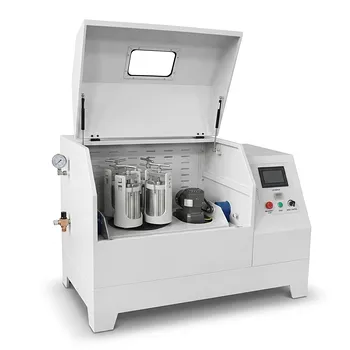
Vertical Production Planetary Ball Mill for High Throughput Powder Processing
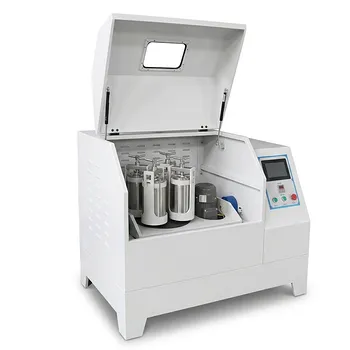
360° Rotating Omnidirectional Laboratory Planetary Ball Mill for Homogeneous Ultra-Fine Grinding and Mixing

Vertical Square Planetary Ball Mill for Laboratory Sample Preparation and Nanoscale Grinding
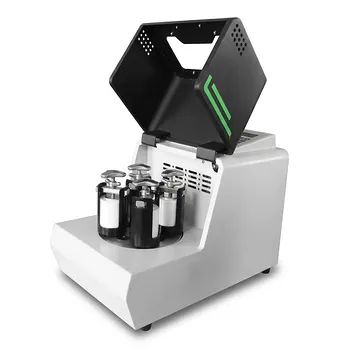
Miniature Planetary Ball Mill with Vacuum Grinding and High Efficiency for Laboratory Sample Preparation
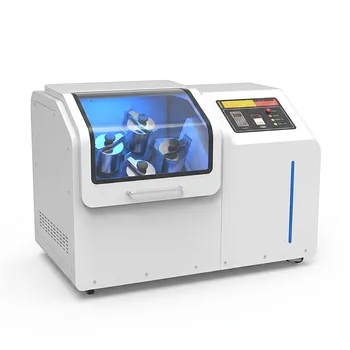
High Energy Omnidirectional Planetary Ball Mill 16L
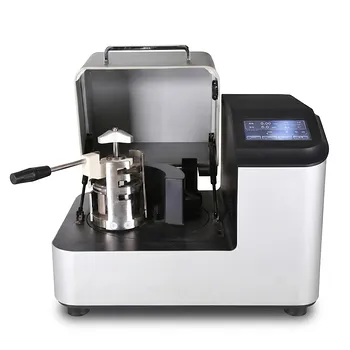
High Energy Laboratory Planetary Ball Mill for Nano Grinding and Material Science Sample Preparation
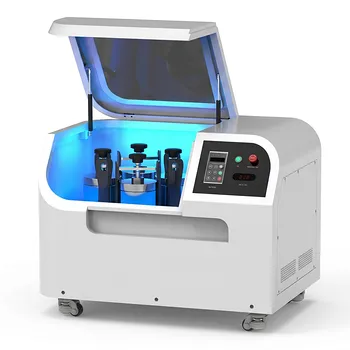
Planetary Ball Mill 12L
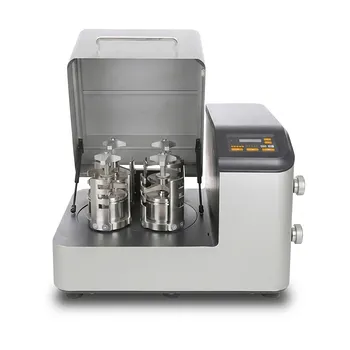
High Energy Planetary Ball Mill for Nano Scale Grinding and Colloidal Mixing in Material Science Research
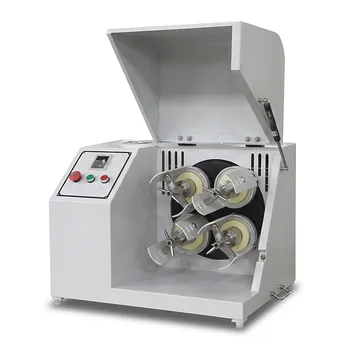
Horizontal Light Duty Planetary Ball Mill for Laboratory Sample Preparation
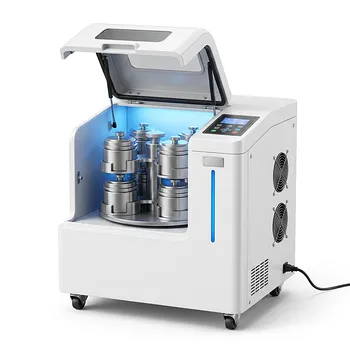
High Energy Omnidirectional Planetary Ball Mill 20L
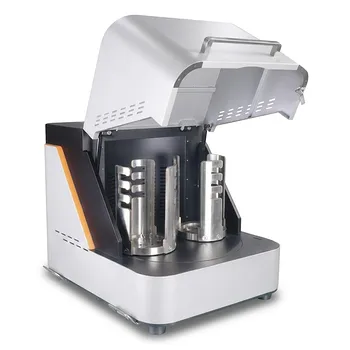
High Energy Laboratory Planetary Ball Mill for Nano Grinding and Colloidal Mixing of Hard and Brittle Materials
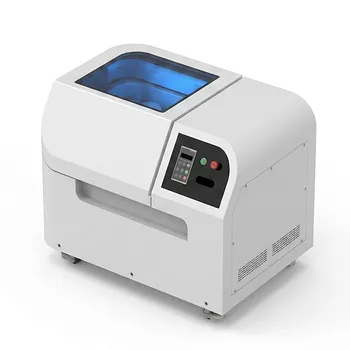
8L Planetary Ball Mill for Laboratory Grinding and Sample Preparation
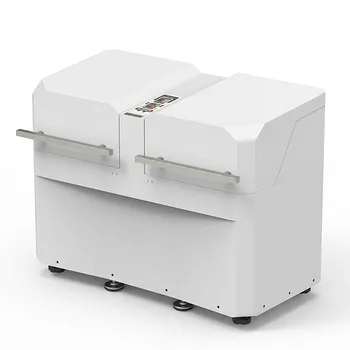
Dual Station Planetary Ball Mill 24L
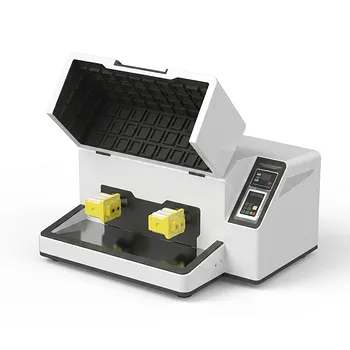
Multi-Platform Nanoscale High-Energy Vibratory Ball Mill
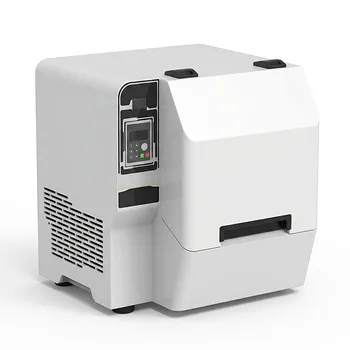
Nano High Energy Vibratory Ball Mill for Laboratory Sample Preparation
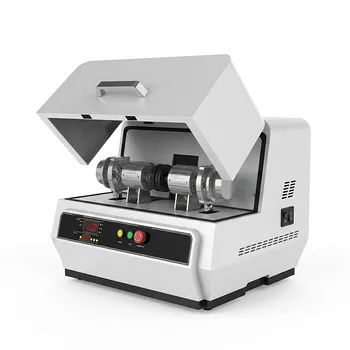
Dual Jar High Energy Vibratory Ball Mill