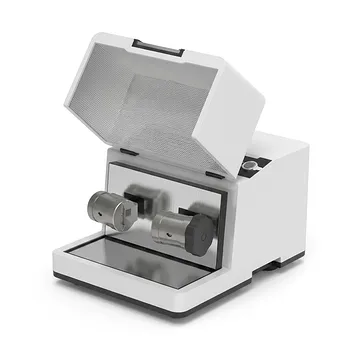
What role does a cryogenic grinder play in the preparation of magnetic nanocomposite microparticle (MNM) gels? Key Guide
Updated 5 months ago
The preparation of magnetic nanocomposite microparticle (MNM) gels relies on cryogenic grinding to transform bulk polymer matrices into uniform, functional microparticles. This specialized equipment utilizes liquid nitrogen to embrittle the cross-linked polymer, allowing for mechanical pulverization into a precise size range of 15–20 μm. By maintaining ultra-low temperatures, the process prevents mechanical heat from degrading sensitive functional monomers and ensures a narrow particle size distribution for optimal performance.
Core Takeaway: A cryogenic grinder is essential for MNM gel preparation because it achieves micro-scale size reduction without thermal damage. This ensures the chemical integrity of heat-sensitive components and maximizes the kinetic efficiency of the resulting material.
Transforming Bulk Polymers into Functional Microparticles
Achieving Precise Particle Size
The primary role of the cryogenic grinder is to reduce bulk, cross-linked polymer matrices into a micro-sized range of 15–20 μm. This size reduction is critical for increasing the surface-area-to-volume ratio of the MNM gels.
The high-energy mechanical impact, supported by liquid nitrogen cooling, allows the grinder to break down tough materials that would otherwise resist standard milling. This results in a powder that is ready for subsequent dispersion or application.
Enhancing Kinetic Efficiency
Cryogenic grinding produces a significantly narrower particle size distribution compared to traditional ambient grinding. This uniformity is vital for the performance of the gel in adsorption processes.
When particle sizes are consistent, the kinetic efficiency of the adsorption process is enhanced. This ensures that the MNM gel behaves predictably and effectively when capturing target molecules.
Thermal Preservation of Sensitive Components
Protecting Labile Monomers
Many MNM gels incorporate heat-sensitive functional monomers, such as curcumin or quercetin, which provide specific chemical properties. Standard grinding generates significant friction-induced heat that can denature or destroy these delicate compounds.
The cryogenic environment effectively suppresses thermal degradation. By operating at temperatures far below the material's glass transition point, the grinder ensures the "active" ingredients remain chemically intact.
Preventing Polymer Melting
Mechanical grinding naturally converts kinetic energy into heat, which can cause polymers to soften, melt, or become "gummy." This often leads to equipment clogging and inconsistent particle morphology.
Liquid nitrogen injection keeps the material below its embrittlement point. This ensures the polymer remains in a brittle state, allowing it to fracture cleanly into fragments rather than deforming or melting.
The Mechanics of Cryogenic Embrittlement
Facilitating Brittle Fracture
At ultra-low temperatures, polymers lose their elasticity and become highly brittle. This state allows physical impact and shear forces to pulverize the material with minimal energy loss to elastic deformation.
This transition to a brittle state is what enables the grinder to achieve ultrafine and uniform dispersion of magnetic nanoparticles within the matrix. It prevents the polymer backbone from breaking or stretching in ways that would compromise the composite's structure.
Maintaining Chemical Integrity
By preventing oxidative degradation and thermal breakdown, cryogenic grinding ensures that the resulting microparticles maintain their original chemical characteristics. This is crucial for researchers who need the laboratory-prepared gel to match the theoretical properties of the polymer.
The process also ensures that the magnetic properties of the nanocomposite are not altered by heat. This maintains the material's responsiveness to external magnetic fields during practical applications.
Understanding the Trade-offs
Operational Complexity and Cost
The use of liquid nitrogen significantly increases the operational cost and complexity of the preparation process. Facilities must have the infrastructure to store and handle cryogenic fluids safely.
Additionally, the process requires specialized laboratory equipment designed to withstand thermal shock and extreme cold. This makes cryogenic grinding a more resource-intensive choice than ambient milling.
Material Specificity
While excellent for cross-linked polymers and heat-sensitive additives, not all materials require cryogenic treatment. For materials that do not exhibit a clear embrittlement point within the liquid nitrogen temperature range, the energy efficiency of the process may decrease.
Over-grinding can also lead to an excessively wide polydisperse distribution if the milling duration is not carefully controlled. This can negatively impact the reproducibility of the MNM gel's performance.
How to Apply This to Your Project
Making the Right Choice for Your Goal
- If your primary focus is preserving heat-sensitive additives: Cryogenic grinding is mandatory to ensure that compounds like curcumin do not lose their functional properties during size reduction.
- If your primary focus is maximizing adsorption speed: Prioritize cryogenic grinding to achieve the narrow 15-20 μm particle size distribution required for high kinetic efficiency.
- If your primary focus is maintaining magnetic responsiveness: Use liquid nitrogen to prevent thermal shifts that could alter the orientation or integrity of the magnetic nanoparticles within the polymer matrix.
By leveraging the unique cooling and pulverization capabilities of a cryogenic grinder, you ensure that your magnetic nanocomposite microparticle gels are both structurally sound and chemically potent.
Summary Table:
| Feature | Role in MNM Gel Preparation | Operational Impact |
|---|---|---|
| Cryogenic Cooling | Utilizes liquid nitrogen to prevent thermal heat | Preserves sensitive monomers like curcumin |
| Embrittlement | Keeps polymers below glass transition point | Enables clean fracture into 15–20 μm particles |
| Size Control | Achieves narrow particle size distribution | Optimizes kinetic efficiency for adsorption |
| Magnetic Integrity | Maintains ultra-low processing temperatures | Protects responsiveness of magnetic nanoparticles |
Precision Solutions for Your Material Science Research
Achieving the perfect 15-20 μm particle size while preserving the chemical integrity of heat-sensitive monomers is critical for successful MNM gel preparation. We provide complete laboratory sample preparation solutions specifically designed for high-stakes material science applications.
Our specialized equipment lineup includes:
- Advanced Grinders & Mills: Liquid nitrogen cryogenic grinders, planetary ball mills, jet mills, and rotor mills for precise size reduction.
- Powder Processing: Jaw/roll crushers, sieve shakers (vibratory/air-jet), and high-efficiency powder or defoaming mixers.
- Compaction Excellence: A full spectrum of hydraulic presses, including Cold/Warm Isostatic Presses (CIP/WIP), standard lab presses, and vacuum hot presses.
Ensure your magnetic nanocomposites perform to their theoretical potential by eliminating thermal degradation and inconsistent morphology. Contact us today to find your ideal processing solution!
References
- Ángela M. Gutiérrez, J. Zach Hilt. The Impact of Solution Ionic Strength, Hardness, and pH on the Sorption Efficiency of Polychlorinated Biphenyls in Magnetic Nanocomposite Microparticle (MNM) Gels. DOI: 10.3390/gels9040344
Mentioned Products
- Small Liquid Nitrogen Cryogenic Grinder for Ultrafine Grinding of Heat-Sensitive Materials in Laboratories
- Laboratory Cryogenic Grinder Liquid Nitrogen Low Temperature Ultrafine Grinding
- Cryogenic Liquid Nitrogen Grinder for DNA Analysis and Polymer Pulverization with Automatic Cooling and Electromagnetic Impact Technology
- Cryogenic Liquid Nitrogen Grinder for Ultrafine Heat-Sensitive Powder Processing
- Liquid Nitrogen Cryogenic Grinder for Plastic and Heat-Sensitive Materials
People Also Ask
- What are the advantages of using liquid nitrogen Cryomilling? Achieve ultra-fine grains and high chemical purity.
- How does liquid nitrogen as a processing medium affect copper powder beyond cooling? Impacts on Purity & Sintering
- What is the function of liquid nitrogen cryogenic grinding in the initial preparation of PHBH polymer powder? Key Roles
- Why is liquid nitrogen cryogenic grinding used for coal and microbial experiments? Preserve Sample Integrity
- Why use liquid nitrogen cryogenic grinding for polymer degradation? Preserve sample integrity & prevent thermal damage

Tech Team · PowderPreparation
Last updated on May 14, 2026
Related Products
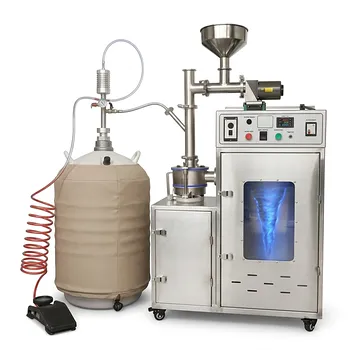
Small Liquid Nitrogen Cryogenic Grinder for Ultrafine Grinding of Heat-Sensitive Materials in Laboratories
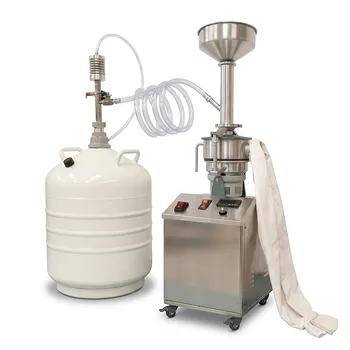
Laboratory Cryogenic Grinder Liquid Nitrogen Low Temperature Ultrafine Grinding
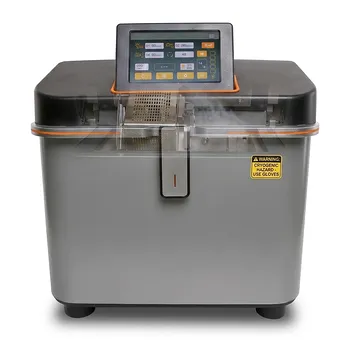
Cryogenic Liquid Nitrogen Grinder for DNA Analysis and Polymer Pulverization with Automatic Cooling and Electromagnetic Impact Technology
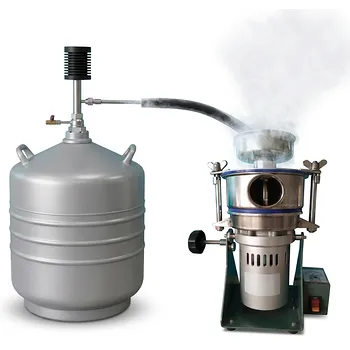
Cryogenic Liquid Nitrogen Grinder for Ultrafine Heat-Sensitive Powder Processing
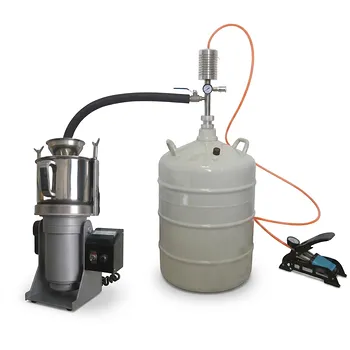
Liquid Nitrogen Cryogenic Grinder for Plastic and Heat-Sensitive Materials
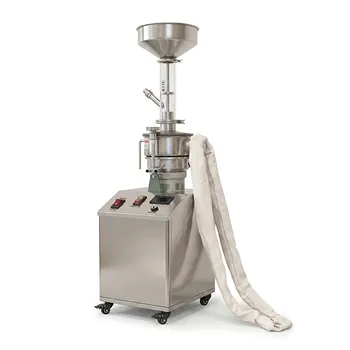
Small Liquid Nitrogen Cryogenic Grinder for Plastic and Heat-Sensitive Material Sample Preparation
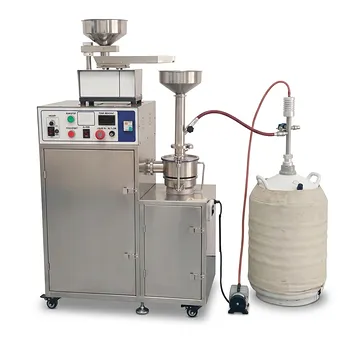
Small Liquid Nitrogen Cryogenic Grinder with Vibratory Feeder for Laboratory Sample Preparation
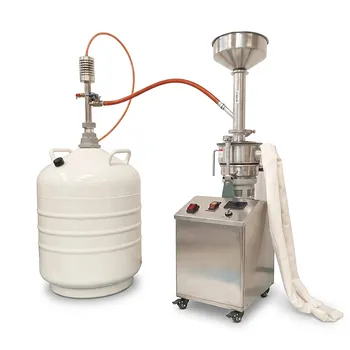
Laboratory Liquid Nitrogen Cryogenic Grinder for Polymer and Elastomer Materials
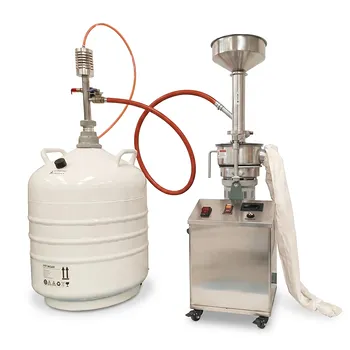
Laboratory Liquid Nitrogen Cryogenic Grinder Polymer Sample Preparation Pulverizer
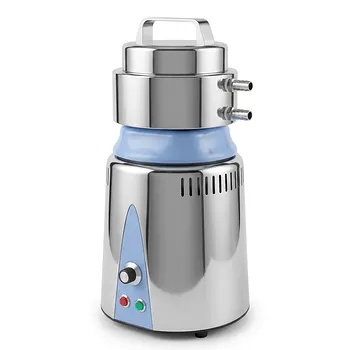
Low Temperature Laboratory Knife Mill Cryogenic Sample Grinder Material Science Powder Processing
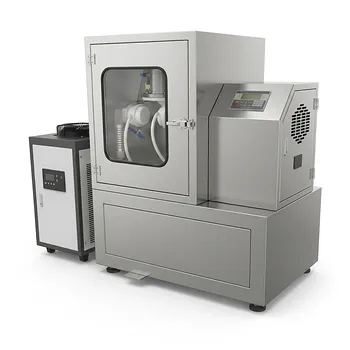
Vibratory Ultra-Low Temperature Ultrafine Grinder for Cryogenic Powder Processing
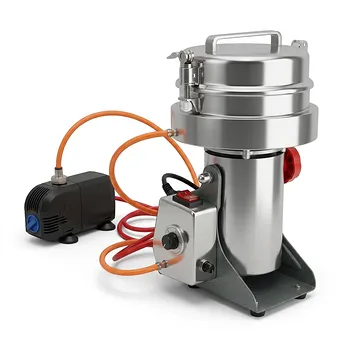
Water Cooled High Speed Grinder with Cryogenic Option for Laboratory Sample Preparation
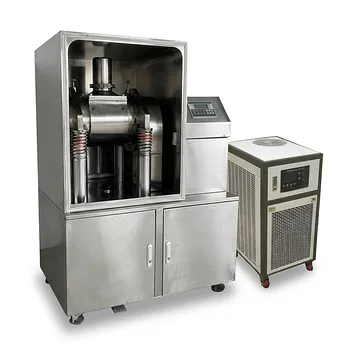
Water Cooled Cryogenic Ultra Fine Cell Wall Breaking Mill
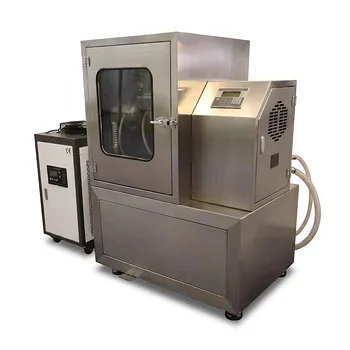
Ultra-Low Temperature Vibratory Mill for Ultrafine Grinding
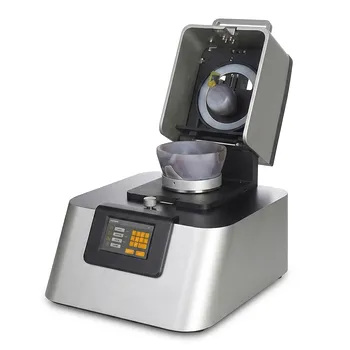
Laboratory Mortar Grinder for Sample Preparation and Cryogenic Powder Homogenization
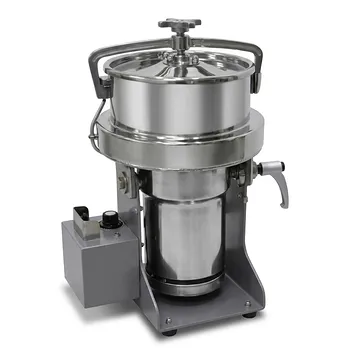
500g Capacity Water Cooled Low Temperature Grinder with Variable Speed and Safety Cover
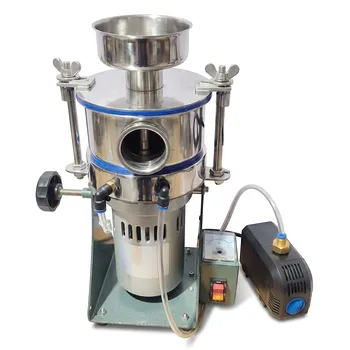
Water Cooled Airflow Ultra Fine Grinder for Low Temperature Material Processing
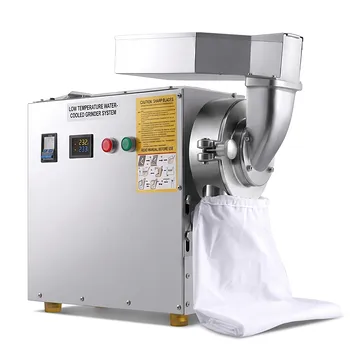
Low Temperature Water Cooled Continuous Feed Grinder Two Stage Coarse and Fine Grinding System
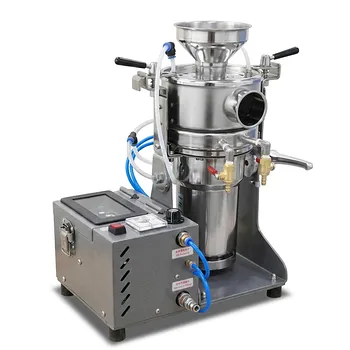
Water Cooled Pulse Jet Ultrafine Grinder