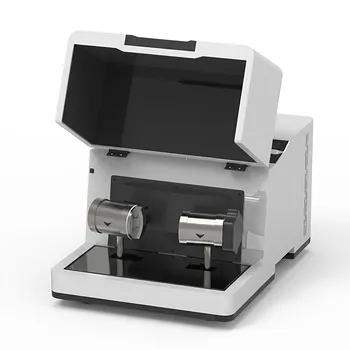
Why is a liquid nitrogen cryogenic grinder necessary for plastic pre-processing? Achieve Precise Co-Pyrolysis Results
Updated 5 months ago
Liquid nitrogen cryogenic grinding is essential because it transforms tough, viscoelastic plastics into brittle solids, allowing them to be pulverized into fine powders without thermal degradation. These materials—specifically PLA, PHBH, and HDPE—otherwise melt or deform due to frictional heat during standard grinding, which compromises their chemical integrity and prevents the achievement of the uniform particle size required for accurate co-pyrolysis analysis.
By inducing a state of cold brittleness at ultra-low temperatures (often as low as 77 K), cryogenic grinding ensures that polymers remain chemically stable and physically consistent for research. This process is the only way to achieve the high specific surface area and structural uniformity necessary for high-fidelity thermochemical reactions.
Overcoming the Viscoelastic Barrier
Inducing Cold Brittleness
Most polymers, including PLA and HDPE, possess viscoelastic properties that make them resilient and flexible at room temperature. A cryogenic grinder uses liquid nitrogen to cool these materials below their glass transition temperature ($T_g$), inducing a state of cold brittleness.
Efficient Pulverization
In this brittle state, the plastics lose their ability to absorb impact through elastic deformation. This allows high-energy ball milling forces to efficiently fracture the material into fine powders rather than simply flattening or stretching the particles.
Preventing Frictional Melting
Standard mechanical grinding generates significant frictional heat, which causes heat-sensitive plastics like PLA to soften, melt, or "sinter." Liquid nitrogen continuously absorbs this heat, preventing the material from clogging the equipment or turning into a fused mass.
Enhancing Material Properties for Co-Pyrolysis
Increasing Specific Surface Area
Co-pyrolysis research requires high reactivity, which is directly tied to the specific surface area and porosity of the raw material. Cryogenic grinding produces micron-scale powders (often below 100 microns) that maximize the contact area between different plastic components and catalysts.
Ensuring Chemical Homogeneity
To study the interactions between different polymers, the raw materials must be thoroughly homogenized. Cryogenic grinding produces uniform particle distributions that allow for consistent pre-mixing, ensuring that the results of the co-pyrolysis are representative of the entire sample.
Maintaining Thermal Stability
Because the process avoids heat generation, the thermal stability and crystalline structure of the polymer are preserved. This ensures that the subsequent pyrolysis data reflects the original properties of the raw plastic rather than changes induced during pre-processing.
Protecting Chemical and Structural Integrity
Stabilizing Molecular Radicals
For advanced analysis like Electron Paramagnetic Resonance (ESR) spectroscopy, it is critical to inhibit the quenching of mechanical radicals. Maintaining temperatures near 77 K prevents secondary reactions and stabilizes initial radical species generated by polymer backbone cleavage during grinding.
Preventing Premature Degradation
Heat-sensitive bioplastics like PHBH and PLA can undergo solid-phase hydrolysis or thermal degradation if exposed to even moderate heat. Cryogenic grinding locks the chemical structure in place, ensuring that the additive extraction and chemical composition analysis remain accurate.
Eliminating Powder Agglomeration
At room temperature, plastic powders often stick together due to static or partial melting. The ultra-low temperature environment prevents powder agglomeration, resulting in a free-flowing material that is easy to handle and measure for precise experimental dosing.
Understanding the Trade-offs
High Operational Costs
The primary disadvantage of this method is the continuous consumption of liquid nitrogen, which can significantly increase the cost per sample. Researchers must balance the need for high-quality powder with the budgetary constraints of large-scale testing.
Equipment and Safety Requirements
Cryogenic grinders require specialized hardware capable of withstanding extreme thermal contraction and high-pressure gas venting. Additionally, operators must follow strict safety protocols to prevent cryogenic burns and oxygen displacement in the laboratory environment.
Processing Throughput
While highly effective, the process can be slower than traditional grinding due to the necessary pre-cooling phases. Achieving the required embrittlement point takes time, which may limit the number of samples processed in a single session.
How to Apply This to Your Project
Recommendations Based on Research Goals
- If your primary focus is Kinetic Analysis: Use cryogenic grinding to achieve the smallest possible particle size to eliminate heat and mass transfer limitations during pyrolysis.
- If your primary focus is Radical Identification: Ensure the sample is maintained at 77 K throughout the entire grinding and transfer process to prevent the loss of short-lived mechanical radicals.
- If your primary focus is Product Yield (Oil/Gas): Prioritize cryogenic grinding to ensure a uniform blend of different plastics, which is critical for observing synergistic effects between polymers.
By utilizing liquid nitrogen to bypass the inherent toughness of polymers, researchers can ensure their co-pyrolysis data is built on a foundation of stable, uniform, and chemically pristine raw materials.
Summary Table:
| Feature | Standard Grinding | Cryogenic Grinding (77K) |
|---|---|---|
| Material State | Viscoelastic (Tough/Flexible) | Cold Brittle (Glassy) |
| Thermal Impact | Frictional heat causes melting | Heat absorbed by liquid nitrogen |
| Particle Size | Coarse, irregular, or fused | Fine, uniform micron-scale powder |
| Chemical Integrity | Potential thermal degradation | Preserves molecular & radical structure |
| Sample Flow | Sticky, tends to agglomerate | Free-flowing, easy to dose |
Elevate Your Material Research with Precision Sample Prep
At SY-Lab, we provide complete laboratory sample preparation solutions for material science, specializing in high-performance powder processing and compaction equipment. Whether you are analyzing biodegradable polymers or high-density plastics, our equipment ensures the chemical and structural integrity of your samples.
Our extensive product lines include:
- Grinding & Milling: Liquid nitrogen cryogenic grinders, planetary ball mills, jet mills, and jaw/roll crushers.
- Sieving & Mixing: Vibratory/air-jet sieve shakers and high-efficiency powder/defoaming mixers.
- Compaction Solutions: A full spectrum of hydraulic presses, including Cold/Warm Isostatic Presses (CIP/WIP), XRF pellet presses, and vacuum hot presses.
Don't let sample degradation compromise your research data. Contact us today to discuss your specific application and find the ideal equipment solution for your laboratory.
References
- Wakana Adachi, Toshiaki Yoshioka. Selective recovery of pyrolyzates of biodegradable (PLA, PHBH) and common plastics (HDPE, PP, PS) during co-pyrolysis under slow heating. DOI: 10.1038/s41598-024-67330-0
Mentioned Products
- Liquid Nitrogen Cryogenic Grinder for Plastic and Heat-Sensitive Materials
- Small Liquid Nitrogen Cryogenic Grinder for Ultrafine Grinding of Heat-Sensitive Materials in Laboratories
- Cryogenic Liquid Nitrogen Grinder for DNA Analysis and Polymer Pulverization with Automatic Cooling and Electromagnetic Impact Technology
- Small Liquid Nitrogen Cryogenic Grinder with Vibratory Feeder for Laboratory Sample Preparation
- Cryogenic Liquid Nitrogen Grinder for Ultrafine Heat-Sensitive Powder Processing
People Also Ask
- Why is a liquid nitrogen cryogenic grinder required before DSC? Ensure Accurate Thermal Analysis & Sample Integrity.
- What role does liquid nitrogen cryogenic grinding play in the modification of CNTs? Optimize Nanomaterial Processing
- Why is a laboratory-grade liquid nitrogen cryogenic grinder essential for processing drug-loaded polymer nanofiber mats?
- What is the role of a liquid nitrogen cryogenic grinder in drug-polymer mixing? Achieve Superior Sample Homogeneity
- What is the role of a liquid nitrogen cryogenic grinder in biomass pretreatment? Optimize Your Activated Carbon Quality

Tech Team · PowderPreparation
Last updated on May 14, 2026
Related Products
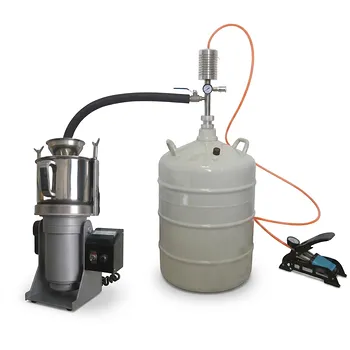
Liquid Nitrogen Cryogenic Grinder for Plastic and Heat-Sensitive Materials
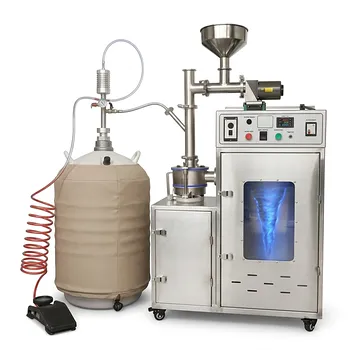
Small Liquid Nitrogen Cryogenic Grinder for Ultrafine Grinding of Heat-Sensitive Materials in Laboratories
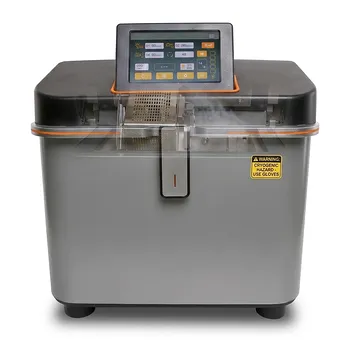
Cryogenic Liquid Nitrogen Grinder for DNA Analysis and Polymer Pulverization with Automatic Cooling and Electromagnetic Impact Technology
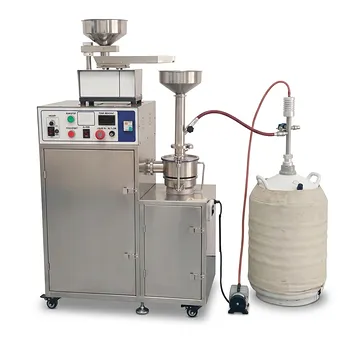
Small Liquid Nitrogen Cryogenic Grinder with Vibratory Feeder for Laboratory Sample Preparation
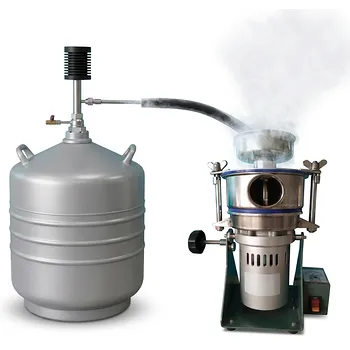
Cryogenic Liquid Nitrogen Grinder for Ultrafine Heat-Sensitive Powder Processing
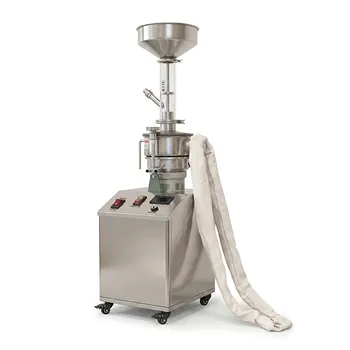
Small Liquid Nitrogen Cryogenic Grinder for Plastic and Heat-Sensitive Material Sample Preparation
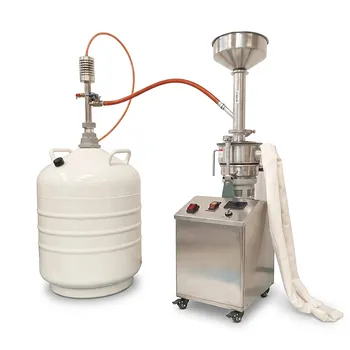
Laboratory Liquid Nitrogen Cryogenic Grinder for Polymer and Elastomer Materials
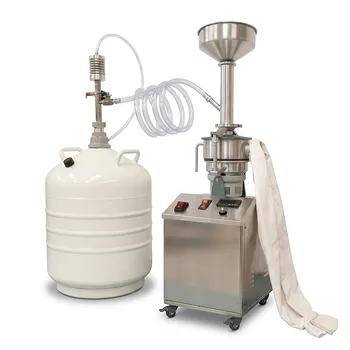
Laboratory Cryogenic Grinder Liquid Nitrogen Low Temperature Ultrafine Grinding
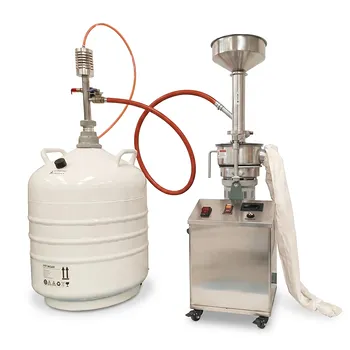
Laboratory Liquid Nitrogen Cryogenic Grinder Polymer Sample Preparation Pulverizer
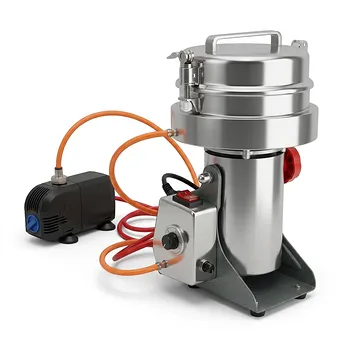
Water Cooled High Speed Grinder with Cryogenic Option for Laboratory Sample Preparation
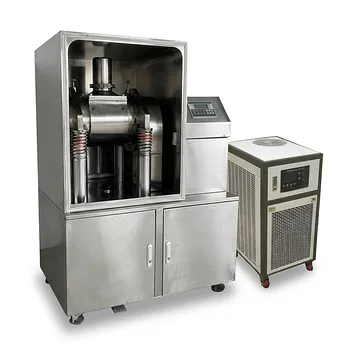
Water Cooled Cryogenic Ultra Fine Cell Wall Breaking Mill
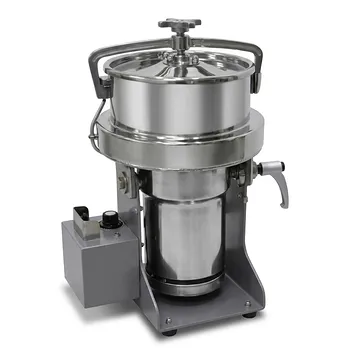
500g Capacity Water Cooled Low Temperature Grinder with Variable Speed and Safety Cover
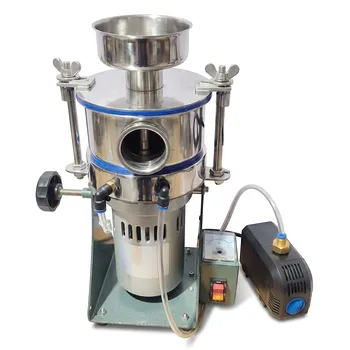
Water Cooled Airflow Ultra Fine Grinder for Low Temperature Material Processing
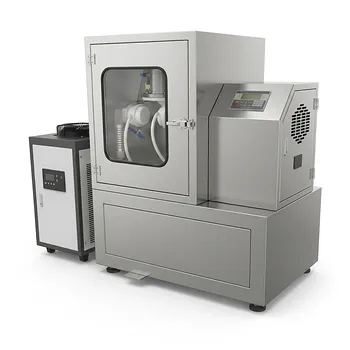
Vibratory Ultra-Low Temperature Ultrafine Grinder for Cryogenic Powder Processing
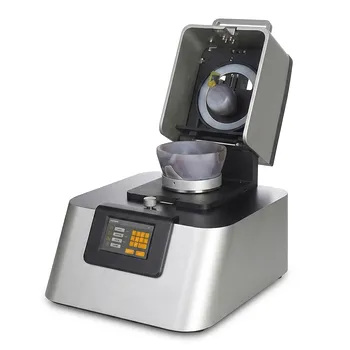
Laboratory Mortar Grinder for Sample Preparation and Cryogenic Powder Homogenization
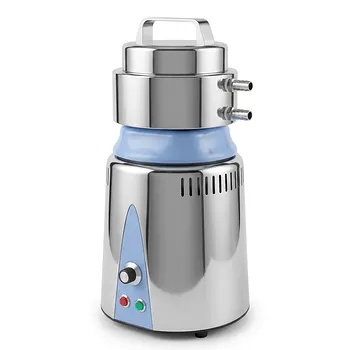
Low Temperature Laboratory Knife Mill Cryogenic Sample Grinder Material Science Powder Processing
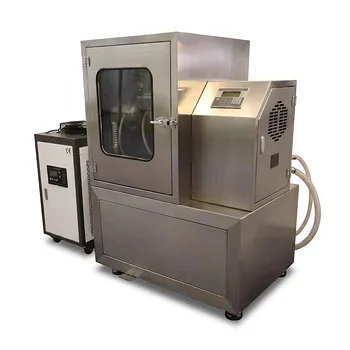
Ultra-Low Temperature Vibratory Mill for Ultrafine Grinding
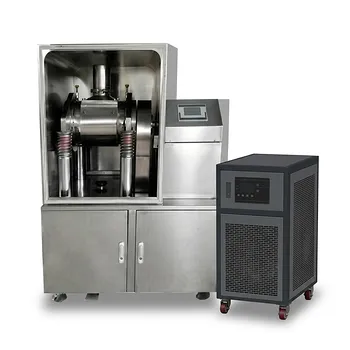
Ultra-low Temperature Vibratory Mill Ultrafine Grinder
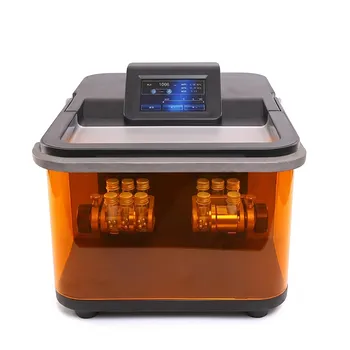
High Throughput Micro Ball Mill for Cryogenic Grinding and Laboratory Cell Disruption