What role do standard test sieves play in the preparation of aggregates for high-strength concrete? Optimize Matrix Density
Updated 5 months ago
Standard test sieves are the primary tools for mechanical grading and particle size distribution analysis of aggregates. They physically separate raw materials like river sand and crushed stone into specific size fractions, most notably establishing the 4.75mm threshold that distinguishes fine aggregates from coarse aggregates. This precise physical screening ensures a controlled distribution that optimizes packing density, providing the essential structural foundation required for high-strength concrete formulations.
The core role of standard test sieves is to provide the empirical data needed to engineer an aggregate matrix with maximum density and minimal porosity. By strictly controlling particle size distribution, these tools allow technicians to minimize internal voids and optimize cement efficiency, directly impacting the final compressive strength of the concrete.
The Mechanics of Aggregate Classification
Defining Fine vs. Coarse Materials
Standard test sieves act as the definitive boundary for material classification in concrete design. Aggregates that pass through a 4.75mm sieve opening are classified as fine aggregates, while those retained are categorized as coarse. This separation is the first step in ensuring the raw materials meet the specific experimental design requirements for high-performance mixes.
Quantifying Particle Size Distribution
By arranging sieves with various aperture sizes in descending order, laboratory technicians perform a sieve analysis or grading test. This process mechanically decomposes complex samples into discrete particle size components. This allows for the quantitative measurement of the weight percentage of each group, ensuring the material aligns with the intended gradation curve.
Maintaining Standard Compliance
Standard test sieves ensure that aggregates meet rigorous international construction standards such as ASTM, BS, or IQS. Using precise mesh sizes (e.g., up to 20mm for coarse aggregates) ensures that the fineness modulus remains consistent. This consistency is critical for maintaining quality control across different batches of high-strength concrete.
Optimizing the Concrete Matrix
Enhancing Packing Density
The primary goal in high-strength concrete is to create the tightest possible packing of particles. Precise grading ensures that smaller particles effectively fill the internal voids between larger stones. This reduction in the void ratio creates a denser matrix, which is a fundamental requirement for increasing compressive strength.
Reducing Porosity and Cement Demand
When aggregates are graded correctly using test sieves, the volume of space between particles is minimized. This reduces the amount of cement paste required to coat the aggregates and fill the gaps. By optimizing the aggregate skeleton, engineers can reduce porosity and improve the overall durability of the finished structure.
Improving Workability and Performance
Sieve analysis allows for the control of the maximum particle size, typically capped at 20mm for many high-performance applications. Proper gradation, verified by sieving, ensures the concrete remains workable during placement despite having a high solid content. This balance between density and flow is essential for achieving a defect-free high-strength result.
Understanding Technical Trade-offs
The Risk of Sieve Overloading
If too much material is placed on a sieve at once, particles can become trapped or "blind" the mesh. This leads to inaccurate grading results where smaller particles stay on top of the mesh instead of passing through. To avoid this, technicians must strictly follow sample mass limits based on the sieve's surface area.
Mechanical vs. Manual Vibration
While manual sieving is possible, it often lacks the consistency required for high-strength concrete preparation. Using a vibratory sieve shaker provides a standardized motion that ensures all particles have multiple opportunities to pass through the apertures. This reduces human error and ensures the reproducibility of the grading data.
Strategic Implementation of Sieve Analysis
How to Apply This to Your Project
To ensure your aggregate preparation supports high-strength concrete goals, consider these targeted recommendations:
- If your primary focus is Maximum Compressive Strength: Prioritize a continuous grading curve that utilizes a full range of sieve sizes to minimize the void ratio and maximize particle-to-particle contact.
- If your primary focus is Mix Workability: Use sieve analysis to strictly limit the "oversize" and "undersize" fractions, ensuring the fineness modulus stays within a narrow range to prevent segregation.
- If your primary focus is Regulatory Compliance: Ensure all test sieves are calibrated and certified to BS or ASTM standards to provide a verifiable audit trail for material quality.
By treating the sieve analysis as a foundational engineering step rather than a routine check, you ensure the aggregate skeleton is capable of supporting the immense loads required of high-strength concrete.
Summary Table:
| Feature | Role in Aggregate Preparation | Impact on Concrete Quality |
|---|---|---|
| Classification | Separates fine (<4.75mm) from coarse aggregates | Ensures structural foundation and mix design accuracy |
| Grading Analysis | Quantifies particle size distribution (PSD) | Optimizes packing density and reduces internal voids |
| Standard Compliance | Meets ASTM, BS, or IQS international standards | Guarantees consistent quality across different batches |
| Porosity Control | Minimizes space between particles | Reduces cement demand and increases compressive strength |
| Workability | Limits maximum particle size (e.g., 20mm) | Ensures easier placement while maintaining high density |
Elevate Your Material Analysis Precision
Achieve uncompromising accuracy in your aggregate grading with our professional-grade laboratory solutions. We provide complete laboratory sample preparation solutions tailored for material science, specializing in high-performance powder processing and compaction equipment.
Our extensive product line includes:
- Sieving Excellence: Vibratory and air-jet sieve shakers with a full range of precision test sieves and meshes.
- Size Reduction: Advanced jaw/roll crushers, liquid nitrogen cryogenic grinders, and various mills (planetary ball, jet, and disc).
- Mixing & Compaction: High-efficiency powder mixers and a full spectrum of hydraulic presses, including Cold/Warm Isostatic Presses (CIP/WIP), hot presses, and vacuum hot presses.
Whether you are a laboratory researcher or a distributor seeking reliable OEM/ODM support and high profit margins, we deliver the durability and technical excellence your projects demand.
Contact us today to optimize your lab’s efficiency and performance!
References
- Priyanka Sinha. A Comparative Study between Special Concrete and Conventional Cement Concrete in Bridges and Precast Structures. DOI: 10.22214/ijraset.2024.62036
Mentioned Products
- Laboratory Vibratory Test Sieve Shaker for Precision Particle Size Analysis and Powder Grading
- Stainless Steel Laboratory Vibratory Test Sieve Shaker
- Small Laboratory Vibrating Sieve Shaker for Precise Particle Size Analysis
- 三维电磁微量振动筛分仪
- Small Laboratory Vibratory Sieve Shaker for Powder Gradation and Particle Size Analysis
People Also Ask
- What role does a laboratory sieve shaker play in determining PDI? Achieve Precision in Biomass Quality Testing
- What are the functions of sieve shakers for coconut shell powder? Achieve Precise Particle Size & Quality Control.
- What function does a laboratory sieve shaker perform in the PSD analysis of residual soil? Ensure Precise Grading
- What is the role of a laboratory sieve shaker in the preparation of plantain peel adsorbents? Standardize Particle Size
- What is the function of a laboratory vibratory sieve shaker? Enhance Coal Particle Size Distribution (PSD) Analysis

Tech Team · PowderPreparation
Last updated on May 14, 2026
Related Products
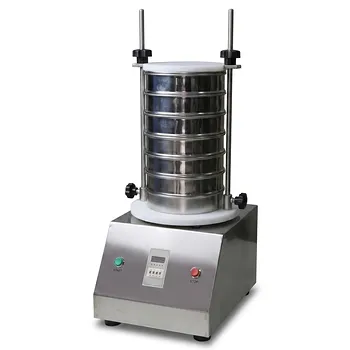
Laboratory Vibratory Test Sieve Shaker for Precision Particle Size Analysis and Powder Grading
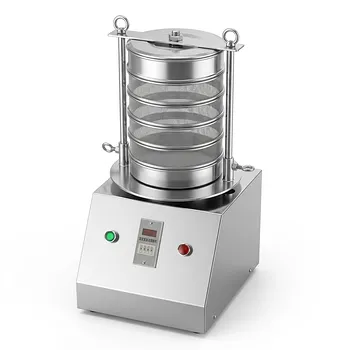
Stainless Steel Laboratory Vibratory Test Sieve Shaker
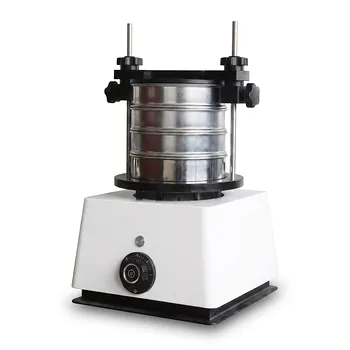
Small Laboratory Vibrating Sieve Shaker for Precise Particle Size Analysis
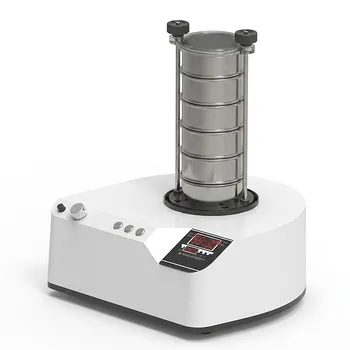
三维电磁微量振动筛分仪
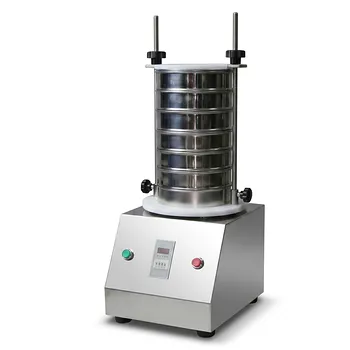
Small Laboratory Vibratory Sieve Shaker for Powder Gradation and Particle Size Analysis
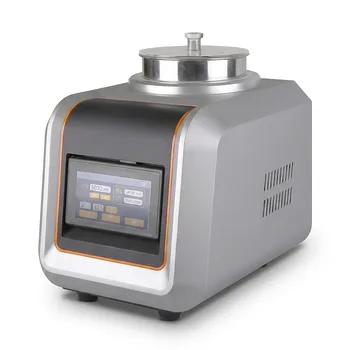
Laboratory Air Jet Sieving Machine for Fine Powder Particle Size Analysis and Deagglomeration
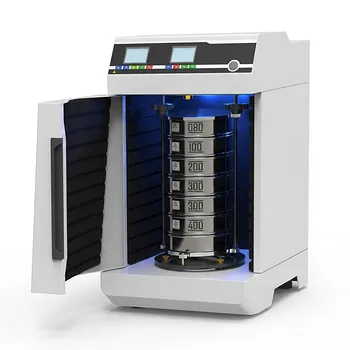
Laboratory Dry and Wet Three Dimensional Vibratory Sieve Shaker for Particle Analysis
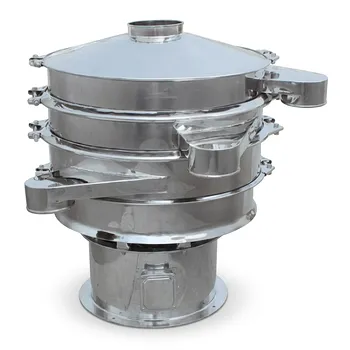
Stainless Steel Rotary Vibrating Sieve High Precision Circular Vibratory Separator Industrial Powder Grading Machine Multi Layer Sifting Equipment
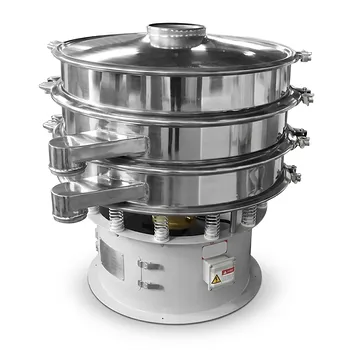
Three Dimensional Rotary Vibrating Sieve
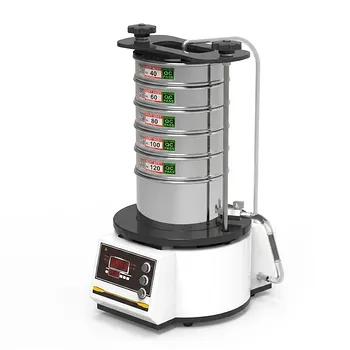
High Frequency Wet Three-Dimensional Vibrating Sieve Shaker for Dry and Wet Particle Size Analysis
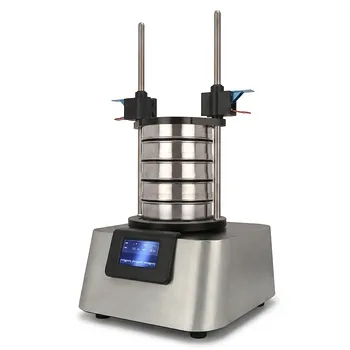
Vibratory Sieve Shaker Electromagnetic 3D Motion Powder Particle Size Analyzer for Dry and Wet Sieving
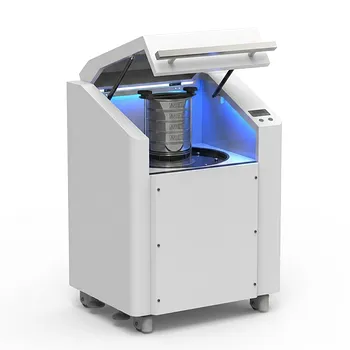
High Frequency Cabinet Type Three-Dimensional Rotary Vibrating Sieve Shaker for Dry Sieving and Particle Classification
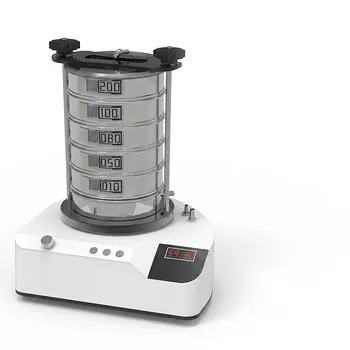
Heavy Duty Dry Three Dimensional Vibratory Sieve Shaker for Particle Separation
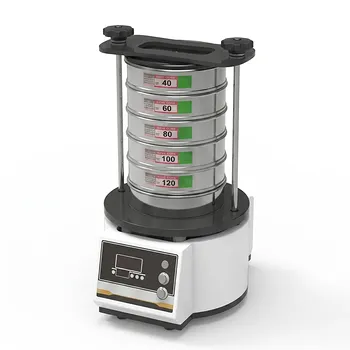
Dry Three Dimensional Vibratory Sieve Shaker
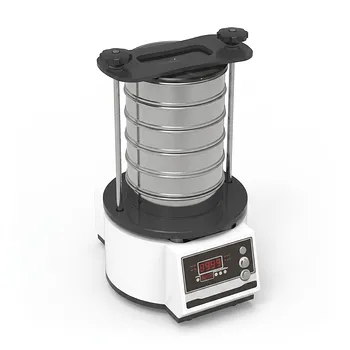
Tapping Oscillating Sieve Shaker for Dry and Wet Particle Size Analysis
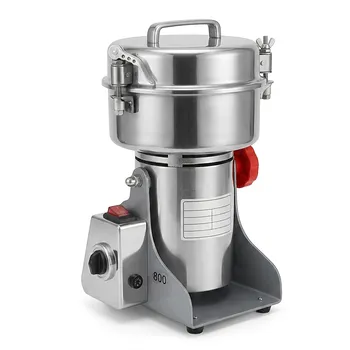
Small High-Speed Laboratory Grinder for Rapid Sample Preparation
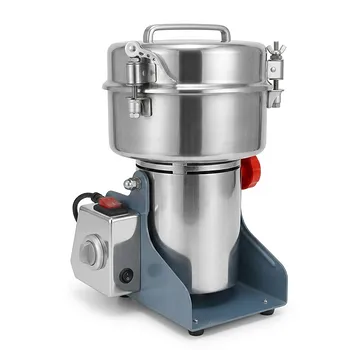
Small High-Speed Grinder for Efficient Laboratory Sample Preparation
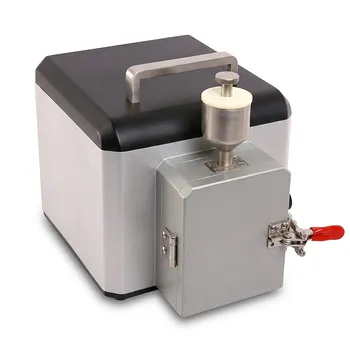
Portable Cutting Mill for Laboratory Sample Preparation and RoHS WEEE Compliance Testing
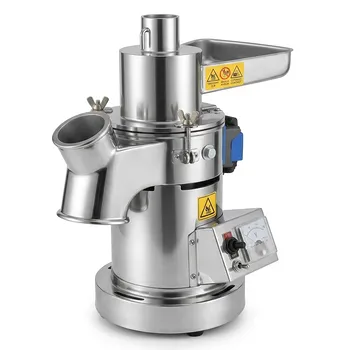
Continuous Feeding Grinder High Efficiency Pulverizer for Lab Sample Preparation