What is the significance of using standard test sieves during the aggregate preparation phase for sandcrete blocks? Guide
Updated 5 months ago
Standard test sieves are the fundamental tools used to ensure aggregate uniformity and structural integrity during the preparation of sandcrete blocks. By utilizing sieves with specific apertures—typically 5mm or 4.75mm—manufacturers can rigorously screen fine aggregates to remove oversized particles and impurities. This process establishes a continuous grading profile that prevents internal stress concentrations and guarantees the final compressive strength of the masonry unit.
The use of standard test sieves transforms raw sand into a controlled engineering material by optimizing particle size distribution. This precision minimizes void ratios and ensures that the cement paste effectively binds the aggregate into a dense, high-strength matrix.
Eliminating Structural Weakness and Impurities
Removal of Oversized Particles
The primary role of a 5mm or 4.75mm aperture sieve is to act as a physical gatekeeper for fine aggregates. By removing stones, debris, and oversized grains, the sieve ensures that only material capable of forming a homogenous mix enters the production phase.
Prevention of Stress Concentration
Large, ungraded particles within a sandcrete block create localized stress concentration areas. These areas become the "weak links" where cracks originate under load, significantly reducing the block’s ability to withstand compressive forces.
Ensuring Material Purity
Sieving is a critical step in removing organic matter, clay lumps, or other impurities that might be present in raw river sand. Eliminating these contaminants is essential because they interfere with the chemical bond between the cement and the aggregate.
Optimizing Packing Density and Gradation
Achieving Continuous Aggregate Grading
Standard test sieves allow for continuous grading, which is a distribution of particle sizes that fit together efficiently. When small particles fill the gaps between larger ones, the resulting structure is much more stable and robust.
Minimizing Void Ratios
A well-graded aggregate mix achieved through precise sieving results in a lower void ratio. Reducing the empty spaces between particles means less cement paste is required to fill those gaps, which improves the density and impermeability of the block.
Enhancing Compressive Strength
The density achieved through proper grading is directly proportional to the final compressive strength. By optimizing the packing density, sieving provides the physical foundation necessary for high-strength formulations and high-performance concrete.
Ensuring Regulatory Compliance and Consistency
Adherence to Engineering Standards
Using standardized sieves ensures that the aggregate meets international specifications such as ASTM, BS, or IS 383. Compliance with these standards is often a legal or contractual requirement for large-scale construction projects and quality assurance.
Calculating the Fineness Modulus
Sieve analysis allows technicians to determine the fineness modulus, an index that indicates the relative coarseness or fineness of the sand. This data is vital for maintaining a consistent mix design across different batches of raw material.
Scientific Grading of the Mix
By arranging sieves in a descending order of aperture size, laboratories can create a grading curve. This scientific approach allows for the precise adjustment of the mix to meet specific design requirements for durability and load-bearing capacity.
Understanding the Trade-offs
Time and Labor Intensity
Rigorous sieve analysis adds a pre-processing step that can increase the time and labor required for aggregate preparation. In high-volume environments, this requires a balanced approach between manual sampling and automated screening systems.
Sieve Wear and Calibration
The accuracy of the grading is entirely dependent on the integrity of the mesh. Over time, sieves can become blinded (clogged) or the apertures can stretch, necessitating regular calibration and replacement to avoid skewed data.
Cost of Waste Material
Strict screening can result in a significant amount of rejected material if the raw source is poorly graded. While this ensures quality, it may increase the unit cost of the blocks if the oversized particles cannot be repurposed or crushed.
How to Apply This to Your Project
Recommendations for Implementation
- If your primary focus is Maximum Load-Bearing Capacity: Utilize a full nest of sieves to ensure a perfectly continuous grading curve, minimizing voids to the absolute limit.
- If your primary focus is Regulatory Compliance: Ensure all sieves are calibrated to BS or ASTM standards and maintain documented sieve analysis reports for every aggregate delivery.
- If your primary focus is Production Efficiency: Implement a "go/no-go" screening process using a single 5mm industrial sieve to quickly remove oversized debris without a full laboratory analysis.
Consistent application of standard test sieves is the most effective way to guarantee that every sandcrete block produced meets the necessary safety and performance benchmarks.
Summary Table:
| Key Function | Impact on Sandcrete Block | Technical Objective |
|---|---|---|
| Oversize Removal | Prevents structural weak points | 4.75mm/5mm aperture control |
| Particle Gradation | Maximizes packing density | Continuous grading curve |
| Impurity Filtering | Improves cement-aggregate bond | Removal of organic matter/clay |
| Data Calculation | Ensures batch consistency | Determining Fineness Modulus |
Elevate Your Material Quality with Precision Laboratory Solutions
At Our Company, we provide complete laboratory sample preparation solutions for material science, ensuring your aggregates and powders meet the highest engineering standards. We specialize in high-performance powder processing and compaction equipment designed for accuracy and durability.
Our extensive product range includes:
- Sieve Shakers: Vibratory and air-jet models with precision test sieves and meshes for perfect gradation.
- Size Reduction: Jaw/roll crushers and an array of mills (planetary ball, jet, sand/bead, disc, rotor) for material refinement.
- Compaction & Pressing: A full spectrum of hydraulic presses, including Cold/Warm Isostatic Presses (CIP/WIP), standard lab presses, and vacuum hot presses.
- Mixing Technology: Advanced powder and defoaming mixers for homogenous material blending.
Whether you are optimizing sandcrete block strength or conducting advanced material research, our equipment provides the consistency you need to succeed.
Ready to enhance your lab’s efficiency and output?
Contact our technical experts today to find your solution!
References
- Michael Nwabueze Anosike, A. A. Oyebade. Sandcrete Blocks and Quality Management in Nigeria Building Industry. DOI: 10.32738/jeppm.201201.0005
Mentioned Products
- Stainless Steel Laboratory Vibratory Test Sieve Shaker
- Laboratory Vibratory Test Sieve Shaker for Precision Particle Size Analysis and Powder Grading
- Small Laboratory Vibrating Sieve Shaker for Precise Particle Size Analysis
- Small Laboratory Vibratory Sieve Shaker for Powder Gradation and Particle Size Analysis
- 三维电磁微量振动筛分仪
People Also Ask
- What function does a laboratory vibratory sieve shaker serve in the production process of metakaolin? Optimize Reactivity
- Why is a precision laboratory vibratory sieve shaker necessary for particle size control? Optimize Biomass Carbonization
- What is the function of a laboratory vibratory sieve shaker? Enhance Coal Particle Size Distribution (PSD) Analysis
- What role do laboratory vibratory sieve shakers and test sieves play before the molding of Nb-Cu composite powders?
- What is the primary function of a laboratory vibratory sieve shaker in the evaluation of sand liquefaction potential?

Tech Team · PowderPreparation
Last updated on May 14, 2026
Related Products
Stainless Steel Laboratory Vibratory Test Sieve Shaker
Laboratory Vibratory Test Sieve Shaker for Precision Particle Size Analysis and Powder Grading
Small Laboratory Vibrating Sieve Shaker for Precise Particle Size Analysis
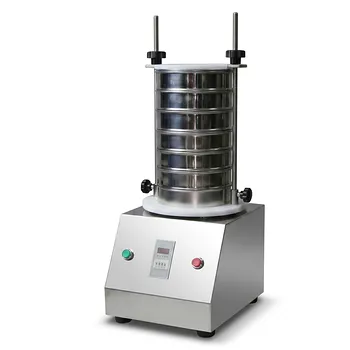
Small Laboratory Vibratory Sieve Shaker for Powder Gradation and Particle Size Analysis
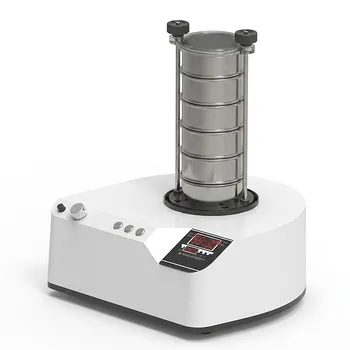
三维电磁微量振动筛分仪
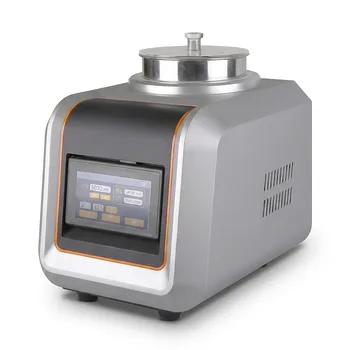
Laboratory Air Jet Sieving Machine for Fine Powder Particle Size Analysis and Deagglomeration
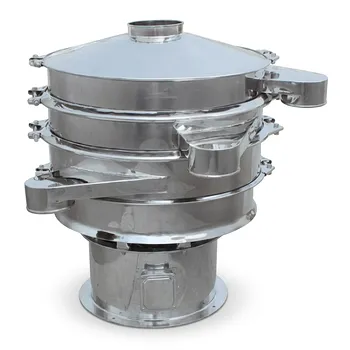
Stainless Steel Rotary Vibrating Sieve High Precision Circular Vibratory Separator Industrial Powder Grading Machine Multi Layer Sifting Equipment
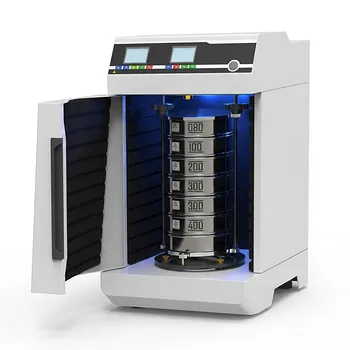
Laboratory Dry and Wet Three Dimensional Vibratory Sieve Shaker for Particle Analysis
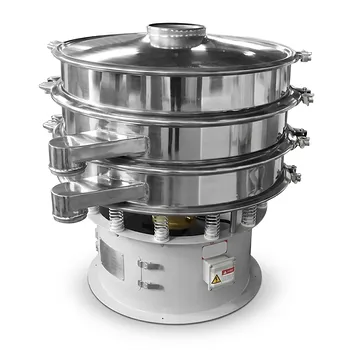
Three Dimensional Rotary Vibrating Sieve
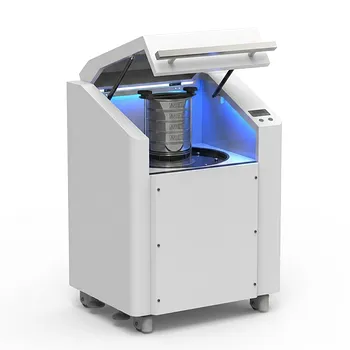
High Frequency Cabinet Type Three-Dimensional Rotary Vibrating Sieve Shaker for Dry Sieving and Particle Classification
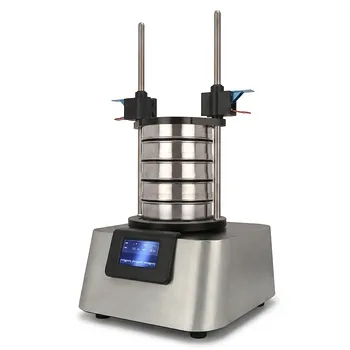
Vibratory Sieve Shaker Electromagnetic 3D Motion Powder Particle Size Analyzer for Dry and Wet Sieving
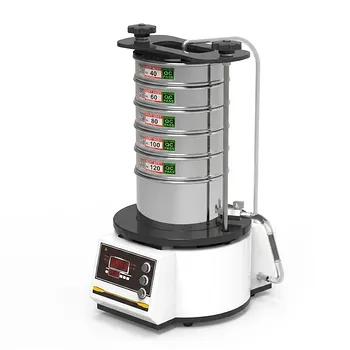
High Frequency Wet Three-Dimensional Vibrating Sieve Shaker for Dry and Wet Particle Size Analysis
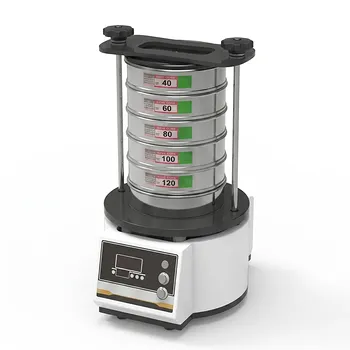
Dry Three Dimensional Vibratory Sieve Shaker
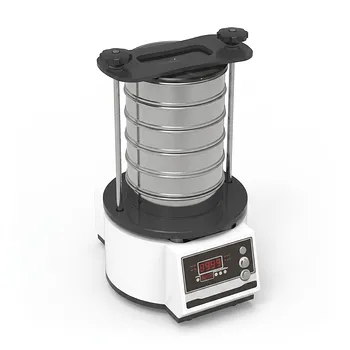
Tapping Oscillating Sieve Shaker for Dry and Wet Particle Size Analysis
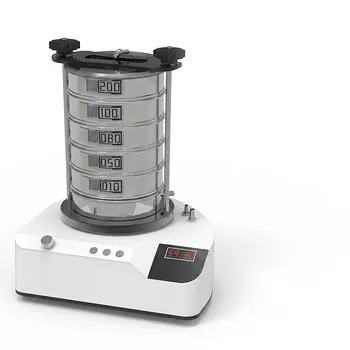
Heavy Duty Dry Three Dimensional Vibratory Sieve Shaker for Particle Separation
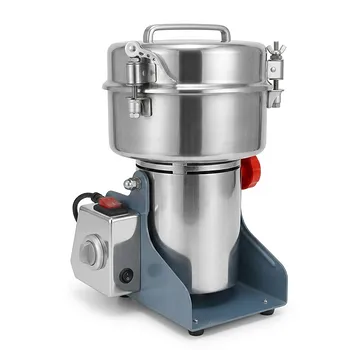
Small High-Speed Grinder for Efficient Laboratory Sample Preparation
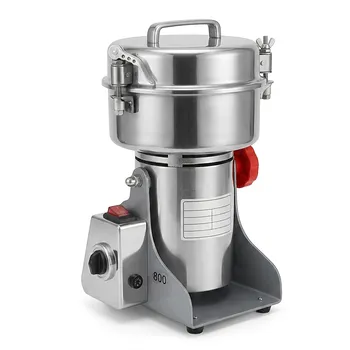
Small High-Speed Laboratory Grinder for Rapid Sample Preparation
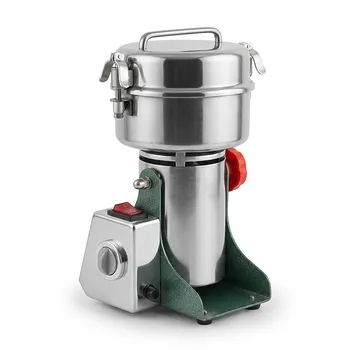
Small High-Speed Swing Grinder for Laboratory Sample Preparation
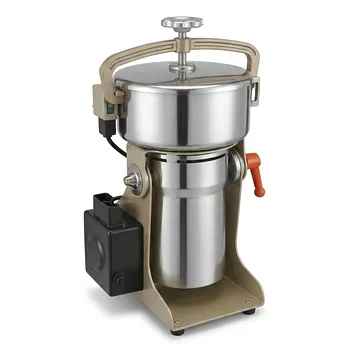
Multifunctional High Efficiency High Speed Laboratory Grinder