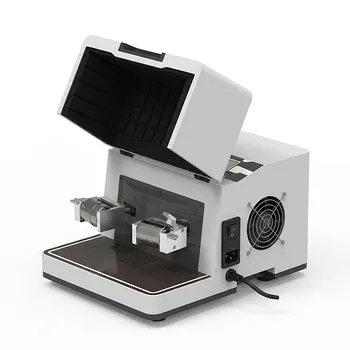
What is the significance of high-precision vibratory sieve machines for SMA? Optimize Aggregate Gradation & Durability
Updated 4 months ago
High-precision vibratory sieve machines are the technical bedrock of Stone Matrix Asphalt (SMA) production. These machines provide the rigorous accuracy required to grade aggregates according to strict technical specifications. This precision is essential for creating the "coarse aggregate interlocking and mastic filling" structure, which directly dictates the rutting resistance and macro-texture of the final pavement.
Core Takeaway: Precise aggregate gradation, achieved through high-frequency mechanical vibration, is the only reliable method to ensure the stone-on-stone skeleton of SMA is formed correctly. Without this accuracy, the mixture cannot achieve the structural strength or specific porosity required for high-traffic environments.
The Role of Precision in SMA Structural Integrity
Establishing the Stone-on-Stone Skeleton
SMA relies on a gap-graded aggregate distribution to create a load-bearing skeleton through direct stone-on-stone contact. High-precision sieving ensures that the mass ratio of different particle sizes is strictly controlled, allowing coarse aggregates to interlock effectively.
Optimizing Mastic Filling and Porosity
Beyond the skeleton, the machine allows for the precise separation of fine aggregates and fillers (down to 0.075mm). This control ensures that the asphalt mastic fills the voids without pushing the coarse stones apart, maintaining a target air void ratio and preventing thermal shrinkage.
Consistency Across Material Types
Vibratory sieves are used to analyze not just fresh stone, but also Reclaimed Asphalt Pavement (RAP) and Construction Waste (CW). This allows engineers to quantify cumulative passing rates accurately, ensuring that even recycled materials meet the required open-graded skeleton standards.
Technical Advantages of Vibratory Mechanization
Superiority Over Manual Methods
Industrial vibratory shakers utilize high-frequency vibration to automate the sieving process, eliminating the human error inherent in manual shaking. This automation provides the consistency needed for repeatable results across different laboratory samples and production batches.
Compliance with Standardized Testing
These machines are designed to work with standard test sieves that meet ASTM E11 standards. This ensures that the aggregate grading curves are legally and technically compliant with international engineering specifications for heavy-duty pavements.
Preparation for Durability Testing
Precise sieving is a prerequisite for secondary tests like the Los Angeles Abrasion test. By accurately isolating specific fractions (such as material passing a 3/4 inch sieve but retained on a 1/2 inch sieve), the vibratory shaker ensures that wear resistance results are comparable and scientifically valid.
Understanding the Trade-offs and Constraints
The Risk of Aggregate Degradation
While high-frequency vibration is efficient, excessive sieving time can cause attrition, where softer aggregates rub together and create "fines" that weren't originally there. This can lead to an inaccurate gradation curve that suggests the material has more dust than it actually does.
Equipment Calibration and Maintenance
The accuracy of a high-precision sieve is dependent on the integrity of the sieve mesh and the calibration of the vibration frequency. Worn or blinded (clogged) meshes will lead to "carry-over," where smaller particles stay in the coarser sieves, potentially ruining the SMA mix design.
Material Moisture Sensitivity
Vibratory sieving is most effective on dry materials; any residual moisture in the aggregate can cause particles to clump or stick to the mesh. This necessitates a thorough drying process before sieving to ensure the precision of the particle size distribution.
How to Apply This to Your Project
Making the Right Choice for Your Goal
- If your primary focus is Lab-Scale Mix Design: Prioritize machines that offer programmable vibration amplitudes to handle delicate aggregate fractions without causing degradation.
- If your primary focus is High-Volume Quality Control: Invest in heavy-duty shakers that can handle large sample masses (up to 19.5mm) while maintaining compliance with ASTM E11 standards.
- If your primary focus is Pavement Longevity in High-Traffic Zones: Use high-precision sieving to strictly monitor the No. 10 and No. 200 sieves, as these fractions are critical for the impact resistance of the asphalt mastic.
Precise gradation control through vibratory sieving transforms raw stone into a high-performance structural component capable of withstanding extreme traffic loads.
Summary Table:
| Key Feature | Impact on SMA Quality | Technical Advantage |
|---|---|---|
| Interlock Control | Establishes stone-on-stone skeleton | Ensures load-bearing rut resistance |
| Fine Separation | Precise mastic & air void filling | Prevents thermal shrinkage & cracking |
| High-Frequency Vibration | Eliminates manual error | Consistent, repeatable aggregate curves |
| Standard Compliance | Meets ASTM E11 requirements | Ensures legal and engineering validity |
| Material Versatility | Accurate RAP/CW analysis | Facilitates sustainable recycled mix design |
Elevate Your Material Analysis with Precision Equipment
Achieving the perfect Stone Matrix Asphalt (SMA) mix requires more than just high-quality stone—it requires the right laboratory tools. At our facility, we provide complete laboratory sample preparation solutions for material science, specializing in advanced powder processing and compaction equipment.
Whether you need to isolate specific aggregate fractions or prepare complex mixtures, our extensive lines have you covered:
- Sieve Shakers: High-precision vibratory and air-jet shakers with various test sieves and meshes.
- Crushing & Milling: Jaw/roll crushers, planetary ball mills, jet mills, and liquid nitrogen cryogenic grinders.
- Mixing Solutions: Powder mixers and high-efficiency defoaming mixers.
- Hydraulic Presses: A full spectrum including Cold/Warm Isostatic Presses (CIP/WIP), XRF pellet presses, and vacuum hot presses.
Ensure your projects meet the most rigorous structural standards. Contact our technical experts today to find the ideal equipment for your laboratory needs!
References
- Goh Hong Chee, P.J. Ramadhansyah. The Influence of Eggshell Powder as Additive on the Physical and Mechanical Properties of Stone Mastic Asphalt. DOI: 10.15282/construction.v2i1.7409
Mentioned Products
- Stainless Steel Rotary Vibrating Sieve High Precision Circular Vibratory Separator Industrial Powder Grading Machine Multi Layer Sifting Equipment
- High Frequency Cabinet Type Three-Dimensional Rotary Vibrating Sieve Shaker for Dry Sieving and Particle Classification
- High Frequency Wet Three-Dimensional Vibrating Sieve Shaker for Dry and Wet Particle Size Analysis
- Laboratory Dry and Wet Three Dimensional Vibratory Sieve Shaker for Particle Analysis
- Laboratory Vibratory Test Sieve Shaker for Precision Particle Size Analysis and Powder Grading
People Also Ask
- What is the role of a laboratory-grade high-precision sieve in CPC-PCL? Ensure uniform powder distribution and stability.
- Why is high-precision sieving equipment necessary for aviation-grade composites? Optimize Fiber Strength & Consistency
- What is the function of high-precision vibratory sieve shakers in the analysis of brown rice particle size distribution?
- Why is a high-precision vibratory sieve shaker necessary for wood-polystyrene particles? Maximize composite strength.
- Why are high-precision vibratory sieve shakers utilized during the grading process of RMP? Enhance Grading Accuracy

Tech Team · PowderPreparation
Last updated on Jun 03, 2026
Related Products
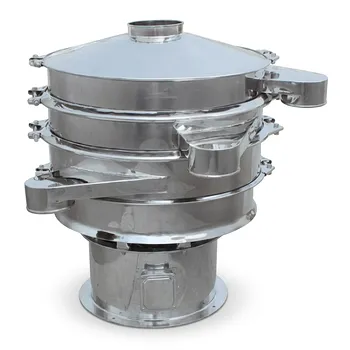
Stainless Steel Rotary Vibrating Sieve High Precision Circular Vibratory Separator Industrial Powder Grading Machine Multi Layer Sifting Equipment
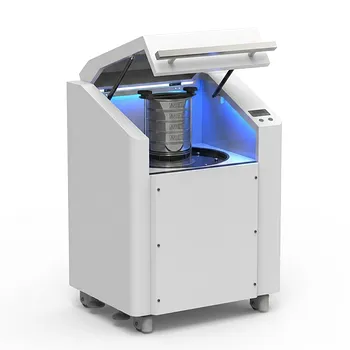
High Frequency Cabinet Type Three-Dimensional Rotary Vibrating Sieve Shaker for Dry Sieving and Particle Classification
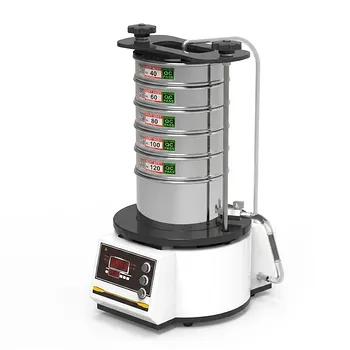
High Frequency Wet Three-Dimensional Vibrating Sieve Shaker for Dry and Wet Particle Size Analysis
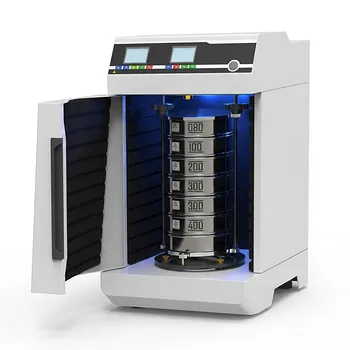
Laboratory Dry and Wet Three Dimensional Vibratory Sieve Shaker for Particle Analysis
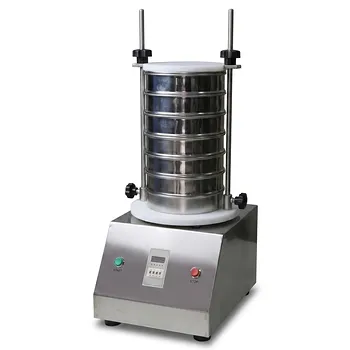
Laboratory Vibratory Test Sieve Shaker for Precision Particle Size Analysis and Powder Grading
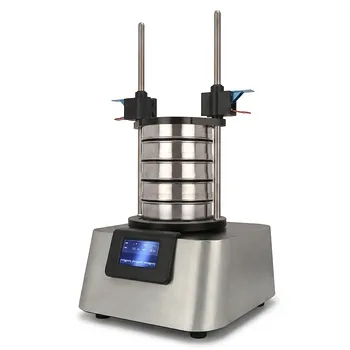
Vibratory Sieve Shaker Electromagnetic 3D Motion Powder Particle Size Analyzer for Dry and Wet Sieving
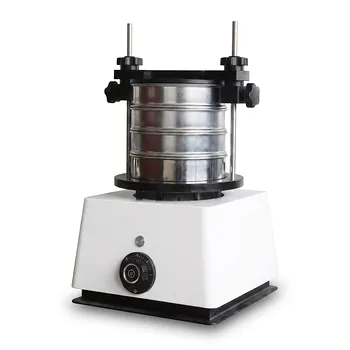
Small Laboratory Vibrating Sieve Shaker for Precise Particle Size Analysis
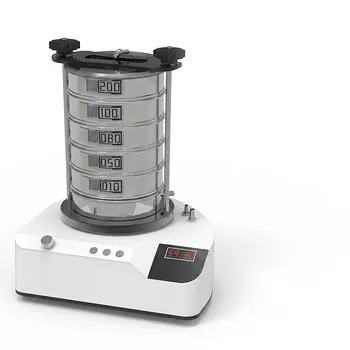
Heavy Duty Dry Three Dimensional Vibratory Sieve Shaker for Particle Separation
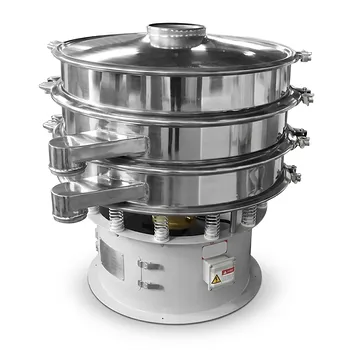
Three Dimensional Rotary Vibrating Sieve
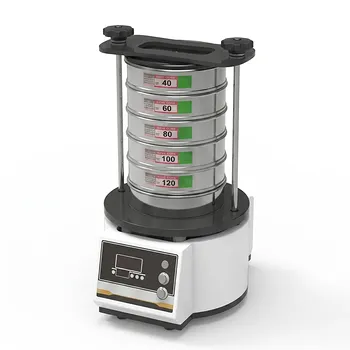
Dry Three Dimensional Vibratory Sieve Shaker
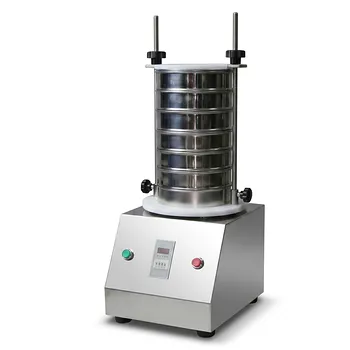
Small Laboratory Vibratory Sieve Shaker for Powder Gradation and Particle Size Analysis
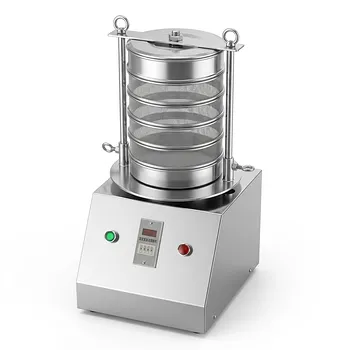
Stainless Steel Laboratory Vibratory Test Sieve Shaker
High Speed Vibratory Disc Mill for Spectral Analysis Sample Preparation and Rapid Powder Grinding
Vibratory Superfine Grinder for Ultra Fine Laboratory Powder Milling
三维电磁微量振动筛分仪
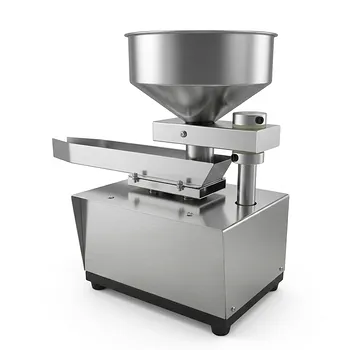
Automatic Vibrating Powder Feeder for Laboratory Material Processing Precision Vibratory Hopper Feeder for Granular and Powder Material Handling Industrial Grade Vibrating Tray Feeder for Consistent Material Sample Preparation
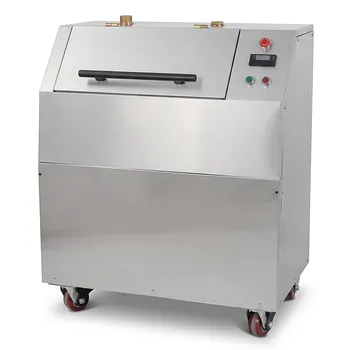
Vibratory Disc Mill for Rapid Fine Grinding and High Throughput Sample Preparation of Hard and Brittle Materials
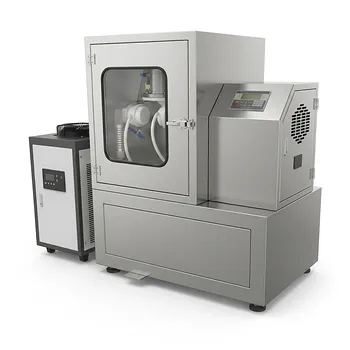
Vibratory Ultra-Low Temperature Ultrafine Grinder for Cryogenic Powder Processing
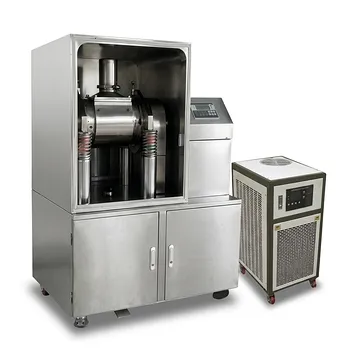
Small Vibrating Ultrafine Grinder for Traditional Chinese Medicine