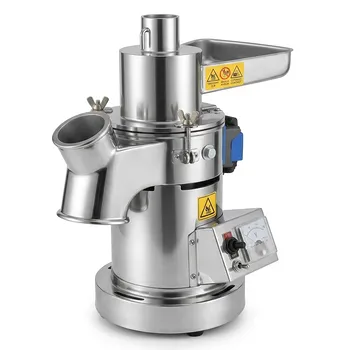
What is the function of high-precision vibratory sieve shakers in the analysis of brown rice particle size distribution?
Updated 5 months ago
High-precision vibratory sieve shakers are the primary tools for quantifying the particle size distribution of crushed brown rice through automated, multi-stage separation. By utilizing a stack of standardized test sieves ranging from 3350 μm to 150 μm, these devices apply controlled mechanical vibration to classify particles by mass. This process provides the essential data required to calculate the Geometric Mean Diameter (GMD) and Fineness Modulus (FM), which are critical metrics for evaluating digestibility and processing quality.
The core function of a vibratory sieve shaker is to transform a heterogeneous sample of crushed rice into a standardized physical profile. By eliminating human error and ensuring a uniform distribution, the equipment allows for the precise correlation between particle size and biochemical or rheological performance.
Mechanisms of Precision Separation
High-Frequency Multi-Stage Classification
The shaker employs multi-dimensional vibrational energy to move brown rice particles across a series of screens. These sieves are arranged from coarse to fine, forcing particles to settle on the mesh that corresponds to their specific dimensions.
Achieving Mass Equilibrium
Standardized operations typically run for 5 to 10 minutes until the sample mass on each sieve reaches a constant state. This high-frequency motion ensures that every particle has the maximum opportunity to pass through the apertures, resulting in an objective measurement of mass distribution.
Removal of Impurities and Agglomerates
Beyond simple grading, the shaker identifies incompletely pulverized material or oversized impurities. Removing these outliers is essential for maintaining a highly uniform distribution that prevents interference during subsequent synthesis or processing.
Key Metrics Derived from Sieving Analysis
Calculating Geometric Mean Diameter (GMD)
The GMD is a vital physical parameter used to evaluate the correlation between feed particle size and digestibility. In brown rice analysis, a precise GMD ensures that nutrient absorption can be predicted accurately in both research and industrial applications.
Determining the Fineness Modulus (FM)
The Fineness Modulus provides a single numerical value representing the average particle size of the entire sample. This value directly influences water absorption and viscosity when brown rice is used in applications like gluten-free dough or flour-based products.
Eliminating Variance in Biochemical Analysis
By ensuring the particle size distribution meets established standards, the shaker eliminates "noise" in laboratory results. This consistency prevents fluctuations in particle size from skewing the results of wort analysis or other biochemical assessments.
Understanding the Trade-offs and Potential Pitfalls
Sample Degradation and Attrition
Extended vibration durations or excessive amplitudes can cause particle-on-particle friction. This may lead to the physical breakdown of fragile brown rice particles, potentially resulting in a "finer" data profile than what actually exists in the bulk sample.
Sieve Blinding and Clogging
Brown rice particles, particularly if they retain some moisture or oils, can become lodged in the finer mesh screens (blinding). This restricts the passage of smaller particles and can lead to inaccurate mass percentages if the equipment is not maintained or if the amplitude is set incorrectly.
2D vs. 3D Shape Limitations
Vibratory sieving grades particles primarily based on their intermediate dimension (width). While highly effective for distribution analysis, it may not fully account for the length of elongated rice fragments, which can occasionally pass through a mesh "end-on."
Applying These Findings to Your Objectives
How to Use Sieving Data for Your Specific Goals
- If your primary focus is optimizing nutrient digestibility: Use the calculated GMD to adjust your milling parameters, ensuring the particle size falls within the specific range proven to maximize enzyme interaction.
- If your primary focus is dough rheology and texture: Monitor the Fineness Modulus (FM) to ensure consistent water absorption, which prevents unpredictable changes in the viscosity and elasticity of the finished product.
- If your primary focus is experimental repeatability: Standardize your vibration frequency and duration (typically 5-10 minutes) to ensure that every sample is processed to a state of constant mass before weighing.
Precise vibratory sieving is the foundational step that ensures the physical characteristics of brown rice do not become a hidden variable in your production or research outcomes.
Summary Table:
| Key Metric/Process | Function in Brown Rice Analysis | Primary Benefit |
|---|---|---|
| Multi-Stage Sieving | Automated grading from 3350 μm to 150 μm | Precise particle size classification |
| Geometric Mean (GMD) | Quantifies physical diameter of crushed rice | Predicts nutrient digestibility |
| Fineness Modulus (FM) | Provides a single average size value | Controls water absorption & viscosity |
| Mass Equilibrium | High-frequency vibration (5-10 minutes) | Ensures data repeatability & accuracy |
Optimize Your Material Analysis with Precision Equipment
Achieving consistent particle size distribution is critical for both research and industrial production. At [Your Brand Name], we provide complete laboratory sample preparation solutions tailored for material science and food processing.
Our extensive product range includes:
- Powder Processing: High-precision vibratory and air-jet sieve shakers, test sieves, and advanced mills (planetary ball, jet, disc, and rotor).
- Sample Preparation: Jaw/roll crushers and liquid nitrogen cryogenic grinders for even the most challenging materials.
- Compaction Solutions: A full spectrum of hydraulic presses, including Cold/Warm Isostatic Presses (CIP/WIP), vacuum hot presses, and XRF pellet presses.
- Mixing Technology: Specialized powder and defoaming mixers for uniform sample consistency.
Whether you are refining nutrient absorption in brown rice or developing advanced ceramic materials, our equipment ensures accuracy and repeatability.
Ready to elevate your lab's performance? Contact our technical experts today to find the perfect solution for your workflow.
References
- Akemi YAMAMOTO, Noriaki IMAEDA. Effect of Particle Size of Brown Rice on Digestibility of Energy and Crude Protein in Growing-Finishing Pigs. DOI: 10.5938/youton.53.4_137
Mentioned Products
- High Frequency Wet Three-Dimensional Vibrating Sieve Shaker for Dry and Wet Particle Size Analysis
- High Frequency Cabinet Type Three-Dimensional Rotary Vibrating Sieve Shaker for Dry Sieving and Particle Classification
- Vibratory Sieve Shaker Electromagnetic 3D Motion Powder Particle Size Analyzer for Dry and Wet Sieving
- Laboratory Vibratory Test Sieve Shaker for Precision Particle Size Analysis and Powder Grading
- Heavy Duty Dry Three Dimensional Vibratory Sieve Shaker for Particle Separation
People Also Ask
- Why are vibrating sieve shakers used with standard test sieves? Ensure Precise Grading for Recycled Aggregates
- What is the function of high-frequency vibratory sieve shakers in AMC powders? Master Particle Grading & PSD Control
- How does a vibratory sieve shaker contribute to optimizing the performance of activated carbon? Enhance Adsorption Precision
- Why is it essential to use a vibrating sieve shaker for the final grading of dietary fiber products? Master Quality.
- What is the role of a high-frequency vibratory sieve shaker in Cold Mix asphalt design? Optimize RAP Gradation Accuracy

Tech Team · PowderPreparation
Last updated on May 14, 2026
Related Products
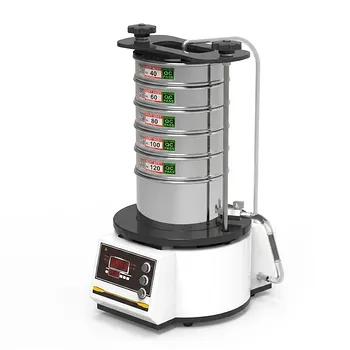
High Frequency Wet Three-Dimensional Vibrating Sieve Shaker for Dry and Wet Particle Size Analysis
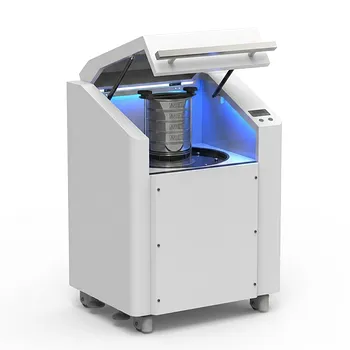
High Frequency Cabinet Type Three-Dimensional Rotary Vibrating Sieve Shaker for Dry Sieving and Particle Classification
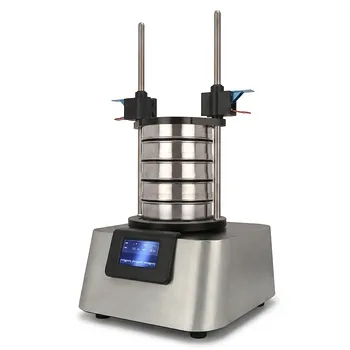
Vibratory Sieve Shaker Electromagnetic 3D Motion Powder Particle Size Analyzer for Dry and Wet Sieving

Laboratory Vibratory Test Sieve Shaker for Precision Particle Size Analysis and Powder Grading
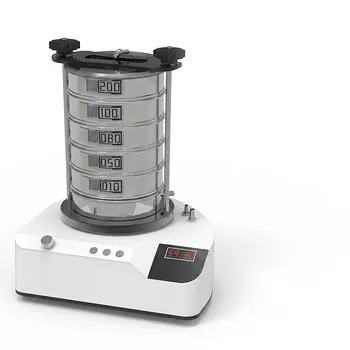
Heavy Duty Dry Three Dimensional Vibratory Sieve Shaker for Particle Separation

Small Laboratory Vibrating Sieve Shaker for Precise Particle Size Analysis

Stainless Steel Rotary Vibrating Sieve High Precision Circular Vibratory Separator Industrial Powder Grading Machine Multi Layer Sifting Equipment
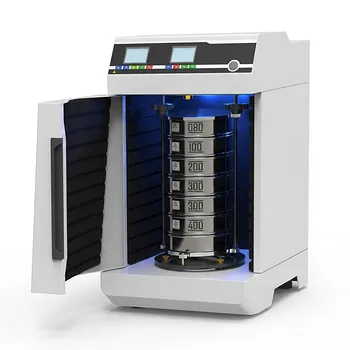
Laboratory Dry and Wet Three Dimensional Vibratory Sieve Shaker for Particle Analysis
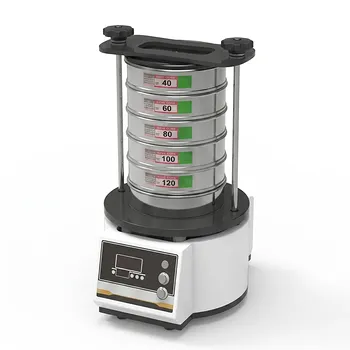
Dry Three Dimensional Vibratory Sieve Shaker
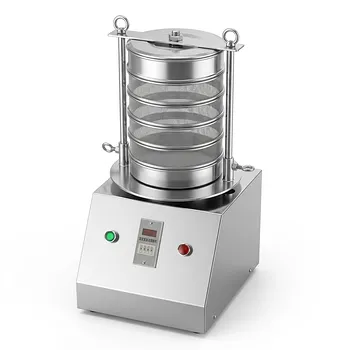
Stainless Steel Laboratory Vibratory Test Sieve Shaker
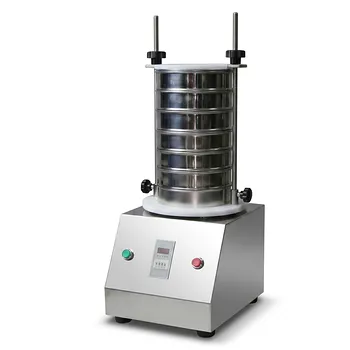
Small Laboratory Vibratory Sieve Shaker for Powder Gradation and Particle Size Analysis
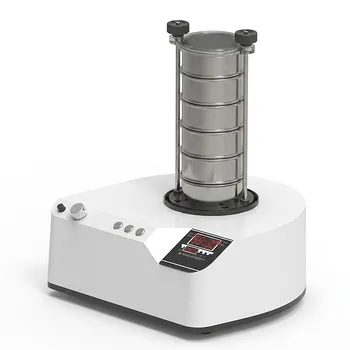
三维电磁微量振动筛分仪
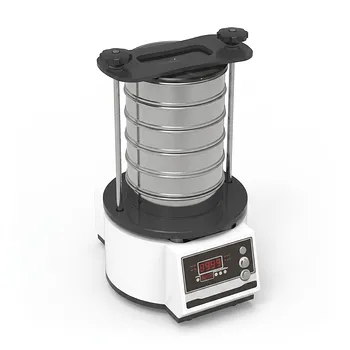
Tapping Oscillating Sieve Shaker for Dry and Wet Particle Size Analysis
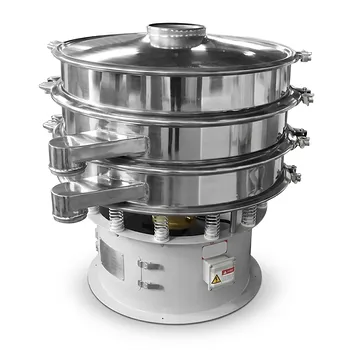
Three Dimensional Rotary Vibrating Sieve

Automatic Vibrating Powder Feeder for Laboratory Material Processing Precision Vibratory Hopper Feeder for Granular and Powder Material Handling Industrial Grade Vibrating Tray Feeder for Consistent Material Sample Preparation
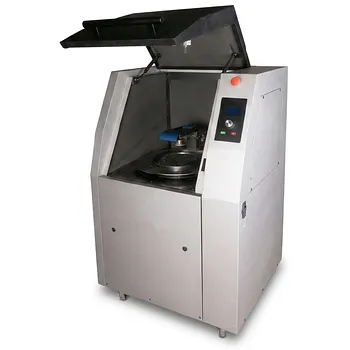
High Speed Vibratory Disc Mill for Spectral Analysis Sample Preparation and Rapid Powder Grinding
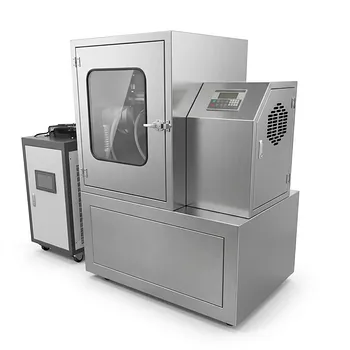
Vibratory Superfine Grinder for Ultra Fine Laboratory Powder Milling
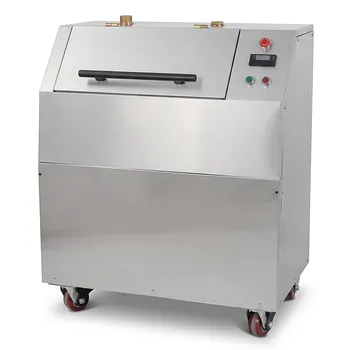
Vibratory Disc Mill for Rapid Fine Grinding and High Throughput Sample Preparation of Hard and Brittle Materials
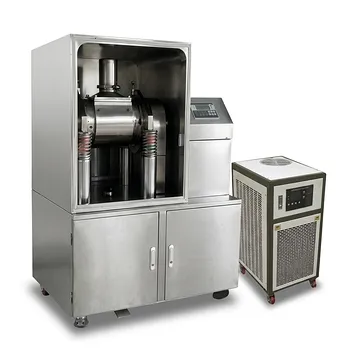
Small Vibrating Ultrafine Grinder for Traditional Chinese Medicine