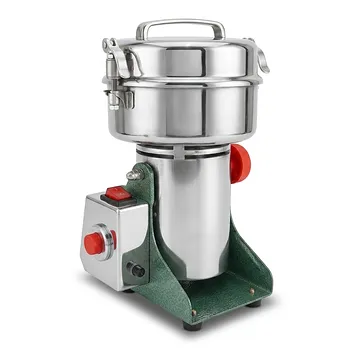
What is the role of a laboratory-grade high-precision sieve in CPC-PCL? Ensure uniform powder distribution and stability.
Updated 5 months ago
The primary role of a laboratory-grade high-precision sieve in the construction of CPC-PCL composite laminates is the uniform distribution of raw Calcium Phosphate Cement (CPC) powder onto the paste surface. This specific application, typically utilizing a 300 µm pore size, is critical for adsorbing residual surface oils and stabilizing the material’s curing process in humid environments.
In the fabrication of CPC-PCL composites, high-precision sieving serves as a surface-management tool. By ensuring a uniform layer of raw powder, it bridges the gap between raw material preparation and final chemical curing, directly impacting the laminate's structural integrity.
Optimizing the Material Interface
Adsorption of Residual Surface Oils
During the assembly of Calcium Phosphate Cement and Polycaprolactone (PCL) laminates, residual oils can often remain on the surface of the paste. A high-precision sieve allows for an even "dusting" of raw CPC powder, which acts as an adsorbent to cover these oils. This ensures that the interface between layers remains clean and conducive to bonding.
Improving Surface Texture
The use of a sieve prevents the formation of large powder clumps that could create structural weak points. By maintaining a uniform particle distribution, the sieve refines the macroscopic texture of the laminate. This consistency is vital for the mechanical performance of the composite once the layers are pressed or stacked.
Facilitating Reliable Chemical Reactions
Stabilization of Curing in Humid Conditions
CPC-PCL composites often undergo curing reactions in humid environments, which are necessary for the cement to set. The raw CPC powder distributed by the sieve provides a stable starting surface that regulates how moisture interacts with the composite. This prevents localized over-hydration and ensures a more predictable setting time.
Promoting Uniform Chemical Gradation
Precision sieving ensures that the powder reacting at the surface has a consistent surface area-to-volume ratio. This uniformity allows the hydration reaction to proceed evenly across the entire surface of the laminate. Without this control, the curing process could become erratic, leading to internal stresses or uneven density.
The Broader Impact of Particle Size Control
Consistency in Porous Structures
Beyond surface application, high-precision sieves are fundamental in controlling porogen particle size, such as sodium chloride, used to create pores in PCL membranes. Accurate sieving ensures that the resulting macroscopic pore structure is uniform, which is essential for the reproducibility of the fabrication process.
Enhancement of Packing Density
In related high-performance materials, such as specialized concrete or sintered bodies, sieving removes oversized particles that disrupt dense packing. By adhering to specific mesh sizes, technicians can satisfy packing density theory, reducing microscopic voids and significantly increasing the ultimate compressive strength of the final product.
Understanding the Trade-offs
The Risk of Mesh Clogging and Contamination
High-precision sieves are sensitive instruments that require meticulous maintenance to remain effective. Blinding, or the clogging of the mesh with fine particles, can lead to uneven powder distribution if the sieve is not cleaned using ultrasonic methods. Furthermore, using a sieve with even minor wire deformation can compromise the particle size grading, leading to inconsistent laminate quality.
Balancing Precision and Processing Time
While finer mesh sizes offer greater control over surface texture, they can significantly increase processing time. Technicians must balance the need for extreme precision with the practicalities of the assembly window, especially when dealing with pastes that may have a limited "open time." Choosing an incorrect mesh size—either too coarse or too fine—can result in powder wastage or insufficient oil adsorption.
How to Apply This to Your Project
Making the Right Choice for Your Goal
To achieve the best results with CPC-PCL composite laminates, your sieving strategy should align with your specific fabrication objectives.
- If your primary focus is surface stability: Utilize a 300 µm laboratory-grade sieve to ensure raw powder effectively adsorbs residual oils without clumping.
- If your primary focus is structural reproducibility: Implement strict manual sieving of all raw materials and porogens to maintain a consistent internal pore architecture.
- If your primary focus is preventing needle clogging in 3D printing: Employ a 40 µm precision sieve to remove any aggregates that could disrupt the continuity of the printing process.
By mastering the precise distribution of raw powders, you ensure that your composite laminates achieve the chemical stability and mechanical integrity required for high-performance applications.
Summary Table:
| Application Area | Primary Function | Recommended Pore Size |
|---|---|---|
| Surface Management | Adsorbing residual oils & stabilizing curing | 300 µm |
| 3D Printing Prep | Preventing needle clogging & removing aggregates | 40 µm |
| Porous Structures | Controlling porogen size for uniform pores | Material-dependent |
| Mechanical Quality | Enhancing packing density & surface texture | High-precision mesh |
Elevate Your Material Research with Precision Powder Solutions
Achieving the perfect CPC-PCL composite laminate requires absolute control over particle distribution and surface management. At our facility, we provide complete laboratory sample preparation solutions designed specifically for material science and advanced powder processing.
Our extensive equipment line includes:
- Sieving & Milling: Vibratory and air-jet sieve shakers with high-precision meshes, planetary ball mills, jet mills, and cryogenic grinders.
- Compaction & Pressing: A full spectrum of hydraulic presses, including Cold/Warm Isostatic Presses (CIP/WIP), vacuum hot presses, and XRF pellet presses.
- Mixing: High-performance powder mixers and defoaming mixers for air-free paste preparation.
Ensure your composites achieve maximum structural integrity and chemical stability—contact our technical team today to find the ideal equipment for your laboratory workflow!
References
- Andreas Fuchs, Uwe Gbureck. Composite grafts made of polycaprolactone fiber mats and oil-based calcium phosphate cement pastes for the reconstruction of cranial and maxillofacial defects. DOI: 10.1007/s00784-023-04932-4
Mentioned Products
- Stainless Steel Rotary Vibrating Sieve High Precision Circular Vibratory Separator Industrial Powder Grading Machine Multi Layer Sifting Equipment
- High Frequency Cabinet Type Three-Dimensional Rotary Vibrating Sieve Shaker for Dry Sieving and Particle Classification
- High Frequency Wet Three-Dimensional Vibrating Sieve Shaker for Dry and Wet Particle Size Analysis
- 三维电磁微量振动筛分仪
- Small Laboratory Vibrating Sieve Shaker for Precise Particle Size Analysis
People Also Ask
- What is the significance of high-precision vibratory sieve machines for SMA? Optimize Aggregate Gradation & Durability
- Why is high-precision sieving equipment necessary for aviation-grade composites? Optimize Fiber Strength & Consistency
- What is the function of high-precision vibratory sieve shakers in the analysis of brown rice particle size distribution?
- Why is a high-precision vibratory sieve shaker necessary for wood-polystyrene particles? Maximize composite strength.
- Why are high-precision vibratory sieve shakers utilized during the grading process of RMP? Enhance Grading Accuracy

Tech Team · PowderPreparation
Last updated on May 14, 2026
Related Products
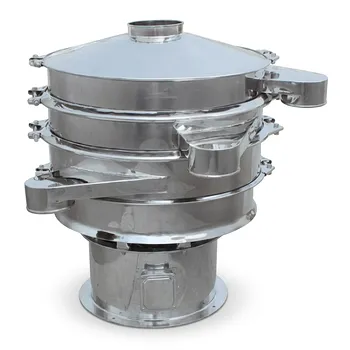
Stainless Steel Rotary Vibrating Sieve High Precision Circular Vibratory Separator Industrial Powder Grading Machine Multi Layer Sifting Equipment
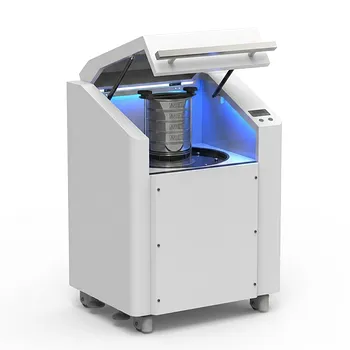
High Frequency Cabinet Type Three-Dimensional Rotary Vibrating Sieve Shaker for Dry Sieving and Particle Classification
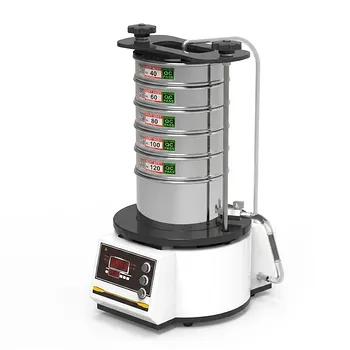
High Frequency Wet Three-Dimensional Vibrating Sieve Shaker for Dry and Wet Particle Size Analysis
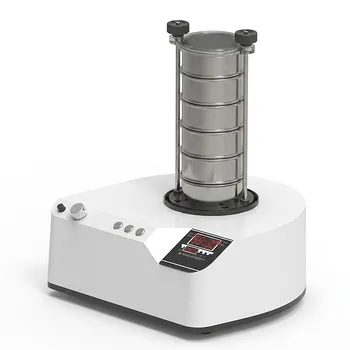
三维电磁微量振动筛分仪
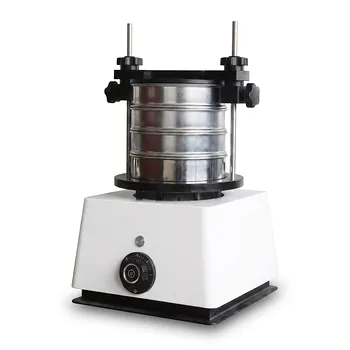
Small Laboratory Vibrating Sieve Shaker for Precise Particle Size Analysis
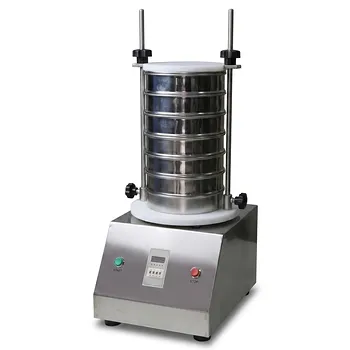
Laboratory Vibratory Test Sieve Shaker for Precision Particle Size Analysis and Powder Grading
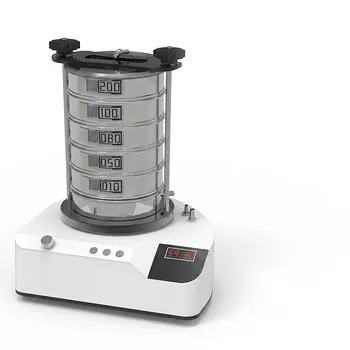
Heavy Duty Dry Three Dimensional Vibratory Sieve Shaker for Particle Separation
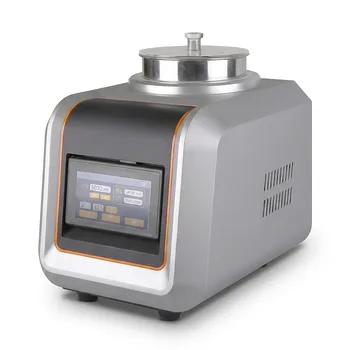
Laboratory Air Jet Sieving Machine for Fine Powder Particle Size Analysis and Deagglomeration
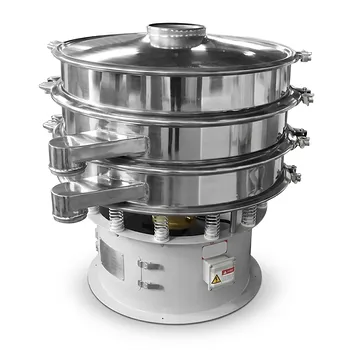
Three Dimensional Rotary Vibrating Sieve
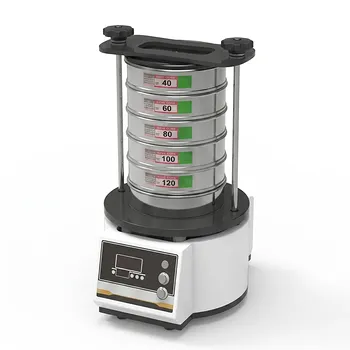
Dry Three Dimensional Vibratory Sieve Shaker
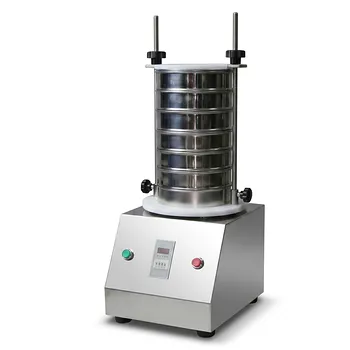
Small Laboratory Vibratory Sieve Shaker for Powder Gradation and Particle Size Analysis
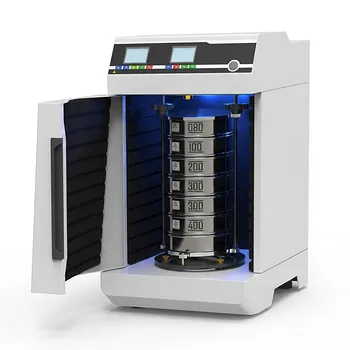
Laboratory Dry and Wet Three Dimensional Vibratory Sieve Shaker for Particle Analysis
Small High-Speed Laboratory Grinder for Rapid Sample Preparation
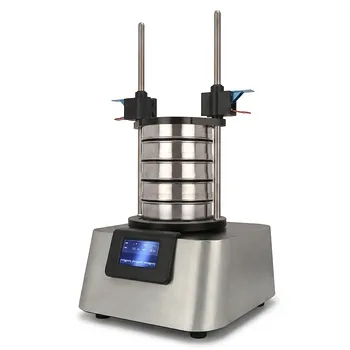
Vibratory Sieve Shaker Electromagnetic 3D Motion Powder Particle Size Analyzer for Dry and Wet Sieving
Custom Raised Height Laboratory Jaw Crusher for Precision Sample Preparation in Material Science
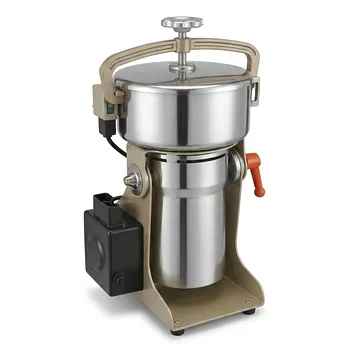
Multifunctional High Efficiency High Speed Laboratory Grinder
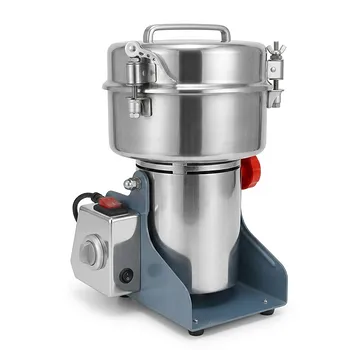
Small High-Speed Grinder for Efficient Laboratory Sample Preparation
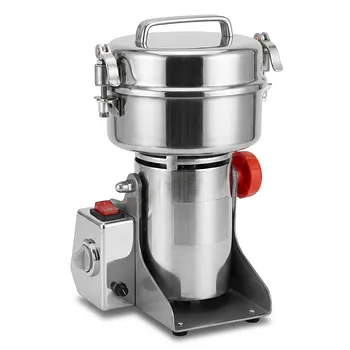
High Speed Laboratory Powder Grinder Small Batch Sample Preparation Mill
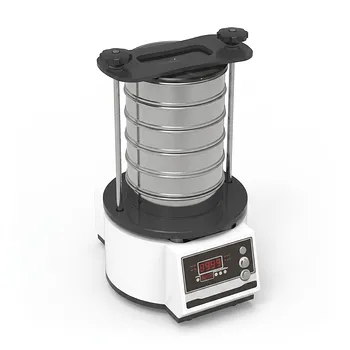
Tapping Oscillating Sieve Shaker for Dry and Wet Particle Size Analysis