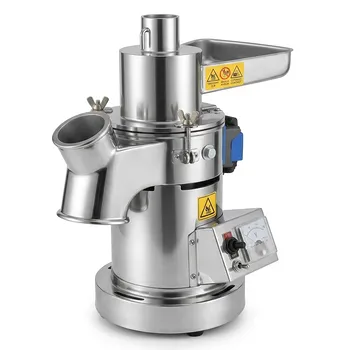
Why is a high-precision vibratory sieve shaker necessary for wood-polystyrene particles? Maximize composite strength.
Updated 5 months ago
Precision particle classification is the technical foundation for high-performance composite manufacturing. By utilizing a high-precision vibratory sieve shaker, manufacturers can achieve a standardized and uniform particle size distribution for wood chips and polystyrene powders. This level of control is essential because the size of the raw material directly dictates the density, porosity, and final mechanical strength of the resulting composite boards.
Core Takeaway: A high-precision vibratory sieve shaker ensures that raw materials meet exact size specifications, which is the critical prerequisite for maintaining structural uniformity, optimizing adhesive consumption, and ensuring the reproducibility of the final material's physical properties.
Ensuring Structural Integrity and Density Uniformity
Optimizing Packing Density
The arrangement of wood and polystyrene particles within a composite matrix determines how tightly they can be compressed. Uniform particle size distribution allows for a more predictable packing density, which minimizes internal gaps and ensures the board has a consistent weight and volume.
Controlling Porosity and Internal Voids
When particles are not properly graded, "dead zones" or excessive voids can form within the material. By strictly maintaining wood chips within specific ranges—such as 2.36 mm to 19.05 mm—manufacturers can prevent localized weaknesses that lead to structural failure under stress.
Achieving Uniform Density Distribution
During the pressing process, the consistency of the internal structure depends on how evenly the raw materials are spread. Using a sieve shaker to normalize particle size ensures that the density distribution remains stable across the entire panel, preventing warping or uneven thickness.
Optimizing Chemical and Mechanical Bonding
Managing Bio-Adhesive Efficiency
The surface area of the particles determines how much adhesive is required for a strong bond. Overly fine particles have a disproportionately high surface area, which leads to excessive adhesive consumption and increased costs, while overly coarse particles may not bond sufficiently, reducing the material's mechanical properties.
Enhancing Internal Bond Strength
Consistency in filler size is directly linked to the internal bonding strength of the composite. A high-precision sieve shaker ensures that each particle contributes equally to the mechanical network, stabilizing the flexural vibration and impact resistance of the final product.
Preventing Material Stratification
In processes involving polystyrene powder, maintaining a specific size range—often below 50 mesh—is vital to prevent materials from separating. Consistent particle sizes ensure that polymer powders and wood fibers remain a homogeneous mixture during extrusion and pressing, preventing "layering" effects.
Stability in Manufacturing Processes
Maintaining Extrusion Pressure
In wood-plastic composites (WPC), particle size influences how the material flows through production machinery. Precise classification prevents fluctuations in extrusion pressure, ensuring a smooth manufacturing process and a uniform surface finish on the final product.
Ensuring Experimental Reproducibility
For researchers and quality control labs, the ability to replicate results is paramount. By using standardized test sieves in a vibratory shaker, engineers can ensure that every batch of raw material meets the exact same specifications, making experimental data reliable and actionable.
Understanding the Trade-offs and Pitfalls
The Risk of Over-Processing
While precision is necessary, excessive sieving can lead to mechanical degradation of fragile wood fibers. It is important to calibrate the vibration intensity and duration to achieve classification without pulverizing the material into unwanted "fines."
Balancing Precision and Throughput
High-precision sieving is often a slower process than bulk screening. Manufacturers must balance the need for extreme size accuracy with the required production volume, as overly restrictive mesh tolerances can create bottlenecks in the preparation stage.
Making the Right Choice for Your Goal
How to Apply This to Your Project
To maximize the quality of your wood-polystyrene composites, your screening strategy should align with your specific performance targets:
- If your primary focus is Maximum Mechanical Strength: Prioritize a narrow size distribution (e.g., 500 µm to 2 mm) to ensure even adhesive coating and high internal bond strength.
- If your primary focus is Cost Efficiency and Adhesive Savings: Use the sieve shaker to strictly remove "fines" or dust-like particles that soak up expensive resins without adding structural value.
- If your primary focus is Surface Finish and Aesthetics: Focus on screening polystyrene and wood powder to a finer, uniform mesh (such as 100-250 micrometers) to reduce surface roughness.
- If your primary focus is Production Stability: Ensure the vibratory shaker is calibrated to maintain consistent extrusion pressure by removing oversized chips that could cause clogs or flow irregularities.
Precise particle classification is not merely a preparation step, but a definitive control mechanism for the physical reality of the final composite material.
Summary Table:
| Key Benefit | Impact on Material Properties | Manufacturing Advantage |
|---|---|---|
| Structural Integrity | Optimizes packing density and reduces voids | Prevents warping and ensures uniform panel thickness |
| Adhesive Efficiency | Controls surface area for optimal bonding | Minimizes resin waste and reduces production costs |
| Bonding Strength | Ensures homogeneous mixture and mechanical network | Increases flexural vibration and impact resistance |
| Process Stability | Regulates particle flow during extrusion | Maintains constant pressure and smooth surface finish |
Elevate Your Composite Material Performance
Precise particle classification is just the beginning of high-performance material development. At our core, we provide complete laboratory sample preparation solutions for material science, specializing in advanced powder processing and compaction equipment designed for both researchers and industrial manufacturers.
Our extensive product line supports every stage of your workflow:
- Classification & Analysis: High-precision vibratory and air-jet sieve shakers with specialized test sieves.
- Size Reduction: Industrial-grade crushers (jaw/roll), liquid nitrogen cryogenic grinders, and a variety of mills (planetary ball, jet, sand/bead, disc, rotor).
- Homogenization: Advanced powder mixers and specialized defoaming mixers for perfect material consistency.
- Advanced Compaction: A full spectrum of hydraulic presses, including Cold/Warm Isostatic Presses (CIP/WIP), vacuum hot presses, and XRF pellet presses.
Whether you are optimizing wood-polystyrene composites or developing next-generation ceramics, our equipment ensures the structural integrity and reproducibility your project requires.
Contact our technical experts today to find your solution
References
- Felipe Reis Rodrigues, Sérgio Augusto Mello da Silva. Particleboard Composite Made from Pinus and Eucalyptus Residues and Polystyrene Waste Partially Replacing the Castor Oil-Based Polyurethane as Binder. DOI: 10.1590/1980-5373-mr-2022-0594
Mentioned Products
- High Frequency Wet Three-Dimensional Vibrating Sieve Shaker for Dry and Wet Particle Size Analysis
- High Frequency Cabinet Type Three-Dimensional Rotary Vibrating Sieve Shaker for Dry Sieving and Particle Classification
- Vibratory Sieve Shaker Electromagnetic 3D Motion Powder Particle Size Analyzer for Dry and Wet Sieving
- Laboratory Vibratory Test Sieve Shaker for Precision Particle Size Analysis and Powder Grading
- Heavy Duty Dry Three Dimensional Vibratory Sieve Shaker for Particle Separation
People Also Ask
- Why are vibrating sieve shakers used with standard test sieves? Ensure Precise Grading for Recycled Aggregates
- What is the function of high-frequency vibratory sieve shakers in AMC powders? Master Particle Grading & PSD Control
- How does a vibratory sieve shaker contribute to optimizing the performance of activated carbon? Enhance Adsorption Precision
- Why is it essential to use a vibrating sieve shaker for the final grading of dietary fiber products? Master Quality.
- What is the role of a high-frequency vibratory sieve shaker in Cold Mix asphalt design? Optimize RAP Gradation Accuracy

Tech Team · PowderPreparation
Last updated on May 14, 2026
Related Products
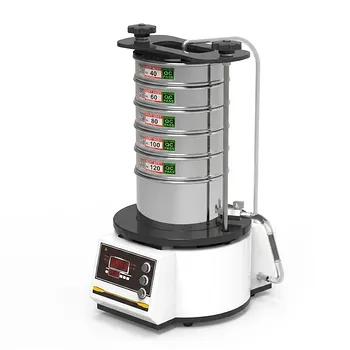
High Frequency Wet Three-Dimensional Vibrating Sieve Shaker for Dry and Wet Particle Size Analysis
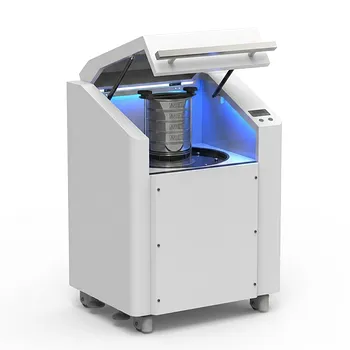
High Frequency Cabinet Type Three-Dimensional Rotary Vibrating Sieve Shaker for Dry Sieving and Particle Classification
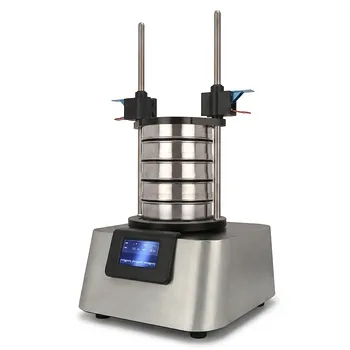
Vibratory Sieve Shaker Electromagnetic 3D Motion Powder Particle Size Analyzer for Dry and Wet Sieving
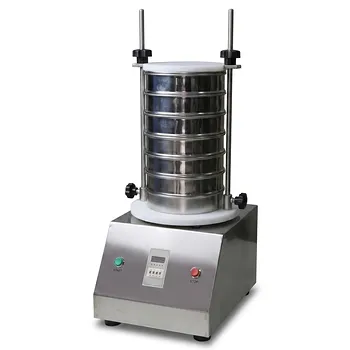
Laboratory Vibratory Test Sieve Shaker for Precision Particle Size Analysis and Powder Grading
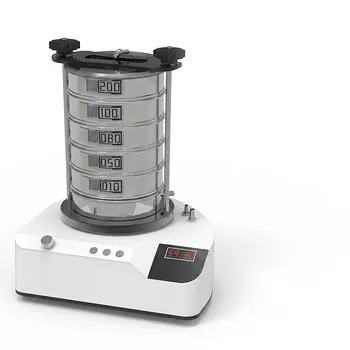
Heavy Duty Dry Three Dimensional Vibratory Sieve Shaker for Particle Separation
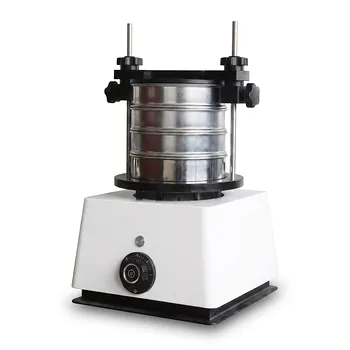
Small Laboratory Vibrating Sieve Shaker for Precise Particle Size Analysis

Stainless Steel Rotary Vibrating Sieve High Precision Circular Vibratory Separator Industrial Powder Grading Machine Multi Layer Sifting Equipment
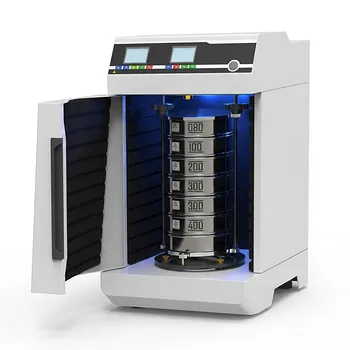
Laboratory Dry and Wet Three Dimensional Vibratory Sieve Shaker for Particle Analysis
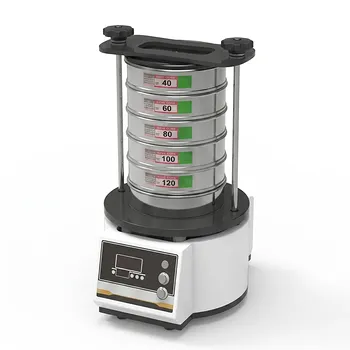
Dry Three Dimensional Vibratory Sieve Shaker
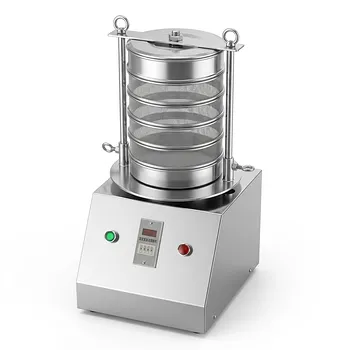
Stainless Steel Laboratory Vibratory Test Sieve Shaker
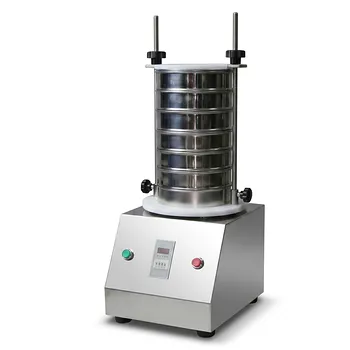
Small Laboratory Vibratory Sieve Shaker for Powder Gradation and Particle Size Analysis
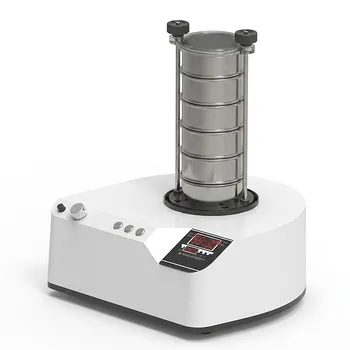
三维电磁微量振动筛分仪
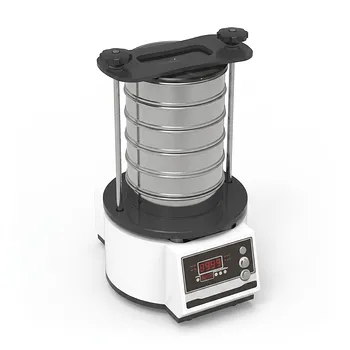
Tapping Oscillating Sieve Shaker for Dry and Wet Particle Size Analysis
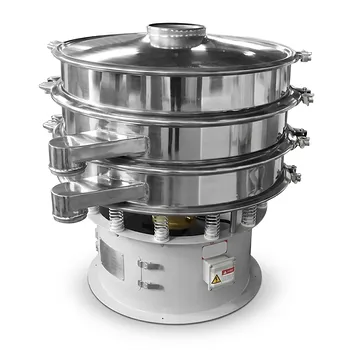
Three Dimensional Rotary Vibrating Sieve
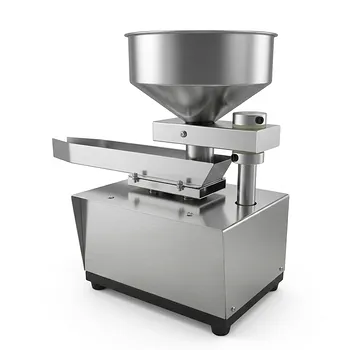
Automatic Vibrating Powder Feeder for Laboratory Material Processing Precision Vibratory Hopper Feeder for Granular and Powder Material Handling Industrial Grade Vibrating Tray Feeder for Consistent Material Sample Preparation
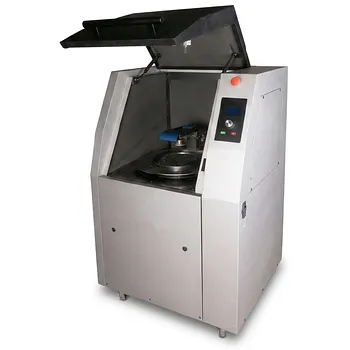
High Speed Vibratory Disc Mill for Spectral Analysis Sample Preparation and Rapid Powder Grinding
Vibratory Superfine Grinder for Ultra Fine Laboratory Powder Milling
Vibratory Disc Mill for Rapid Fine Grinding and High Throughput Sample Preparation of Hard and Brittle Materials
Small Vibrating Ultrafine Grinder for Traditional Chinese Medicine