What is the role of standard test sieves in rubberized concrete? Master Precise Grading for Superior Material Strength
Updated 4 months ago
Standard test sieves serve as the primary tool for precise particle size grading and classification during the preparation of rubberized concrete raw materials. By mechanically separating crushed tire rubber and aggregates into specific size ranges—typically ranging from fine powders to particles up to 25 mm—these sieves enable researchers to control the Particle Size Distribution (PSD). This precision is essential for ensuring the resulting concrete mixture meets structural requirements for strength, workability, and durability.
The primary role of test sieves in rubberized concrete preparation is to ensure uniform particle grading, which directly optimizes packing density and allows for predictable mechanical behavior of rubber particles within the cementitious matrix.
Achieving Structural Integrity Through Precise Grading
Controlling Particle Size Distribution (PSD)
Sieves allow for the classification of rubber particles into specific ranges, such as 4.75–9.5 mm or 19–25 mm. This control is vital for determining how the rubber interacts with the cement paste and other aggregates, as different sizes impact the final strength differently.
Optimizing Packing Density
Proper grading ensures that smaller particles fill the voids between larger ones. This process minimizes the void ratio, reduces the total amount of cement paste required, and increases the overall density and compressive strength of the concrete.
Classification of Fine and Coarse Aggregates
Standard test sieves provide a clear physical threshold, usually at the 4.75 mm aperture, to distinguish between fine and coarse aggregates. This separation is a prerequisite for maintaining uniform pore structures and ensuring the mixture meets specific experimental design requirements.
Practical Application and Material Purity
Removing Impurities and Over-sized Debris
Sieves act as a critical filtration layer to remove large impurities, such as wood fragments, pebbles, or oversized tire fibers. This ensures that only high-quality, sized materials enter the mix, preventing localized weak points in the final structure.
Adapting to Geometric Constraints
In structural components with narrow annular gaps, such as double-skin steel tubular columns, sieving ensures the maximum aggregate size (often 7 mm) is strictly controlled. This allows the rubberized concrete to fully fill small spaces and achieve effective compaction without bridging or clogging.
Maintaining Experimental Consistency
By arranging sieves in descending order of aperture size, researchers can accurately determine the fineness modulus of the raw materials. This consistency is fundamental for reproducing results and comparing the durability of various rubberized concrete formulations.
Understanding the Trade-offs
The Impact of Excessive Fine Particles
While sieving helps remove large debris, an over-accumulation of extremely fine rubber particles (under 0.15 mm) can increase the total surface area of the aggregates. This may require a higher volume of cement paste to coat the particles, potentially increasing costs or altering the workability of the mix.
Accuracy vs. Mesh Wear
Standard test sieves are precision instruments that can degrade over time when used with abrasive materials like crushed stone or coal gangue. Frequent use without regular calibration can lead to mesh deformation, resulting in inaccurate grading that compromises the structural integrity of the concrete.
Making the Right Choice for Your Goal
When preparing raw materials for rubberized concrete, your sieving strategy should align with your specific performance targets:
- If your primary focus is Maximum Structural Strength: Prioritize a continuous grading curve using a full stack of sieves to minimize internal voids and maximize packing density.
- If your primary focus is Workability in Complex Forms: Use sieves to strictly limit the maximum rubber particle size to ensure the mixture can flow into narrow gaps and achieve full compaction.
- If your primary focus is Cost Optimization: Use sieves to refine the particle distribution to reduce porosity, thereby lowering the volume of expensive cement binder required.
Precise particle grading via standard test sieves is not merely a preparation step, but the foundational requirement for engineering predictable and high-performing rubberized concrete.
Summary Table:
| Key Role | Technical Function | Impact on Concrete Performance |
|---|---|---|
| PSD Control | Classifies rubber into specific size ranges (e.g., 4.75–25mm) | Ensures predictable mechanical behavior and matrix bonding |
| Packing Density | Fills voids between large aggregates with fine particles | Minimizes cement usage and increases compressive strength |
| Impurity Removal | Filters out wood, oversized fibers, and debris | Prevents localized weak points and structural failure |
| Geometric Precision | Limits max size for narrow structural gaps | Ensures effective compaction and flow in complex forms |
| Consistency | Determines fineness modulus for replication | Foundation for standardized, high-performance engineering |
Elevate Your Material Research with Precision Engineering
Achieving the perfect particle size distribution is the first step toward high-performance material innovation. At our facility, we provide complete laboratory sample preparation solutions tailored for material science and advanced powder processing.
Whether you are refining rubberized concrete or developing new composites, our extensive product line supports your entire workflow:
- Sieving & Classification: Vibratory and air-jet sieve shakers with a full range of precision test sieves and meshes.
- Size Reduction: Advanced crushers (jaw/roll) and a variety of mills including planetary ball, jet, and cryogenic grinders.
- Compaction & Processing: A full spectrum of hydraulic presses, including Cold/Warm Isostatic Presses (CIP/WIP), hot presses, and vacuum hot presses.
- Mixing: High-efficiency powder mixers and defoaming mixers for uniform material blending.
Ready to optimize your laboratory efficiency and ensure predictable structural integrity? Contact our experts today to find the ideal equipment for your specific application requirements!
References
- Md. Roknuzzaman. Influence of Tire Chip Size on The Behavior of Rubberized Concrete. DOI: 10.36937/cebel.2021.003.004
Mentioned Products
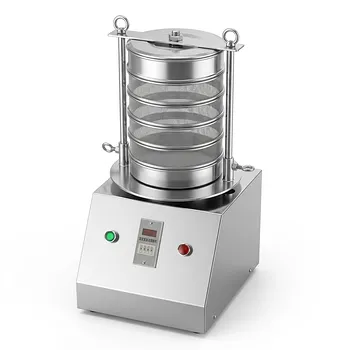
- Stainless Steel Laboratory Vibratory Test Sieve Shaker
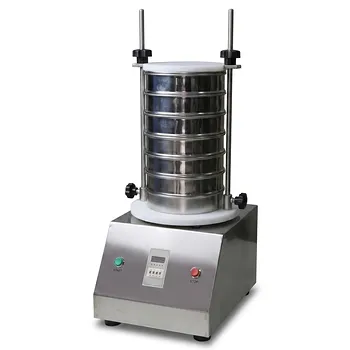
- Laboratory Vibratory Test Sieve Shaker for Precision Particle Size Analysis and Powder Grading
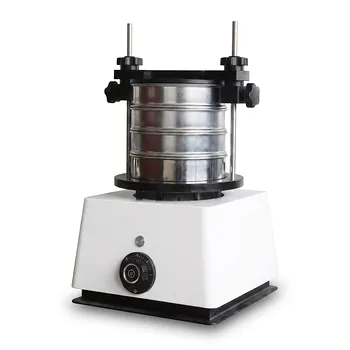
- Small Laboratory Vibrating Sieve Shaker for Precise Particle Size Analysis
- Small Laboratory Vibratory Sieve Shaker for Powder Gradation and Particle Size Analysis
- 三维电磁微量振动筛分仪
People Also Ask
- What function does a laboratory vibratory sieve shaker serve in the production process of metakaolin? Optimize Reactivity
- Why is a precision laboratory vibratory sieve shaker necessary for particle size control? Optimize Biomass Carbonization
- What is the function of a laboratory vibratory sieve shaker? Enhance Coal Particle Size Distribution (PSD) Analysis
- What role do laboratory vibratory sieve shakers and test sieves play before the molding of Nb-Cu composite powders?
- What is the primary function of a laboratory vibratory sieve shaker in the evaluation of sand liquefaction potential?

Tech Team · PowderPreparation
Last updated on May 14, 2026
Related Products
Stainless Steel Laboratory Vibratory Test Sieve Shaker
Laboratory Vibratory Test Sieve Shaker for Precision Particle Size Analysis and Powder Grading
Small Laboratory Vibrating Sieve Shaker for Precise Particle Size Analysis
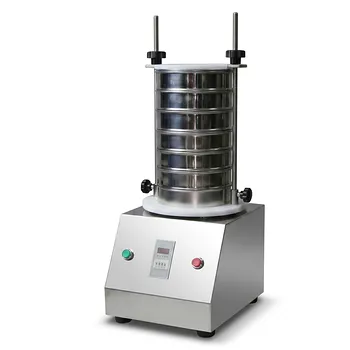
Small Laboratory Vibratory Sieve Shaker for Powder Gradation and Particle Size Analysis
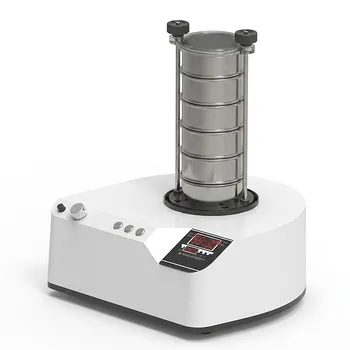
三维电磁微量振动筛分仪
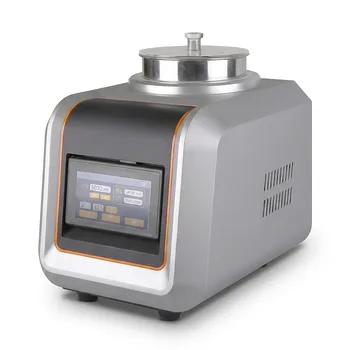
Laboratory Air Jet Sieving Machine for Fine Powder Particle Size Analysis and Deagglomeration
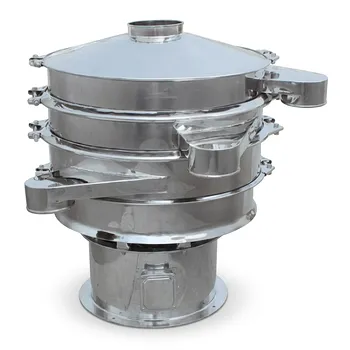
Stainless Steel Rotary Vibrating Sieve High Precision Circular Vibratory Separator Industrial Powder Grading Machine Multi Layer Sifting Equipment
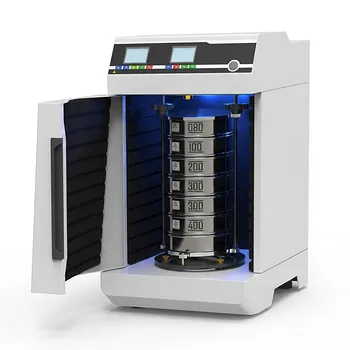
Laboratory Dry and Wet Three Dimensional Vibratory Sieve Shaker for Particle Analysis
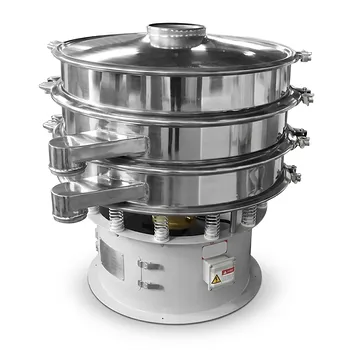
Three Dimensional Rotary Vibrating Sieve
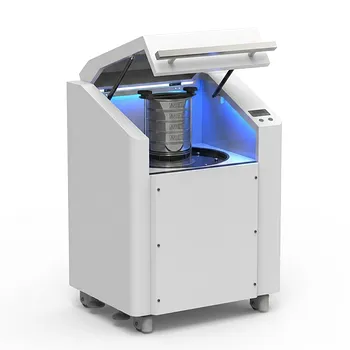
High Frequency Cabinet Type Three-Dimensional Rotary Vibrating Sieve Shaker for Dry Sieving and Particle Classification
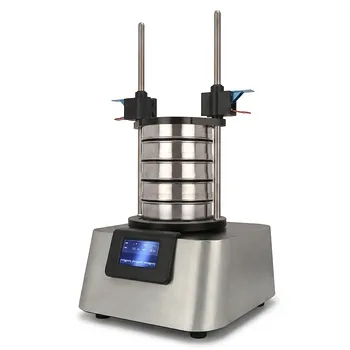
Vibratory Sieve Shaker Electromagnetic 3D Motion Powder Particle Size Analyzer for Dry and Wet Sieving
High Frequency Wet Three-Dimensional Vibrating Sieve Shaker for Dry and Wet Particle Size Analysis
Dry Three Dimensional Vibratory Sieve Shaker
Tapping Oscillating Sieve Shaker for Dry and Wet Particle Size Analysis
Heavy Duty Dry Three Dimensional Vibratory Sieve Shaker for Particle Separation
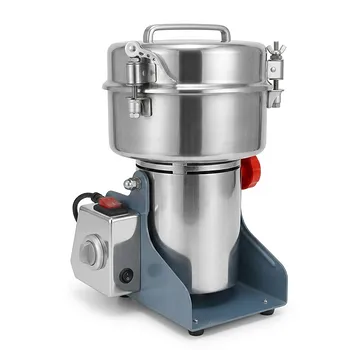
Small High-Speed Grinder for Efficient Laboratory Sample Preparation
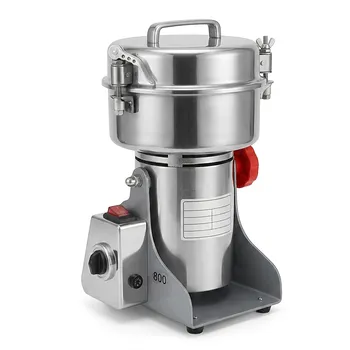
Small High-Speed Laboratory Grinder for Rapid Sample Preparation
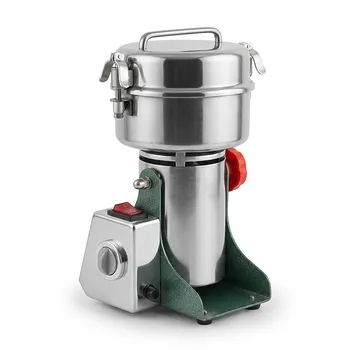
Small High-Speed Swing Grinder for Laboratory Sample Preparation
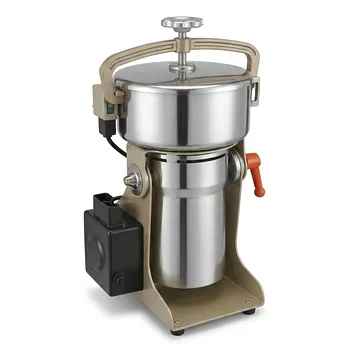
Multifunctional High Efficiency High Speed Laboratory Grinder