What is the role of crushing and milling equipment in mycotoxin analysis? Ensure Sample Accuracy & Homogenization
Updated 5 months ago
Crushing and milling equipment are the gatekeepers of analytical accuracy in mycotoxin testing. These tools use mechanical force to transform large, heterogeneous bulk samples—such as corn, nuts, or grains—into a fine, uniform powder. This process is essential to eliminate "hotspots" of contamination and ensure that the tiny portion actually tested in the lab is a true reflection of the entire crop.
The primary role of crushing and milling is to homogenize the sample and maximize the surface area for chemical solvents. By breaking down the physical structure of the matrix, the equipment ensures that mycotoxins are evenly distributed and easily accessible for extraction.
Overcoming the "Hotspot" Phenomenon
Eliminating Distribution Bias
Mycotoxins are rarely distributed evenly throughout a bulk container of grain; instead, they often cluster in concentrated "hotspots." Without thorough crushing and milling, a laboratory might analyze a portion that contains no toxins even if the bulk lot is heavily contaminated, or vice versa.
Ensuring Sample Representativeness
Mechanical grinding breaks down these concentrated pockets and redistributes the contaminated material throughout the entire sample. This homogenization allows a small test portion—often only 25 to 50 grams—to accurately represent several kilograms of a bulk sample.
Maximizing Extraction Efficiency
Increasing Specific Surface Area
Reducing the particle size of the sample significantly increases its specific surface area. This physical change is critical because it exposes more of the internal sample matrix to the extraction solvent.
Promoting Efficient Mass Transfer
A higher surface area promotes faster and more complete mass transfer between the sample and the solvent. This ensures that the mycotoxins are fully released from the grain or nut matrix into the liquid phase, where they can be measured accurately.
Breaking Down Complex Physical Structures
Materials like biomass or fibrous grains possess complex physical constructions that can shield mycotoxins from solvents. Equipment like cyclone mills or disc mills use high-speed impact or shearing forces to pulverize these structures into a standardized dust form required for chemical analysis.
Understanding the Trade-offs
Heat Generation and Sample Stability
High-energy milling processes can generate significant heat, which may lead to the degradation of certain sensitive compounds or the loss of moisture. In some cases, cryogenic grinding or cooling intervals may be necessary to maintain the chemical integrity of the sample.
The Risk of Cross-Contamination
If milling equipment is not meticulously cleaned between batches, residue from a highly contaminated sample can "carry over" to a clean sample. This creates a false positive result, making ease of cleaning a critical factor when selecting between a disc mill or a cyclone mill.
Particle Size Uniformity
Over-grinding can sometimes result in particles that are too fine, leading to "clumping" or filtration issues during the extraction phase. Achieving a consistent particle size distribution is essential for ensuring that every test performed follows a repeatable and standardized protocol.
How to Apply This to Your Analysis
Choosing the Right Equipment for Your Goal
To achieve the most accurate mycotoxin analysis, your choice of milling equipment should align with your specific material and throughput requirements.
- If your primary focus is high-fat samples like nuts: Utilize a mill that can handle oily matrices without clogging, such as a disc mill with adjustable gap settings.
- If your primary focus is high-speed processing of dry grains: A cyclone mill is often preferred for its ability to produce very fine, uniform powders quickly while minimizing heat buildup via airflow.
- If your primary focus is preventing cross-contamination: Prioritize equipment with modular grinding chambers or "self-cleaning" designs that allow for rapid and thorough decontamination between samples.
Properly prepared samples are the foundation of reliable data, ensuring that your final mycotoxin measurements are both precise and legally defensible.
Summary Table:
| Feature | Impact on Mycotoxin Analysis |
|---|---|
| Homogenization | Eliminates "hotspots" to ensure a small test portion represents the entire bulk sample. |
| Surface Area Increase | Breaks down particles to maximize contact with solvents, boosting extraction efficiency. |
| Structural Breakdown | Pulverizes fibrous or complex grains to release trapped toxins for chemical measurement. |
| Equipment Choice | Cyclone mills provide high-speed dry grain processing; Disc mills handle oily matrices like nuts. |
| Integrity Control | Managing heat and cleaning protocols prevents chemical degradation and cross-contamination. |
Optimize Your Mycotoxin Testing with Precision Sample Prep
Accurate analytical results are only as good as your sample preparation. We provide complete laboratory sample preparation solutions for material science, specializing in high-performance powder processing and compaction equipment designed to eliminate contamination risks and ensure homogeneity.
Our extensive product lines include:
- Crushers & Mills: Jaw/roll crushers, liquid nitrogen cryogenic grinders, and high-precision mills (planetary ball, jet, sand/bead, disc, and rotor mills) for achieving perfect particle size distribution.
- Sieving & Mixing: Vibratory/air-jet sieve shakers and advanced powder/defoaming mixers for consistent material quality.
- Compaction Excellence: A full spectrum of hydraulic presses, including Cold/Warm Isostatic Presses (CIP/WIP), XRF pellet presses, and vacuum hot presses.
Whether you are processing oily nuts or fibrous grains, our technical experts are ready to help you select the ideal equipment to make your analysis legally defensible and scientifically precise.
Contact our specialists today to find your solution!
References
- Kai Zhang, Grace Reichard. Opinion Piece: Tools for Particle-Size-Based Homogeneity Assessments in Mycotoxin Analysis. DOI: 10.3390/foods14193294
Mentioned Products
- Cyclonic Laboratory Mill for NIR Spectroscopy Sample Preparation Food and Feed Grinding
- High Speed Vibratory Disc Mill for Spectral Analysis Sample Preparation and Rapid Powder Grinding
- Vibratory Disc Mill for Rapid Fine Grinding and High Throughput Sample Preparation of Hard and Brittle Materials
- Vertical Semi Circular Planetary Ball Mill for Laboratory Precision Grinding
- Single Tank High Energy Vibratory Ball Mill for Laboratory Grinding and Mixing
People Also Ask
- What is the function of a laboratory mill in Cassia tora L. seed analysis? Master Precision Thermal Data Prep.
- What is the purpose of using a laboratory mill to grind dried precipitates? Optimize TiO2/AuNRs Catalyst Homogeneity
- What role does a laboratory mill play in the study of lignite coal co-combustion? Optimizing Fuel Blends and Reactivity
- What function does a laboratory mill serve in corn starch saccharification experiments? Optimize Surface Area & Reactions
- What is the role of a laboratory-grade mill in WPC preparation? Optimize sizing for superior composite bonding

Tech Team · PowderPreparation
Last updated on May 14, 2026
Related Products
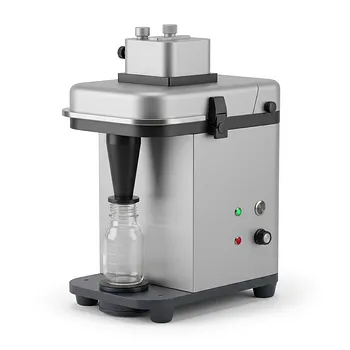
Cyclonic Laboratory Mill for NIR Spectroscopy Sample Preparation Food and Feed Grinding
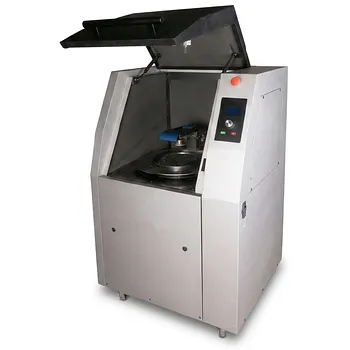
High Speed Vibratory Disc Mill for Spectral Analysis Sample Preparation and Rapid Powder Grinding
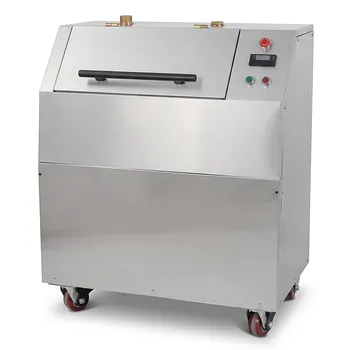
Vibratory Disc Mill for Rapid Fine Grinding and High Throughput Sample Preparation of Hard and Brittle Materials
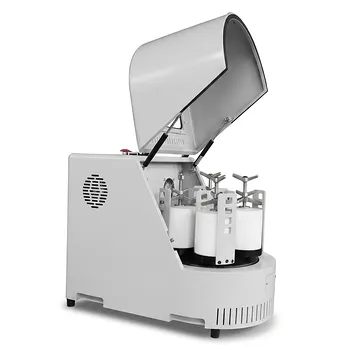
Vertical Semi Circular Planetary Ball Mill for Laboratory Precision Grinding
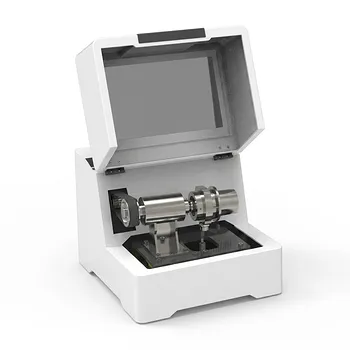
Single Tank High Energy Vibratory Ball Mill for Laboratory Grinding and Mixing
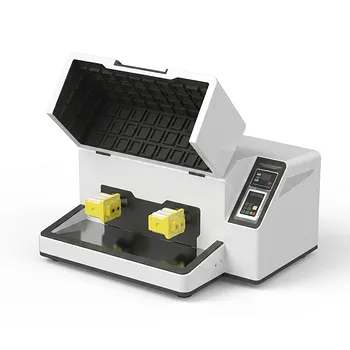
Multi-Platform Nanoscale High-Energy Vibratory Ball Mill
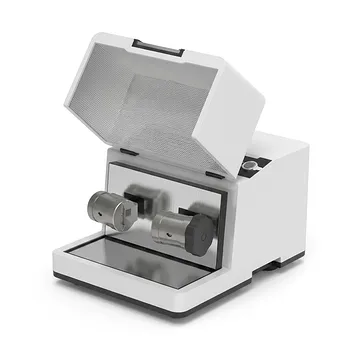
Heating Temperature Controlled High Energy Vibratory Ball Mill
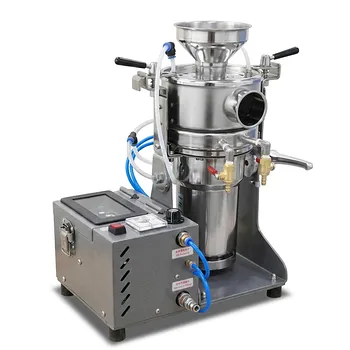
Water Cooled Pulse Jet Ultrafine Grinder
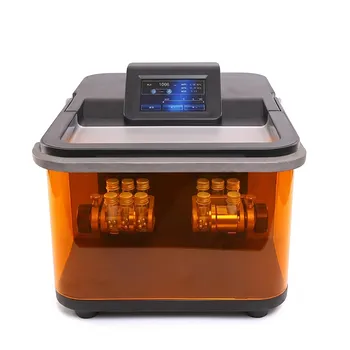
High Throughput Micro Ball Mill for Cryogenic Grinding and Laboratory Cell Disruption
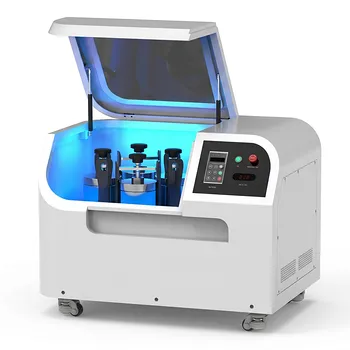
Planetary Ball Mill 12L
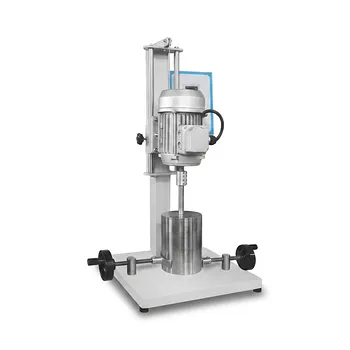
Laboratory Basket Sand Mill for Wet Grinding and Dispersion of Viscous Slurries
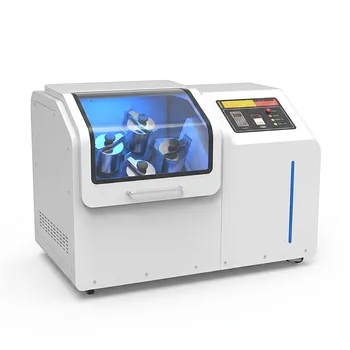
High Energy Omnidirectional Planetary Ball Mill 16L
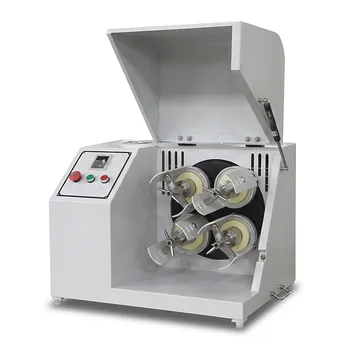
Horizontal Light Duty Planetary Ball Mill for Laboratory Sample Preparation

Miniature Planetary Ball Mill with Vacuum Grinding and High Efficiency for Laboratory Sample Preparation
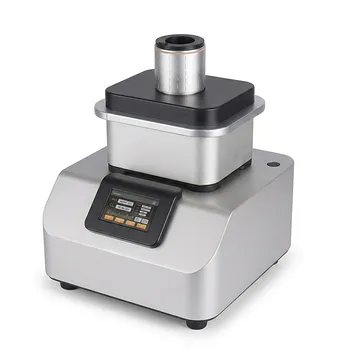
Ultra Centrifugal Mill High Speed Laboratory Grinder for Fibrous and Brittle Sample Preparation
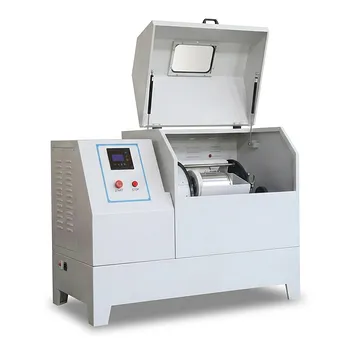
Heavy Duty Horizontal Planetary Ball Mill for Efficient Industrial Grinding and Sample Preparation
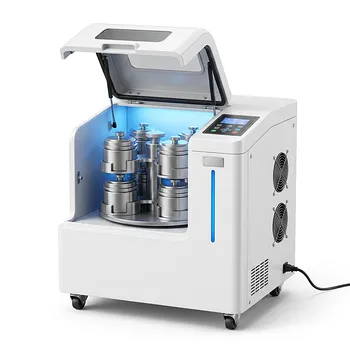
High Energy Omnidirectional Planetary Ball Mill 20L

High Energy Laboratory Planetary Ball Mill for Nano Grinding and Material Science Sample Preparation

Vertical Production Planetary Ball Mill for High Throughput Powder Processing
