What is the role of a laboratory-grade mill in WPC preparation? Optimize sizing for superior composite bonding
Updated 4 months ago
The laboratory-grade mill is the foundational tool for precision material sizing in Wood Plastic Composite (WPC) production. By utilizing high-speed mechanical shearing and impact, these mills convert raw wood and polymer matrices into discrete, controlled granular or powder forms. This transformation is essential for ensuring a uniform mixture and a stable material foundation during subsequent melt-compounding and extrusion stages.
A laboratory-grade mill provides the mechanical precision necessary to control particle morphology and specific surface area. By standardizing the physical dimensions of both wood fibers and polymer matrices, it ensures uniform dispersion and maximizes interfacial bonding within the composite structure.
Achieving Structural Homogeneity
Precision Particle Size Control
A laboratory-grade mill utilizes a rotary grinding mechanism to pulverize raw materials into specific granular forms. Many units employ a two-stage grinding process, using standardized screens (such as 1mm followed by 0.25mm) to achieve a highly consistent particle size. This level of control is critical for materials destined for 3D printing, where uniform sizing prevents clogs in narrow extrusion nozzles.
Increasing Specific Surface Area
Reducing raw materials to fine powders drastically increases their specific surface area. This expansion creates more contact points between the wood fibers and the polymer matrix (such as PLA or TPU). A higher surface area facilitates a more thorough physical blend, which is a prerequisite for achieving a consistent material foundation before the melting process begins.
Optimizing Fiber Aspect Ratios
Through high-speed mechanical shearing, the mill refines wood industrial by-products into particles with optimized aspect ratios. By reducing fiber diameters and controlling length, the mill ensures that fibers can be more effectively dispersed within the plastic matrix. This refinement is fundamental to achieving the desired mechanical properties and structural integrity of the final WPC product.
Enhancing Material Interfacial Bonding
Improving Mechanical Interlocking
The high-energy impact of a mill does more than just resize; it increases fiber surface activity. This physical refinement disrupts the dense microscopic structure of the wood, creating a rougher morphology that improves physical-mechanical interlocking. When the polymer matrix cools around these refined fibers, the bond is significantly stronger than it would be with coarse, untreated sawdust.
Facilitating Chemical Reactivity
Milling serves as a vital pretreatment for lignocellulosic component separation. By disrupting the wood's microscopic structure, the mill provides more active sites for the penetration of solvents and chemical modifiers. This is particularly important for subsequent thermochemical reactions, as it allows deep eutectic solvents (DES) to reach the core of the wood particles more efficiently.
Powderization of Polymer Matrices
Beyond wood processing, laboratory mills are used to process granular thermoplastic matrices into fine powders. Converting polymer pellets into powder increases the uniformity of the initial dry blend with wood-derived additives like lignin. This leads to a more homogenous melt during compounding, reducing the risk of "clumping" or weak spots in the finished composite.
Understanding the Trade-offs
Mechanical Degradation vs. Surface Area
While finer particles increase surface area and improve appearance, over-milling can lead to mechanical degradation of the fibers. Reducing fiber length too aggressively can lower the tensile and flexural strength of the final composite. Engineers must balance the need for a smooth surface finish with the structural reinforcement provided by longer, intact fibers.
Thermal Sensitivity During Milling
The high-speed friction generated during the milling process can cause localized heat buildup. For heat-modified wood, which is already brittle, or certain low-melting-point plastics, this heat can cause premature degradation or "gumming" within the mill. Precise control over milling speed and duration is necessary to prevent altering the chemical profile of the raw materials.
Selecting the Right Milling Strategy
How to Apply This to Your Project
Choosing the correct milling parameters depends entirely on the intended application of your Wood Plastic Composite.
- If your primary focus is Reinforcement and Strength: Prioritize larger screen sizes to maintain a higher fiber aspect ratio, ensuring the wood provides structural "bridge" support within the plastic.
- If your primary focus is 3D Printing or Fine Detail: Utilize a two-stage milling process to reach particle sizes below 0.25mm, ensuring smooth flow through narrow nozzles and a high-quality surface finish.
- If your primary focus is Chemical Modification: Focus on high-speed impact milling to maximize the disruption of the wood’s microscopic structure, allowing for better solvent penetration.
By mastering the raw material preparation phase through precise milling, you ensure that the resulting composite is both chemically stable and mechanically sound.
Summary Table:
| Key Function | Technical Impact | Benefit for WPC Production |
|---|---|---|
| Precision Sizing | High-speed shearing & screening | Ensures uniform dispersion & prevents extrusion clogs |
| Surface Expansion | Fine powderization | Maximizes contact points between fibers and polymers |
| Aspect Ratio Control | Mechanical refinement | Balances reinforcement strength with surface finish |
| Interfacial Bonding | Surface morphology disruption | Improves mechanical interlocking & chemical reactivity |
Elevate Your Material Research with Precision Sample Preparation
At [Company Name], we provide complete laboratory sample preparation solutions tailored for material science and Wood Plastic Composite (WPC) innovation. We specialize in high-performance powder processing and compaction equipment designed to ensure your raw materials meet the strictest structural and chemical standards.
Our extensive product lines include:
- Milling & Grinding: Planetary ball mills, jet mills, disc mills, rotor mills, and liquid nitrogen cryogenic grinders for heat-sensitive materials.
- Sizing & Mixing: Sieve shakers (vibratory/air-jet), powder mixers, and defoaming mixers to achieve perfect homogeneity.
- Compaction & Pressing: A full spectrum of hydraulic presses, including Cold/Warm Isostatic Presses (CIP/WIP), standard lab presses, XRF pellet presses, and vacuum hot presses for advanced composite forming.
Whether you are refining fiber aspect ratios or optimizing polymer matrices, our equipment delivers the mechanical precision your project demands. Contact us today to optimize your laboratory workflow!
References
- Khandkar‐Siddikur Rahman, Md. Obaidullah Hannan. Properties of flat-pressed wood plastic composites as a function of particle size and mixing ratio. DOI: 10.1007/s10086-018-1702-3
Mentioned Products
- Laboratory Disc Mill Medium Hard Material Grinding Coal Coke Ore Pulverizer
- Laboratory Hammer Mill for Coal Quality Analysis and Brittle Mineral Grinding
- Laboratory Disc Mill for Fine Sample Preparation of Hard and Brittle Materials
- Laboratory Knife Mill for Large Volume Sample Homogenization and Food Preparation
- Industrial Knife Mill for Food and Biological Sample Preparation High Speed Laboratory Homogenizer
People Also Ask
- What is the primary function of a laboratory disc mill for oyster shells? Boost Reactivity & Analytical Precision
- What is the function of a laboratory mill in Cassia tora L. seed analysis? Master Precision Thermal Data Prep.
- What is the purpose of using a laboratory mill to grind dried precipitates? Optimize TiO2/AuNRs Catalyst Homogeneity
- What role does a laboratory mill play in the study of lignite coal co-combustion? Optimizing Fuel Blends and Reactivity
- What function does a laboratory mill serve in corn starch saccharification experiments? Optimize Surface Area & Reactions

Tech Team · PowderPreparation
Last updated on Jun 03, 2026
Related Products
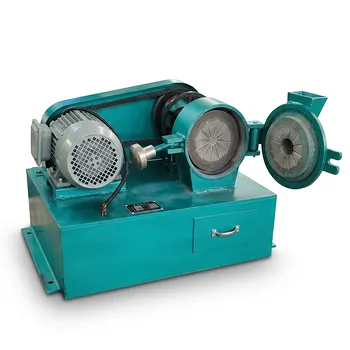
Laboratory Disc Mill Medium Hard Material Grinding Coal Coke Ore Pulverizer
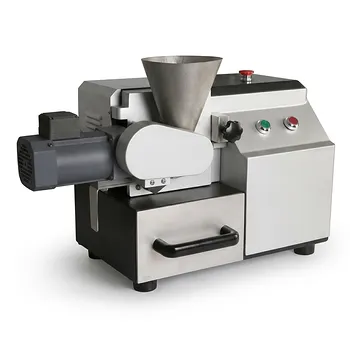
Laboratory Hammer Mill for Coal Quality Analysis and Brittle Mineral Grinding
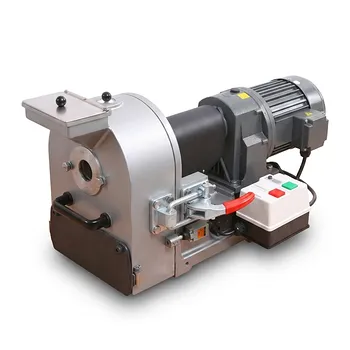
Laboratory Disc Mill for Fine Sample Preparation of Hard and Brittle Materials
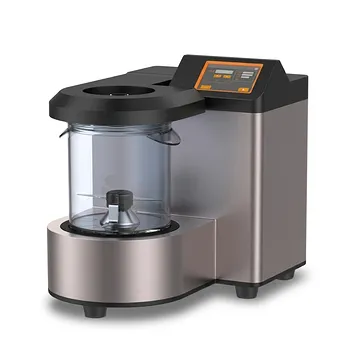
Laboratory Knife Mill for Large Volume Sample Homogenization and Food Preparation

Industrial Knife Mill for Food and Biological Sample Preparation High Speed Laboratory Homogenizer
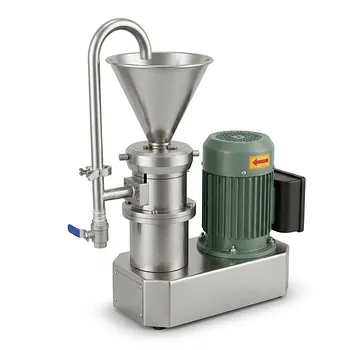
Small Laboratory Colloid Mill for Ultra-Fine Wet Grinding and Emulsification
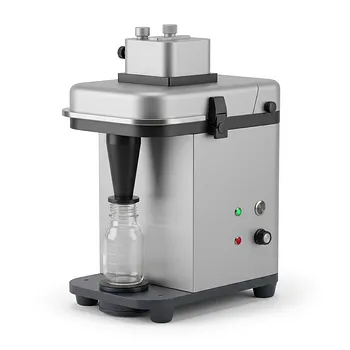
Cyclonic Laboratory Mill for NIR Spectroscopy Sample Preparation Food and Feed Grinding
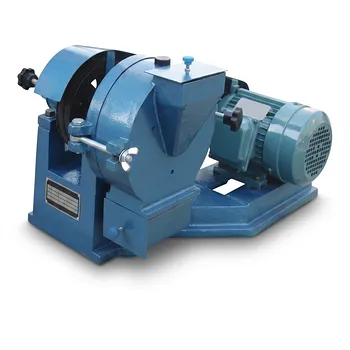
Laboratory Disc Mill for Ore and Mineral Sample Preparation
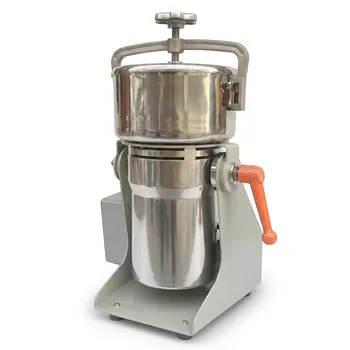
High Speed Laboratory Grinder Efficient Stainless Steel Powder Pulverizer Universal Material Science Mill for Sample Preparation
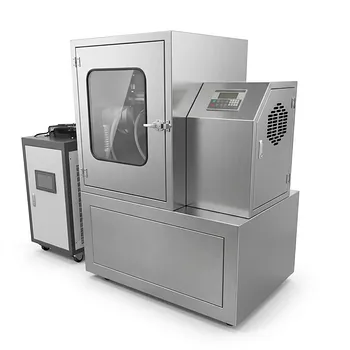
Vibratory Superfine Grinder for Ultra Fine Laboratory Powder Milling
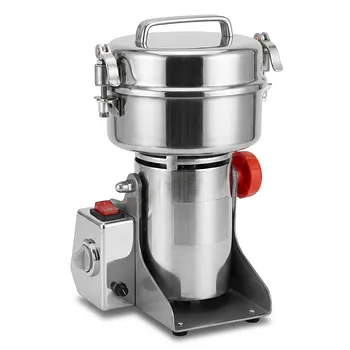
High Speed Laboratory Powder Grinder Small Batch Sample Preparation Mill

Portable Cutting Mill for Laboratory Sample Preparation and RoHS WEEE Compliance Testing
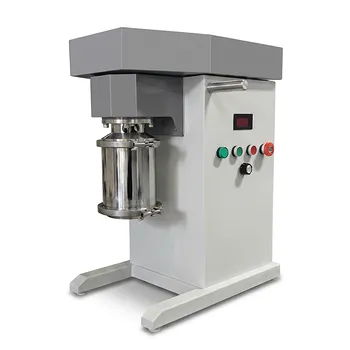
Nano Laboratory Bead Mill Desktop Sub Micron Sand Mill Screenless Seal Less Powder Grinder

Small High Speed Grinder for Laboratory Sample Preparation
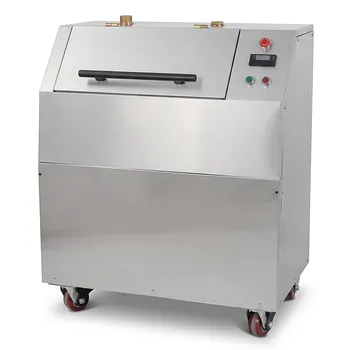
Vibratory Disc Mill for Rapid Fine Grinding and High Throughput Sample Preparation of Hard and Brittle Materials
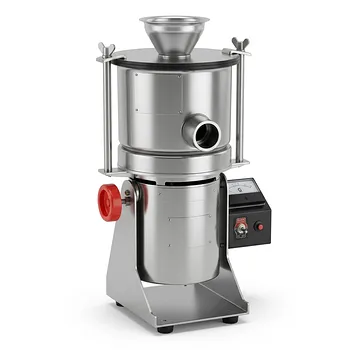
Laboratory Ultrafine Impact and Airflow Grinder for Precise Particle Size Control

Ultra Centrifugal Mill High Speed Laboratory Grinder for Fibrous and Brittle Sample Preparation
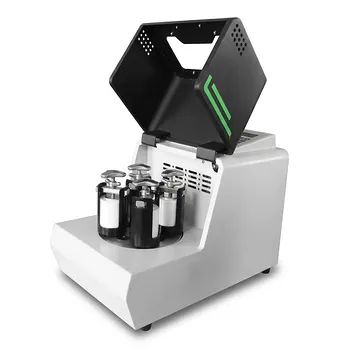
Miniature Planetary Ball Mill with Vacuum Grinding and High Efficiency for Laboratory Sample Preparation
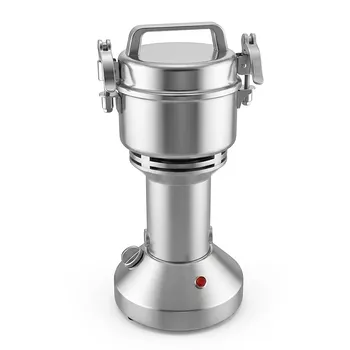
Small High Speed Upright Grinder for Laboratory Sample Preparation